
Arknights: Endfield Review
PlayStation 5
By ditching tower defense for action, industry, and systemic control, Hypergryph bets everything on depth over comfort, and mostly wins.
Reviewed by Zahra Morshed on Jan 27, 2026
Arknights: Endfield is a big update to Hypergryph's Arknights world, which has been around for a long time. This is a change from the tower defense roots of the game to a more action-packed framework. The project was made by Mountain Contour, a company that was spun off from Hypergryph.
It shows a desire to rethink scale and interaction. Not improving on systems that already existed, the team decided to start from scratch by expanding in size and shape. Arknights: Endfield doesn't see itself as a sequel; instead, it sees itself as a conceptual growth built on well-known themes.

People liked the first Arknights because it had a lot of strategy depth, a big story, and beautiful character designs. That success opened up both chances and risks for the universe that came after it. In response, Hypergryph made Endfield stand alone as a separate experience with its own style and pace.
Arknights: Endfield keeps the philosophical weight of the series while purposely breaking genre rules.
Arknights: Endfield takes place on the faraway planet Talos II, where the border is broken up by failing industries and unstable environments. As an Endministrator, a player takes on the part of a leader whose job it is to rebuild infrastructure while dealing with unstable politics.
Rather than linear exposition, the story is told through environmental stories, the interactions between factions, and character-driven tasks. This method encourages a sense of exploration that is based on results. Themes of limited resources, too much technology, and life are similar to those in the first Arknights, but they are also expanded upon.
The story of Talos II shows that the world was changed by love and loss, and that progress has done more harm than good. The setting is more than just a scene in Arknights: Endfield; it's an important part of the story. Every biome has a history, a struggle, and things that need to be done.
When creating characters, the author stays calm and avoids melodrama while keeping the emotional weight. Besides spectacle, dialogue focuses on professional conflict and ideological conflict. Relationships change as missions are completed and smart choices are made. Arknights: Endfield leans on restraint to make the story seem real.
Based on how it's built, Arknights: Endfield combines real-time action battles with big base-building systems. Exploration takes place in fully navigable 3D worlds that are split up into dangerous areas and industrial zones. Movement focuses on motion, positioning, and being aware of your surroundings rather than speed itself.
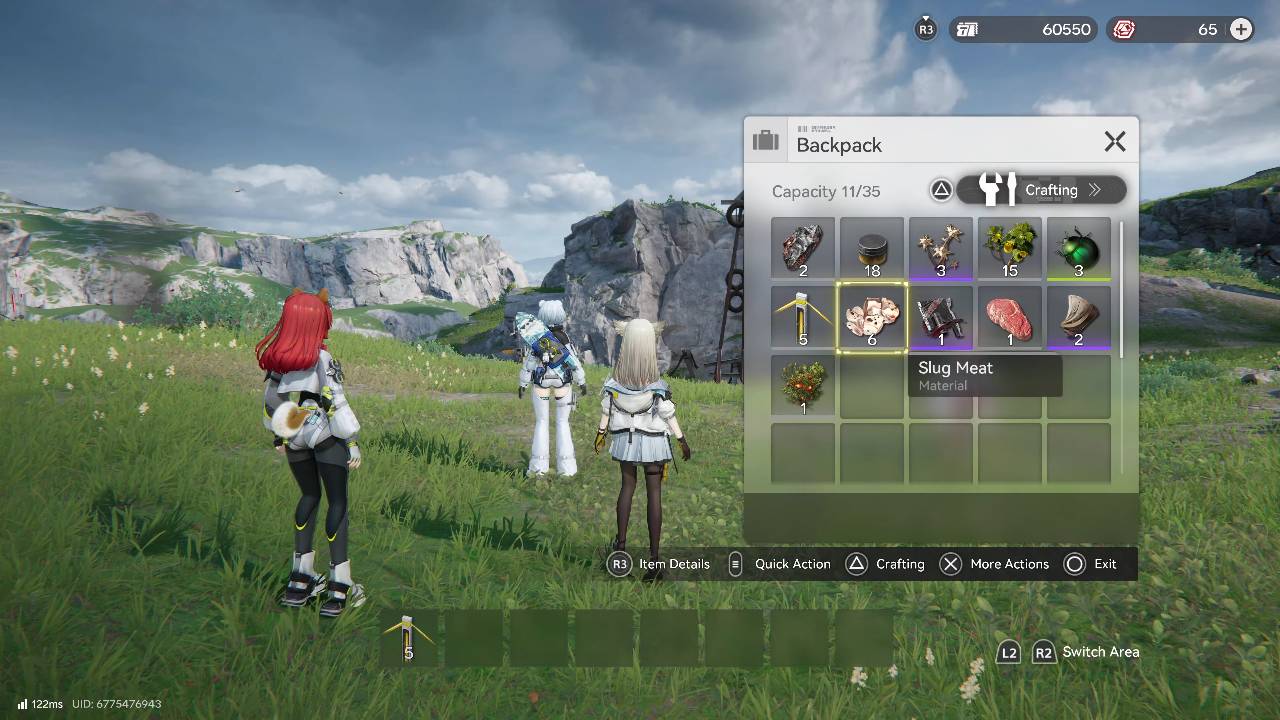
Combat situations are meant to test your ability to change, not your ability to remember things.
The player is in charge of a small group of operators, each of whom has their own fighting and utility duties. Because abilities are recharged on the fly, switching is encouraged and not relying on a single strategy. Arknights: Endfield rewards players who can change their strategy by letting you change the surroundings and change how enemies act. Understanding system synergy is more important than numerical control when it comes to success.
Between battles, players are in charge of large industrial complexes. Getting resources, distributing power, and planning logistics become important parts of growth. In Arknights: Endfield, building bases goes from being a side task to being an important part of the game. Every choice affects both the pace of the story and the readiness for battle.
In Arknights: Endfield, it's more important to control the area than to be quick on your feet. Attackers work together to put pressure on each other and take full advantage of the terrain. They move in groups. In order to answer, players must use their places, timing skills, and the way their teams are set up. The lack of standard auto-play features makes the player more involved.
Environmental problems and improving infrastructure naturally bring out puzzle pieces. Power lines need to be routed well in order to open up new areas or turn on machines. Resource flow puzzles test your ability to think ahead over the long term, not just for a moment. Arknights: Endfield adds puzzles as systemic additions, not separate parts.
This way of thinking about design makes engagement stronger, but makes it harder to think. Some methods require a lot of time to get used to, especially for players who aren't used to how management works. But repetition and layered lessons make things clearer.
Arknights: Endfield does not give up on accessibility, but as an alternative, trusts the player's understanding.
Arknights: Endfield's best feature is how well its mechanics work together. Combat, building, and exploring don't compete for attention; in contrast, they help each other. The ability to survive on the battlefield is directly linked to the tactical choices made during base planning. This connected form makes strategic satisfaction higher.
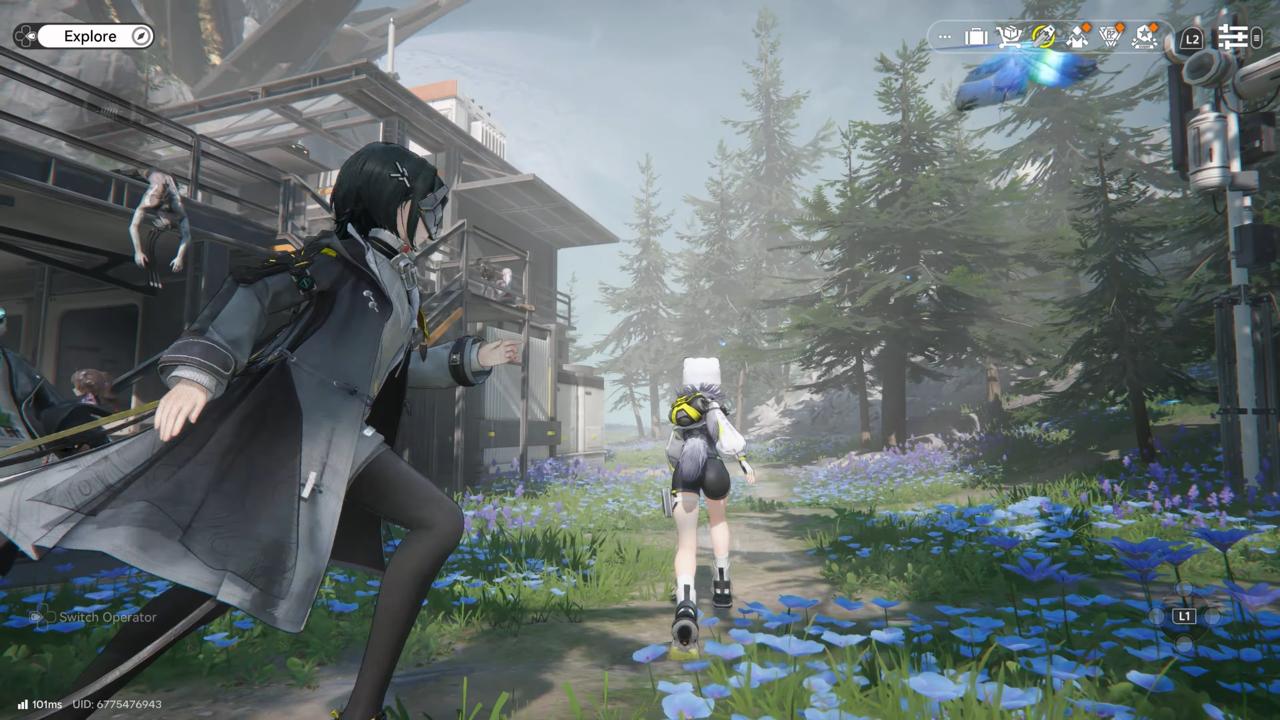
Occasionally, though, the pace is off. Initially, complicated systems are added too quickly for the story's setting to handle them. Because the enemy is tough, it can feel like a long fight, not because it's critical to the strategy. Endfield sometimes puts protests against the system ahead of big progress in Arknights.
Even with these problems, fighting is still always fun. Different kinds of enemies encourage change, an alternative to repetition. The operator's skills feel important without making meetings seem less important. In Arknights: Endfield, the balance is kept by purposeful friction in place of artificial trouble.
Arknights: Endfield doesn't use standard grinding for experience to move forward. Rather, it uses stacked progress. When operators learn new skills, get better tools, and intelligently deploy more often, they get better. It seems like growth happened more by being used than by building up. Mastery and growth go hand in hand with this method.
Base development works as a method for indirect progression. When buildings are expanded, they make room for new features, operators, and storylines. Resource efficiency speeds up progress without making problems less important. Arknights: Endfield makes sure that growth is still meaningful, not just necessary.
The lack of grinding over and over again speeds things up.
Without taking advantage of loops, players automatically move forward by interacting with systems. This layout takes into account the time spent and keeps the depth. Arknights: Endfield is a great example of modern development.
Arknights: Endfield looks very different from its predecessor, which was only in 2D. The character models are stylized but real, staying true to the franchise's personality while embracing depth. Details about the environment bring out the decay of industry and the goal of technology. Lighting sets the scene without making it harder to read.
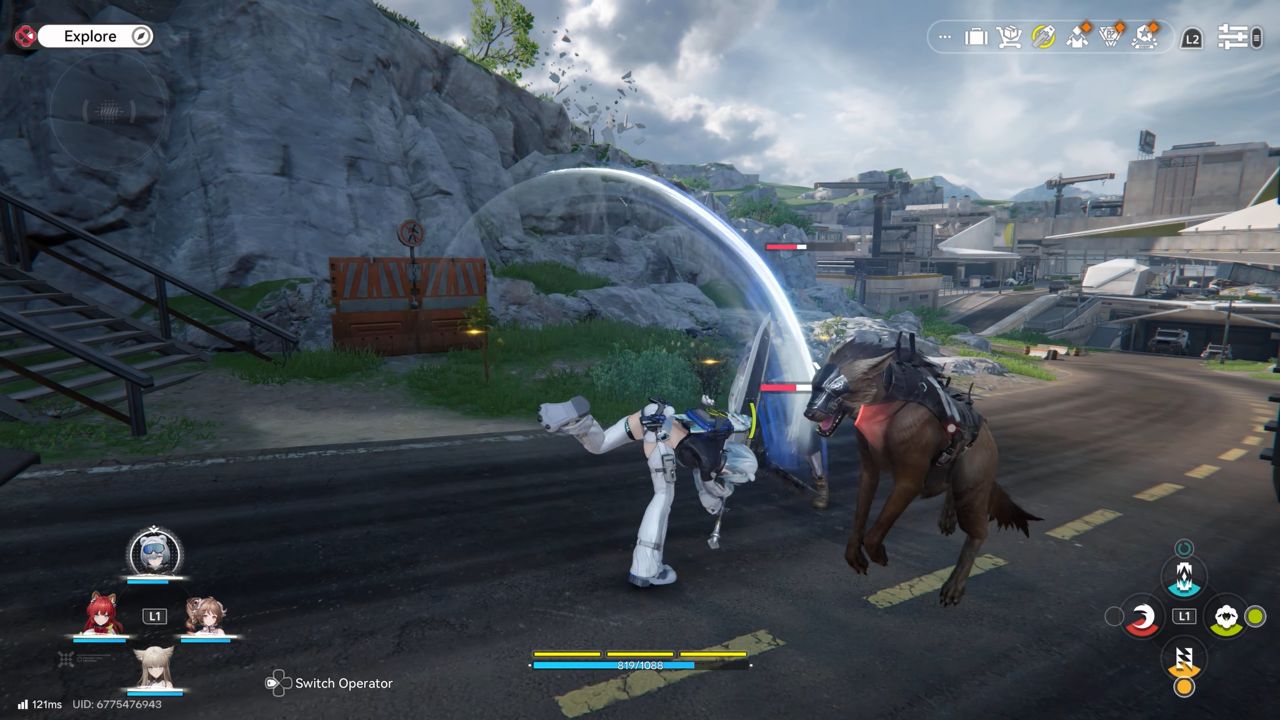
Functionality is more important than decoration in art direction. Interfaces are neat, easy to read, and fit in with the style of the world. Visual effects make input better without making the screen too busy. Arknights: Endfield has a well-organized visual structure.
It's more important to be stable than to perform well. It's always smooth, even when there are big fights. The physics are still the same, even if they look the same. In comparison, it makes immersion stronger. Arknights: Endfield shows that simplicity is the best way to look good.
Arknights: Endfield's audio design adds to the mood by being restrained and precise. Sounds in the surroundings make industrial scale and environmental instability worse. Sounds from machines, faraway sounds, and the weather all help you understand your surroundings.
Instead of being a decoration, sound design serves as feedback for information.
Ambient electronic tones and soft harmonies make up the music score. Themes change based on where they are and how the story goes. Music raises stress without controlling how people feel. Arknights: Endfield knows how to use silence in design.
Voice acts are done professionally and with a consistent tone. Dialogue keeps things from getting too dramatic, which keeps believability grounded. During battle and exploration, audio mixing puts clarity first. Arknights: Endfield finds balance by being quiet.
As opposed to being a careful expansion, Arknights: Endfield is a bold new start. It goes against what people expect by accepting complexity while still making sense. Every system works toward a single goal that is based on strategy control and story restraint. As a result, the game needs your full attention and rewards deliberate play.

Its goals sometimes move faster than training, especially for new employees. But if you wait, you'll see depth that's rarely seen in mixed design. Long-term engagement is more important than instant satisfaction in this experience. As a work of artistic maturity, Arknights: Endfield stands out.
The game builds a solid base for future growth by expanding its world without changing who it is. It honors its roots while refusing to be limited by them. Endfield turns legacy into chance in Arknights: Endfield.
Contributor, NoobFeed
Verdict
Arknights: Endfield is a methodical, system-driven evolution that rewards strategic thinking and long-term planning. Its ambition, cohesion, and restraint position it as one of the most compelling tactical action hybrids in modern design.
79
Related News
No Data.