
Bonaparte - A Mechanized Revolution Review
PC
A strategy epic set in a different past where politics, steel giants, and shifting allegiances come together in a whirlwind of turn-based ambition.
Reviewed by Sarwar Ron on Nov 25, 2025
Bonaparte - A Mechanized Revolution is a strategy game with an interesting premise: it takes place in a different 18th-century France where political unrest and gigantic mechanical colossi fight on the same battlefield. Instead of just telling the same old story of a revolution, the makers change the story into something unpredictable, fun, and interestingly chaotic.
The game calls itself a hybrid because it's part political decision-making simulator, part regional management experience, and part turn-based tactical battler. It has a funny tone that adds to its historical taste instead of taking away from it.
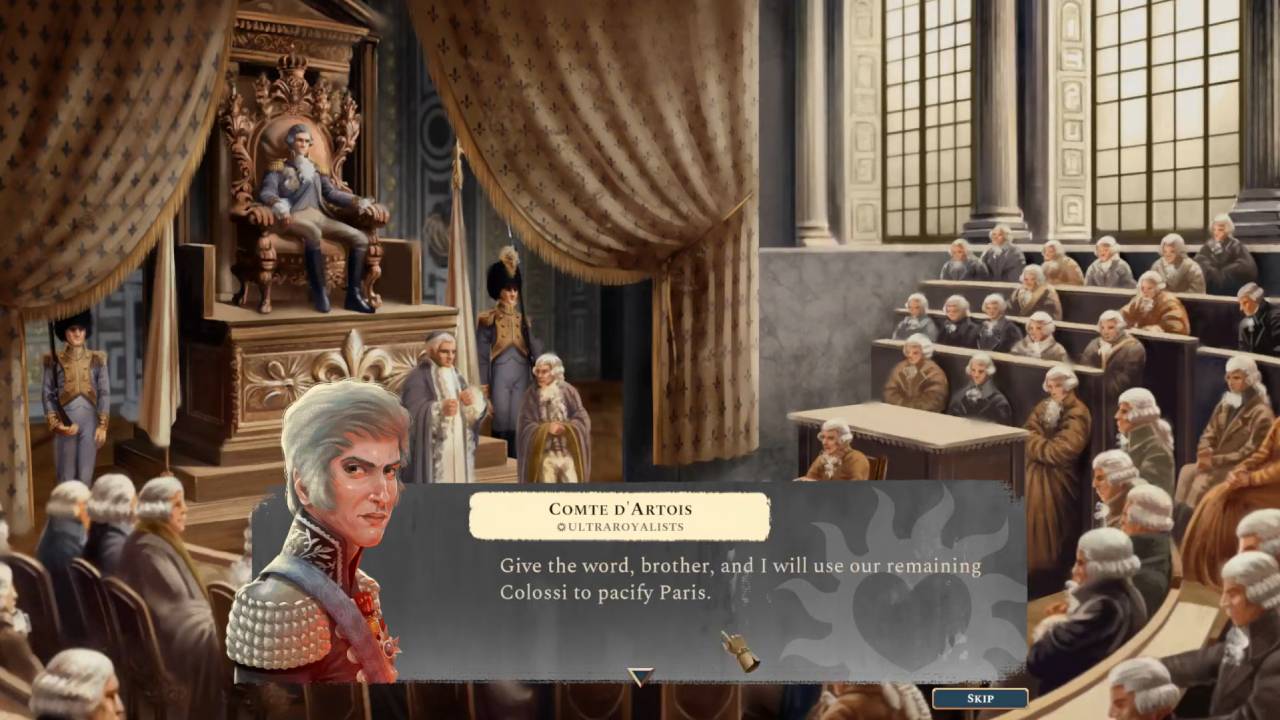
There are a lot of realistic war simulations and historically based RTS games out there, but this one stands out by asking what the French Revolution would have been like if huge steam-powered war machines had marched across Europe under Bonaparte's flag. The idea is strange, but it works in some way.
The mix of familiar history and strange new ideas pulls you into a world that feels alive and full of possibilities as soon as you step into this different timeline.
Set before, during, and after the French Revolution, the story puts you in the shoes of Bonaparte, who can be a man or a woman, and is in the middle of a lot of political change. You're not just in charge of armies or taxes; you're also deciding the future of your country by solving political questions.
These choices affect alliances, stability, loyalty to the area, and the chances to make money or fight. As ideas change and groups rise and fall, you can see how weak power is in a country that can flip over in an instant.
Different political groups react quickly to changes in the world. Based on disasters, battles, and public opinion, their loyalties change, bend, and break. This adds a nice bit of uncertainty to the campaign. The game does not rely on fixed diplomatic processes; instead, it thrives on chaos. You can't really rest because if things change, even the good people who backed your changes yesterday could turn against you by tomorrow morning.
Adding to the historical background are the completely made-up colossi, which are huge machines driven by an unknown energy source that were created by France to fight off British advances. They quickly become important to both the story and the plan, giving the impression that the conflict is getting worse as tensions rise across Europe.
These metal giants have nothing to do with real history, but they fit in surprisingly well with the story's themes, giving the era's desire for power, innovation, and control a symbolic weight.
Napoleon – It says that A Mechanized Revolution is a mix of managing regions, keeping the peace in politics, and turn-based battles. From the campaign map, you can see different parts of France. Each area has its own effects on the public, the factions, the production of resources, and the placement of troops. Managing these areas is like a dance where you have to keep people loyal, stop rebels from getting in the way, and move your troops around to defend changing borders.
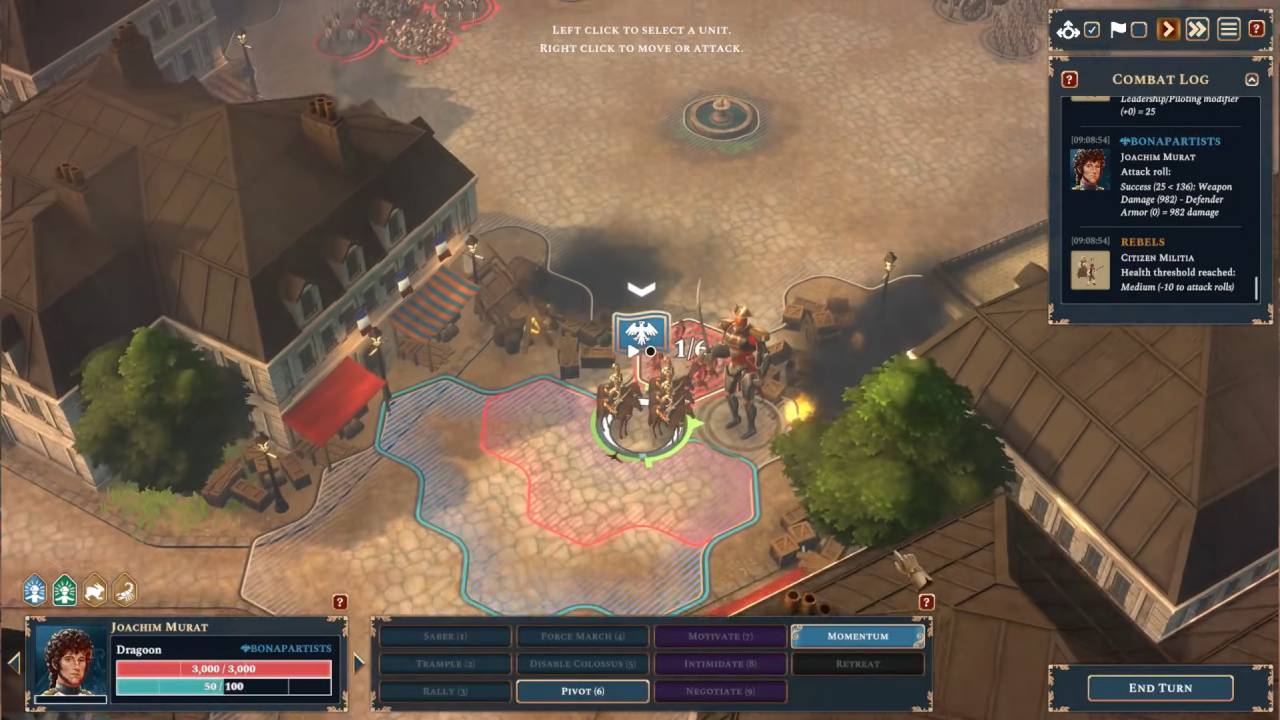
There is always a political layer. Every day, you have to make policy choices and answer ideological questions that affect the whole country. Your position with many groups changes because of these choices, including royalists, revolutionaries, intellectuals, militarists, and more. Every choice you make has an effect on other parts of the map and on how different groups act, sometimes supporting you completely and other times planning your downfall.
The early stages are like a slow burn—they're needed before the full machinery of change starts to work. About an hour goes by before the main systems unlock and the player can use the highly sought-after mechanical units. After the main power fight is over, the game turns into a bigger and more flexible strategy simulator where you can shape France's future while dealing with constant political chaos.
In general, the loop is still fun: making laws, building up troops, putting down protests, growing power, and getting ready for battles where tactical positioning and resource management are very important. There are never any dull moments in this game because there are always crises, battles, political shifts, or important choices that need your attention.
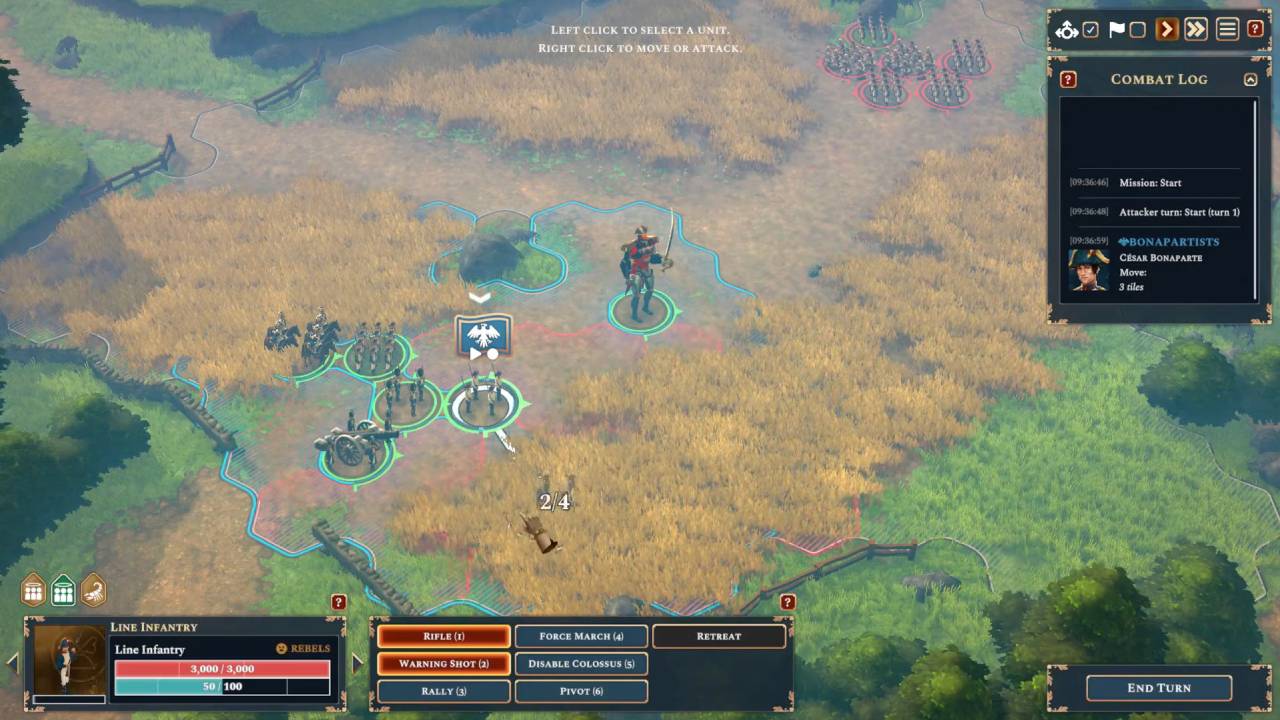
The combat system is quickly noticeable, not because it plays like most RTS games, but because it uses a 2D side-view tactical layout instead of a full 360-degree battlefield. Because you have to plan your moves and strikes within a small plane, this design choice makes the game more like a puzzle than a pure strategy game.
As you move troops, artillery, and colossi, you have to think about timing, formation, and spacing because units take up slots across lanes.
You can start actions, move troops, and use special powers that are tied to your units every turn. The colossi add a dramatic twist to a game that is a mix of turn-based strategy and puzzle-like placement. The rest of your army needs to be able to move around these huge machines because they fight well and hit hard. They give you a strong feeling of power, but they also make things harder when you have to fight multiple enemy colossi.
Even though the game is supposed to be fun, battles can get surprisingly serious. Going into battle unprepared or outnumbered doesn't mean you'll lose, and smart military positioning can help smaller forces beat odds that look like they can't be beaten. There are rewarding times when you do this, like when you beat several enemy colossi with a small, weak army. Victories don't feel like they're given to you, and mistakes don't feel like they're punishing you.
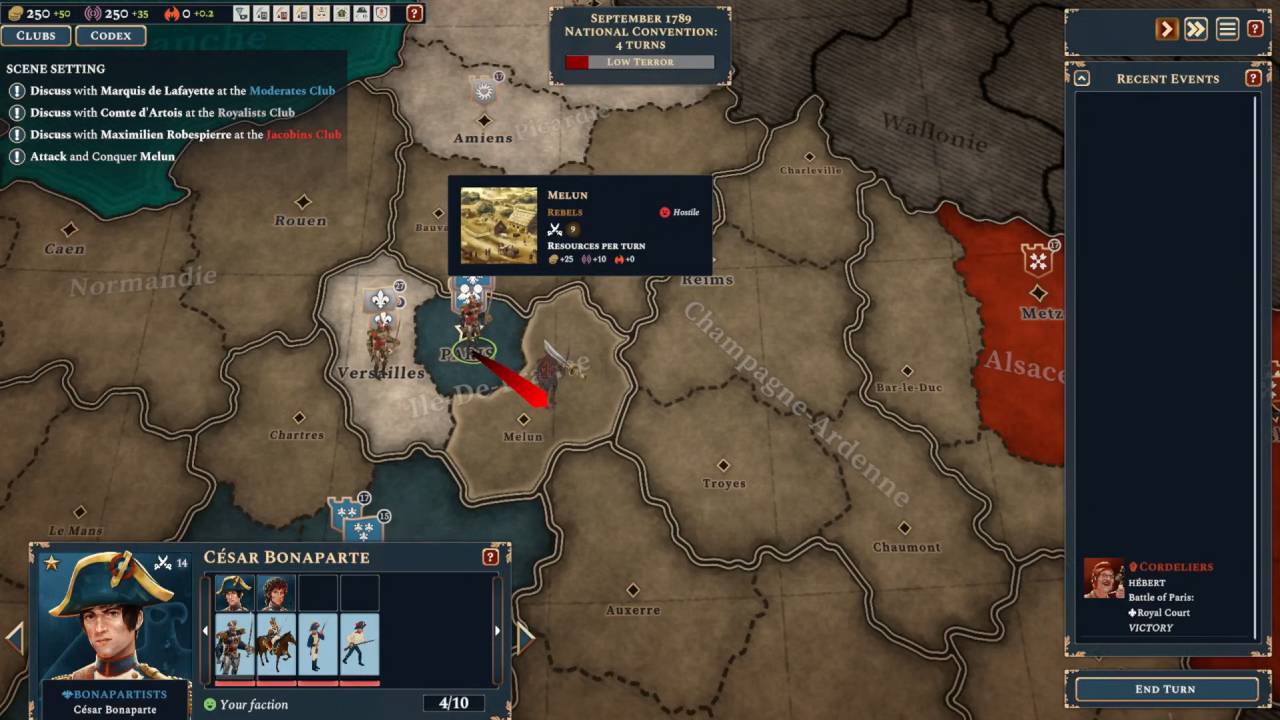
But there are some problems with the method. Sometimes, the UI hides important information, which makes it hard to figure out strengths, weaknesses, or external factors.
It's not always clear what to do, and the tutorial doesn't always do a good job of explaining how greater combat interactions work. Strategy fans who play a lot of games may get confused during multi-stage battles or battle triggers that are linked to regions but aren't clear.
Moving forward in Bonaparte – a Mechanized Revolution, political power and control of territory are more important than standard XP grinding. Depending on what you do, regions will change how loyal they are to you. These changes will open up new possibilities, such as more recruitment slots, better resources, new unit types, or political tools. The power you have over groups is kind of like a skill tree; it branches off into ideological paths that shape what you can do.
Even though XP isn't directly used to level up characters, players can feel their progress by gathering stronger units, unlocking new colossi versions, and gaining political power. The pace makes sure that progress is steady but not rushed. This gives you time to try out different types of leadership, such as authoritarian, diplomatic, opportunistic, or idealistic.
The style of Bonaparte - A Mechanized Revolution's visual identity goes more toward charm than realism. The game looks nice, with hand-drawn graphics and a clean UI. The battlefield parts have lots of animations and units that look like they are talking. It's the colossi that really stand out. Their oversized frames, pipes, gears, and steam-driven looks add a theatrical touch to the alternate history theme.
The map is well-organized and looks good, which makes it easy to find regions with different amounts of loyalty and conflict.
But even though the art style is nice, there are some UI problems that aren't related to the looks but to how clear they are. There is a lot of information that is spread out and not always easy to understand. This is especially true when trying to figure out city-states, group strength, loyalty percentages, or hidden political quest triggers.
The music in the movie is a mix of orchestral sounds and mechanical beats, with a style somewhere between classical European and industrial revolution rhythm. The music gives the experience a sense of excitement and forward motion without being too much. During battle, sounds like metal clanking, cannons firing, and colossi stomping give the landscape weight and presence.
Ambient cues on the campaign map change based on the stability of the political situation. These changes in sound can hint at trouble or victory. The sound design doesn't change the genre in any big way, but it serves every part of the experience with confidence and consistency.
Bonaparte - A Mechanized Revolution is a bold and unique take on strategy games set in the past. Its mix of political manipulation, managing regions, and turn-based combat makes for a deep experience that lives on being unpredictable and trying new things. Adding mechanical colossi doesn't take away from the game's historical roots; instead, it makes it more unique by adding a crazy new background that makes every battle feel new.
It would be nice if the UI and tutorials were simpler, but the game's main loop is fun, smart, and hard to stop playing. You have to make changes all the time because of politics, fights are fun because they require strategy, and the story gives each choice life. The game changes all the time.
Admin, NoobFeed
Verdict
A strange and ambitious alternate history strategy game with political systems, smart turn-based fights, and memorable giant robots. It's not perfect, but it's interesting; it offers a one-of-a-kind experience full of surprises and strategic depth.
68
Related News
No Data.