

DRAM Price-Fixing Lawsuit Targets Samsung, SK Hynix, Micron
Why a class-action case against Samsung, SK Hynix, and Micron might be the turning point this overpriced hobby desperately needs.
News by Adsey on Jun 30, 2026
If you've felt like gaming has become an increasingly unaffordable hobby lately, you're not imagining things, and now there's actual legal action that might back you up. A new DRAM price-fixing lawsuit has just been filed, and it's targeting three of the biggest names in memory manufacturing: Samsung, SK Hynix, and Micron. This isn't the first time something like this has happened, either.
Back in the 2000s, Samsung was caught red-handed fixing DRAM prices between 1999 and 2002, and ended up paying out $300 million in criminal penalties. So there's precedent here, and that's exactly why this new DRAM price-fixing lawsuit matters so much right now.
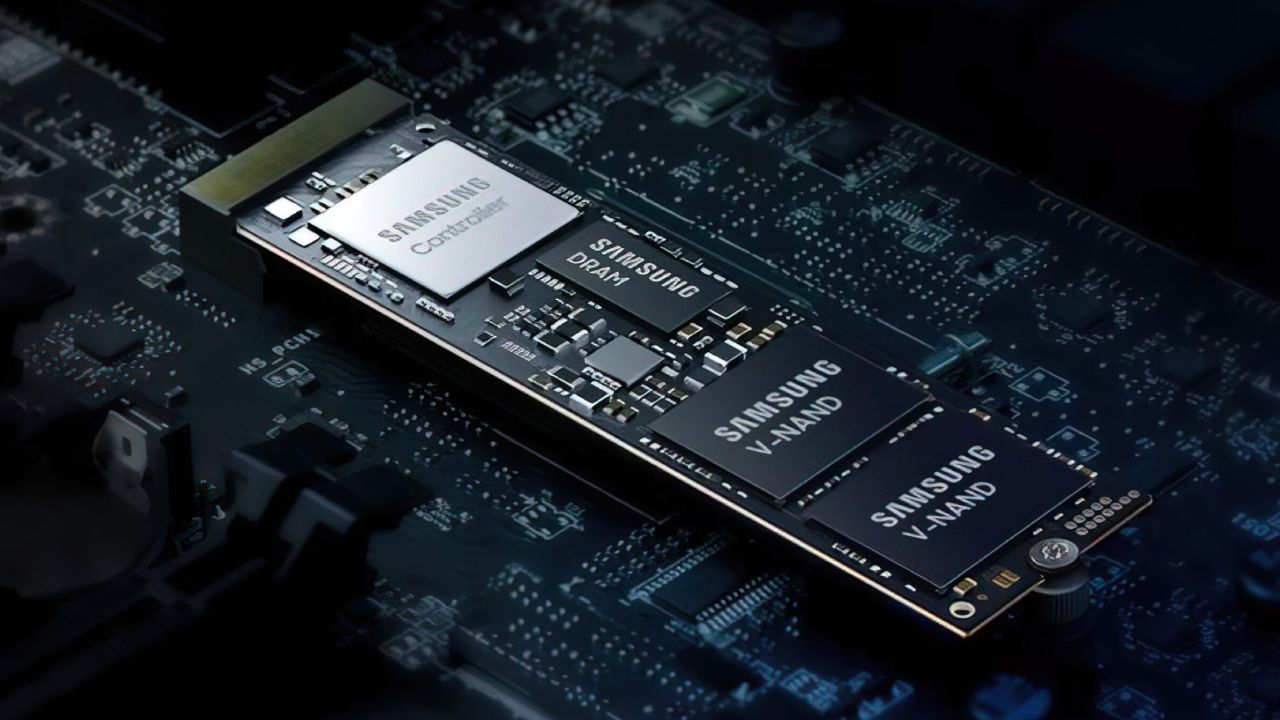
According to reporting, the people behind this case aren't industry insiders or anyone you'd recognize.
They're regular consumers, ordinary gamers who've apparently had enough and are pushing back through the courts. The DRAM price-fixing lawsuit alleges that Samsung, SK Hynix, and Micron worked together to deliberately restrict the supply of memory chips in order to drive prices upward. Whether or not actual collusion between the three companies can be proven remains to be seen, but the timing couldn't feel more relevant.
You only have to look at where the console industry is heading to understand why this matters. Unlike past console generations, where hardware traditionally got cheaper as the years went on, this current cycle has gone the opposite direction, with prices climbing instead of dropping. A huge factor in that shift is the AI boom, which has put massive pressure on memory supply chains.
There are already rumors swirling that the PlayStation 6 could cost close to $1,000 just to manufacture, and Steam Machine pricing is looking similarly brutal, with estimates floating around the £1,300 mark. None of that is good news if you're hoping to upgrade anytime soon, and it's part of why this DRAM price-fixing lawsuit feels like such a big deal.
The core accusation here is that these companies cut back production of DDR3 and DDR4 RAM, the kind used in everyday consumer devices, while shifting their focus toward HBM, a high-cost, high-bandwidth memory type that's in massive demand from AI data centers. In other words, you're paying more for less because manufacturers are chasing bigger profits from AI companies instead of prioritizing gamers and everyday consumers.
That's the heart of the DRAM price-fixing lawsuit, and if it holds up, it paints a pretty ugly picture of corporate greed taking priority over the people who've supported this industry for decades.
It's worth being honest that nobody knows for certain yet whether real coordination took place between Samsung, SK hynix, and Micron. This could simply be the foundation needed to get the case moving through the courts. But if the allegations turn out to be true, and the supply was really intentionally restricted to keep prices artificially high, it would confirm what a lot of people already suspect.
This industry is being squeezed dry by a handful of powerful suppliers who know exactly how much they can get away with. You don't have to look far to see the fallout already happening. XBOX, PlayStation, and Nintendo have all raised prices recently, and even the Switch 2 saw a price increase in Japan.
XBOX, in particular, seems to have struggled with securing components at reasonable prices, which has only made things worse for that platform. PlayStation reportedly handled things a bit better, and Nintendo prepared further in advance, though even they're starting to feel the strain now.

When you consider that just three companies essentially control the global memory supply, it becomes obvious how much leverage they hold over hardware pricing for everyone else. There's a bigger picture here too, beyond just this one DRAM price-fixing lawsuit.
Last week brought fresh frustration with GTA 6's pricing structure.
This includes a paywall tied to its Ultimate Edition, and combined with everything happening around next-gen consoles, it really does feel like gaming is approaching a breaking point. You might end up seeing buyer's remorse spread not just among players who invest in this next generation of hardware, but among the companies themselves, as they risk pricing out the very audience that's kept this industry alive for so long.
There's hope that legal pressure like this could force a bit of a reset, especially with game development budgets spiraling out of control and studio closures becoming far too common. Development timelines have ballooned dramatically compared to previous generations, and a shift toward smaller and mid-sized projects, similar to how Hollywood has adjusted away from relying solely on giant blockbusters, could be exactly what this industry needs going forward.
History does offer a bit of reassurance here. When the original XBOX One reveal went badly, it set off a chain reaction that arguably cost Microsoft an entire console generation, proving that consumer backlash genuinely can reshape corporate decisions. So there's reason to believe that if enough people get fed up, real change can follow, especially with a DRAM price-fixing lawsuit now putting these manufacturers under a microscope.
There's also something deeper going on beneath all of this, tied to a long-standing idea floated by Jeff Bezos, who once suggested that computing power and memory should eventually be rented through the cloud rather than owned outright. The direction these price hikes are pushing things feels uncomfortably close to that vision.
It's almost like companies want hardware ownership to become so unaffordable that subscription and rental models become the default option instead.
Ubisoft made headlines a while back for essentially telling players to get used to not owning their games, only licensing access to them, and the broader industry seems to be nudging consumers in that same direction. That said, plenty of people likely won't go along with it easily, simply because ownership habits have been ingrained in gaming culture for so long.
Still, there's a generational divide worth acknowledging. Younger gamers who've grown up with subscription services and digital-only libraries may not feel the same attachment to physical ownership that older generations do, having never really experienced gaming any other way.
At the end of the day, there's a particularly frustrating contradiction running through all of this. Plenty of publishers complaining about rising hardware and production costs are simultaneously investing heavily in generative AI tools to cut expenses, the very technology that's driving up RAM demand and prices in the first place.
It's a cycle that ends up punishing consumers twice over, once through inflated hardware costs and again through the AI-driven shortcuts increasingly baked into game development itself. Whether or not this DRAM price-fixing lawsuit ultimately proves that Samsung, SK Hynix, and Micron deliberately manipulated supply, it's already sparked a much-needed conversation about where this industry is headed and who's really paying the price for it.
If nothing else, it's a reminder that consumers do have power, and legal accountability like this DRAM price-fixing lawsuit might be one of the few tools capable of forcing real change before gaming prices themselves out of reach entirely.
Editor, NoobFeed
Related News
No Data.