
DRAGON QUEST I & II HD-2D Remake Review
Nintendo Switch 2
A legendary return to the roots of JRPG history.
Reviewed by Wasbir Sadat on Oct 30, 2025
Since Dragon Quest XII is nowhere to be found, Square Enix went back to the series' roots and looked into the history of not only Dragon Quest but also RPGs in general. Many people believe that Dragon Quest, initially released in the West as Dragon Warrior, was the first true Japanese RPG.
It set the rules and norms for the genre for decades. Its follow-up, Dragon Quest II, built on this tradition with a bigger and more complicated story. These two games, together, make up the legendary Erdrick legacy. Fans were curious about what would happen to the first two games after Dragon Quest III HD-2D Remake came out last year.
.jpg)
Square Enix kept the project a secret for several years, which led to rumors that it might have been canceled or had development issues. When DRAGON QUEST I & II HD-2D Remake was finally shown, those questions were answered, and it was clear that the wait was worth it.
Not only do these remakes stay true to the original games, but they also update them in ways that make them playable by current audiences. The fact that the developers chose to grow, reframe, and update these old classics shows that they really care about the originals.
The original Dragon Quest I had a lone hero, simple storylines, and plain graphics. DRAGON QUEST I & II HD-2D Remake includes additional characters, more complicated stories, better combat, and superb visuals.
Also, Dragon Quest II gets a big upgrade that makes the plot better, adds new material, and makes the gameplay better, making it seem more like a contemporary RPG while yet staying loyal to its 8-bit gaming origins.
When care and modern craftsmanship are used, even the oldest legends can feel epic.
The plots of these two remakes are similar to the originals, but they are expanded in important ways. Dragon Quest I picks up many years after Dragon Quest III. It follows a single hero who has to beat the Dragonlord and save Princess Gwaelin.
The original game didn't have many story beats—for instance, finding an Erdrick tablet in a cave was just a simple fetch task. But in DRAGON QUEST I & II HD-2D Remake, these moments are given more weight by adding new scenes, characters, and subtle story clues. Princess Gwaelin herself gets more attention, which makes conversations more emotional.
The story in Dragon Quest II is much bigger than in the first game. It takes place approximately a hundred years after Dragon Quest I. It revolves around the Prince of Midenhall and his cousins from nearby kingdoms, who work together to stop the evil wizard Hargon.
.jpg)
With these changes, the remake feels more like an RPG from the 16-bit age, but it still has the simple charm of the original.
Now, each character is more present and has their own special skills and storylines that connect and connect the group emotionally. DRAGON QUEST I & II HD-2D Remake adds new parts to the story, like longer cutscenes and side quests that connect them more closely to the Erdrick series as a whole.
These features make it possible for the remakes to build up the world more without being too much. Small details, such as voice-acted dialogue, cinematic moments during boss fights, and more meaningful encounters with NPCs, add to the story's focus on family, history, and bravery.
The HD-2D remakes transform simple quests into rich stories of courage, legacy, and discovery.
At their heart, DRAGON QUEST I & II HD-2D Remake are very similar to the original Dragon Quest. You explore overworlds and dungeons, find treasure, fight monsters, and gradually get better gear and skills. Dragon Quest I still has a solo-hero mode, but it now has battles with more than one enemy, spells and abilities from later games, and better fighting mechanics.
The fights are now more tactical, but they are still as simple as they were in the original. Because Dragon Quest II is played with a group, these changes make it even better. Each of the predefined characters has their own spells and skills, so you can make strategies based on how their roles support each other.
The expanded Sigil system introduces a tactical layer that wasn't present in the original game, featuring passive boosts and character customization options. These changes make the fighting feel more deliberate and less repetitive, and they reward players who plan ahead.
In DRAGON QUEST I & II HD-2D Remake, quality-of-life improvements are important. During a game, players can adjust the difficulty level, speed up fights, or enable autosave. Some of the rough spots in the original releases have been addressed in these updates, but the main task remains unchanged.
For those who want a tougher experience, modes like "Draconian Quest" increase the difficulty. On the other hand, "Dracie Quest" makes things almost impossible to lose in a less serious game. Notably, DRAGON QUEST I & II HD-2D Remake also fixes problems with the speed that were present in the originals.
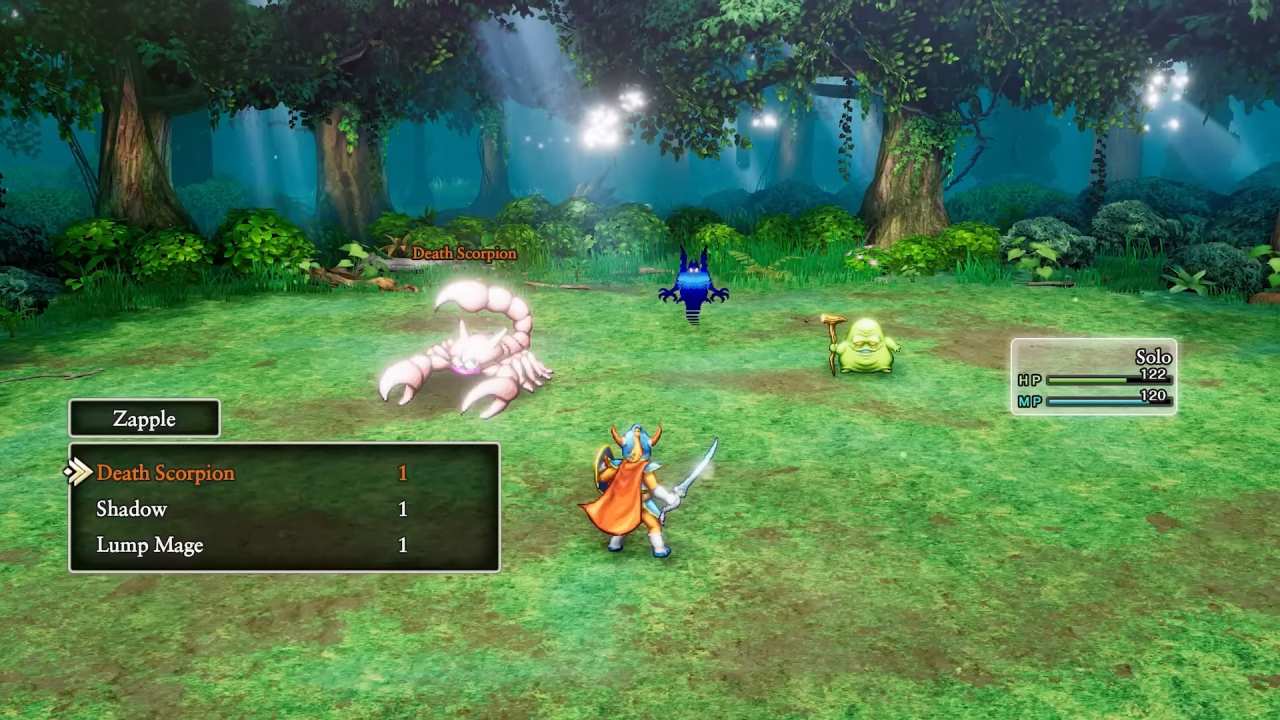
Multi-mob battles in Dragon Quest I, better dungeon layouts in Dragon Quest II, and the option to quickly move around the world all make the game feel less repetitive while still letting you enjoy exploring. Some purists might be upset that there is less backtracking tension, but these changes make the games a lot easier for current players to understand.
Modern comforts meet classic challenge, making an experience that is both familiar and new.
Combat remains turn-based, and each fight requires careful planning based on resources, skills, and the party's current position. In Dragon Quest I, every level up and gift you get has a big effect on your solo hero, so even small wins feel good. Dragon Quest II adds a full group of heroes, which lets you do combo attacks, use spells strategically, and work together better against bosses.
Even though there aren't many traditional puzzles in DRAGON QUEST I & II HD-2D Remake, the main challenge comes from exploring and finding clues in the surroundings. To move forward, players need to pay attention to what NPCs say, what items say, and other small clues in the world.
This design makes me think of a Dungeons & Dragons game, where success depends on logic, curiosity, and careful observation rather than clear instructions. Getting XP and gold are still important. There is a reason for grinding; each battle helps your character grow, and you get more resources.
Dragon Quest I lets the solo hero feel like they're getting better, while Dragon Quest II's party system lets you level up, handle your gear, and fight strategically in different ways. There are optional challenge and quality-of-life features that make grinding even more fun and less boring.
Every battle and quest feels like it has a purpose; progress is felt, not forced.
The DRAGON QUEST I & II HD-2D Remake raises the bar for how well Nintendo games look. The HD-2D engine combines sprite art reminiscent of Toriyama's design with modern lighting, shadows, and particle effects. Every setting, from the tiniest town to the darkest cave, is carefully crafted with great care.
Towns are full of life and color, and dungeons are dark and mysterious. At 60 fps, the performance is smooth, and a quality mode is available that can be toggled on or off for enhanced clarity. DRAGON QUEST I & II HD-2D Remake looks great even in performance mode, with great lighting, reflections, and movements.
.jpg)
The remakes feel alive and current while retaining the charm of the original 8-bit games. They are a big step up from Dragon Quest III on the original Switch. The new look also enhances the stories. Even the simplest moments are memorable, thanks to cinematic camera angles, expressive character faces, and enemies that move and interact with their surroundings.
With these visual changes, players can not only revisit old worlds but also experience them in a new way, with more color, depth, and personality than the original hardware could ever achieve.
Alefgard and its kingdoms have never looked so alive—like they were born again in stunning HD.
The music, played by the Tokyo Metropolitan Orchestra, takes the world-building to a whole new level. Classic themes are reimagined with orchestral arrangements that retain the charm of the originals while enhancing the immersive experience. Each town, dungeon, and overworld location has its own unique musical theme that contributes to the overall mood and atmosphere.
Voice acting, which wasn't in the originals, makes the characters feel more real. Voice acting gives encounters life and importance, from the hero's silent determination to the party members' distinct personalities. The sound design, which adds better sound effects for spells, combat, and ambient signals, works well with the images to provide a world that seems full and interesting.
The sound design also guides DRAGON QUEST I & II HD-2D Remake in a subtle way. Providing feedback without disrupting the mood, cues indicate the location of hidden items, the types of enemies present, and the dangers in the surroundings. This creates a rich, storybook-like experience for players who use headphones, pulling them fully into Alefgard and beyond.
Every note takes you into a living, breathing world, from battle cries to orchestral melodies.
The DRAGON QUEST I & II HD-2D Remake does something that not many remakes can: it keeps the heart and spirit of great games from decades ago while making them more modern for modern play. Dragon Quest I's solo adventure feels tighter, more purposeful, and emotionally satisfying than ever.
However, Dragon Quest II's bigger story, party system, and better gameplay make it probably the better game. They work well together to make a package that honors the Erdrick trilogy and the past of JRPGs. DRAGON QUEST I & II HD-2D Remake is great because they are both easy to play and hard.
For newcomers to the series, quality-of-life features, visual cues, and different difficulty modes are helpful. For veterans, strategic turn-based fights, exploration, and grinding feel more like the real thing. Even longtime fans will find something new to enjoy now that there are more storylines, new spells, and battles between multiple mobs.
.jpg)
This is the best version of both games, with stunning HD-2D graphics and an orchestral soundtrack, as well as careful changes to the gameplay and longer stories. It's more than just a trip down memory lane; it's a fresh take on two great adventures that helped define a genre. The remakes show that even games that are decades old can be great with the right care, innovation, and attention to detail.
Square Enix has shown that even the oldest stories can feel new again with respect, vision, and skill.
Overall, DRAGON QUEST I & II HD-2D Remake is a success. It's a celebration of history, stories, and new ways to play. Both old and new fans of the series will get lost in the adventures of Erdrick's descendants as they explore colorful worlds, solve puzzles and fights, and enjoy a carefully made journey that feels both familiar and new.
This package isn't just a remake; it's the best Dragon Quest experience ever, with beautiful graphics, fun gameplay, great music, and a strong storyline.
Contributor, NoobFeed
Verdict
DRAGON QUEST I & II HD-2D Remake modernizes two genre-defining classics with stunning visuals, refined gameplay, and expanded narratives. It balances nostalgia and accessibility, delivering a definitive, engaging, and unforgettable JRPG experience.
92
Related News
No Data.