
Company of Heroes 3: Dare & Destroy Review
PC
Company of Heroes 3: Dare & Destroy expands the RTS with four aggressive new battle groups, improved multiplayer variety, and more tactical options.
Reviewed by Tahmid Mahi on May 18, 2026
Long-time fans of the series had mixed feelings when Company of Heroes 3 was released in 2023. Relic Entertainment had already built a remarkable reputation with the previous Company of Heroes games, especially Company of Heroes 2, which many gamers still consider the best World War II RTS game to this day.
Expectations were high, as the franchise had always combined cinematic warfare and tactical squad management in a way that few strategy games could match. Unfortunately, many players felt that the launch version of Company of Heroes 3 was lacking content, with fewer units and several gameplay systems that lacked depth.
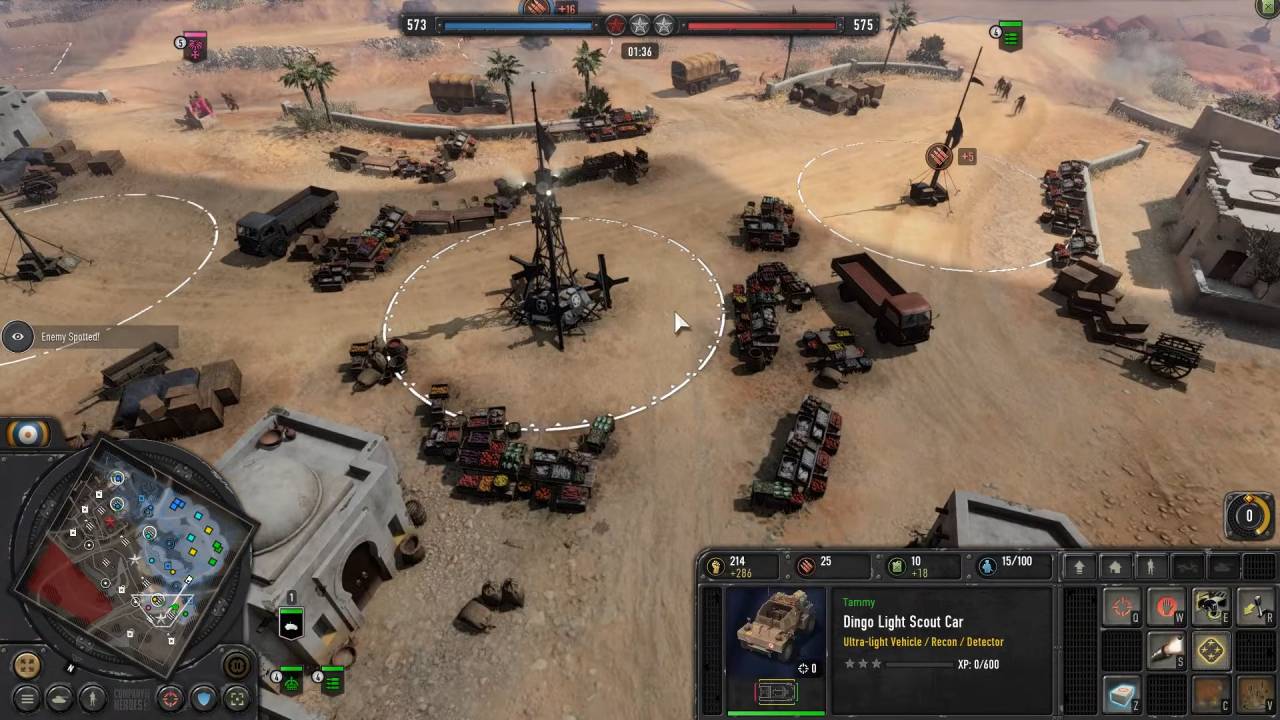
Over the last few years, though, the game has slowly improved through updates, balance changes, and additional content.
Relic spent time fixing AI behavior, improving visuals, adjusting unit balance, and polishing gameplay mechanics that felt rough at release. The arrival of the Dare & Destroy DLC feels like another important step in that recovery process because it adds four new battlegroups that significantly expand how the multiplayer and skirmish modes play.
While the game still carries some of the same problems it launched with, Dare & Destroy gives Company of Heroes 3 more personality and more strategic variety than it had before. It also pushes multiplayer matches into more aggressive, unpredictable territory, making each battlegroup feel more unique.
Company of Heroes 3 still centers around two main campaigns, and Dare & Destroy mostly focuses on improving the broader gameplay experience rather than adding a massive new story. The first campaign is located in North Africa and follows the German Afrika Korps during the 1942 campaign against the British forces.
You travel to places like Ajdabiya and El Alamein, fighting defensive battles, attacks, convoy ambushes, and giant battles on the battlefield. The campaign tries to provide a more down-to-earth tone, with cutscenes involving the experiences of a Jewish family living through both German and British occupation in Benghazi.
The North African campaign is best when it sticks to simple RTS skirmishes rather than overthinking. Missions usually give you optional objectives alongside the main goals, which helps battles feel slightly more dynamic even when the overall structure remains familiar. Meanwhile, the campaign finishes surprisingly quickly and never really reaches the scale or emotional impact of Company of Heroes 1.
The second campaign shifts the focus to Italy and mixes turn-based strategy with real-time combat in a style similar to the Total War series. You command British and American forces across a strategic map while capturing towns, securing ports, managing supplies, and moving companies across enemy territory.
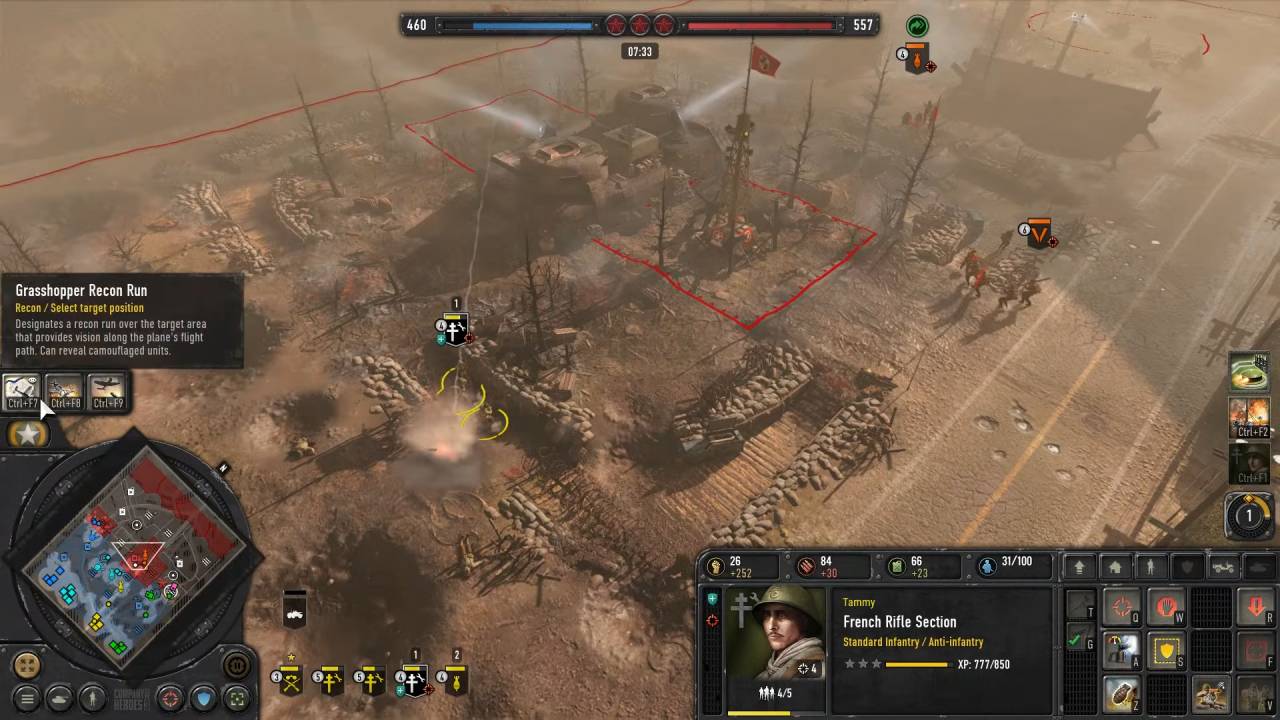
The larger campaign includes naval support, aircraft management, partisan networks, and loyalty systems tied to several military advisors. While the Italian campaign introduces more mechanics than the North African story, it still feels lighter than full grand strategy games and never completely delivers on its ambitious setup.
In Company of Heroes 3, you spend most of your time in skirmish battles, where map control matters more than simply destroying enemy units.
You capture resource points scattered across maps to gain manpower, fuel, and munitions, which allow you to expand your army throughout the match. Victory usually depends on holding enough strategic points long enough to drain your opponent’s victory tickets before they drain yours.
The core gameplay loop is still about infantry squads supported by vehicles, artillery, and specialized support units. Infantry can garrison buildings for protection, build sandbag cover, breach enemy-held structures, and retreat back to base when fights get too dangerous. This keeps most engagements focused on smart positioning and timing.
Vehicles include light reconnaissance units and tanks like Shermans, Tigers, Panzer IVs, Churchills, and Matildas, but the vehicle roster still appears to be smaller than in the bigger World War 2 strategy games. The game constantly pushes you to manage several small engagements at once instead of relying on massive armies moving together as a single force.
One of the biggest additions in Company of Heroes 3 is the battlegroup system, replacing older doctrine systems from previous games. Battlegroups are specialized tech trees, which unlock unique units, off-map abilities, and bonuses during a match. Some battlegroups are very infantry-heavy; others are more about supporting mechanized warfare, or defensive playstyles, or airborne tactics.
The Wehrmacht Siege Breaker battlegroup focuses on improving infantry utility and offensive pressure. Abilities like Into the Breach encourage aggressive flanking, and specialized equipment upgrades make infantry blobs more effective when carefully managed. The DAK Elite Forces battlegroup strengthens medium armor and late-game tank pushes by improving Panzer units.
The US Free French and UK Special Service battlegroups are probably the standout additions in the DLC because they bring extremely aggressive playstyles into multiplayer matches.
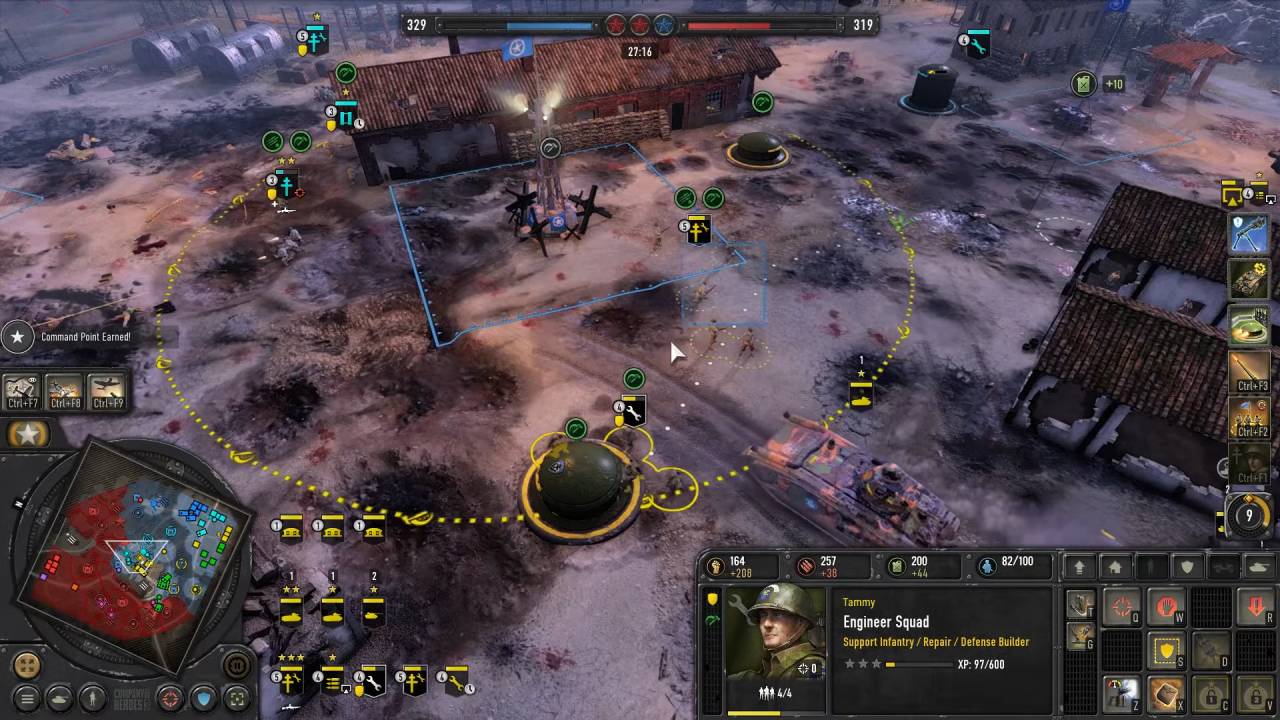
The Free French group rewards fast infantry pressure, fortification spam, and durable heavy tanks that can dominate extended fights. Meanwhile, the UK Special Service battlegroup leans heavily into commando tactics, with units capable of destroying territory points, harassing vehicles, and overwhelming enemies through mobility.
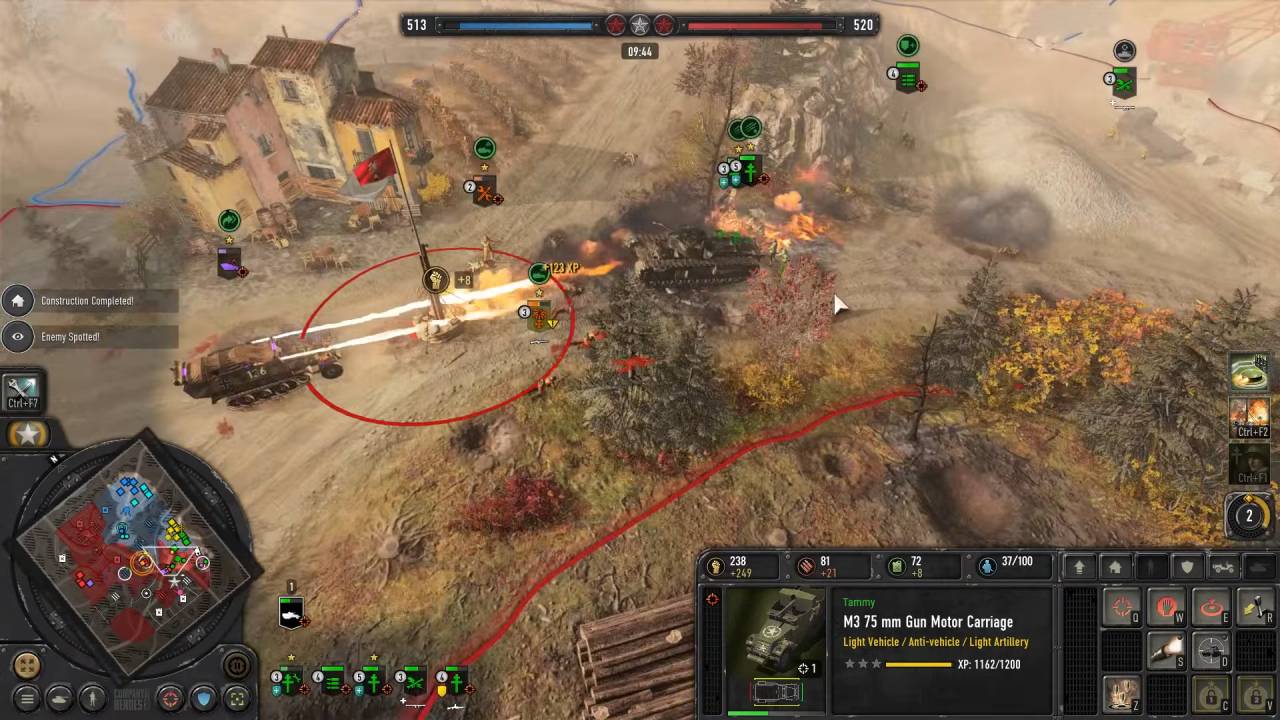
Combat in Company of Heroes 3 is still all about positioning, using cover, and combined arms tactics, not just spamming units. Infantry squads work best when they have cover, like sandbags, craters, walls, wrecked vehicles, or rubble from collapsed buildings. Tanks and explosives can quickly clear enemy cover, so the battlefield keeps shifting during a match.
The destruction system remains one of the game's strongest features because nearly every battle permanently changes the map. Artillery fire collapses buildings, tanks smash walls, and explosions leave craters that become new defensive positions for infantry. Some even have breach capabilities, meaning they can storm buildings and clear out enemy squads.
These mechanics keep fights fluid and prevent static stalemates around fortifications.
But there are some issues with the combat system that don't quite stand up to Company of Heroes 2. The smaller unit roster means some factions can get repetitive after long sessions, especially if you don’t buy any DLC content. The tactical depth is still there, but some long-time fans feel the game lacks the grit and intensity of past entries in the series.
Some visual effects and UI elements also have a brighter, more colorful style that doesn't always fit the harsher tone many players expect from a World War II RTS. This approach makes the battlefield feel a bit less gritty compared to earlier entries in the series. Therefore, enhancing the gaming experience.
Progression primarily comes from squad veterancy and battlegroup development during matches. Infantry squads earn experience for surviving battles and getting kills, unlocking upgrades that increase movement speed, damage, or utility abilities. This encourages you to keep experienced units instead of constantly replacing them.
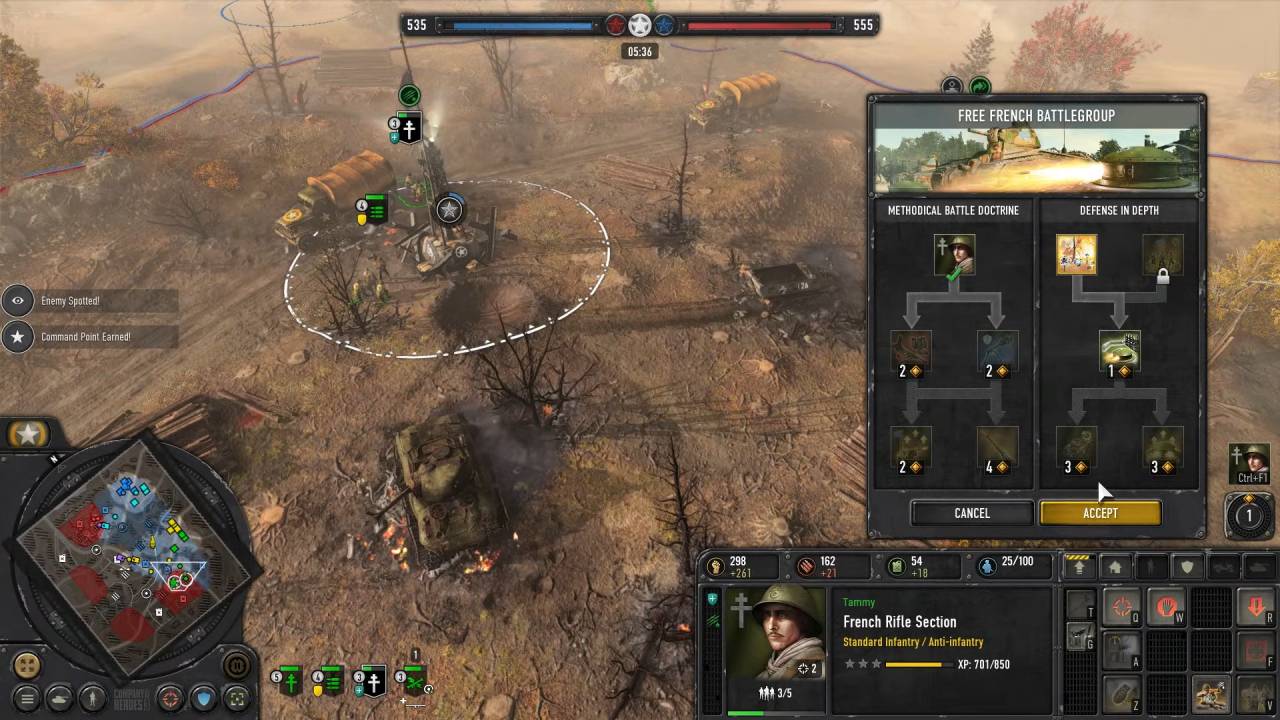
Keeping squads alive becomes critical because experienced units can entirely change the momentum of a fight once upgraded. Outside individual matches, players can also complete challenges to earn Merit currency used to unlock cosmetics and battlegroups, though the grind can feel slow enough that some players may prefer spending real money instead.
Visually, Company of Heroes 3 looks much better now than it did at launch.
The brighter art direction still divides opinion, but environmental detail, lighting, destruction effects, and unit models have improved significantly over time. Battles across North African deserts and Italian villages often look cinematic once artillery starts leveling buildings and tanks begin tearing through defensive lines.
The downside is that the cleaner visual style sometimes removes some of the atmosphere that made earlier Company of Heroes games memorable. Company of Heroes 2 still feels grittier and harsher in terms of presentation, while Company of Heroes 3 occasionally looks closer to a stylized war movie instead of a desperate battlefield.
Some players have even compared the presentation to a “Disney version” of World War 2 because of the brighter colors and softer visual tone. Whether that bothers you will depend entirely on what you expect from a World War II strategy game. For others, it just makes the action easier to read during big, chaotic battles.
The sound design is generally solid and effectively sells the chaos of combat. Explosions sound heavy, artillery strikes hit with impact, and vehicles produce enough battlefield noise to make large engagements feel intense. Units stay involved in combat thanks to voice lines and battlefield chatter, and the soundtrack is mostly just in the background.
Although the audio does not completely carry the same emotional weight as earlier entries, it still supports the action well enough throughout both campaigns and multiplayer matches. It helps keep the battlefield readable while still adding impact to major explosions and unit clashes.
Company of Heroes 3: Dare & Destroy does not completely reinvent the game, but it gives the RTS a stronger identity than it had at launch. The new battlegroups add more strategic options, encourage different playstyles, and make multiplayer feel less repetitive than before. Relic has clearly spent the last few years trying to repair the game’s reputation, and the improvements are noticeable once you compare the current version to the original release.
That said, several problems remain difficult to ignore. The base game still feels slightly light on content compared to earlier Company of Heroes titles, and the DLC structure makes the overall package pricier than many players would like. As a result, Gamers are hesitant to invest in the game.
The campaigns have their fun moments, but they never quite reach the cinematic highs or strategic depth of the earlier games in the series. That said, if you like tactical RTS combat that rewards positioning, squad management, and quick battlefield decision-making, Company of Heroes 3 is finally getting easier to recommend, especially on sale.
Editor, NoobFeed
Verdict
Company of Heroes 3: Dare & Destroy adds a lot of meaningful variety and enhances multiplayer depth, but the game still feels overpriced without discounts or bundled DLC.
53
Related News
No Data.