
Dispatch Review
PC
When heroes hang up their capes, the real adventure begins.
Reviewed by Azfar Rayan on Oct 23, 2025
If you've ever wondered what happens when superheroes hang up the cape and try to live a normal life, Dispatch might just give you an answer. This isn't your standard "save the world" story where the stakes are always epic battles and Avengers-level threats all around. Instead, Dispatch dives into the aftermath of heroism—the quieter moments of life after the explosions fade and the city is safe.
Here, the hero has to pay rent, fix a busted mech suit, and navigate office politics that would put Michael Scott to shame. The game's episodic structure is what caught my eye first. AdHoc, the studio behind Dispatch, was founded in 2018 by former Telltale talent, many of whom helped create genre-defining titles such as The Walking Dead, The Wolf Among Us, and Tales from the Borderlands.
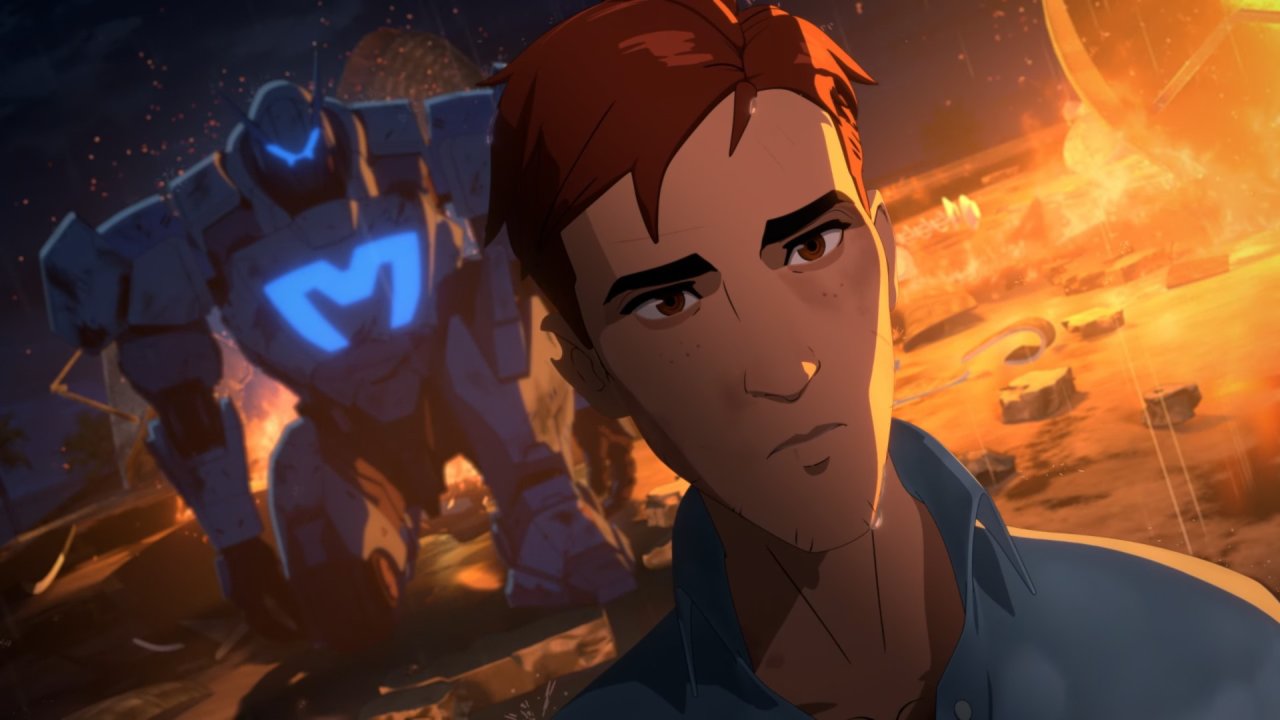
Carrying the legacy and lessons of Telltale, Dispatch avoids the pitfalls that sank its predecessor: engine issues, delays, and inconsistency. Instead, it presents a cinematic experience with a clear focus on story and gameplay. At its core, Dispatch is about relationships—both personal and professional. You manage heroes with clashing personalities and balance the chaos of superhero emergencies.
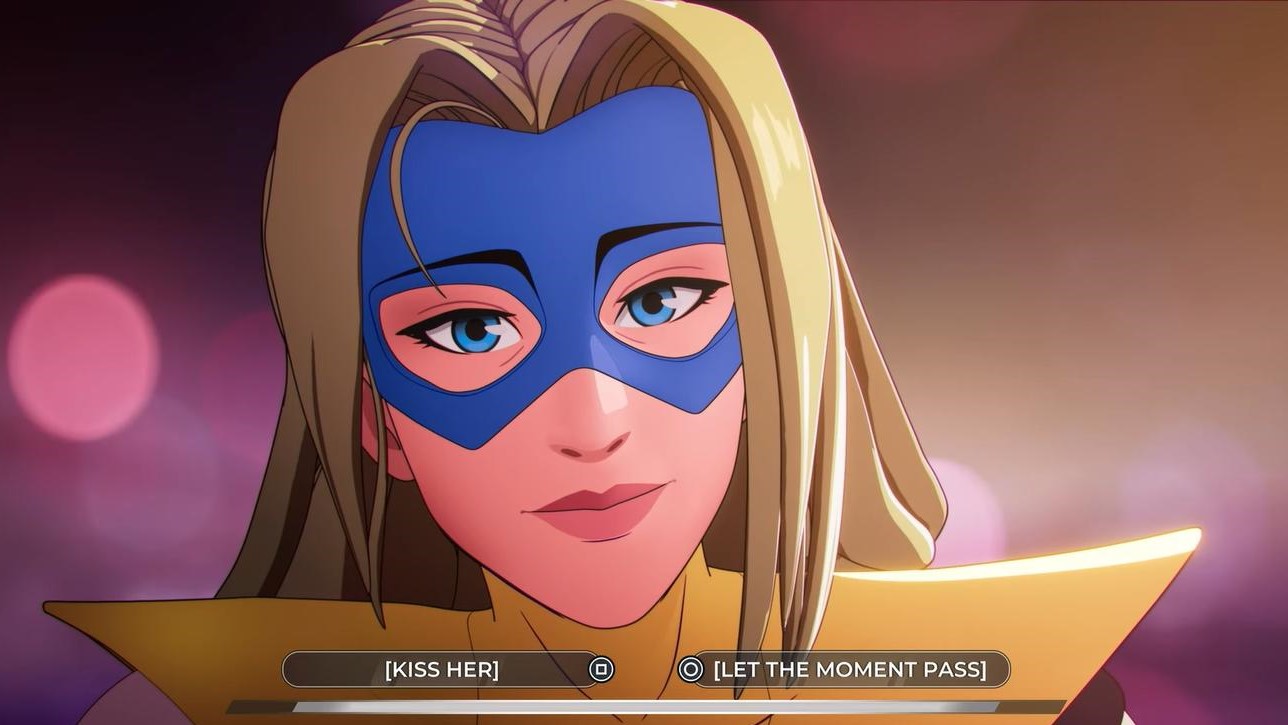
You'll witness friendships form, rivalries flare, and even the possibility of romance. Choices matter not just for success in the field but for how characters interact with one another. Send two incompatible heroes on a mission, and you may face unintended consequences, making every decision engaging and layered.
The combination of narrative, humor, and gameplay innovation sets Dispatch apart as more than just a superhero story—it's a human story. The humor is sharp and often adult, the drama heartfelt, and the stakes as real as it gets. It feels like an evolution of the genre that Telltale helped pioneer.
At the heart of Dispatch is Robert Robertson III, formerly known as Mecha Man, a superhero whose glory days are behind him. Once a mech-punching powerhouse, Robert now finds himself grounded (literally) after a catastrophic battle leaves his suit in ruins.
But instead of disappearing into obscurity, he lands a desk job as a dispatcher for other heroes (Mr. Incredible of gaming). And this isn't your typical superhero team he's managing; these are reformed criminals, part of a government program called Phoenix that turns villains into anti-heroes.
Essentially, Robert has babysitting powers, which is somehow even more engaging than it sounds.
The story kicks off strong, leaning into the "fallen hero trying to rebuild" archetype perfectly. Robert is sarcastic, fatigued, and plainly not very good at being a hero anymore. The days of fighting giant monsters in mechs are over. The story starts out with a lot of stress. Will Robert ever get back his Mecha Man identity? That's for you to "send." One thing that stands out about Dispatch is how it blends funny and serious things.
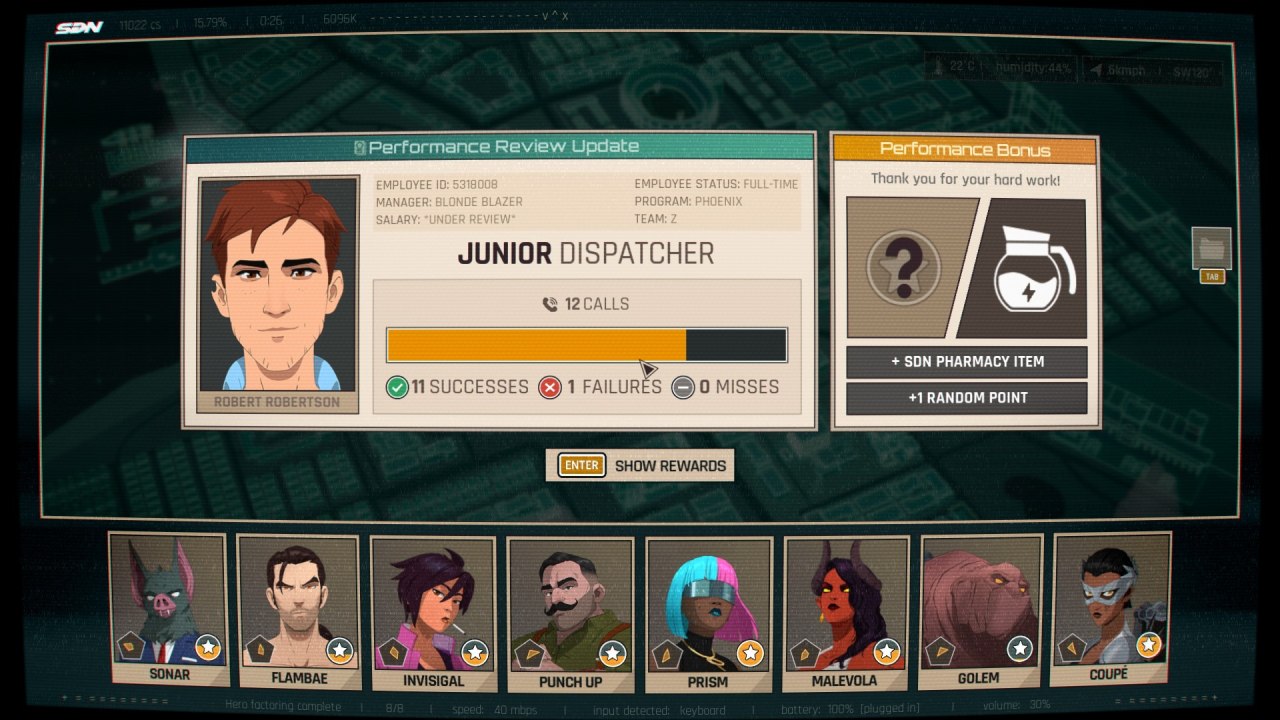
There are small, relatable moments, like Robert struggling with office bureaucracy. It's like The Office meets The Boys, but with more clicking and less gore. The demo alone pulls players in with these intriguing setups, showcasing characters who feel alive and, more importantly, flawed.
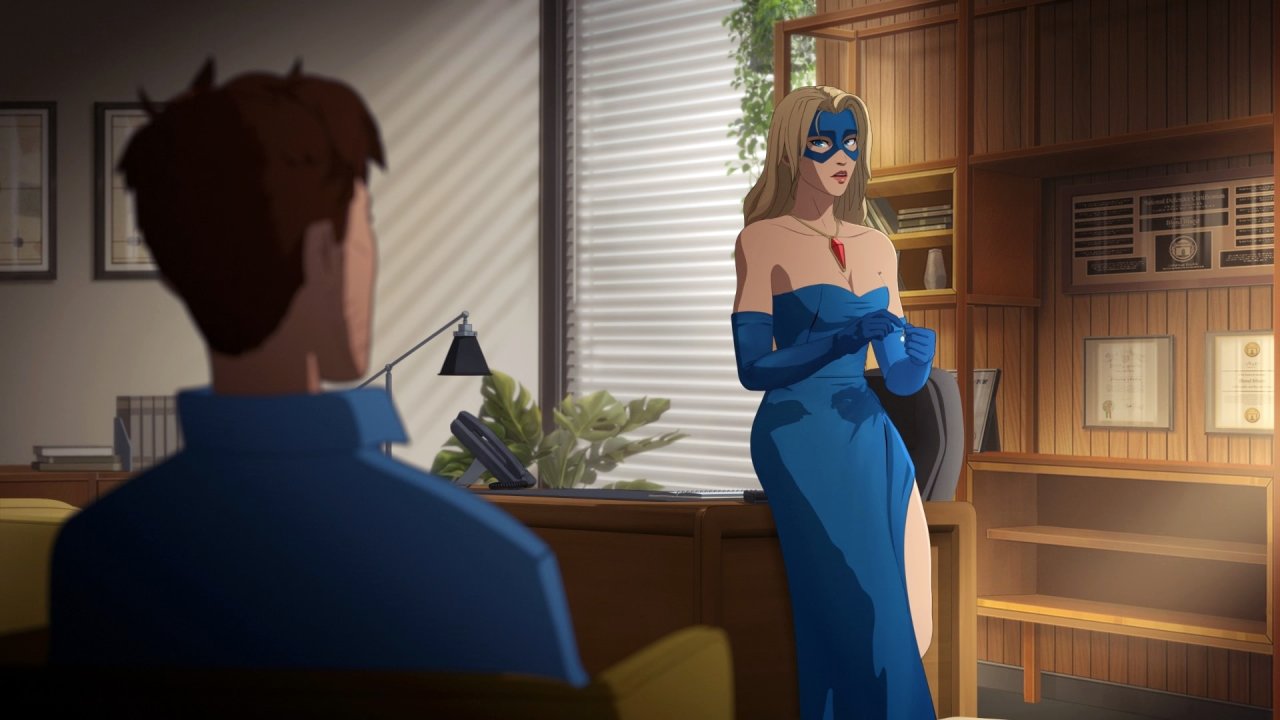
Now, the gameplay is a strategy game with a dating-sim layer on top. Basically, the game is split into three major sections. The first is your average Telltale, where you are given a story in an anime style. Instead of the third-person "bump into everything in a local game world and hit the A button to see if it is interactive" style that we have seen in previous games, you are watching an anime or cartoon as it happens.
What really makes Dispatch stand out is the addition of unique management gameplay, which is done through your job at the Superhero Dispatch Network, or SDN, emphasizing your ability to manage relationships.
Your role at SDN is to dispatch heroes across the city as needed, but you are tasked with looking after the worst of the worst—eight misfits or supervillains who are given a chance at breaking good.
During your shift, problems break out across the city constantly. From a cat getting stuck in a tree to a billionaire needing a superhero presence or even a kaiju attack, each hero begins the game with a preset set of skills, including strength, mobility, and intellect, just to name a few. Your job is to send out heroes who are best equipped to handle each task based on their skill set. If you succeed, the heroes get an XP bonus, and with enough XP, you can upgrade them.
The choice becomes yours to either create a team of well-rounded individuals ready for anything or to create superheroes who only excel at a few things. It's not as easy as it sounds because you are constantly spinning plates, as heroes will either be out on jobs or recovering from their last one.
Robert will also occasionally need to help out these heroes with his technical fluency. This is done through hacking-style mini-games that feel inspired by Helldivers, using its D-pad mechanic. Accessing security cameras or turning on an alarm system to help catch thieves like Pokémon is enjoyable. The ones that really excelled featured a timer or had firewall protection, which felt the most exhilarating.
As crimes open up around the city, you send each one of these heroes to fill these. Sometimes a crime only has one hero, two; sometimes, three that you can send. Each crime also has a tag word that goes with it. For example, escorting would most likely require defensive skills, while talking someone down is, of course, a social skill.
Mixing, merging, and understanding who to send where for what success is the name of the game here. And yes, you can fail. You have the usual narrative branches. You also have conversations, choices, and consequences, but layered with the actual strategic system occurring at the same time. The city lights up with crimes, crises, and PR disasters, and you are the one assigning who goes and what strengths you send.
Every hero who has those stats may also not get along with somebody else, or may love working with somebody else. So, you have to balance that.
The best part is that the tasks change as you play. A job as an escort might turn into sabotage. A PR cleansing might turn into a therapy session. You are always second-guessing, shouting at the RNG gods, and re-evaluating since every accomplishment might turn into a failure. Heroes may be hurt, refuse to work together, or, as I stated, leave in the middle of a session because their ex came up.
You do not control the superheroes here, really. You manage them like you're managing a football club. Each time you complete a mission, you then get to see your success rate, and you get to see an overlay of the actual stats you have sent in the form of the heroes on top of the requirements of the mission.
And then you have a little ball that bounces around inside your mission parameters. And if the ball lands in the areas where they overlap, you win. So, for instance, if a cerebral ability was needed for a crime and it was very high, like a five, and you had a three, you would only have a smaller chance of succeeding. And as this randomizer bounces around like a pool ball, you hope that it falls within one of those areas. So that is why understanding which hero to send is important.

Also, you need to keep track of the special skills that you get to learn and discover from your heroes as you continue to play the game.
For example, you might have one whose special trait is that he is not the strongest, the fastest, or the smartest. It is that he does not actually stop fighting after he is hurt twice, like an in-game Deadpool. He just keeps going and doesn't lose stats when he is hurt, unlike the other characters.
The brilliance here is the missions, as I said, evolve mid-run, and all those mixings work together well. But there is also something else that can come up both in the main storyline areas and in the actual missions themselves: hacking. And I have to give AdHoc their flowers on this. The hacking here is not necessarily complex.
Hacking revolves around you moving a digital hack through a different security system each time you jump in. When you get to bridge-like nodes, you enter directional codes to get by them. So it is like up, down, down, down, left, or something like that. Then that node will open up, and you can move through. But complexity increases quickly, with some nodes used multiple times to open different bridges and navigate more puzzle-like situations.
So you may have to get all the way to the top of a map, activate one of those construction nodes, and then get a key from that location, which you do not memorize, by the way. You have to write it down or memorize it, then go to a different place and do the same thing. You have to put those codes together to open a key door later on in the game world.
It is just a little bit of fun and helps break up the monotony. Another area that breaks that up is the security systems that some defenses have. As you move around the game level, a security system may occasionally activate and follow you around. If you are clever enough to plan around it, you can lock the intruder defender behind one of the bridges, but you can also try to reach the end as fast as you can, and maybe just avoid them. It is just complex enough, and it reminds you somewhat of the overworld map section of the game.
And those sections can overlap. So, you might be watching a hero do a normal mission, and then they run into a conflict or a crisis, and you can jump in, hack a camera, and help that character.
Visually, Dispatch is a treat. The animation design makes it seem more like watching an interactive anime series than playing a game. The lighting, character movement, and everything else are perfect, and the expressive expressions and body language tell the narrative without any effort. Robert's deadpan, world-weary tone is spot-on and fits the story's comedy and aggravation well.
And the voice acting is top-tier, led by Aaron Paul, Jeffrey Wright, Aaron Evette, and Laura Bailey, delivering performances that elevate the story and bring depth to every character. It's obvious the budget prioritized presentation, and it shows. Voice delivery, sound design, and animation blend together to make the game world feel heroic.
Next up is the soundtrack. This does not beg for attention. It sort of lurks in the background—humming different comical tunes—until a big scene pops with licensed tracks that make you go, "Oh, wait. They got that song." Some really good music in this game. It is not always over-the-top, nor is it always about delivering a ton of audio. Sometimes, it's environmental sound effects, too. Especially in the fight scenes, they are really good.
Even though the game has several good features, it has certain shortcomings. Sometimes, cinematic camera pans don't seem as smooth as they should. Turning on VSync helps, but it doesn't fully fix the problem. The audio balance may also be off, with certain sound effects sounding softer than they should, making dramatic moments less powerful. Additionally, the early episodes offer limited choices that meaningfully affect the story.
While this doesn't hurt the experience, it slightly reduces the incentive to replay episodes just to hear alternate dialogue lines. Hopefully, AdHoc is taking note because I want upcoming episodes to give us more options and consequences.
Overall, Dispatch is a must-play if you want a blend of strategy, story, and humor — rare in any medium — and it captures the feeling of being a superhero while also highlighting the very human challenges of failure. Dispatch is like sunshine in a bottle in a gaming world that's been a bit dull recently for superheroes.
Dispatch is ambitious without going too far, polished without seeming dull, and most importantly, it's a "dispatch" that's worth every cent you spend on it (sorry for making that pun again). AdHoc has created something that pays tribute to Telltale while still making its own way. The game is both fun and emotionally moving.
Senior Editor, NoobFeed
Verdict
Dispatch is a tense experience that thrives on its claustrophobic setup, sharp writing, and very human storytelling. It delivers gripping emotional stakes that are refreshing for a superhero game.
92
Related News
No Data.