
Ground Zero Review
PC
A retro-inspired nightmare through a meteor-struck Korea filled with branching paths, brutal choices, and surprising replay depth.
Reviewed by Mahi Araf on Apr 16, 2026
You probably remember the first time you ever stumbled into survival horror. That slow walk down a corridor, the fixed camera waiting for you to turn the corner, and that uneasy feeling that something was already watching you. Ground Zero taps directly into that memory and tries to bring it back into your hands in a modern indie form.
Developed by Malformation Games and published by Quali, this game is the studio’s first release, and it openly wears its inspiration on its sleeve. It draws heavily from the old-school survival horror era that defined games like Resident Evil and Alone in the Dark, while also borrowing from the wave of modern indie revivals you’ve seen in recent years, like Signalis, Crow Country, and Tormented Souls.
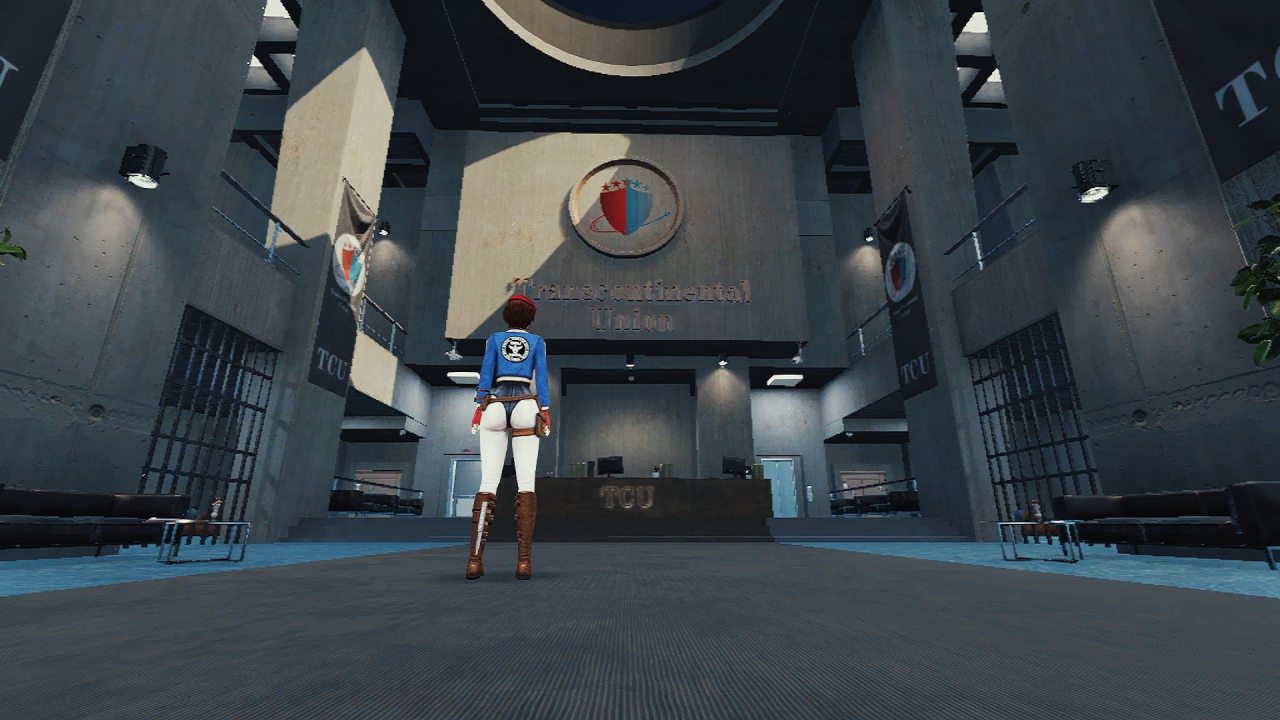
You are stepping into a time where indie developers are keeping that old style alive rather than letting it fade away. Fixed cameras, limited resources, ink ribbon-style tension, and campy voice acting are no longer just relics of the past; they’re being actively preserved and reinterpreted. Ground Zero positions itself right in that space.
It doesn’t try to hide what it is inspired by. Instead, it leans into it fully, while still attempting to carve out its own identity through branching story paths, expanded replay systems, and a surprising amount of content for a debut project. You can feel that ambition almost immediately as you begin playing, especially if you’ve spent years waiting for something that scratches that specific survival horror itch again.
The story starts when a meteor hits South Korea, causing a nationwide quarantine after strange organic growth starts to spread across the affected areas.
You take control of Seo-Yeon, a disciplined Korean operative, alongside Evan Fielding, a more relaxed special agent from Canada. The two are sent in to investigate the site, recover black box data, and determine what exactly happened while also searching for survivors. From the start, you’re placed into a situation where nothing feels stable, and the environment itself seems to be changing around you as the infection spreads through dead tissue and mutates everything it touches.
Early on, you often find yourself separated from Evan, which sets up the structure of the campaign. You’re given different routes and sometimes even direct choices that influence where you go next. These branching paths aren't just for show. They change what you find, where you go, and even how some things happen in the story.
As you go deeper into the quarantine zones, the mission doesn't seem as easy as it did at the beginning of the game. At first, it's a recovery mission, but as time goes on, it turns into something more mysterious, where every new place raises more questions than it answers, and that adds to the suspense that Ground Zero is able to maintain right till you finish the game.
You start to put together parts of the event as you go along by using information you find and telling stories about the environment.
You walk through big, connected areas that look like they were made to make you wonder where to go next, like military bases, urban ruins, and areas where people are kept. The pacing encourages exploration rather than rushing forward, and you often find yourself checking every corner just in case you missed something important. Ground Zero constantly rewards curiosity, even when it punishes you for getting lost in the process.
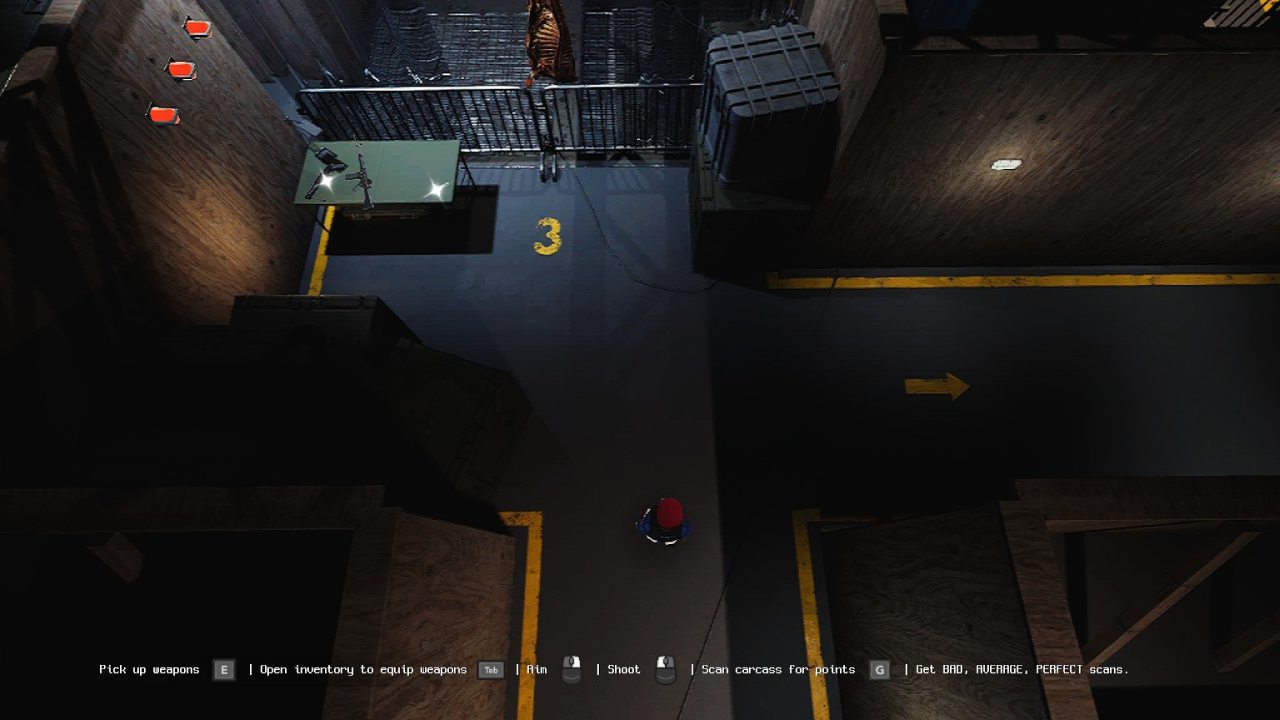
The structure of these areas can feel large, sometimes even overwhelming, especially when you realize how often you’ll need to backtrack. When you open a door, you might find that it leads back to an area you thought you were done with, making you rethink how you've been getting around the world. This cycle of finding out new things and going back to that area becomes part of the experience. You're not just moving forward; you're always coming up with new ways to think about places you thought you knew.
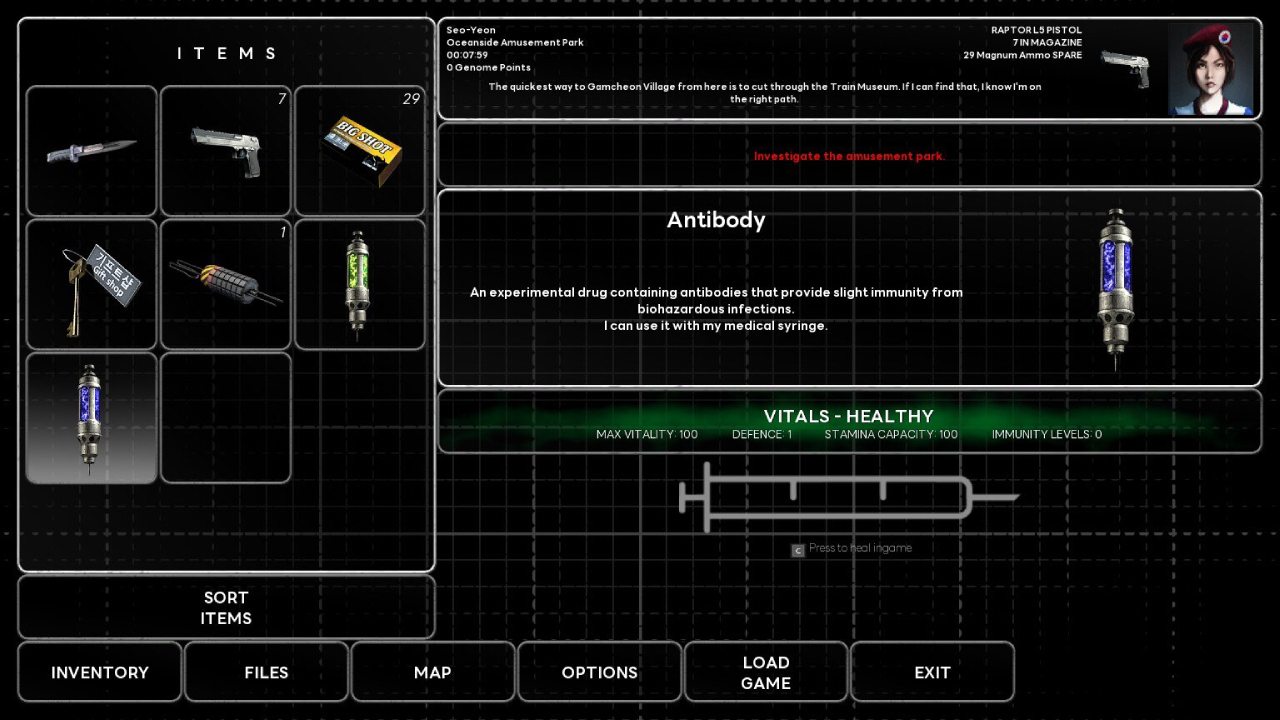
Exploration and resource management are like two peas in a pod. You are always picking things up, dealing with limited storage space, and deciding what to take with you and what to leave behind. Safe rooms are like your base. You can store things there, save your progress, and get back together before going back out.
The shop system is also part of this loop. You can trade the money you get from exploring or fighting enemies for ammo, healing items, and gear. Even scanning enemies you've killed helps you move forward by giving you resources based on how well you handle fights.
The game also gives you a surprising amount of tools to work with.
You will find a lot of different weapons, attachments, and useful items along the way. You should try out different loadouts, especially as you learn how different enemies act. As you play, you collect a lot of different tools, which makes later sections feel very different from the early hours, when resources are scarce and every encounter feels more dangerous. Eventually, you start to see patterns in how enemies act and how maps are set up. This makes it easier for you to get through areas that used to be hard for you.
Replayability systems are also very important for progression. You’re not just expected to finish the game once. You’re encouraged to go back through it multiple times. New Game Plus, unlockable gear, difficulty variations, hidden secrets, costumes, collectibles, and even a Mercenaries-style mode all contribute to that loop. Even puzzle solutions and enemy placements can shift depending on difficulty, which means your knowledge from one run doesn’t always carry over cleanly into the next. Instead, it encourages you to adapt again and again.
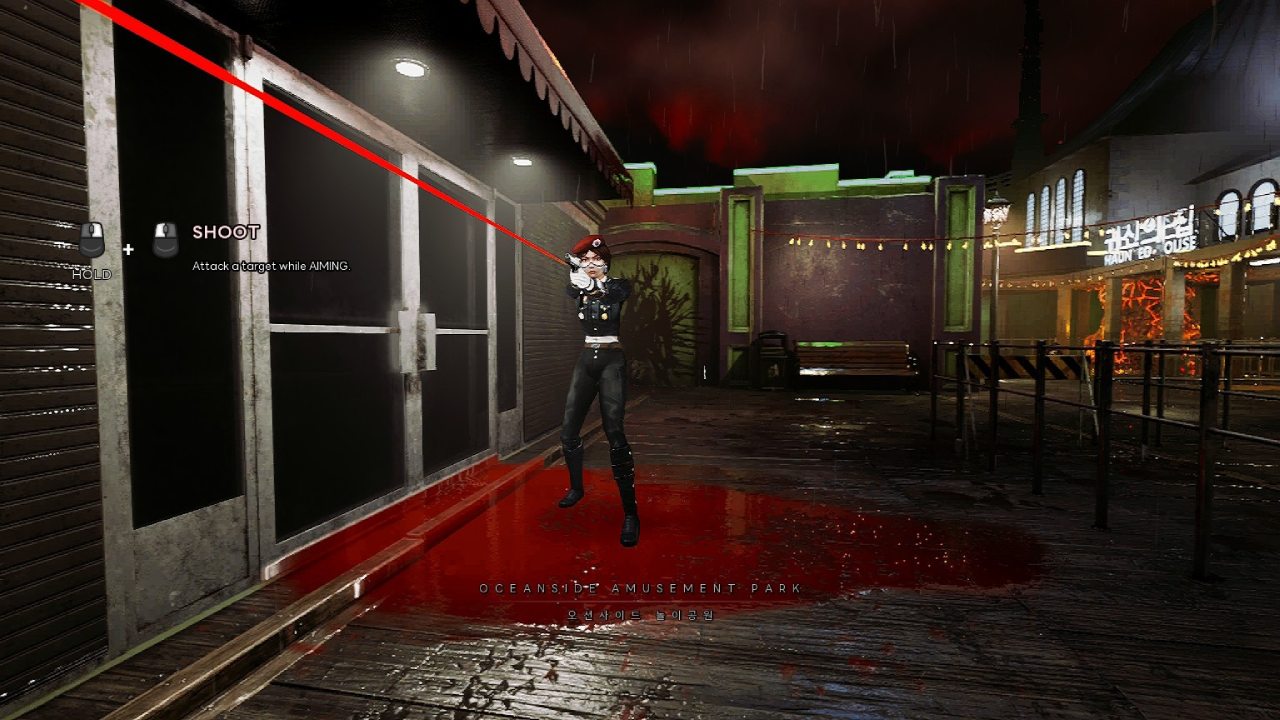
Combat in Ground Zero is intentionally grounded in that old survival horror feel, but it still gives you a few modern touches. You’re dealing with fixed camera angles, limited movement control options, and a combat system that balances between tank-style handling and more modern input schemes.
You can aim, lock onto targets, and even free-aim when you need to, but the system doesn't always feel perfectly smooth in real life. That tension between control and restriction is part of the experience, but it can also make you angry when things get out of hand.
You will fight a lot of mutated enemies and sometimes bosses that will make you think about how to use your resources.
Some enemies won't let up, and they'll keep coming after you even when you try to get away. This makes it feel just as hard to escape as it does to fight. There are also ways to kill weakened enemies and interact with the environment during boss fights that help break up the usual combat rhythm. One of the more interesting mechanics is the power shot system. If you time and aim it right, you can do a lot of damage while saving ammo, but it can be hard to do it right in the heat of battle.
You also need to know how to manage your timing and stamina, especially when you use the dodge and parry mechanics. You can move around while dodging, but your stamina limits how often you can do it. On the other hand, parrying requires perfect timing, but once you get the hang of it, it pays off big time. You can pretty much kill weaker enemies with just a knife if you have a lot of skill, but you have to be patient and practice to do this.
Puzzles are another important part of Ground Zero. They aren't too vague, but you do need to pay attention to the notes, clues in the environment, and how to use things. You might have to stop and look at your inventory or go back to rooms you've already been to when you find a new clue. Some puzzles are linked to difficulty levels, so the level of difficulty can change based on how you play. This makes the game more fun to play again, but it also means that you might see some of the same variations more than once.
Combat and puzzle design work together to make a rhythm of stress and relief.
But the experience isn't always easy. The aiming system can seem unreliable, especially in tight spaces where the camera angles change without warning. Auto-aim can be helpful at times, but other times it doesn't work. Managing your inventory is also a constant source of frustration because you have to open menus in the middle of a fight or switch weapons in a way that breaks the flow. Even though the map system is helpful, it doesn't always make things clear when you're trying to get around in complicated places.
Despite these issues, the systems do come together in a way that feels intentionally old-school. You are meant to feel a bit constrained. You are meant to pause, think, and plan rather than react instantly. That design philosophy is consistent throughout both combat and puzzle-solving, even when it occasionally leads to frustration.
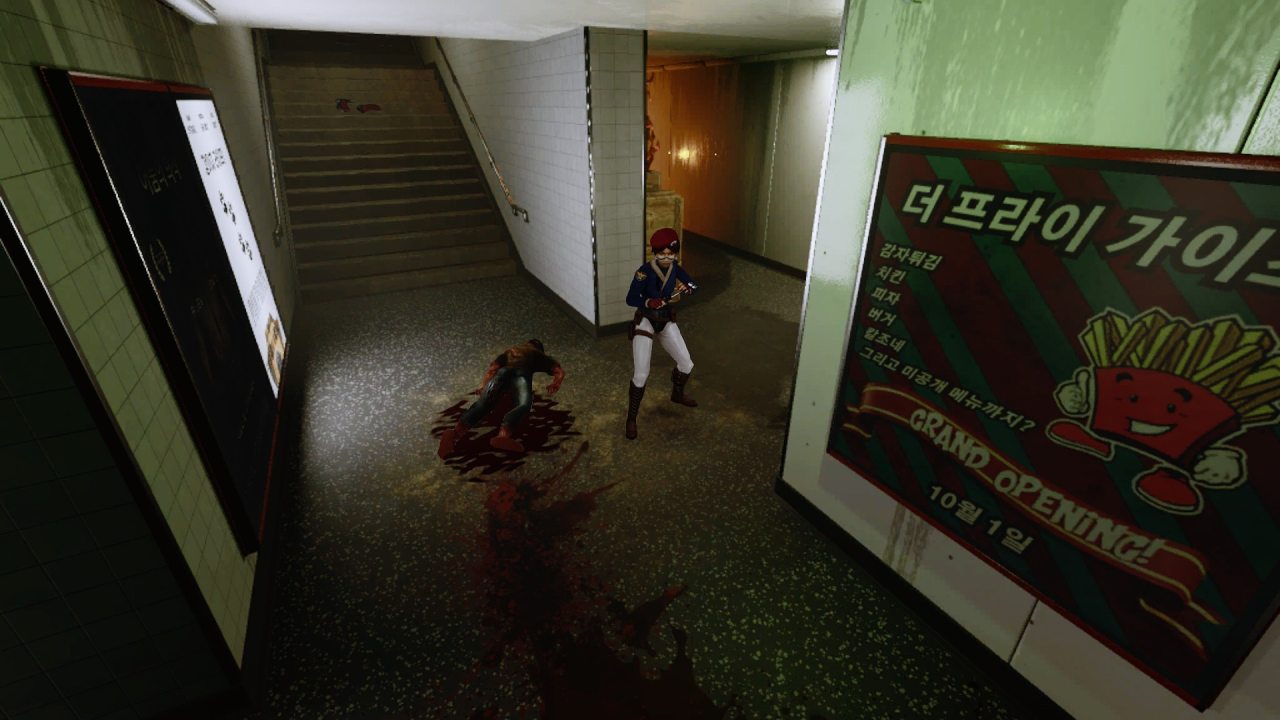
Visually, Ground Zero fully commits to its retro inspiration. You’re looking at pre-rendered style backgrounds, fixed camera compositions, and deliberately stylized environments that echo the PlayStation-era survival horror aesthetic. Character models are intentionally slightly exaggerated and sometimes awkward, which actually works in their favor when paired with the campy tone of the story. There are also occasional FMV-style sequences and dynamic camera pans that nod directly to older titles, giving you moments that feel like callbacks to the genre’s roots.
Sound design is a big part of making things tense.
You can usually hear enemies before you see them, and the background noise changes all the time depending on where you are. The voice acting fits the mood perfectly; it's sometimes serious and sometimes funny without meaning to be. Seo-Yeon’s occasional switch between Korean and English adds extra personality and helps ground the world in a way that feels more natural than expected.
Even small touches like underwater segments or shifting camera behavior during exploration show how much attention has been put into variety. You might find yourself moving through a slowed-down dive section one moment and then suddenly navigating tight corridors with limited visibility the next. These changes make the experience feel less static and support the idea that the world is always changing around you.
When you step back, what you’re really looking at is a game that is fully committed to its identity. Ground Zero doesn’t try to modernize survival horror by stripping away its old systems. Instead, it leans into them and expands on them with modern replayability design and layered progression systems.
It does come with friction, especially in menus and navigation, and it can feel longer than necessary in some stretches. But at the same time, it gives you something that many modern games don’t: the feeling of being genuinely lost inside a world that you have to learn through repetition, failure, and memory.
That feeling of discovery is what stays with you. Even when things are hard to understand or things don't go your way, your curiosity keeps you going. You want to know what’s behind the next door, how the story changes on another route, or what you missed on your first run. That is where Ground Zero succeeds most strongly.
Senior Editor, NoobFeed
Verdict
A rich, replay-heavy survival horror revival that stumbles in its menus and controls but delivers strong atmosphere, exploration, and discovery.
83
Related News
No Data.