
Hollow Knight: Silksong Review
PC
A work of art made of silk and shadows.
Reviewed by Azfar Rayan on Sep 05, 2025
The 2017 release of Hollow Knight transformed the genre and wasn't just another independent Metroidvania. It was a hand-drawn tour of the destroyed kingdom of Hallownest, created by the tiny Australian studio Team Cherry. It combined atmospheric exploration, brutal combat, and a sense of mystery that was even better than Nintendo's *Metroid* series.
Its success was huge: it went from a Kickstarter dream to a cult hit, with fans and critics alike praising it. One of the campaign's stretch goals was a playable character named Hornet, who was both an enemy and a friend in the original game. Hornet's adventure was initially conceived as extra content, but it quickly evolved into something more.
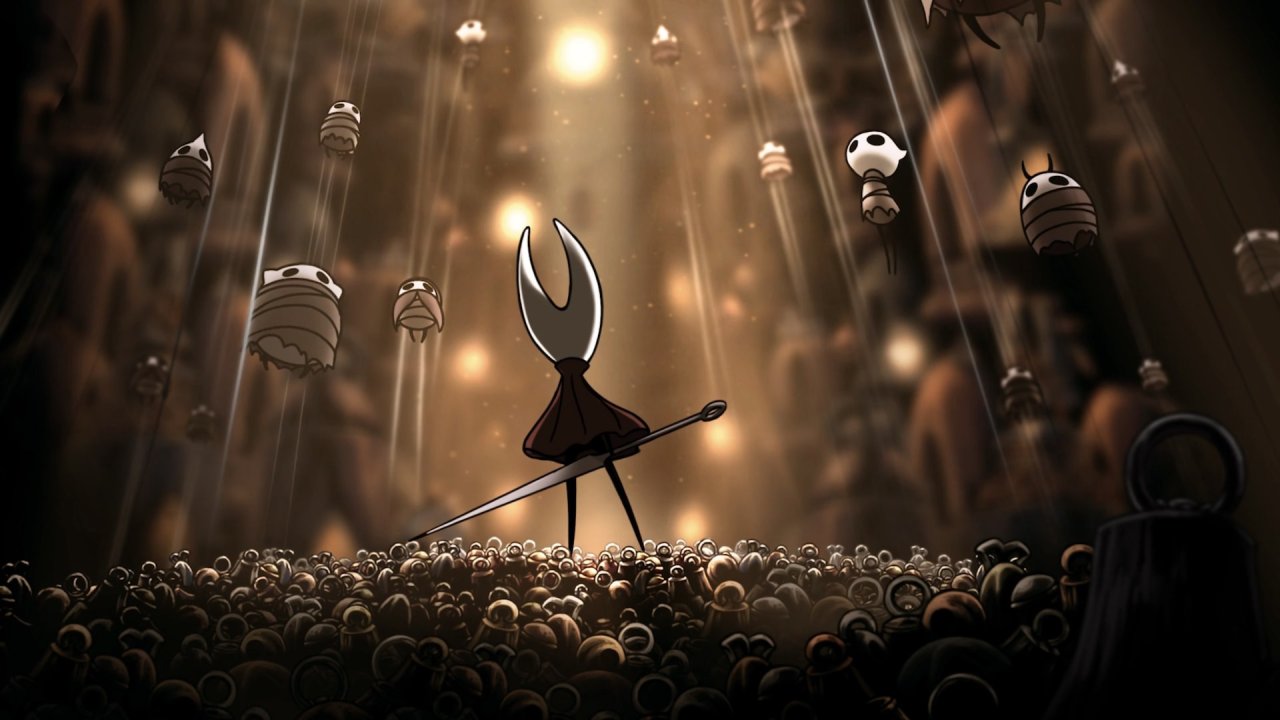
Team Cherry promptly realized that they weren't just writing a side story; they were making a sequel with its own story and style. After years of speculation and delays, each new update only made people more excited. Finally, Hollow Knight: Silksong comes out. This isn't a repeat. It's a new way of seeing the universe, offering a fresh perspective.
So what happened? A sequel that pays homage to the first while also being brave enough to go beyond it. Hollow Knight: Silksong doesn't take you to the ruins of Hallownest; instead, it takes you to Pharloom, a strange kingdom where things don't decay but rise. Hornet is brought to this strange land at the start of the story. She has to climb to the top of a shining citadel.
The premise of the setting already changes the structure of the original. In Hollow Knight, you went down into the depths, but in Silksong, you go up, and each ascent is a new test of endurance and discovery. Pharloom is alive in a way that Hallownest never was. Towns are bustling, NPCs share their own stories that are integral to the world, and quests draw you into their fates.
The new quest system makes what the first game did more official, giving side quests a purpose and making the game more immersive. But the story is still subtle. Characters talk in cryptic tones, and their words are often mixed with silly gibberish that shows personality better than the whole dialogue. By exploring, reading environmental clues, and paying close attention to what isn't said, you can put together Pharloom's past.
This style makes you feel like an archaeologist digging up pieces of a lost civilization by rewarding your interest and attention. Even though there aren't any traditional cutscenes, the story still works. Hornet's fight isn't just to stay alive; it's also about who she is and what she wants to do. In a place where she is both a stranger and a saviour, her journey becomes one of strength, telling a story that is both personal and epic.
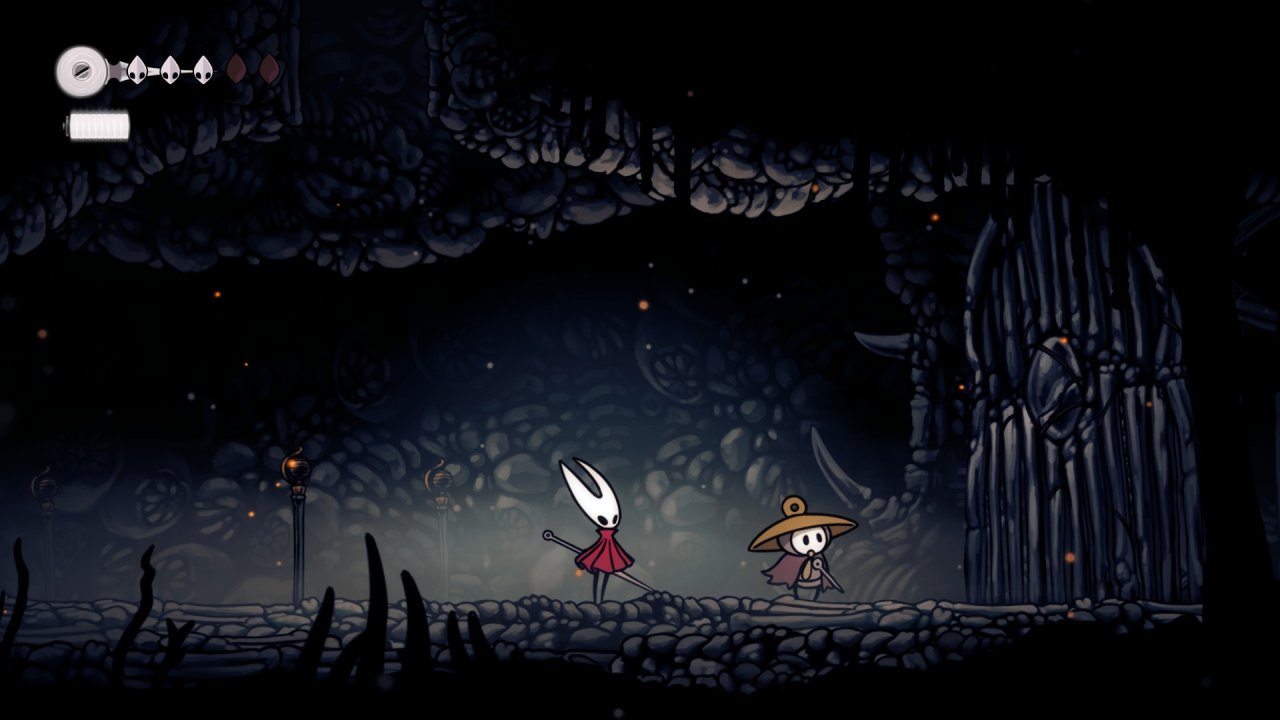
Hornet is not the Knight. She is faster, sharper, and much more flexible. The Knight was heavy, but Hornet is quick. Her movements are so natural that she can dash, jump, and hook onto enemies or the ground with her needle. The game's speed shows this difference by making it more dynamic and acrobatic, rewarding accuracy and rhythm.
Traversal is one of Hollow Knight: Silksong's best features. Hornet's tools are also ways to get around Pharloom. The needle throw can be used to hit someone or to grab onto something. The double jump lets you reach higher, and the floating ability enables you to play around and try new things. These mechanics make you want to improvise all the time, which makes even going back feel exciting.
Pharloom is very big, maybe even bigger than Hallownest. Every area is different, from the echoing caves of Greymoor to the twisting Deep Docks. The design focuses on vertical exploration, and paths, shortcuts, and hidden alcoves connect the world. Many towns act as hubs, where vendors, quest givers, and characters who slowly become part of Hornet's story live.
Exploring here is more than just getting from A to B. It's about discovering new paths you didn't know existed, revisiting old places with the latest tools, and being amazed at how well everything comes together. Team Cherry has once again mastered the art of environmental storytelling—every space feels intentional, every discovery rewarding.
The combat in Hollow Knight: Silksong is based on the first game, but it moves faster. Hornet's weapons let her move quickly and accurately around enemies. You can chain attacks together to make aerial combos, diagonal strikes, and multi-target charges that do a lot of damage. The new drill-like spin attack is a fun way to control crowds and get around.
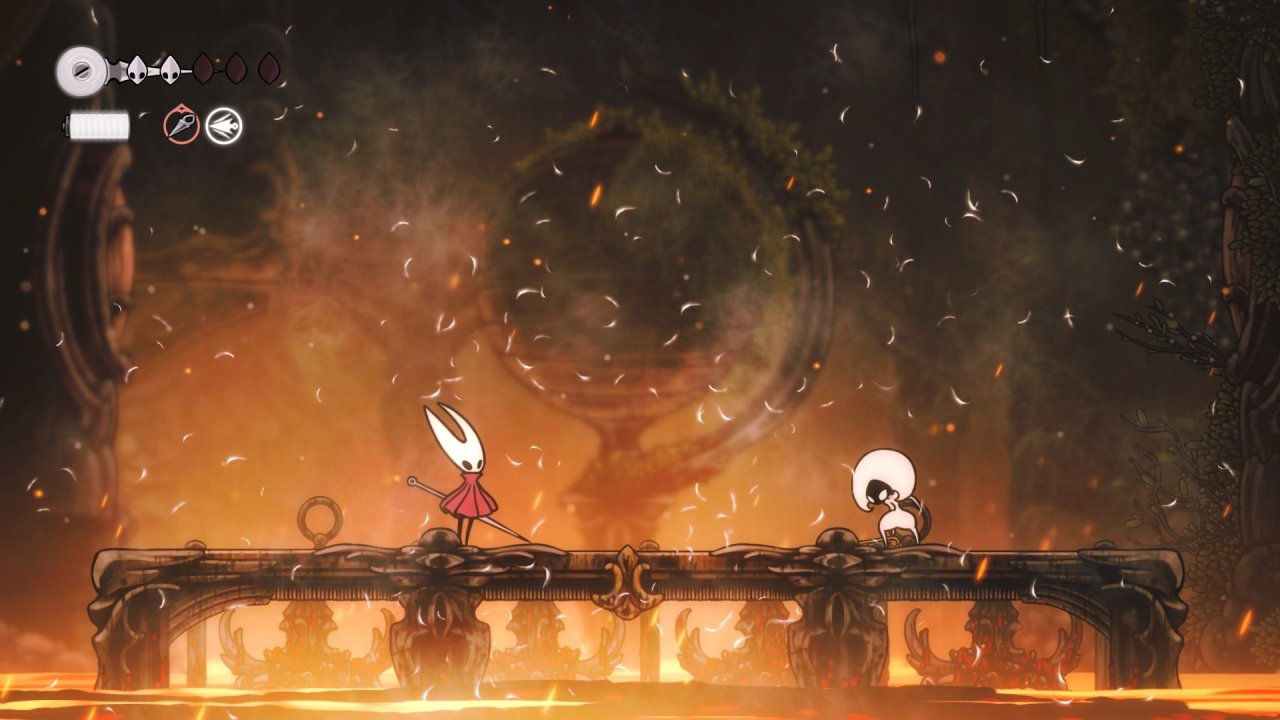
Boss battles remain the most crucial aspect of the game, featuring over 40 unique encounters. Not only are the designs of each boss memorable, but so are the ways they test your skills. Some move so quickly that you have to change your mind on the fly. Others are huge and powerful, and they want you to be patient and precise. And then there are duos and multi-phase fights that test your reflexes and stamina to the limit.
Healing adds new risks. Hornet doesn't slowly heal; instead, she uses silk to heal instantly, using up her entire spool even if she doesn't need to. This makes it hard to make decisions. Do you heal early and give up your silk for safety, or do you wait longer for the best results? It's a gamble that makes every meeting feel risky and every choice heavy.
Puzzles fit right in with exploration. Environmental hazards put your platforming skills to the test, and some quests add new challenges. These moments never feel like detours; instead, they keep the game's rhythm going and remind you that timing and precision are just as important outside of combat as they are in it.
In Hollow Knight: Silksong, progression moves away from pure charm loadouts and toward crafting. Hornet can create tools that enhance her strength by gathering materials from enemies and the environment. These tools, such as the silk spear or magma bell, diversify both combat and traversal. Crafting makes you feel like you have to manage your resources, which encourages you to explore and rewards you for trying new things.
You don't get experience by grinding; you get it by growing. As you play, you improve at Hornet's speed and tools, discover new paths, and devise plans for tackling more challenging fights. This design philosophy ensures the game doesn't feel repetitive; instead, your reward comes from discovering new things, rather than doing the same thing over and over.
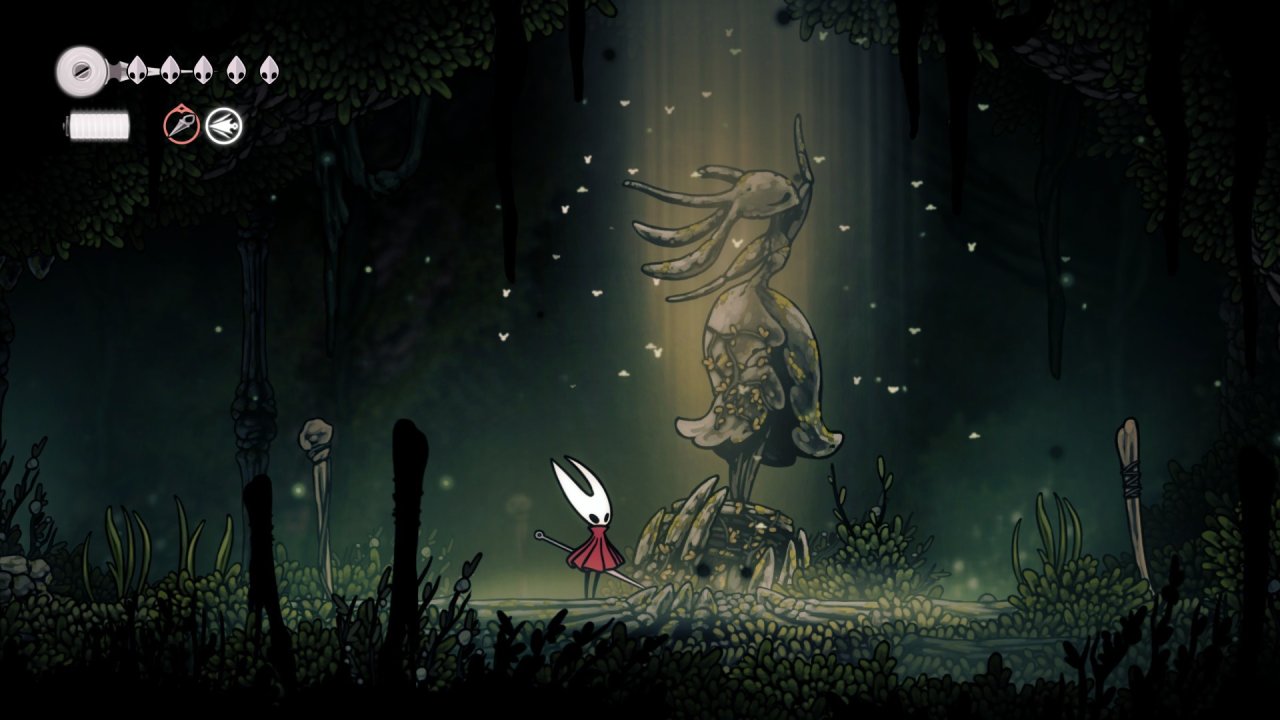
Visually, Hollow Knight: Silksong looks amazing. The hand-drawn art style of Team Cherry shows once again that two-dimensional design can compete with and often beat modern 3D worlds. Pharloom is full of life and detail in every frame.
Pharloom is full of life, while Hallownest leaned into decay and dark tones. Bright colors and dark shadows create contrast that brings out the beauty and danger of each zone. Each biome feels different, with small details that tell their own stories. From lush gardens to industrial docks,
The animation of the characters is just as good. Every dash and slash that Hornet makes looks graceful, making it seem like they were planned. Enemy designs can be silly or scary, but each one is animated with care and attention to detail. The world itself breathes; nothing feels still.
There is no doubt that Christopher Larkin's score is brilliant. The way each track fits into its own space makes the game more fun and the mood better. While you explore, melodies add a sense of peace to your journey. When you fight, the music gets really loud and makes your heart race. Even the sounds of the environment, like the rustling of silk, the echo of footsteps, and the chirping of distant animals, are immersive, just like the visuals.
The soundtrack for Hollow Knight: Silksong stands out from others due to its dynamic nature. The music doesn't just play in the background; it talks to you. It controls your feelings, gently pushing you forward when you're tired or making things worse when you have a lot of problems. The way sound and play come together perfectly makes the experience unforgettable.
Hollow Knight: Silksong is more than just a sequel; it's a whole new game. Team Cherry took the basic idea behind their huge hit and made it faster, bigger, and just as enjoyable. The world of Pharloom is vast and full of life, Hornet's gameplay is very sharp, and the music ties everything together in almost perfect harmony.
Hollow Knight: Silksong is special not only because of how well-made and ambitious it is, but also because of the love that went into every part of it. Fans jokingly called Team Cherry's years of work "development heaven," and it shows. It's not a rushed release that was fixed after it came out; it's a fully realized vision, with every corner made with care.
This is everything that long-time players of Hollow Knight wanted and more. It's an excellent way for newcomers to dive into one of the best indie universes ever made. It is hard but fair, big but small, and beautiful but brutal. And most importantly, it will stay with you forever.
Senior Editor, NoobFeed
Verdict
Hollow Knight: Silksong is a masterpiece of the Metroidvania genre. The sequel is breathtaking and perfects exploration, combat, and atmosphere.
100
Related News
No Data.