
Hunter's Moon: A Sovereign Syndicate Adventure Review
PC
A dark and foggy return to Victorian Steampunk London.
Reviewed by Azfar Rayan on Nov 25, 2025
Hunter's Moon: A Sovereign Syndicate Adventure is a standalone roguelite deck-builder set in the same world as Sovereign Syndicate, a story-driven RPG known for its Disco Elysium-style conversations, strange characters, and an alt-Victorian setting full of magic and strange people. If you played that other game, you'll recognize the faces, voices, and vibe right away. But this time, the gameplay is much harder than the story.
Hunter's Moon: A Sovereign Syndicate Adventure doesn't keep going with the same chapter of philosophical wandering. Instead, it takes a step to the side and goes in a more organized, replayable, and combat-focused direction.
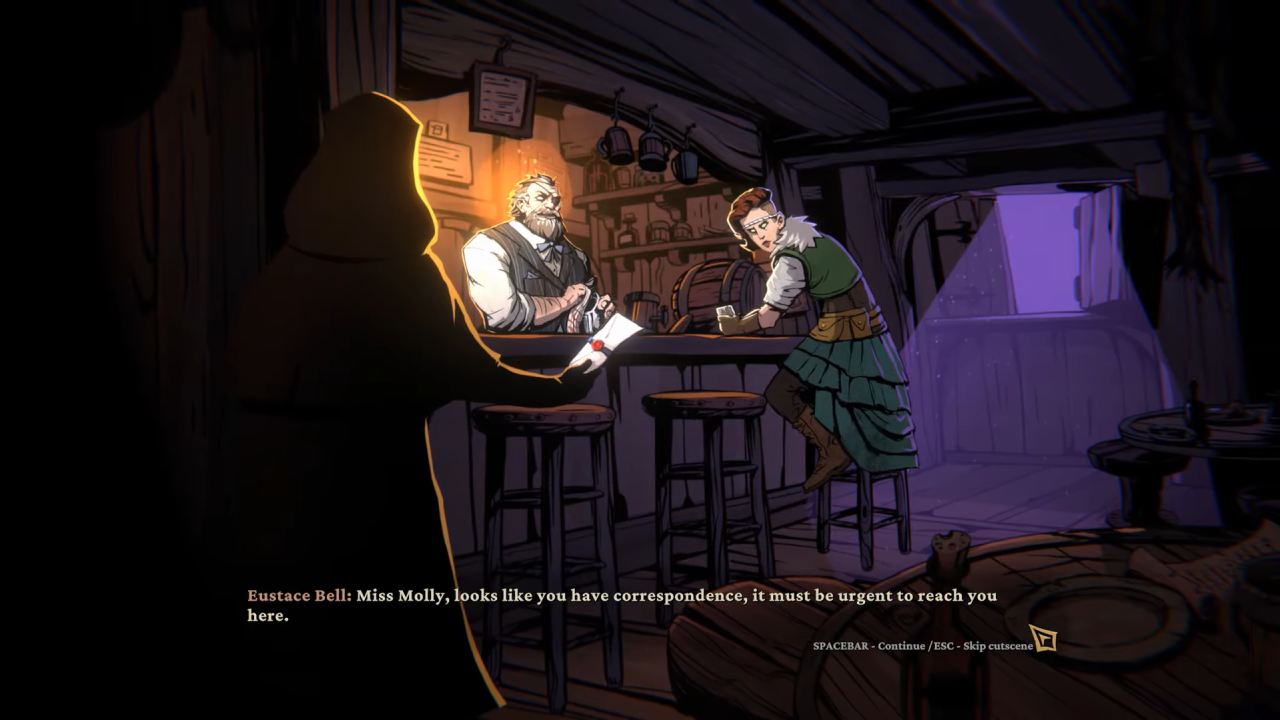
It seems like the same developers are trying out a new way to tell a story by putting it in a world where you have to manage resources, face dangerous situations, and make tactical deck choices. The end result is a mix that still has the same dirt and charm as the last one, but it's now sharper and more difficult.
You're thrown into a different version of Victorian London, covered in a strange, contagious fog so thick it changes the shapes of animals and people into scary, hostile forms. The city is in ruins and full of corruption. All that is left are small groups of survivors who are either holding on to hope or going crazy.
You're part of a bigger group that has been given the job of completing missions, gathering resources, and going deeper into the fog to find out what's at its center. Every mission feels like a short story, taking you through deserted logging camps, creepy chapels, broken factories, and streets so quiet that the light from lanterns barely breaks the darkness.
At every stop along the way, you have to make a choice. Some are moral, some are just useful, some are dangerous, and some are very sad. Every meeting feels important because the conversation is fully voiced, which adds to the emotional pull. This world seems to live, change, and watch you, even when you're just trading goods with someone you don't know.
The story doesn't go in a straight line. Instead, it goes around the choices you make, the agents you choose, the risks you take, and the ones you don't. It's a roguelite with a lot of story that gently pushes you forward while reminding you that you can never be sure you'll make it.
Hunter's Moon: A Sovereign Syndicate Adventure is all about managing risk at its core. Every mission takes you across a branching map of encounters where you get to choose which way to go.
One way could lead to a fight. Another might give you the tools you need to fix your ship. Another person might be able to help you fix your deck or get your Nerve back. Every step you take, you're weighing short-term survival against long-term success.
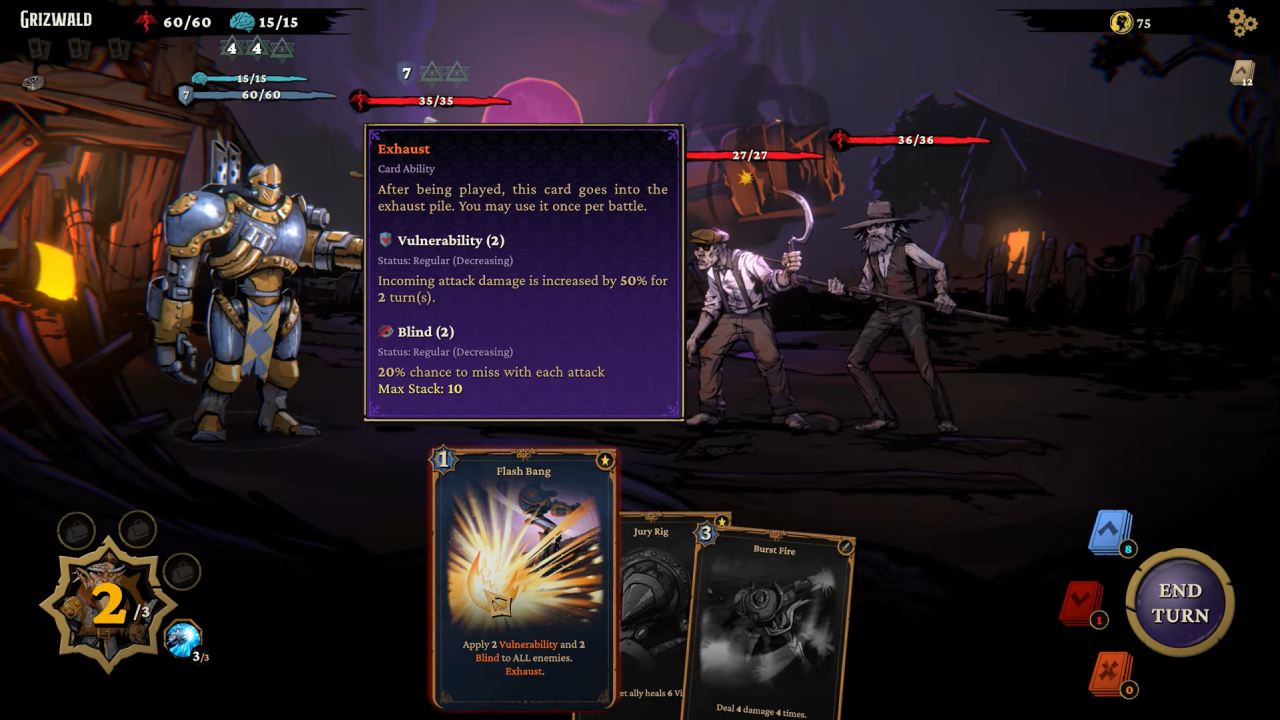
Your ship is your home base, and you need to salvage things to upgrade it. These upgrades are very important. Every agent gets more health when you make the lab better. You can carry more supplies if you fix the cargo hold. You can get companions by unlocking certain rooms. If you don't pay for these repairs, later missions feel very unfair, so you're always trying to decide whether to look for resources or make progress.
You are in charge of a group of agents, each with their own personality, strengths, and even pets, like Molly's loyal dog and the dwarf engineer's mechanical friend. Because each one is unique, each run has its own personality, which changes the strategy a little bit even before the cards come into play.
Everything you do - exploring, fighting, scavenging, going to events—feeds into the same loop: collect materials, upgrade your ship, stay alive long enough to go deeper, unlock new cards and abilities, and try to solve the bigger mystery that is taking over London.
You have to think strategically every time you draw a card in combat.
There are common, rare, and epic cards, and you'll quickly learn that upgrades are important. One better card can make a battle that was barely survivable into one that is manageable.
Its punishment is what makes the combat system what it is. Health does not automatically come back between fights. You have to depend on relics, consumables, or special places, which you won't always be able to get to. In the beginning, you will probably have the same experience as the people in the transcripts: you will almost die in the first fight and then stagger forward with half your health gone. The game wants you to think that every fight is important.
The nervous system adds something else. You will use this resource to get rare cards or use certain options. If you lose everything, the mission fails completely. That makes you have to treat Nerve like your health—something to keep safe, protect, and bet on in a smart way.
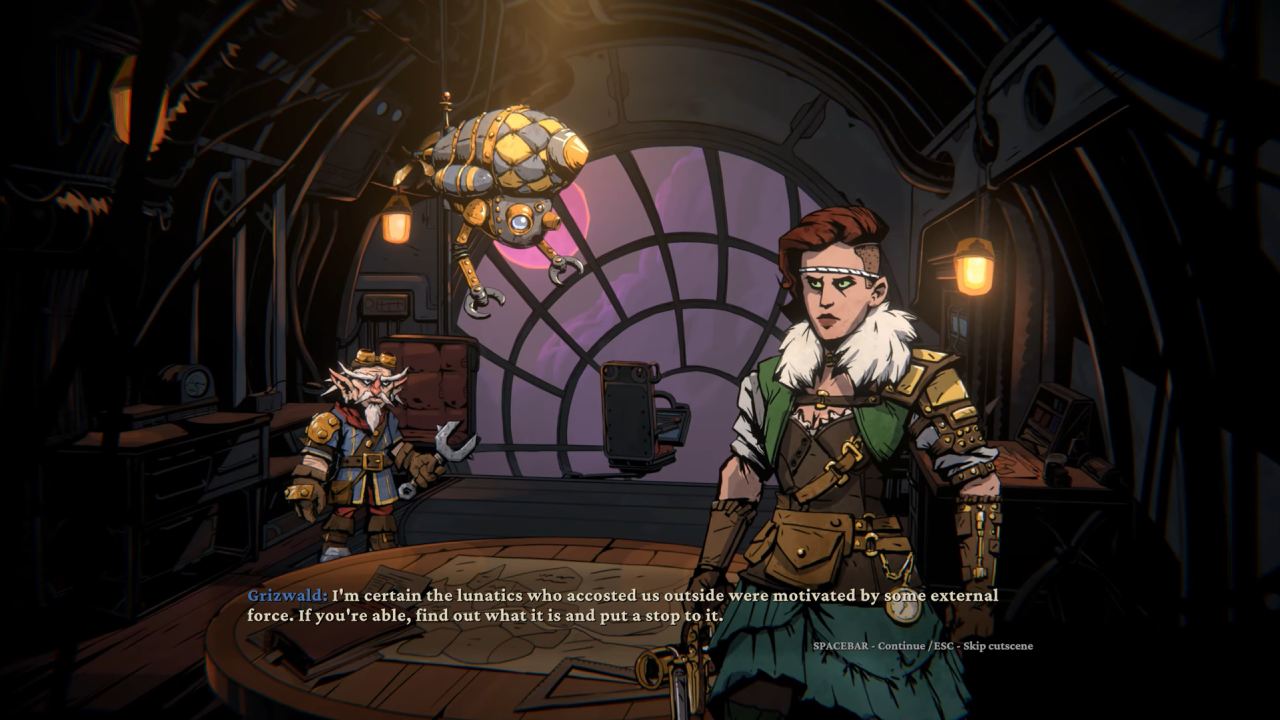
Doom, a difficulty modifier that keeps getting harder, makes sure the pressure stays high. As Doom rises, enemies get stronger, and even fights you've had before turn deadly. It works like a soft timer, pushing you forward, stopping you from grinding too much, and making you take risks when you'd rather back off.
Fighting is fun, but it can be unpredictable because of the randomness of drawing. The biggest problem is that you can't control how much you trim your deck. You can add, upgrade, and reorder cards, but to take one away, you have to find a very specific merchant and only during missions. If you pick up something you don't want, you have to keep it until the game gives you the right encounter. It's the one design choice that seems too limiting for a deck builder.
On the plus side, the road card system makes things less predictable by adding temporary changes that happen during missions. A road card that comes at the right time can save a run that is going badly. A bad one can ruin you. This unstable balance fits with the game's theme: nothing stays the same in the fog.
Instead of traditional XP bars, progression is mostly linked to gathering resources. Salvage fixes your ship. Talents make your agents better. These changes are slow but important. They give you that roguelite feeling of getting better at surviving runs that used to kill you.
Talents give agents upgrades, which let you add health, improve companions, make their starting decks stronger, or unlock passive abilities. This leads to specialization over time. Your engineer could become a tank. Molly could become an expert in burst damage. These choices will have effects that last a long time, and trying out different agent builds is one of the most fun parts of the game.
Upgraded cards make this feeling of growth even stronger. It feels great to turn a decent attack into a reliable heavy hitter or a basic block into something that can be used for two things. The only bad thing is that it can feel like you're not making progress as quickly as you'd like, especially when Doom gets stronger faster than your upgrades can keep up.
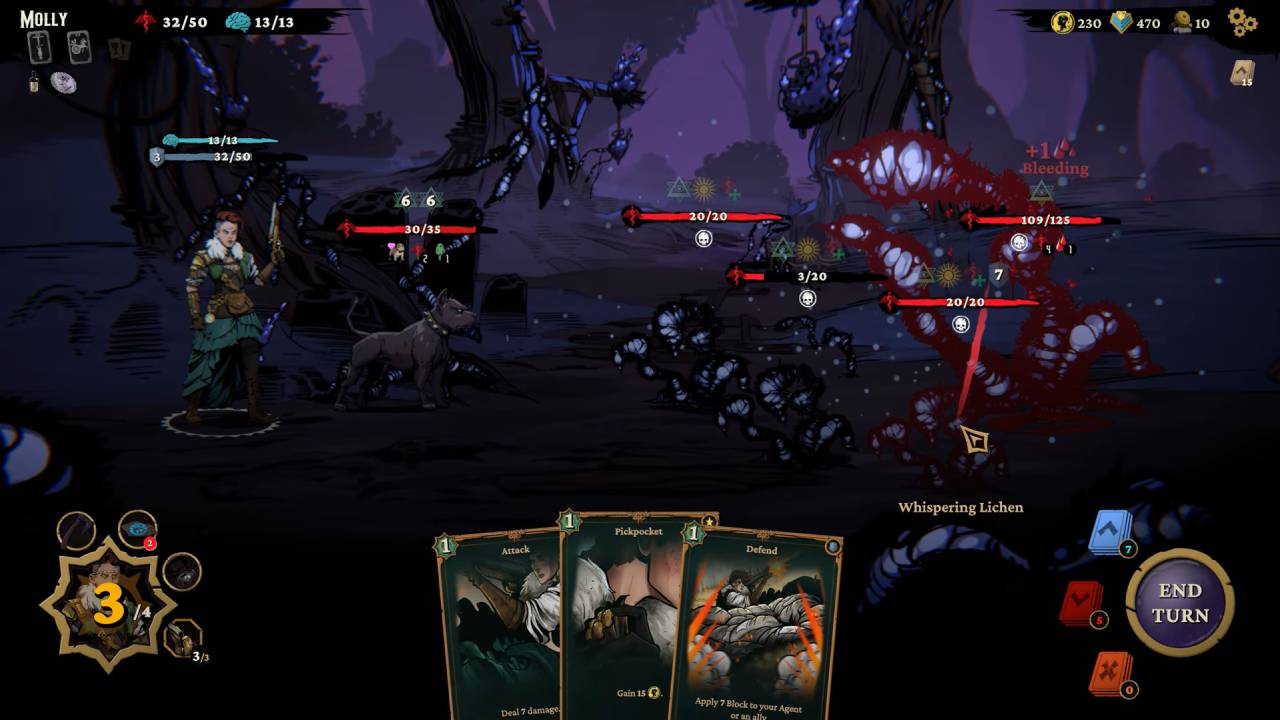
The loop is still interesting, though. Fail, rebuild, get better, and try again. Every run reveals more of the story, the problems, and what London has become.
Hunter's Moon: A Sovereign Syndicate Adventure is very atmospheric in terms of how it looks. The art direction is full of soot, gaslight, rusted steel, and bad biology. It looks like every scene is painted, which makes each place look like a picture from a dark fantasy novel. Character portraits and enemy designs have the same stylized intensity: they are easy to recognize, expressive, and always a little creepy.
The map itself isn't hard to read, but the way it's laid out makes each choice feel like a deliberate step into danger. The interface fits with the theme without losing clarity. This game is always good if you like dark, moody settings and gritty steampunk style.
One of the best things about Hunter's Moon: A Sovereign Syndicate Adventure is its full voice acting. Every conversation, every meeting, and every side reaction is fully voiced. This is a rare luxury for a roguelite, making the game more immersive right away. The voices fit the world: they are smoky, tired, grim, and sometimes funny. The soundscape makes the writing deeper and makes even small events seem important.
The oppressive tone is worsened by ambient sounds, such as machinery in the distance and moving fog. The music stays in the background so that the story and the mood can shine through. It's a philosophy of sound design that helps tell a story rather than getting in the way, and it works very well.
Hunter's Moon: A Sovereign Syndicate Adventure is a rich, atmospheric roguelite deck-builder that is all about choice, tension, and building a world. It doesn't apologize for being hard, and it makes you carefully manage your health, Nerve, Doom, and the evolution of your deck. The fully voiced story makes every moment feel like it's part of a bigger, living story.
The game's biggest problems are that it makes it too hard to remove cards and that its difficulty curve is sometimes too steep. But these problems don't take away from the fun of making progress or the thrill of surviving one more encounter.
This foggy trip through shady Victorian London is fun if you like roguelites that don't treat you like a fool, strategy deck games, and worlds that feel like real places.
Senior Editor, NoobFeed
Verdict
Hunter's Moon: A Sovereign Syndicate Adventure is a dark, atmospheric deck-building game that combines a hard roguelite challenge with beautifully voiced stories. It's challenging, immersive, and rewarding, but deck control can feel limited.
75
Related News
No Data.