
Life is Strange: Reunion Review
Xbox Series X|S
A return to Arcadia’s heart that struggles to justify its own existence.
Reviewed by Adiba Manha on Mar 28, 2026
When Dontnod Entertainment originally launched Life Is Strange in 2015, it was more than just another episodic story; it became something very personal. You could feel it in the awkward pauses, the long pauses, and most significantly, in the bond that Max Caulfield and Chloe Price had. At a time when LGBT representation was still attempting to find its place in mainstream games, it gave you something very rare: the chance to feel connected to other people, be open, and make that connection via your own choices.
If you go forward in time through the events of Life Is Strange and its sequel, Life Is Strange: Double Exposure, you will ultimately get to Life Is Strange: Reunion, a game that says it will bring everything back to how it was before.
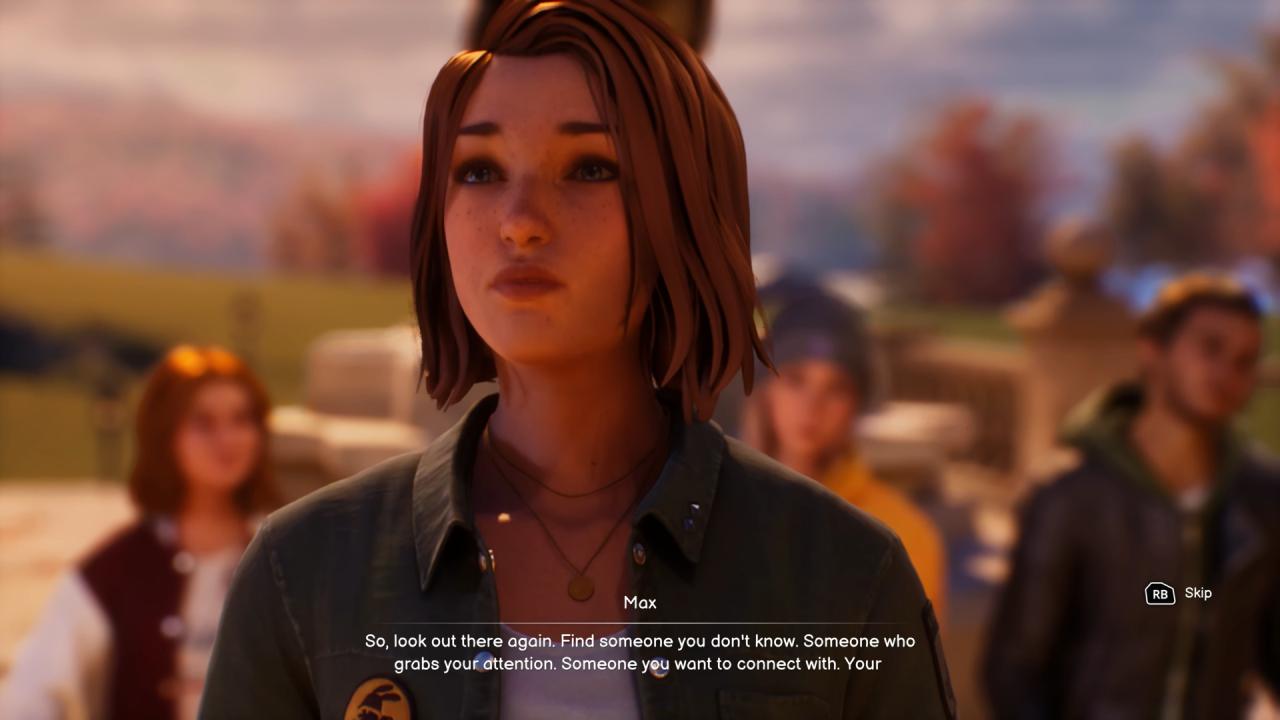
It shows itself to be the emotional payoff that has been expected for a long time; it is the "ending you deserve." However, as soon as you start playing it on your computer, it becomes clear that Life Is Strange: Reunion is more of a reassembly than a continuation. It's a game that tries to connect with your memories but struggles to do so.
Max Caulfield's life has not been simple at all, even if she is still young.
When she was a teenager, she discovered she could turn back time, which set in motion a chain of events that would define her for the rest of her life. In the first game, you had to make a choice that would change your life forever: you could either give up Chloe or Arcadia Bay. The choice you made stayed with you and affected how you handled everything that followed.
You will be asked to specify your past again as soon as you start playing Life Is Strange: Reunion. You can choose whether Chloe will live or die right from the start of Life Is Strange: Reunion, along with other important options from Double Exposure. These choices are meant to shape how you understand the story, so that your experience is the same throughout.
The appearance of meaningful branching, on the other hand, tends to break down rather quickly. As the narrative goes on, it takes place at Caledon University, where Max works right now, and it quickly shows that something bad could happen.
There is a sense of urgency in every communication because students are confined within buildings that are on fire. This time, it's not a magical storm; it's a protest that went horribly wrong. You are seeing this disaster happen in real time, and your first instinct, as it always is, is to go back in time and try to stop it.
No matter what option you first thought of, Chloe's return is an important aspect of the plot.
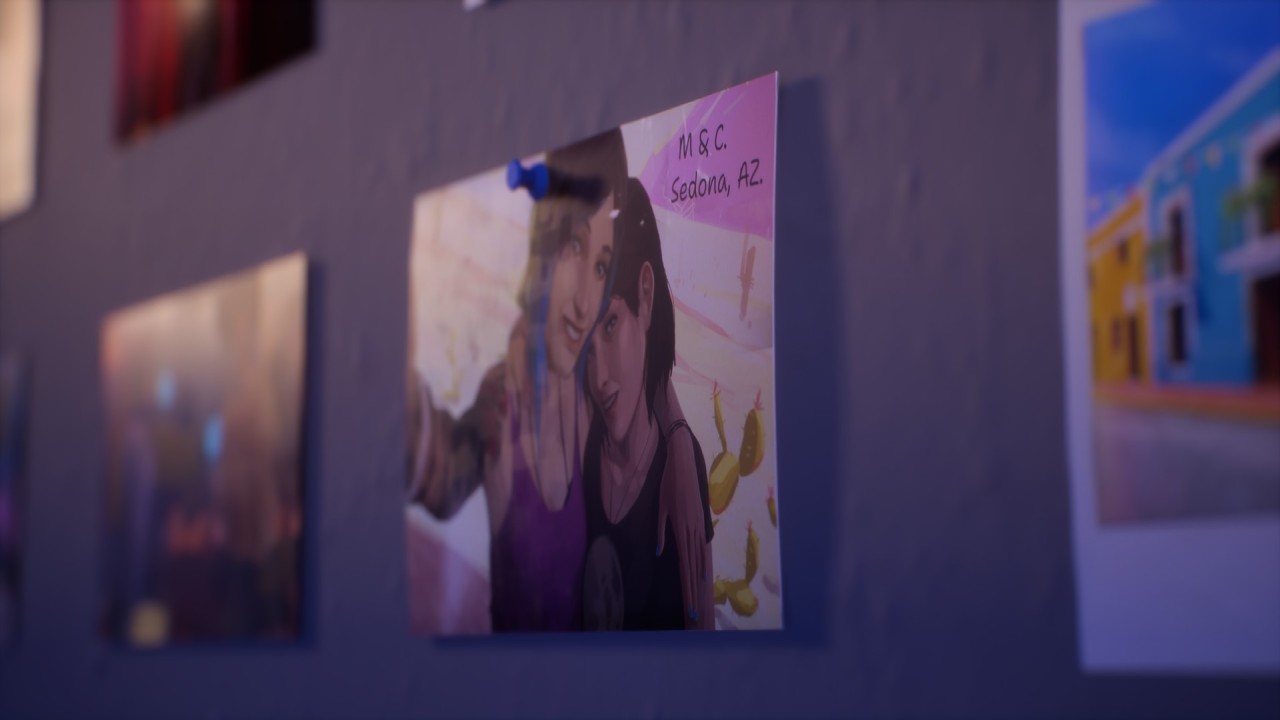
No matter what you did, she is back. She is alive, she is here, and she is deeply connected to what is happening. Her astrophysics friend Moses often talks about paradoxes, timeline merges, and what happens when Max messes with the past. A lot of focus is put on these parts in the explanation. At first, this arrangement is interesting, but it loses its weight as more and more discrepancies build up.
The writing is quite good in a number of places. It's evident that Max and Chloe's reunion has a tremendous emotional impact. Their bond is still strong, and their chats sometimes manage to communicate the same subtle realism that made the last game so brilliant.
Also, the reintroduction of supporting characters like Safi and Moses helps make the environment feel more familiar. Many of these relationships, on the other hand, seem to be on the outside looking in since they don't have the same depth and growth that they used to.
It's most depressing when it seems like your choices don't matter much.
Conversations that should have emotional effects often end quickly, and significant decisions don't have much of an effect on the story. The major point of the series, which is "your actions have consequences," feels almost like an afterthought and is very quiet.
Life Is Strange: Reunion follows the series' template pretty precisely since that's just how it is. You spend much of your time traveling around in different places, interacting with different things, and taking part in dialogue-driven segments. Conversations are still the most significant part of Life Is Strange: Reunion, at least on the surface. There are several ways for dialogue to branch off, and they can change how scenes play out.
One of the most crucial parts of Life Is Strange: Reunion is getting Max's ability to go back in time. Once again, being able to turn back the hands of time brings back familiar features like the opportunity to replay conversations, repair mistakes, and locate secret endings. This method gives you a sense of familiarity, which is especially comforting if you've already played the original version of Life Is Strange: Reunion.
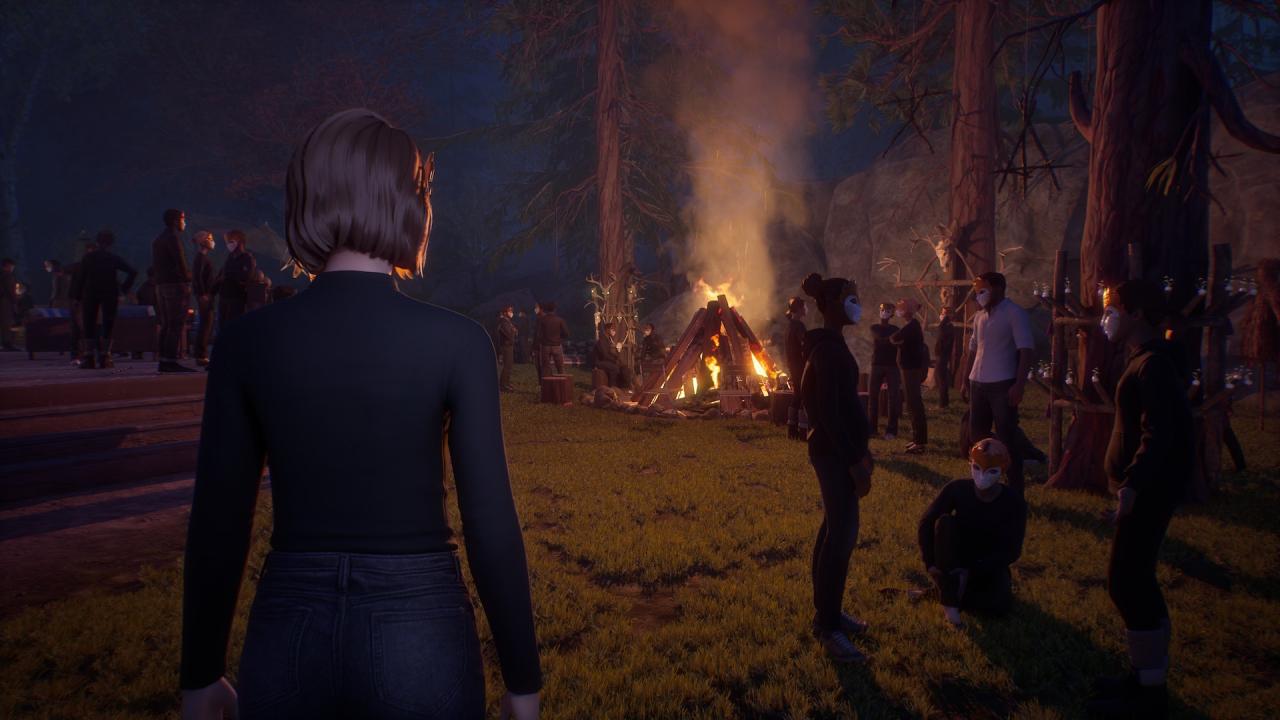
Life Is Strange: Reunion also tries to change the flow of its gameplay at points. To move the story forward, you have to do things quickly and under duress when you are playing timed sequences. In addition, certain conversations have a "tug-of-war" feature that lets you win exchanges and open up new paths by choosing the right conversation alternatives. This lets you win the talk. These changes add some variety to the gameplay every now and then, so it doesn't get too boring.
On the other hand, the general structure is still very limited.
Most of the places you can visit are the same ones you could explore in Double Exposure, and there are only a few new ones to find. The world feels less alive than it did before, since there are fewer non-player characters (NPCs) and less interaction with the surroundings. Interactions seem simpler, which can be a problem at times.
Life Is Strange: Reunion does not have a traditional fighting system, which is in line with the series' focus on story-driven gameplay. The hard part comes from puzzles and choices that have to do with Max's power to turn back time.
You will often need to look at a situation, make a choice, and then do it again to change your strategy in order to complete these riddles. For example, you might need to get information from a lot of different presentations, then intentionally not get new information, and lastly, you might need to go back in time to use what you've learned. In theory, this leads to a multifaceted approach to solving problems.
But in real life, the problems often seem too easy to solve. In most cases, you can figure things out by trying things out and making mistakes. You will have to go back and make the "right" choice. In Life Is Strange: Reunion, the puzzles aren't as complicated or varied as they were in the last game, where they seemed to be part of the universe and the relationships between the people.
They don't require any creative thinking or trying new things, which makes the feeling of success less strong.
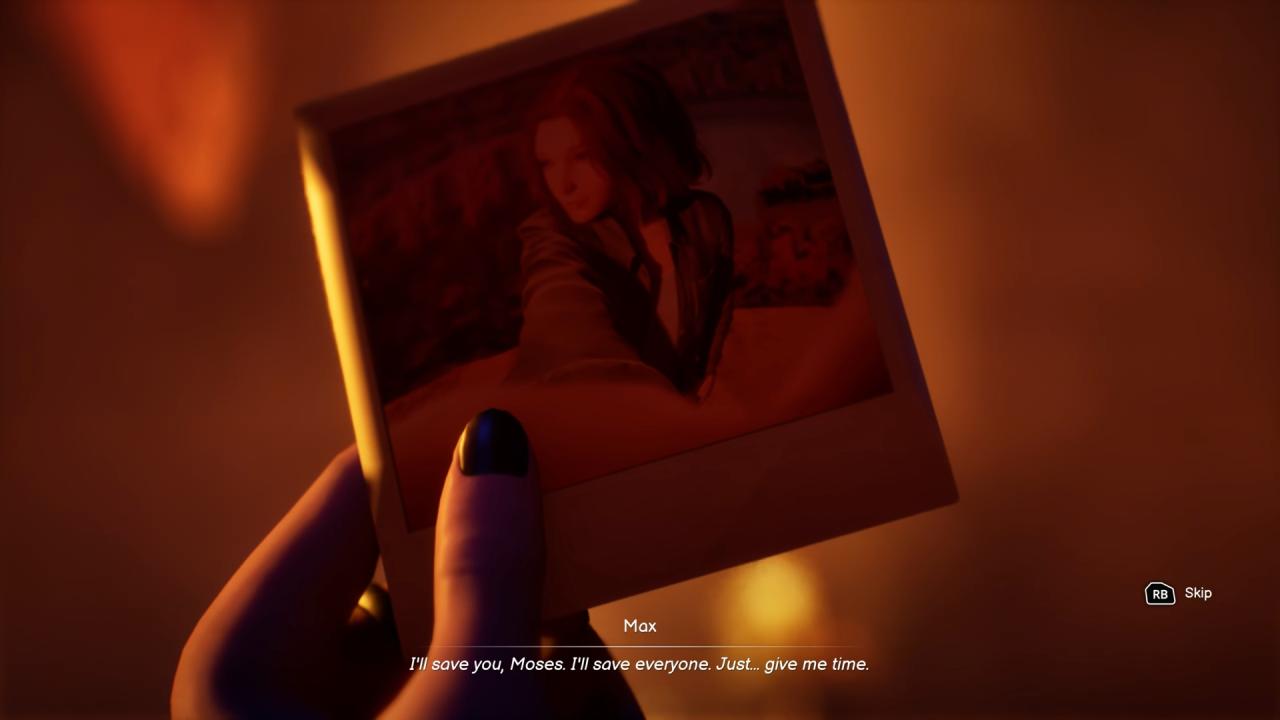
The timed sections add some stress, especially while trying to avoid the disaster that happened at the institution. These parts provide you with a little reprieve from the normally slow pace because they require quick thinking and precise execution. On the other hand, they don't happen often enough to make the gameplay much better.
There is no experience point system or standard way to level up in Life Is Strange: Reunion. The story, on the other hand, is what drives the advancement. You can "grow" by getting additional dialogue options, moving the story forward, and building deeper relationships. Even though this method works for the genre, the growth feels shallow because there are no real consequences. Your choices don't seem to matter too much if you can't see any rewards or big changes.
Life Is Strange: Reunion builds on what Double Exposure did well in terms of how it looks.
Character models are quite expressive, especially when they are talking up close. Small facial expressions can convey emotion very well. Facial animations are one example of this. Max and Chloe are especially well-positioned to take advantage of this because their interactions depend heavily on their subtle expressions.
Still, Life Is Strange: Reunion struggles to stay consistent. Some places look polished, while others seem underdeveloped or overused. There is a strong reliance on places already known from Double Exposure, and the lack of new, unique surroundings weakens the feeling of discovery.
There are also ongoing issues with the technology. There are a few graphical issues that occur from time to time, such as lighting issues, that can make it hard to get into Life Is Strange: Reunion. Even in darker places, scenes look washed out, and adjusting brightness doesn't improve the visuals. This is a problem that stands out the most. Even though these problems don't stop Life Is Strange: Reunion from being played, they do make the whole thing less appealing.
The performances are the best part of the audio. Both Hannah Telle and Rhianna DeVries provide performances that are very touching and help to set the emotional tone of the story. Even writing that isn't very good might feel more important when the characters' voices bear the weight of their past.
The series has always used both atmospheric music and independent music together, and this soundtrack keeps that tradition going.
.jpg)
Though not as memorable as the original game's music, it fits the mood and makes both the quiet and high-stakes parts more fun to play and enjoy. It brings back familiar characters, goes back to familiar themes, and tries to wrap up a story that has meant a lot to a lot of people.
When the chemistry between Max and Chloe is strong, when the emotional beats hit, and when you remember why you liked this show in the first place, it works. But those moments are overshadowed by the story's lack of bravery.
Life Is Strange: Reunion leans on nostalgia a lot, but it doesn't fully embrace the consequences that were present in its predecessors. It looks like the choices are limited, the character arcs are shorter, and the story as a whole is struggling to explain why it exists. You will encounter technical and story problems in Life Is Strange: Reunion that keep it from being as good as it could be.
You will like how well it works and how good some of the visuals are, but you will also notice the flaws. Even if it has some good points, it seems like a poor version of what came before.
Editor, NoobFeed
Verdict
If you've been following Max and Chloe's story from the beginning, just remember that you shouldn't expect Life is Strange: Reunion to have the same depth, impact, or big choice that made Life Is Strange so unforgettable.
65
Related News
No Data.