

Sony’s Digital Sales Numbers Spark PlayStation Physical Discs Debate
New PlayStation sales discussions are challenging the belief that physical gaming is disappearing as quickly as Sony’s digital reports suggest.
News by Dhee_02 on Jul 04, 2026
Sony’s growing focus on digital sales has started another major discussion across the gaming community. Conversations about physical versus digital gaming have become louder after many players questioned how the company’s sales numbers are being interpreted. For years, Sony has reported that around 80-85% of purchases across its ecosystem are digital.
Those figures are often used to argue that physical gaming is becoming less important in the modern industry. However, many fans now believe those numbers do not fully reflect how major console games are actually sold. Critics argue that, while the statistics are technically accurate, they combine many different forms of digital revenue into a single percentage.
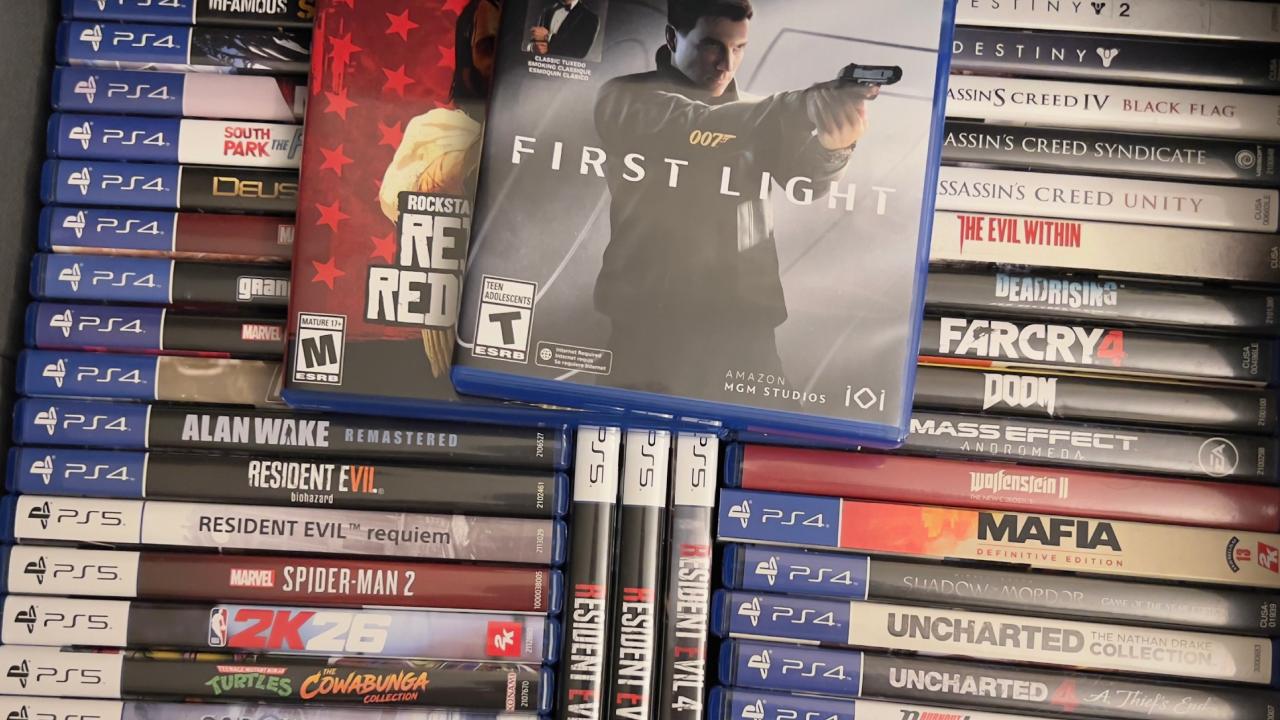
Sony’s Disc Production Plans Are Already Changing.
Recent reports suggest Sony has already started changing parts of its physical production business behind the scenes. One of the company’s major manufacturing facilities is reportedly shifting to producing optical micro lenses for AI data centers rather than gaming discs. For many fans, the news feels like confirmation that Sony is seriously preparing for a future with much less physical media support.
Some players believe the company has already committed internally to a digital-first strategy for future hardware generations. Others still think backlash from the gaming community could pressure PlayStation into keeping physical releases alive in some form. Still, many fans admit reversing those decisions may not be easy once factories and production systems begin changing direction.
Fans believe the sales numbers need more context. One of the biggest points of discussion is how Sony calculates its digital sales percentages. Many players argue that the numbers are being presented in a way that makes physical gaming appear far smaller than it actually is. The commonly repeated statistic claiming that around 85% of purchases are digital does not simply compare physical and digital game copies.
Instead, the percentage includes downloadable content, in-game purchases, free-to-play transactions, expansions, and digital-only games. Because of that, many fans believe physical gaming is competing against an enormous amount of digital content that does not even exist in retail form. Thousands of smaller digital titles are included in the data, even though they never received physical releases.
Players also note that digital storefronts naturally offer more purchase opportunities than physical retailers. Extra content, subscriptions, launch bonuses, and frequent online discounts all push consumers further toward digital spending.
Physical PlayStation Games Still Seem Surprisingly Strong.
Despite the industry’s digital growth, several PlayStation exclusives still appear to perform very well physically. Recent estimates and leaked discussions about sales numbers have further strengthened that argument. Games like Astro Bot and Ghost of Tsushima reportedly maintain much stronger physical sales percentages than many people expected.
Some reports even suggest Astro Bot may have sold more physical copies than digital ones during certain periods. That detail has become increasingly important in the broader debate over physical gaming. Many fans believe removing physical releases entirely could seriously hurt some of Sony’s own first-party franchises in the future.
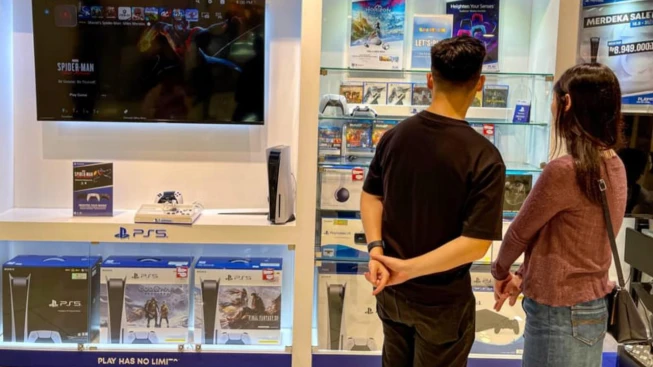
Some players also argue that younger audiences and families still respond strongly to physical releases, especially for colorful and collectible franchises. Because of that, many fans believe physical media still holds far more value than recent narratives suggest.
Physical Gaming May Not Be Disappearing Anytime Soon.
Another major topic within the discussion is whether physical gaming is actually declining as quickly as many people claim. Physical sales have fallen over the last decade, but some players believe the rate of decline has been slowing lately. Several fans and analysts now think physical gaming could eventually stabilize rather than disappear completely.
That possibility changes the conversation significantly for companies planning future console strategies around digital ecosystems. If physical games still account for 20 to 30 percent of purchases for major releases, removing physical support entirely could result in millions of lost sales. Even if some players move to digital purchases, others may simply stop buying games altogether.
This becomes even more important as modern game budgets continue growing larger every year. If you lose even a small percentage of buyers, you could still be losing serious money on expensive first-party projects. The larger fear is ownership and preservation.
At the center of the conversation is a much larger fear about ownership itself. Many players believe physical games remain one of the last reliable forms of true ownership within modern gaming. Physical copies can still be collected, shared, resold, or preserved years after storefronts eventually disappear.
Digital purchases, meanwhile, remain tied directly to online ecosystems and licensing agreements controlled by companies. That fear is one reason the discussion surrounding Sony’s digital future has become so emotional for many fans. For a large part of the community, this debate is no longer simply about discs versus downloads.
Instead, it reflects growing concerns about how much control players may continue losing over the games they purchase. As PlayStation continues to move toward a more digital future, that conversation is unlikely to disappear anytime soon.
Editor, NoobFeed
Related News
No Data.