
Lost and Found Co. Review
PC
A cozy hidden-object adventure that turns simple searching into a living cartoon world.
Reviewed by Nusrat Choity on Mar 06, 2026
Most hidden object games have a set pattern that you can get used to. There is a scene with many people and items to find. The task is to look at the scene quickly until you see something that stands out. A recipe that has been used for years, which usually makes people feel good but doesn't really surprise them.
Lost and Found Co. starts with the same thought but does something a little different with it. The game doesn't just show a still picture; every scene is full of characters, movement, and small encounters. The world doesn't feel like a game board until you start exploring a level. It feels more like a busy city going about its day.
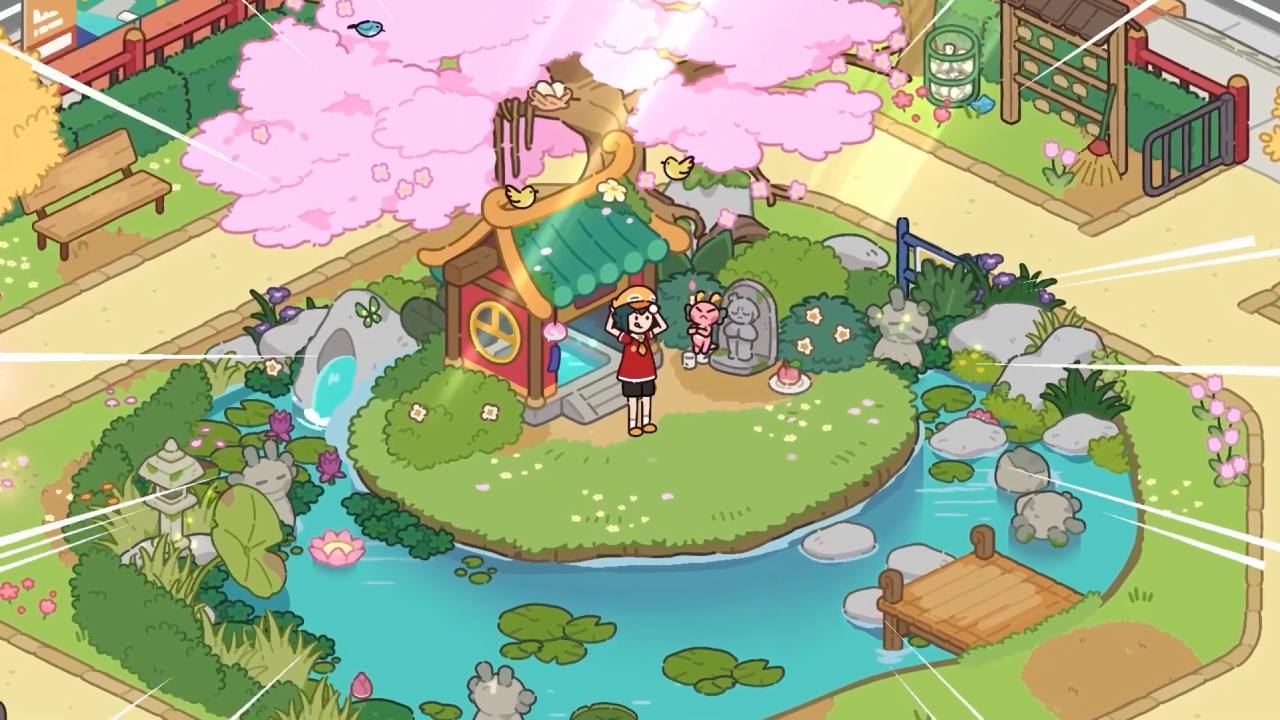
On paper, that difference might not seem like much, but it makes a big difference. Looking for things is less about looking at a picture and more about exploring a lively space to see what happens. Because of this, the hidden-object game feels friendlier, more fun, and much more lively than most games in the same genre.
Over the years, hidden-object games have slowly gained a devoted following.
They're fun for players who like slower games where you can observe and be curious instead of reacting quickly. Even though it stays famous, the genre hasn't changed much. There are still many games that use flat images and simple lists.
The people who worked on Lost and Found Co. are very aware of that history, but they also want to push it a bit. They worked on making the world itself more interactive instead of coming up with a whole new formula. There are small animations, background jokes, and moving objects in every scene.
That design choice becomes the most important part of the game. You're not just looking for shapes that are hidden in a picture; you're discovering a world where almost everything changes when you click on it. Even though the idea is easy, it gives the genre a much-needed boost.
The story is about an unusual friendship between a dying god and an assistant who has just undergone a change. Mei was an old goddess whose power had been slowly fading. People have stopped taking care of her shrine, and most of the world has moved on without her.
Mei starts a small business to help people get back what they've lost and repair her reputation. It sounds like a small idea, but in this world, it quickly grows into something bigger. Everyone is missing something important.
Mei turns a duck named Ducky into a person to help her with the process. That strange beginning sets the tone for the funny story of the game. It starts as a simple search for Mei's lost phone, but quickly turns into a full-fledged lost-and-found service that gets calls from all over the city.

The story is told through short conversation scenes and animated sequences that occur between levels. The main plot stays pretty simple, but the world around it is full of interesting characters. In almost every setting, small events are going on in the background.
While you look for the next item, characters fight, animals wander through markets, and strange things happen. The world has a playful feel because of these small, natural moments that stand out more than the main story.
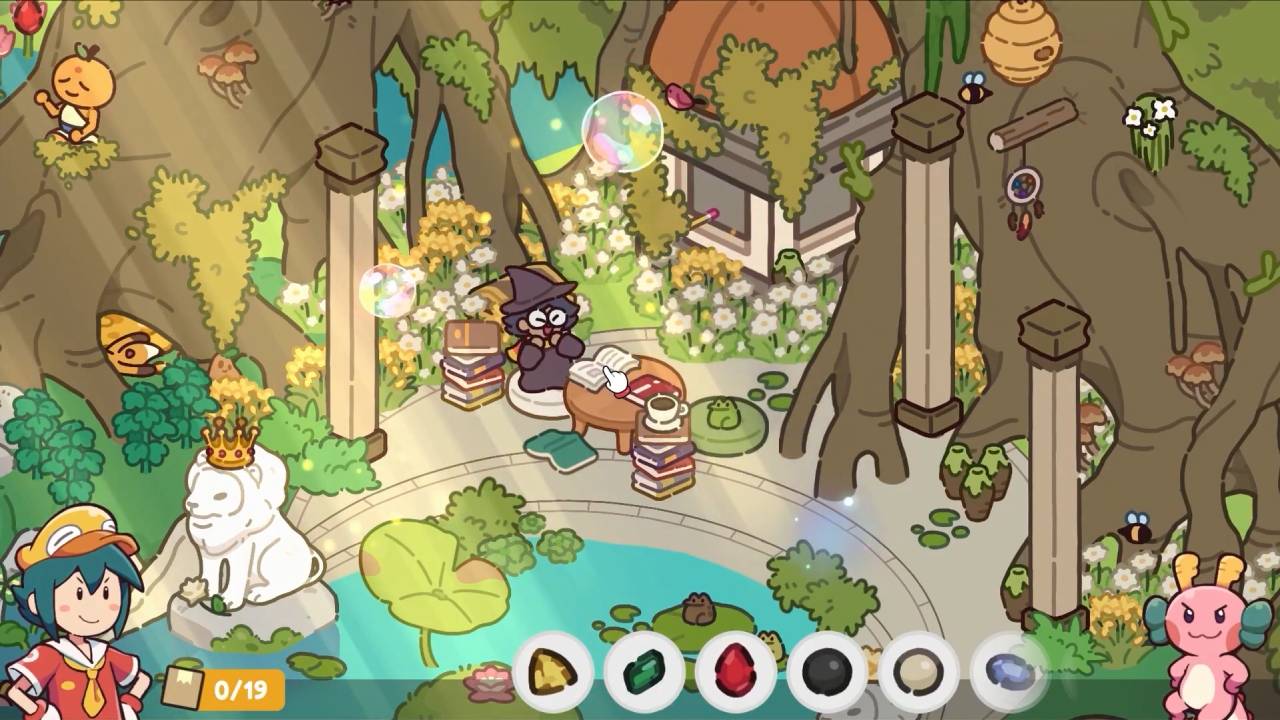
Lost and Found Co. is still a hidden object game at its core. In each level, you'll be in a crowded area with lots of people, houses, animals, and things lying around. The things that are needed to finish the job are somewhere in that visual chaos.
On the interface, a list of targets shows up. The goal is to carefully look around until every item is found. People who have played games of that type before will recognize that part of the experience.
The part of the game that really stands out is when you can interact with each scene.
Rather than acting as a static illustration, the environment responds to curiosity. When you click on something, doors open, characters move, tools start up, and animals run or jump.
These interactions can sometimes show things that were hidden before. A cabinet door could swing open, a box could move out of the way, or a figure could move out of the way of something they were blocking. Sometimes the involvement is only there to be funny, with a funny animation to reward interested people.
Because of this, looking never feels like lying down. In this process, you don't just stare at a screen and wait for something to stand out; you play around with the world itself. Part of the puzzle is clicking on things in the world.
The main way to move forward is through story levels, but a lot of the material comes from side requests. These extra quests add new tasks and places to explore, making the game a bigger scavenger hunt than it seems at first.

The puzzle is based on being patient and observant. It's rare for things to be put in clear places, and many of them blend into their surroundings. Some things are right in front of you, but they look so much like other things around you that it's easy to miss them.
Others are partly hidden by moving parts; you have to move to see the item.
This method makes the search process interesting. There are usually visual distractions in the environment that make the final finding satisfying, even if something seems easy to find.
The game has a helpful hint system to prevent anger from slowing things down too much. As soon as you pick up an item, you might get a hint about where it might be hidden. Most of the time, these clues lead the search without giving away the answer right away.
Unique items hidden throughout the levels can be collected to reveal yet another layer of clues. You can collect these faint, shimmering things and then use them to get more direct advice when you need it. During discovery, that system sets a second goal. As you search for mission goals, your focus naturally shifts to identifying the resources you can collect.
You can add even more depth with optional tasks. Some jobs ask you to find groups of animals or certain details about the environment that aren't needed for the story to move forward. Most of the time, these tasks don't give any hints, which makes you explore more slowly and carefully.
The business's growth is linked to progress at Lost and Found Co. When you finish jobs, your reputation goes up, and new story chapters become available.
Sometimes, to move forward, you have to go back to older levels and look for things you missed the first time. This may slow things down for a short time, but it also makes you look again at areas you may have skipped over the first time.
The amount of material is greatly increased by adding side missions. Some involve helping people recover their lost belongings, while others introduce small plots or funny situations that unfold across the city.

Later in the game, there is an extra function that lets you change how Ducky's personal space looks. You can place an order for items you find while exploring the room, which is a fun and creative break from the searching gameplay.
One of the best things about the whole experience is, without a doubt, the visual style.
Every scene is drawn in a cartoon style that is full of character and color. People go about their daily lives, animals roam the markets and parks, and buildings are full of tiny details. The sheer number of images running at once makes these scenes stand out. Each place comes to life with hundreds of small moves.
If you click on a drone, it might fly across the screen while characters close by look shocked. If someone finds a fox hiding among flowers, it might jump with joy. Even figures in the background often perform looping animations, keeping the scene lively and busy.
Moving from one place to another also keeps things looking new. Each stage has a different vibe, from busy shopping areas to quieter countryside. Even with a lot of detail, the art direction is still easy to read. With careful study, important things will still stand out, ensuring the search never gets too hard.
The sound design adds to the game's cozy mood in a quiet way.
The music is mostly light and happy, which complements the slow pace of the experience. The music doesn't get in the way very often; instead, it's a nice background noise for longer search sessions. Sound effects are more important. Almost every contact leads to a small response, which supports the idea that things happen because of what you do.
When you find an object, you hear a satisfying sound, and clicking on things in the world often makes funny noises that go with what you're seeing on the screen. These little details make each contact feel more real, giving you a sense of feedback that keeps exploring fun.
Lost and Found Co. shows that even a theme done to death can feel new when approached creatively. The basic gameplay is still pretty simple: look around and find the object. But the dynamic environments and playable details bring that recipe to life in a new way. The story is mostly just a way to connect the different levels.
There are times when the conversation goes on for too long, but the real charm comes from the world itself. Small things happening in the background and visual jokes always keep people interested. The gameplay is just the right amount of relaxing and challenging. Even though it's still easy to search for things, optional chores and layered environments keep things interesting over time.
What's most important is that the game feels warm all the way through. Every place feels carefully planned, with little surprises that make exploring fun even after a long time. Lost and Found Co. is one of the cutest hidden-object games released in a while. It's perfect for people who like to take their time and be curious.
Contributor, NoobFeed
Verdict
Lost and Found Co. is a fun hidden-object adventure with lots of cute scenes, engaging exchanges, and cozy exploration. An already famous genre gets more interesting with this entry. Every search feels like a prize.
70
Related News
No Data.