
Mado Monogatari: Fia and the Wondrous Academy Review
Nintendo Switch 2
A whimsical dungeon crawler with charm, chaos, and curry.
Reviewed by Adiba Manha on Aug 23, 2025
You may be forgiven for being unaware of the existence of the Mado Monogatari series. It began as a dungeon crawler for the MSX computer that was only available in Japan, and its roots span decades. The series gave rise to one of Sega's most cherished puzzle spin-offs, Puyo Puyo, which became well-known worldwide, despite remaining largely unknown outside of Japan.
The adorable blobs you blast away in Fia and the Wondrous Academy are obvious references to the shared past, despite the fact that the two may appear unconnected. With a cute, anime-inspired aesthetic, this most recent entry abandons puzzles and returns to the dungeon-crawling origins.

Longtime fans will see it as a resuscitation of a series that was never given the attention it deserved in the West, while new players will find it to be an approachable role-playing game that blends conventional magical academy settings with slapstick humor. It is portrayed as a playful blend of character development, dungeon exploration, and hectic school life for the Nintendo Switch.
As a result, Fia and the Wondrous Academy has a lot of personality, but it also has a number of problems that prevent it from being its best. The extravagant opening of Mado Monogatari: Fia and the Wondrous Academy immediately establishes the mood. With her pet Carbuncle, Fia, a young child with aspirations of becoming a master wizard, attends the esteemed Ancient Magic Academy.
An entry ceremony that ought to be solemn and official soon turns chaotic. Professors watch in terror as one student inhales fire after eating something too spicy, another attempts to kill Carbuncle even though the monster is harmless, and Fia fumbles clumsily to calm the chaos. The protagonist of the tale is Fia, a regular girl who inherited a mystery book from her grandmother. Fia is not yet aware of the immense magical power hinted at in the book.
Eska, a dragon maiden who first wants to kill and eat Fia but later becomes her devoted admirer; Totto, a mercantile opportunist who always follows the money; Leena, a socially awkward prodigy; and Will, a wannabe hero who insists on calling his attacks ridiculous names like "Burning Morning Strike", are among her strange classmates.
This group, collectively known as the "naughty class," is entrusted with overcoming their peculiarities while learning how to operate as a team and overcoming magical challenges. There are some truly endearing moments in the novel, particularly as the relationships among the classmates deepen. But the humor is still there, and how much you like Fia and the Wondrous Academy's narrative aspect will mostly depend on how well that suits you.
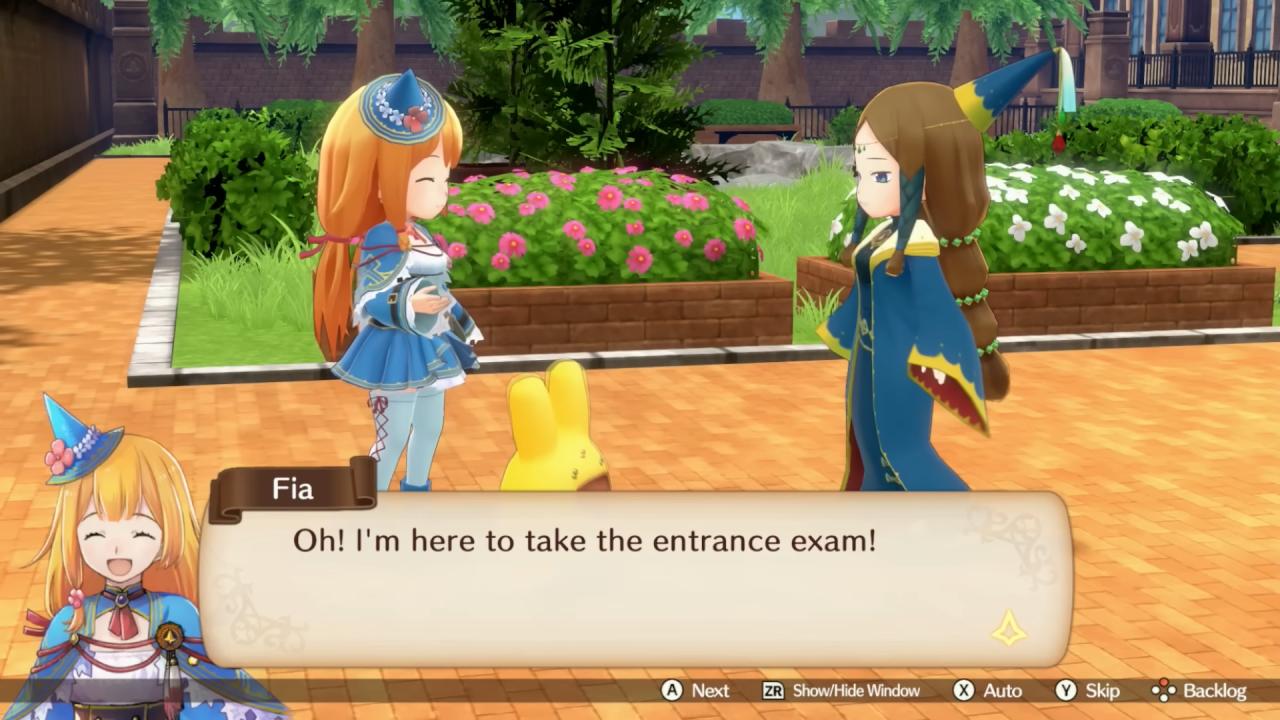
Even if you don't understand the language, the emotional delivery of the performances is evident due to the strong energy of the Japanese-only voice acting and English subtitles. Because cutscenes can be lengthy, especially in the beginning, less patient players may be tempted to skip them, but doing so could result in the loss of some unexpectedly nuanced character development.
Fia and the Wondrous Academy's primary framework alternates between dungeon exploration and school life. By finishing lessons, exploring dungeons, and submitting assignments, you can raise your Mage Rank, which is your ultimate aim. The cycle is simple yet efficient: you speak with your professors to get lessons, finish activities that resemble tutorials, improve your grimoire, and then advance to the next dungeon to advance the plot.
The actual dungeons are multi-story towers that are procedurally produced. There are adversaries, traps, resources, and loot on every floor, with a boss fight at the top. You then go back to the academy to "turn in" your progress, which is similar to turning in an exam. Although it becomes monotonous after a few runs, the loop provides a good mix of exploration and relaxation.
You can explore the academy grounds, engage with NPCs, and engage in side activities in between dungeon crawls. Fishing, gardening, cooking, fertilizing trees, and item synthesis are a few examples. A few of these systems feel really relevant in practice.
For instance, cooking curry directly affects gameplay because various curry recipes either offer helpful bonuses or restore your VT meter. Stronger equipment can also be made with item synthesis. However, after the tutorials are over, there is little incentive to continue participating in tasks like gardening or fertilizing trees, which feel like add-ons.
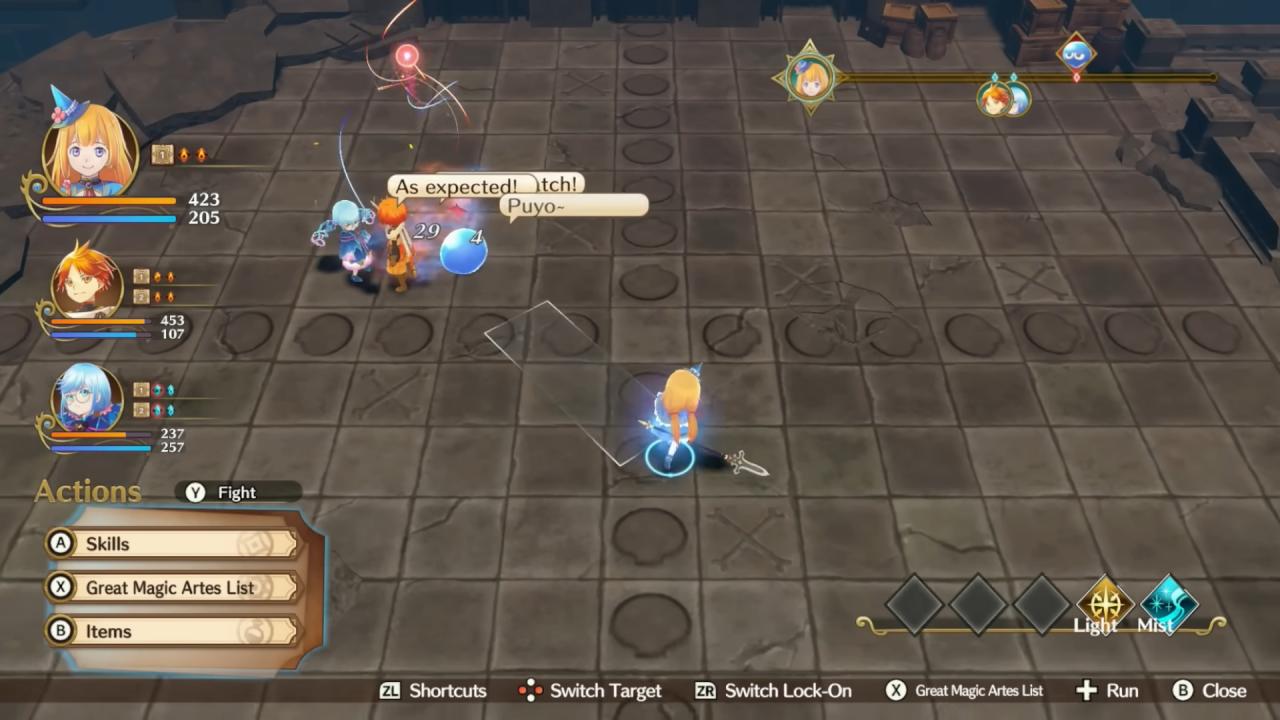
One of Fia and the Wondrous Academy's distinctive features is the VT (Vitality) meter. Your VT depletes as you investigate dungeons, open chests, or destroy pots. Your character starts to lose HP when it hits zero until you pass out or use curry to restore it. It forces you to balance the advantages of looting everything against saving energy for greater ascents, adding another layer of resource management.
It gives curries a real mechanical significance and prevents you from blindly pounding every floor, even though it isn't particularly punitive. Fia and the Wondrous Academy combat is a strange hybrid. At first appearance, everything appears to be turn-based, but it actually happens in real time. Every character moves along a meter, and when it's their time, you can use an item, cast a spell, or attack.
Aiming is necessary for attacks, and while auto-lock is an option, it can make it more difficult to foresee enemy movement. Disabling auto-lock frequently improves the dependability of abilities, particularly precise, narrow spells. When it functions well, the system rewards you for combining spells, but frequent encounters don't require much skill. If you stick to one or two trustworthy spells or spam basic assaults, you can win a lot of encounters.
Additionally, there is a lack of diversity in the enemy, with Puyo-like blobs resurfacing long after you would think they had moved on to more difficult opponents. Even the Great Magic mechanics are unable to completely conceal the grind after ten hours, when the repetition becomes apparent.
Combat is accessible, though, particularly on Normal difficulty. It seems obviously made for dungeon crawlers who are just starting. Although there is a Hard option for seasoned players looking for greater difficulty, the majority of Fia and the Wondrous Academy is more approachable than punitive. You rarely feel overpowered if you use Great Magic and boosts strategically, and AI teammates usually hold their own.
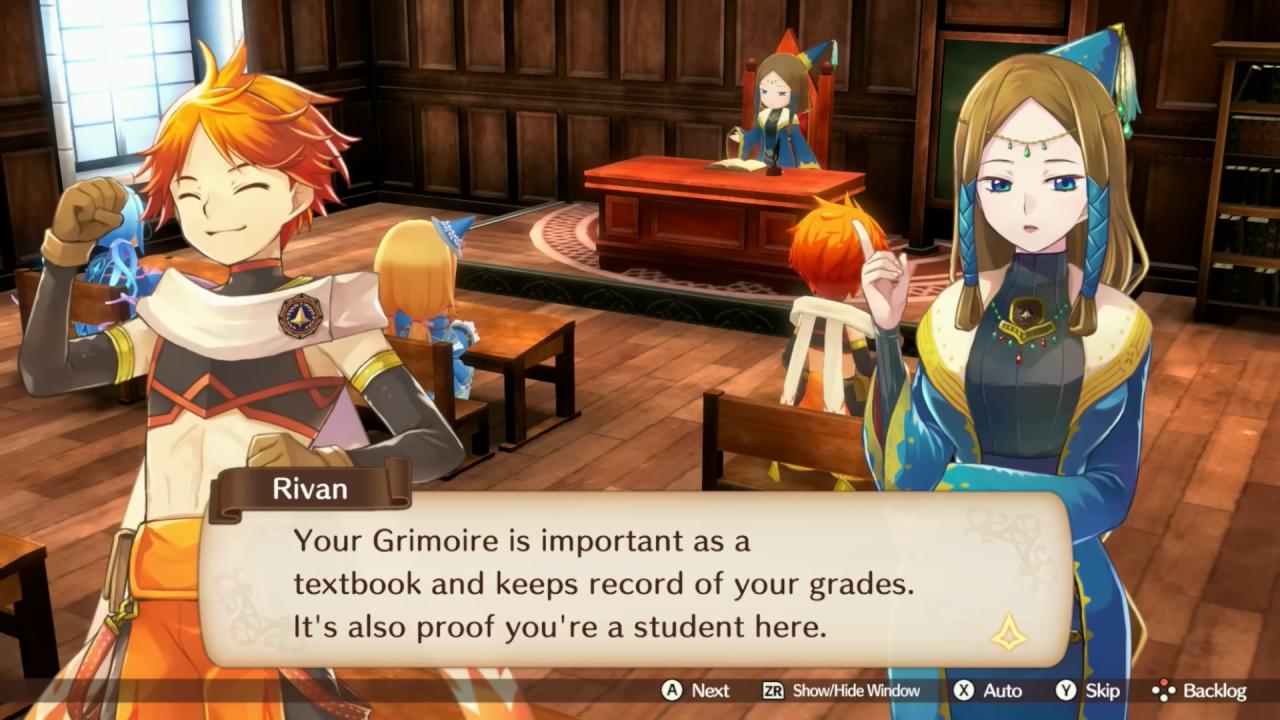
Completing school tasks and slaying monsters both contribute to experience gain and advancement. Leveling up increases your stats, and upgrading your grimoire opens up new spells and side activities. However, because the VT system prohibits continually farming dungeon floors, XP grinding feels constrained. This prevents you from overleveling too soon and makes progression constant yet regulated.
Fia and the Wondrous Academy largely relies on vibrant, vivid anime graphics on Switch. The academy grounds are bright, well-kept, and have a positive, welcoming vibe. The overall presentation has a welcoming charm, the characters are expressive, and their designs are distinctive enough to stand out.
But dungeons are less motivating. They rely on rather simple designs and repeating stone textures, despite their haphazard arrangements. Long runs feel visually monotonous because there isn't much variation as you go through them. It seems like more work was put into the school setting than the actual crawling parts of Fia and the Wondrous Academy, and the contrast between the vibrant academy and the boring dungeon areas is noticeable.
The lively anime tone is reflected in the soundtrack, which features energetic tunes that accentuate the amusing atmosphere. The music picks up in intensity during battle, but it doesn't last as long as more memorable RPG soundtracks.
Speaking only Japanese, the voice acting is animated and frequently overdone, embracing the high-energy delivery and slapstick humor. The performances, which occasionally go into endearingly corny terrain reminiscent of anime dubs from the 1990s, successfully convey the mood even if one does not understand the language.
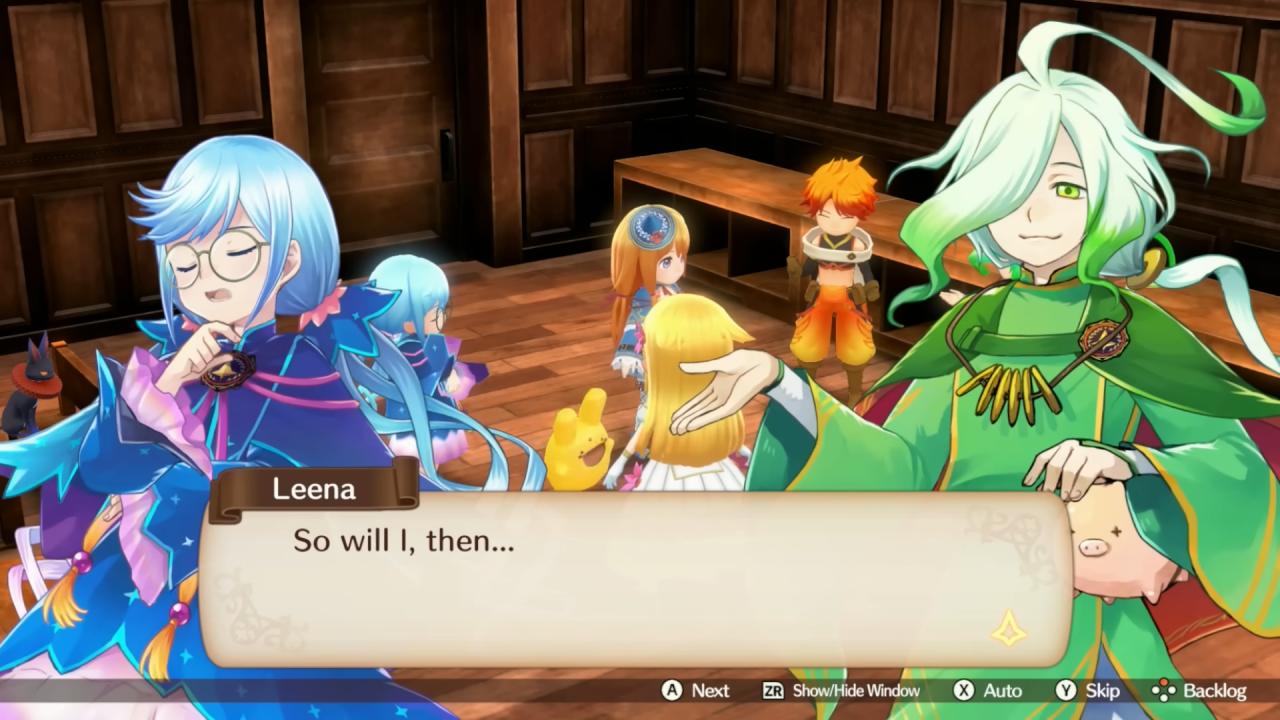
A strange yet endearing resuscitation of a long-dormant series is Mado Monogatari: Fia and the Wondrous Academy. It provides a cozy, approachable dungeon-crawling experience on the Nintendo Switch, complete with slapstick humor, anime charm, and oddball features like curry-based stamina management. It offers a fun, low-pressure journey for casual RPG enthusiasts or those interested in a peculiar bit of Japanese gaming history.
However, there are some frustrations. Some side activities feel forced in, the dungeons soon get monotonous, and the comedy isn't for everyone. Although the Great Magic system provides a solid basis for combat, the monotony and dearth of diverse enemies eventually become tiresome. Given that it costs $50, it could seem pricey for what it provides; thus, it would be wiser to buy it on discount rather than at full price.
Editor, NoobFeed
Verdict
Fia and the Wondrous Academy have enough heart to see you through if you're willing to put up with its foolishness and like a dungeon crawler that relies more on charm than grit. Mado Monogatari finally gets a chance to shine outside of Japan.
79
Related News
No Data.