
Marisa of Liartop Mountain Review
PC
Marisa of Liartop Mountain: A tabletop-inspired Toho adventure.
Reviewed by Asura Kagawa on Sep 23, 2025
Marisa of Liartop Mountain is a strange and interesting change from the usual bullet hell chaos that Toho is known for. This game, which was developed by Unknown X and Alliance Arts, reimagines well-known figures like Remilia in the style of a tabletop role-playing game. Most Toho games are fast-paced and rely on quick reflexes.
Marisa of Liartop Mountain, on the other hand, focuses on storybook presentation, tactics, and story choices, making it feel like both a game and a visual novel. There is a lot of history between the developers and the Toho world. They've created a vast library of games featuring fast, intricate bullet patterns that often put players up against seemingly impossible odds.
This time, though, Unknown X wanted to try something new with the series. They mixed their skill at making characters and stories with gameplay elements from board games and turn-based RPGs. As a result, the entry is distinctly different from the others, yet it remains clearly Toho, with all the odd and cute characters that fans have come to expect.
Marisa of Liartop Mountain's story takes players through the mysterious and dangerous Liartop Mountain, a place that is both fun and risky. You embark on a journey with Remilia that isn't filled with bullet storms, but is instead more personal and story-driven. Along the way, well-known figures like the Scarlet Mansion crew show up, and their dialogue and interactions can go in different directions, which changes how the story goes.
The game's complex story is one thing that stands out. It might look easy at first: move across a board, roll dice, and deal with events. But Marisa of Liartop Mountain does a great job of combining story choices with their results. For instance, a simple run-in with a "Husk Marissa" can either turn into a fight or a chance to plan a strategic retreat, based on what the player does.
Choices you make in dialogue affect both the relationships between people and the problems you'll face, so you should play it more than once to see different results. The cutscenes are brief but effective, providing just enough background to keep you engaged without detracting from the gameplay.
At its core, Marisa of Liartop Mountain is like a mix between a storybook RPG and a strategy board game. Players move Remilia figurines across a game board by rolling dice to decide how to move and what will happen in each battle. In most Toho games, dexterity is important, but in this one, tactics and planning are more important.
It takes more thought to move and look around than in bullet-hell games. Every piece on the board could hide a puzzle, an enemy, or an event that tells a story. Moving forward through the mountain is kind of fun because you never know when a step will lead to a fight, a game, or a story choice. This sense of anticipation makes the game interesting, especially as players consider which move carries the most and least risk.
.jpg)
Marisa of Liartop Mountain's combat is turn-based and depends a lot on stats, dice rolls, and where you stand strategically. Players must decide when to attack, defend, or use things. Each enemy has its own unique skills and methods of attack. The method is easy to use and lets you make good decisions.
These meetings often involve puzzles. On one floor, for example, a hole in the shape of a person stops progress. It might look like an easy obstacle, but it actually adds challenges based on timing, pattern recognition, and logic. Puzzle solutions can lead to rewards such as increased health, additional dice rolls, or story perks. But if you fail, you might have to fight tougher enemies or lose important supplies.
What's truly remarkable about Marisa of Liartop Mountain is how well it balances being challenging and enjoyable to play. Puzzles and battles aren't too hard, but they still need your full attention and strategy. Some people might find random dice rolls annoying, but these elements of the game add to the board game feel and make winning feel more rewarding.
In Marisa of Liartop Mountain, you get experience points (XP) mostly by beating enemies, solving puzzles, and reaching certain story goals. Remilia can level up by getting experience points, which raise his health, attack power, and special skills. The progression system is subtle but important; it rewards smart play and strategy choices over brute force.
In other RPGs, grinding can be boring, but this one makes getting XP a natural part of the main loop. Every meeting and puzzle you solve helps improve your character. This encourages players to utilize all the game's features, including combat, exploration, and decision-making in conversations.
The XP system is also connected to the story; as characters level up, they gain access to more dialogue choices or different ways to solve problems, which supports the story-based focus of Marisa of Liartop Mountain.
.jpg)
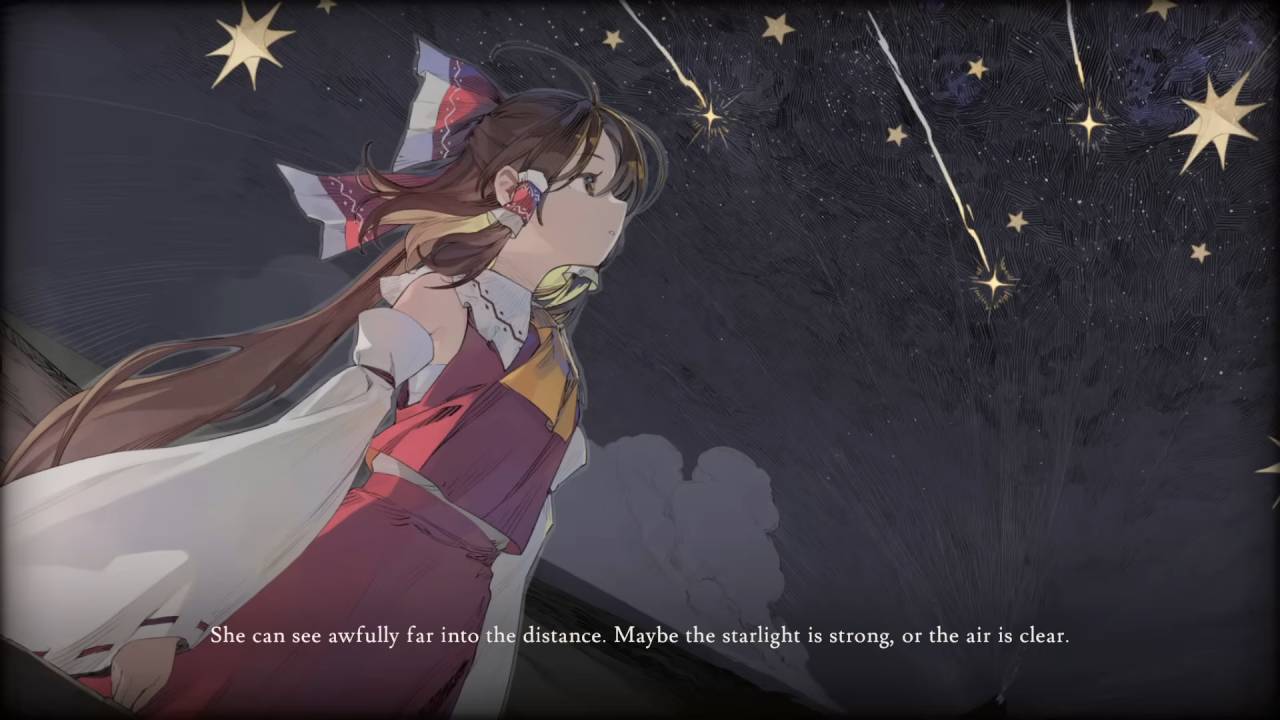
Marisa of Liartop Mountain is beautiful to look at. With bright, detailed character sprites and settings that feel both magical and real, the game looks like a storybook. Character models that look like figurines move across the board in cute movements that make you feel like you're moving pieces in a real, magical game.
Backgrounds are beautifully drawn, blending fantasy and surrealism to create mountains that appear to be alive. The art style doesn't attempt to be too realistic, but it fits the game's tone perfectly, blending silly fun with a sense of mystery and danger. Some visual flourishes, such as glowing dice rolls or animated magic effects, enhance Marisa of Liartop Mountain's appearance without being excessive.
The sound design and music make a big difference in the experience. The music flows smoothly between tense, fun, and epic tones, adding to the stress of both the story and the game. The sound effects for combat are clear, and each roll of the dice, attack, and action by an enemy gives satisfying audio input.
Voice lines for important characters are few but well-done, giving interactions personality without being too much for the player. Sounds in the background, like the wind blowing down the mountain and Reimu's soft shuffle, give you a sense of where you are. Together, the audio elements contribute to the storybook feel and enhance the game's mechanics.
Marisa of Liartop Mountain is a risky attempt to combine classic Toho characters with a turn-based system based on board games. It transitions from the fast-paced action of bullet hell games to strategy-driven, story-based gameplay without losing the series' unique charm and personality.
Its strong points are its unique design, interesting story, and fun mix of fighting and puzzles. The dice rolls can feel random at times, but they fit the style of the board game and add real moments of stress. The progression of XP is well thought out, rewarding careful play and encouraging discovery. Both visually and audibly, Marisa of Liartop Mountain does a great job of creating a fun and engaging atmosphere.
.jpg)
Some long-time Toho fans might miss the fast-paced action of earlier games, but Marisa of Liartop Mountain shows that the brand can do well in genres that aren't its usual ones. It's a fresh and engaging take on a well-known world, and both newcomers and veterans will thoroughly enjoy it.
Marisa of Liartop Mountain is a must-play for anyone interested in story-driven RPGs, strategy board games, or just getting to know another side of Toho. It stands out because of its charm, depth, and creative design. It's both a serious adventure and a fun new take on a familiar world.
Staff Writer, NoobFeed
Verdict
Marisa of Liartop Mountain is a bold, storybook-inspired Toho experiment, trading bullet-hell chaos for strategic RPG charm. Unique, immersive, and charming, though dice randomness and pacing issues may not suit everyone.
85
Related News
No Data.