
MEMOLITH: Forsaken by Light Review
PC
A turn-based tactical RPG set in a city overrun by darkness.
Reviewed by Adeela Tas on May 14, 2026
Memolith: Forsaken by Light is hardly a newcomer when it comes to indie RPGs, though maybe you'd remember it under a former name. In fact, Remore: Infested Kingdom underwent a rebranding effort by developer Black Anchor Studio and publisher Webzen, and was updated to version 1.0 on April 27. The game was in early access for some time before reaching its current state, but it has undergone significant changes since then.
Players who followed its evolution during early access can spot differences in various areas of the game, including map layouts, some mechanics, and even character screens. Of course, it's not just the name that has been changed in Memolith: Forsaken by Light. As one would expect, the developers made an effort to maintain consistency throughout the process.
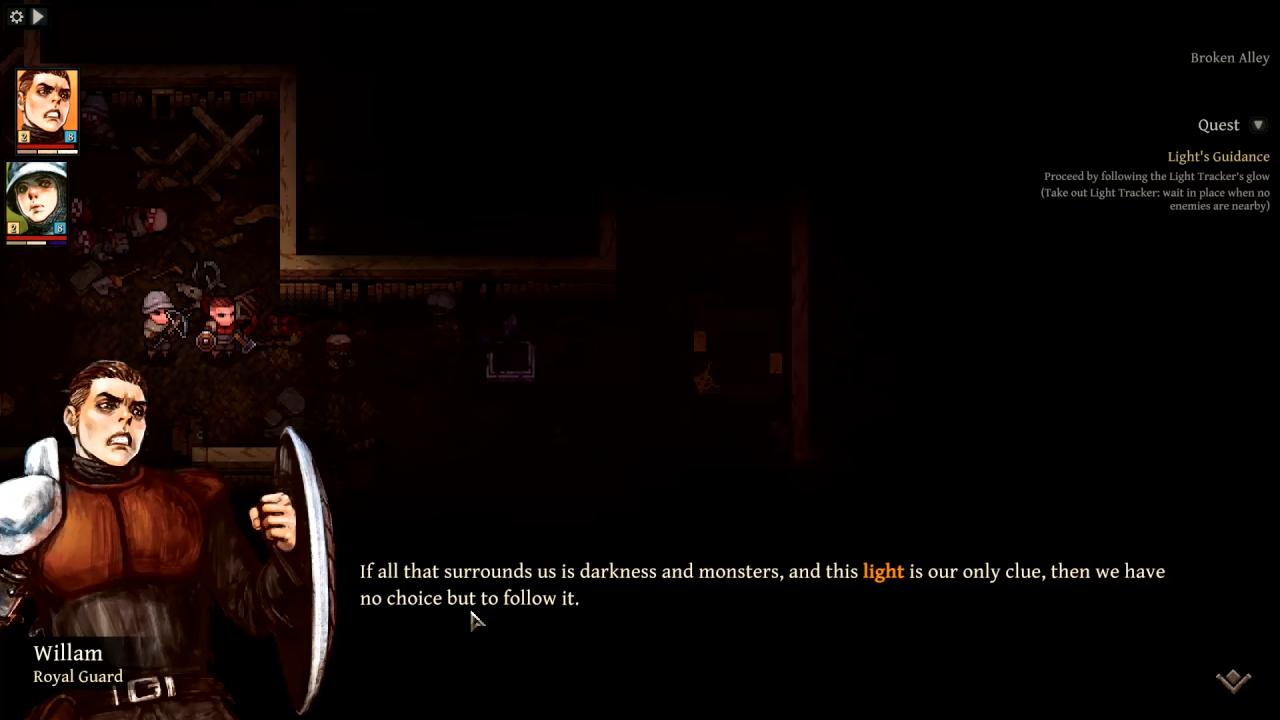
This approach to game design makes Memolith: Forsaken by Light feel well thought out and well developed by version 1.0. So, whether it's your first encounter with the game or you've been away for a while, it will still offer some interesting experiences. The game takes place in a medieval town where the destruction of the Memolith has turned most of the population into monsters, leaving only a few survivors who still resist.
The setting revolves around a world consumed by darkness, where survival depends on careful planning, resource management, and tactical decision-making. The atmosphere is consistently oppressive, and the world's design reflects the collapse of civilization under supernatural infestation and decay.
The simplest way to understand Memolith: Forsaken by Light is to compare it to games such as Stoneshard and Darkest Dungeon. If you are familiar with Stoneshard, you have a good idea of what is happening; think Stoneshard, but with a party mechanic layered on top of its survival-driven exploration and tactical combat systems.
If not, another decent comparison would be Darkest Dungeon. In this game, you get together with your party for an adventure against the monstrosities that seek to consume all. You fight the evil monstrosities to obtain equipment and advance through the narrative, while also managing risk, positioning, and long-term survival of your team members.
This party element separates Memolith: Forsaken by Light from both of the other games in significant ways.
Stoneshard is more about individual survival, while Darkest Dungeon is more focused on psychological and attrition effects; Memolith combines those elements with its own tactical combat and exploratory mechanics. Although the three games differ in their core gameplay mechanics, the first two make for an extremely useful comparison in terms of tone, pace, and challenge.
At any rate, the story begins in Remore – a city that got enveloped in a shroud, losing its source of light, the Memolith. Naturally, the guiding pillars around Remore are now less visible than ever before, and its streets are overrun by the monsters brought there along with the shroud. In essence, you get yourself a very unreliable environment to navigate around.
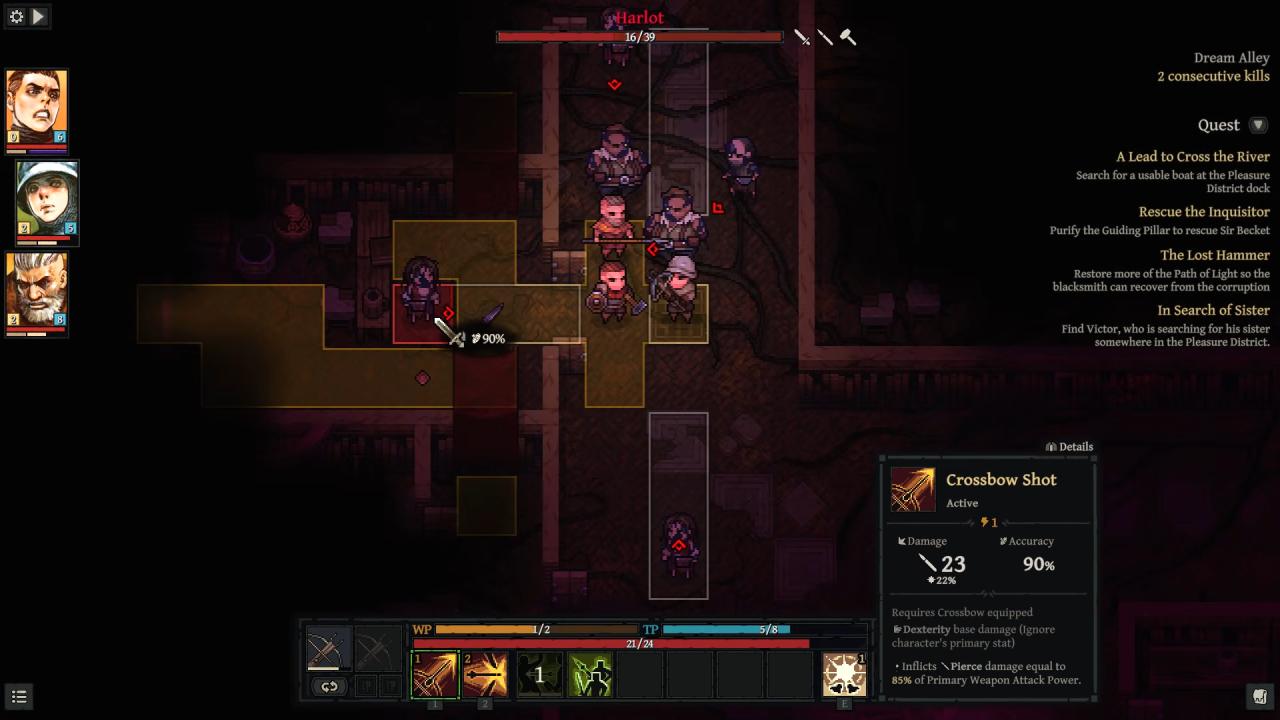
As your first character to meet and team up with, you will encounter Edwin, who happens to be an arbalist of the militia. He joins your party after finding out he had forgotten to take his crossbow and seeing your ability to track. Since there is an expert tracker in your party, Edwin wants to travel alongside you into Remore through its ruins. His presence also reinforces the idea that survival in this world depends heavily on specialized skills rather than general strength alone.
From the beginning of the game, you have been briefed about your objectives by a scribe called Giuseppe.
The mission involves returning to the city, activating the fallen pillars, and collecting the broken pieces of the Memolith. The base commander for the party in the game is the scribe, who acts as both narrative guide and mission authority, ensuring that each expedition has a defined purpose and structure.
Your second companion will be Diurmuid, a barbarian that you find bound in Broken Alley. Thinking that his fate is sealed in becoming a beast, he pleads for death rather than being saved. You release him and restore his axe to him, thus forming an alliance between the two of you. His introduction conveys the game's gloomy nature, with constant despair and the threat of becoming a monster.
Ellen stands out among other survivors because she has the Gift of Sight, which allows her to see things invisible to ordinary mortals. Having reached Remore, the abandoned city, she proves especially valuable because of this gift and her ability to explore dark places.
Among other important characters, there is also Fabrice, the blacksmith of your hideout. After the black shroud covered the whole world, he went looking for his relatives but returned with no memory of what had happened to him during that time. While Fabrice may not be very helpful initially, he turns into an indispensable asset once you start bringing back raw materials for crafting weapons and armor, forming the backbone of your progression system.
Outside your own faction, Memolith: Forsaken by Light establishes its world using found writings and brief dialogues.
There is a letter from a character named Daisy to another named Andrew, in which she speaks about working for yet another character, Olivia, and urges him to wait for her. These fragments of storytelling build a sense of a wider world that existed before the collapse.
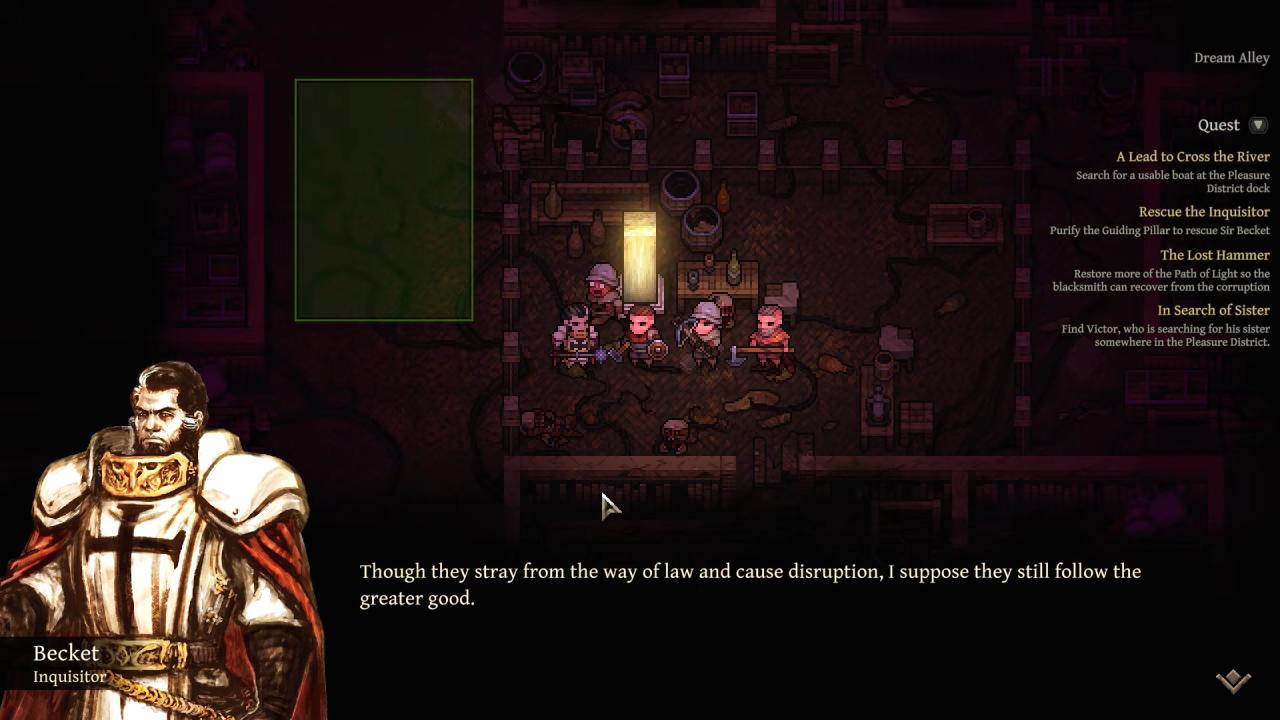
Then there is a man called Victor, living in the pleasure district, who is searching for his sister, who apparently wears a red cloth around her arm. He himself is portrayed as an intimidating presence in the pleasure district, with a reputation for a left hook known far and wide, but this dark shroud seems to have affected him as well, weakening or distorting his former identity.
Lastly, there is the Inquisitor Sir Becket, portrayed as rigid yet firm, and you are supposed to locate him in the pleasure district. His role conveys authority and structure in a collapsing city, and his presence adds another layer of political and institutional tension to the narrative.
In non-combat situations, the player clicks to move their party around the map and to interact with objects such as notes, crates, and items in almost real time.
Exploration is therefore not passive but active, requiring constant attention to movement and environmental awareness. If the player’s character enters the visual detection radius of an enemy, a red alert box flashes, signaling an impending alarm that will occur unless movement is adjusted accordingly. This creates tension during exploration, as positioning and timing become just as important as combat readiness.
Once the enemy has detected one of the player’s party members, the game alerts them with an alarm sound that pulls all other enemy NPCs to the scene. In Memolith: Forsaken by Light, moving into an encounter without considering one’s surroundings can be fatal very easily, and the red alert screen is one of the most important warning systems in the game.
The moment the fight begins, everything in the game becomes turn-based. Everyone has weapon actions and tactical actions depending on how many AP (action points) they have during that turn. This system ensures that every decision carries weight, especially when multiple enemies are present.
Your shield fighter will get a head strike, which means she has a passive skill to defend herself using the shield right before an attack is made, and will block the attack. She also gets a push ability when using the shield, where she will force the opponent away while doing collision damage if they are backed into another enemy or object.
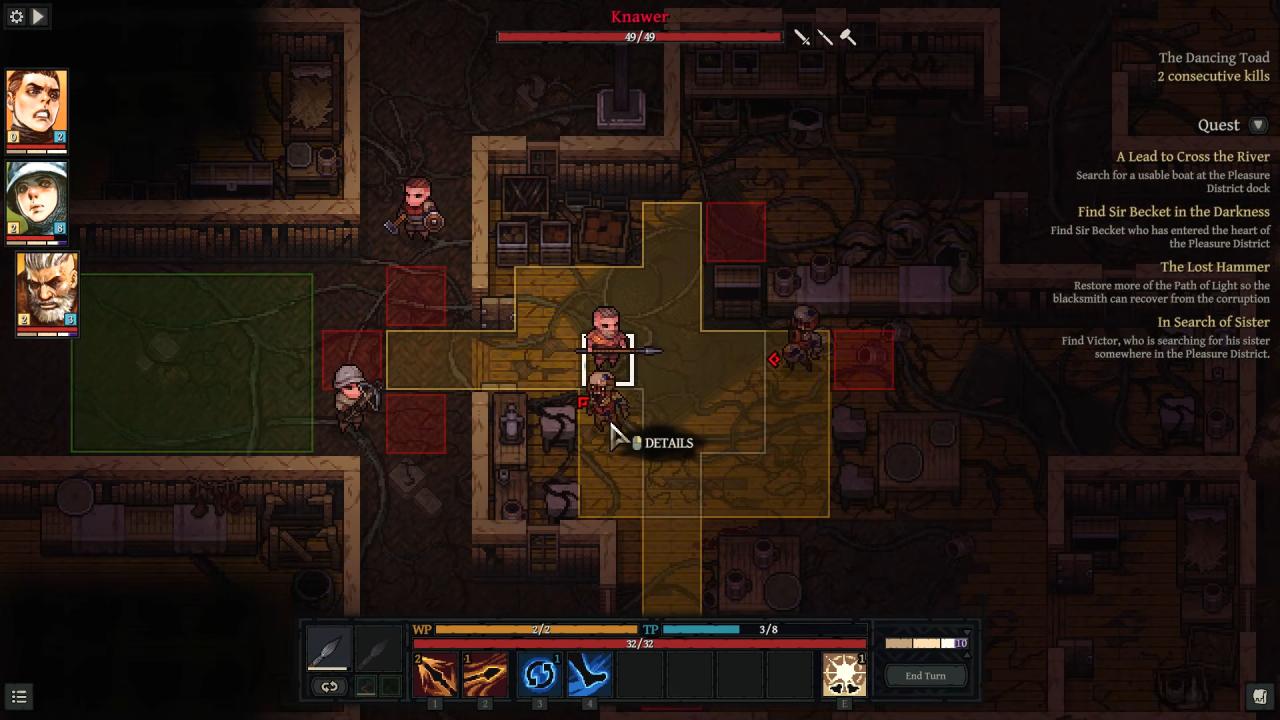
The second one will have passive support fire: she will automatically shoot any of her teammates' opponents who attack someone close to her. She also has a piercing shot that allows her to attack several enemies in a line at once. Your barbarian has a downward strike for single-target damage and a sweep attack for hitting multiple enemies in an arc. You alternate between your characters using the Tab key.
Positioning plays a critical part in Memolith: Forsaken by Light.
Positioning yourself within a door to funnel enemies into the tank and allow your archer to shoot from behind is a perfectly valid method that works out most of the time. Tactical placement often determines victory or defeat more than raw stats or equipment.
Having an archer stand up on the frontline will result in failure most times, and having yourself get ambushed as a result of thinning out your party is an easy way for you to lose a member. These positioning risks are designed to force careful planning before every engagement.
Your enemies will have a sight direction represented by a white arrow pointing towards the direction they are facing, but you will be able to use a coin to divert their attention and take advantage of this to approach them in a way that makes them unaware of your presence, which allows you to have a combat advantage and improved hit potential.
Corruption is another crucial aspect in the understanding of Memolith.
Forsaken by Light. All characters have their own will meters, which gradually decay in the dark-shroud environment. Once your will meter decays completely due to corruption, you start losing hit points when taking actions instead of only consuming tactical points.
Putting yourself in such a position in the middle of an expedition would mean a great deal of trouble. In fact, handling corruption while fighting enemies simultaneously is one of the main sources of tension in the game. Healing items like bandages cannot be used during battles, meaning you must plan ahead and act appropriately before entering combat.
The guiding pillar system is the central objective mechanic in Memolith: Forsaken by Light. It comes with a particular twist that affects how you tackle all levels. Once you begin to purify the pillar, all the enemies on the screen will be alerted to your presence and come after your party.
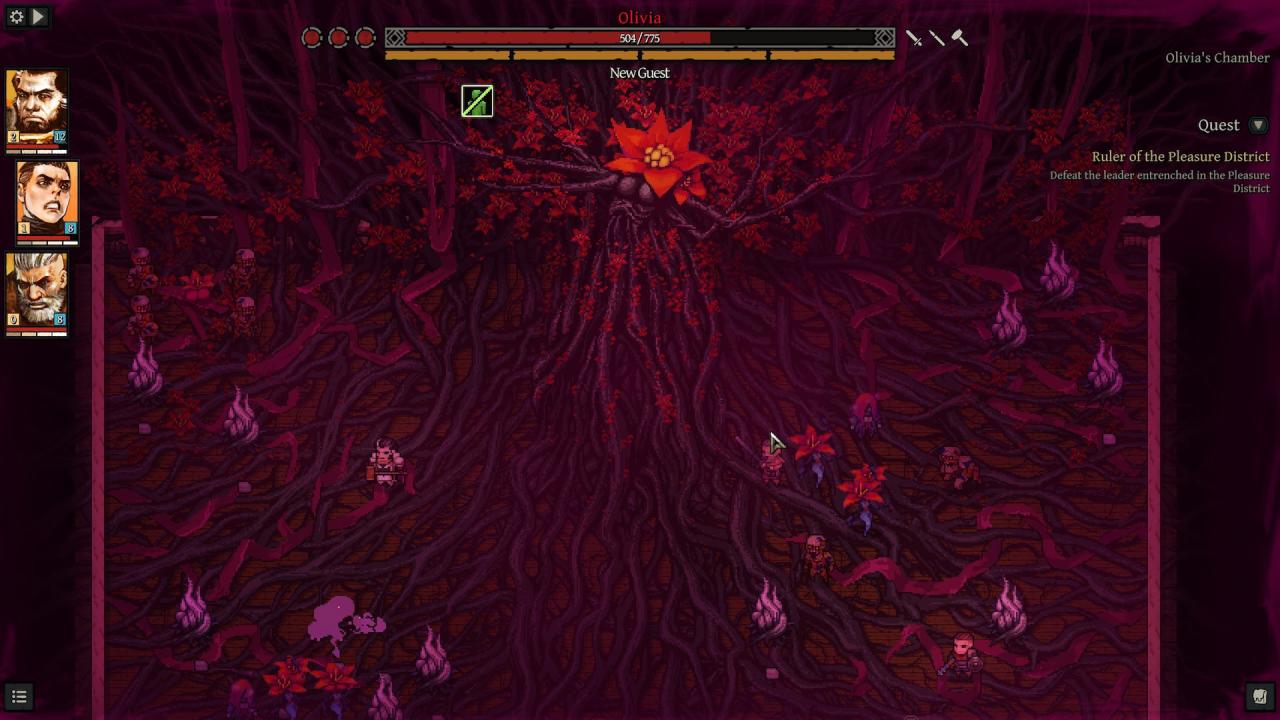
This purification process takes up an entire turn and is canceled whenever you or your party member is attacked or forced to leave the pillar. In order to successfully purify the pillar, at least one member of your party must remain on the pillar undisturbed until the beginning of the next turn. This can only be done by characters who have a light tracker.
Once the pillar is purified, all the enemies in that area die, and visibility returns to normal.
This offers a strong strategic payoff for surviving the high-risk activation phase. You can choose to clear enemies first and then activate the pillar safely, or purify it first and survive the incoming swarm. There comes a point in the game where handling both at once becomes necessary, and succeeding in those situations is one of the game’s most satisfying challenges. The fighting system also includes a corruption faction mechanic that adds further depth to encounters.
Certain enemy units still retain fragments of their humanity, causing them to fight against both monsters and the player. If you are patient, you can allow these factions to weaken each other before entering combat yourself. This opens opportunities for strategic engagement, where timing and observation are as important as direct action.
It is in the memory system that Memolith: Forsaken by Light begins to reveal some of its deeper RPG qualities. In addition to receiving items from the light tender after your expedition, you may also bind the memories of the dead to your characters. These memories represent individuals who did not survive the dark shroud. Once bound, they change a character's base stats and provide either active or passive skills, influencing the character's build and fighting style immensely.
Each character can have a certain number of memory slots available, either core or additional ones. Although acquiring a memory has its advantages, losing it means you’ll lose all its perks too. You can get a recipe for a particular piece of gear that you can use later for crafting it back. All your weapons and armor, like swords, spears, axes, shields, etc., have to be crafted after you collect the needed materials.
As for the graphics, there are noticeable similarities between Memolith Forsaken by Light and Stoneshard thanks to their sprite style.
The visuals are gloomy and oppressive, just like the game should be. With dark backgrounds, scary monsters, and the corruption fog that appears in certain areas, one gets the sense that danger lurks in this place. There are no distractions in the user interface; it provides all necessary data, though the memory-binding interface may take some getting used to.
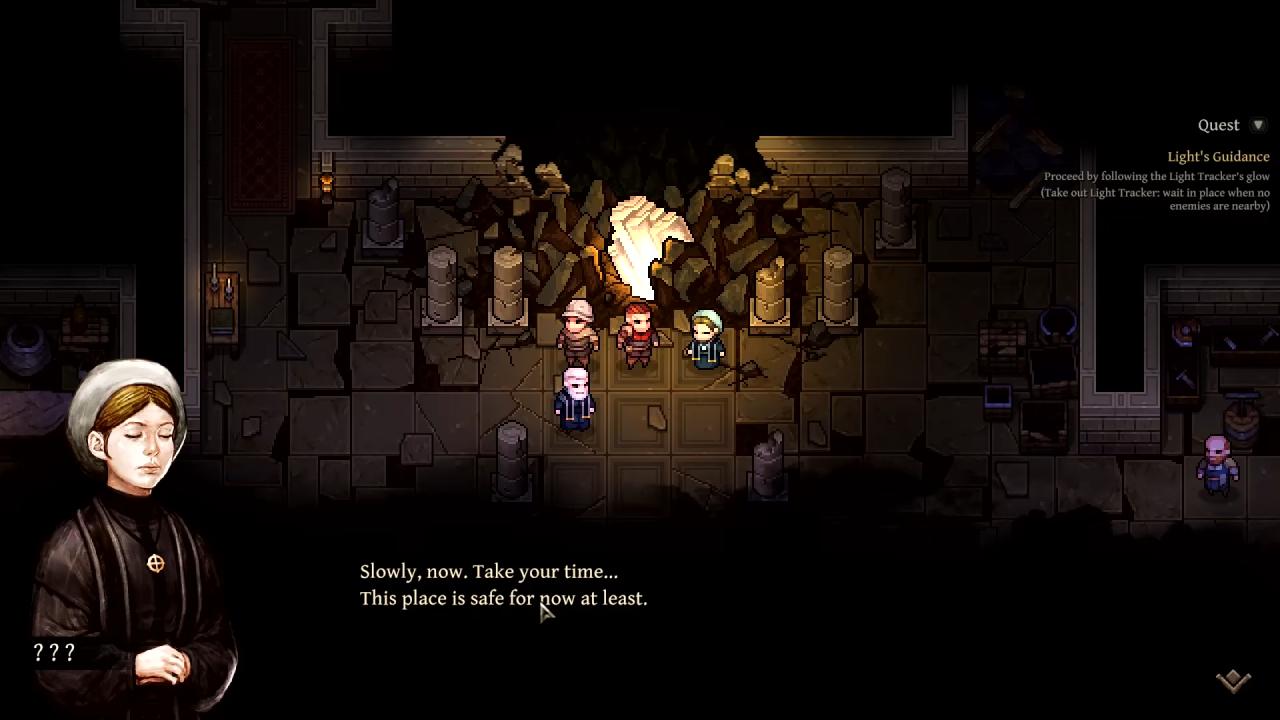
MEMOLITH: Forsaken by Light's sound design is perfect at matching its atmosphere, striking a good balance between tension and relaxation. The game will not teach you everything you need to know upfront. Mechanics such as corruption, ambush bonus, enemies' vulnerabilities, pillar timing, and memory binding must be learned by experience.
Each monster is vulnerable to certain types of damage and immune to others; therefore, the player will have to keep changing their loadout. Some monsters are also capable of displacing your characters and messing up your positioning. Some mechanics may be explained poorly or too briefly, while others come all of a sudden without adequate explanation.
The expedition loop is the main gameplay cycle in Memolith: Forsaken by Light. You explore, liberate the region from dangers, activate and purify columns, gather resources, and get back to your base to heal and prepare for the next sortie. The rhythm generated by this gameplay is what makes you go forward and progress in Memolith. There will always be something to upgrade or perfect, from new crafting recipes to more abilities of your character.
Editor, NoobFeed
Verdict
Memolith: Forsaken by Light is an intense tactical RPG that requires strategic thinking and teamwork to achieve success. The game’s tense atmosphere and intricate gameplay ensure high excitement, but its difficulty may deter new players.
68
Related News
No Data.