
Moomintroll: Winter's Warmth Review
Nintendo Switch 2
A quiet winter journey of isolation, growth, and gentle discovery in moominvalley.
Reviewed by Asura Kagawa on May 03, 2026
Hyper Games is working on Moomintroll: Winter's Warmth, which is part of their growing relationship with Tove Jansson's famous Moomin world. This comes after their first game, Snufkin: Melody of Moominvalley, which showed how the studio planned to make Moominvalley's silly, storybook-like world into a playable, exploration-based one.
Hyper Games stays true to the series' literary roots rather than reinventing it. The friendly animals known as the Moomins are seen in Finnish fairy tales. They have the appearance of hippos. For a very long time, they have been featured in a variety of media, including comic books, television series, and books.
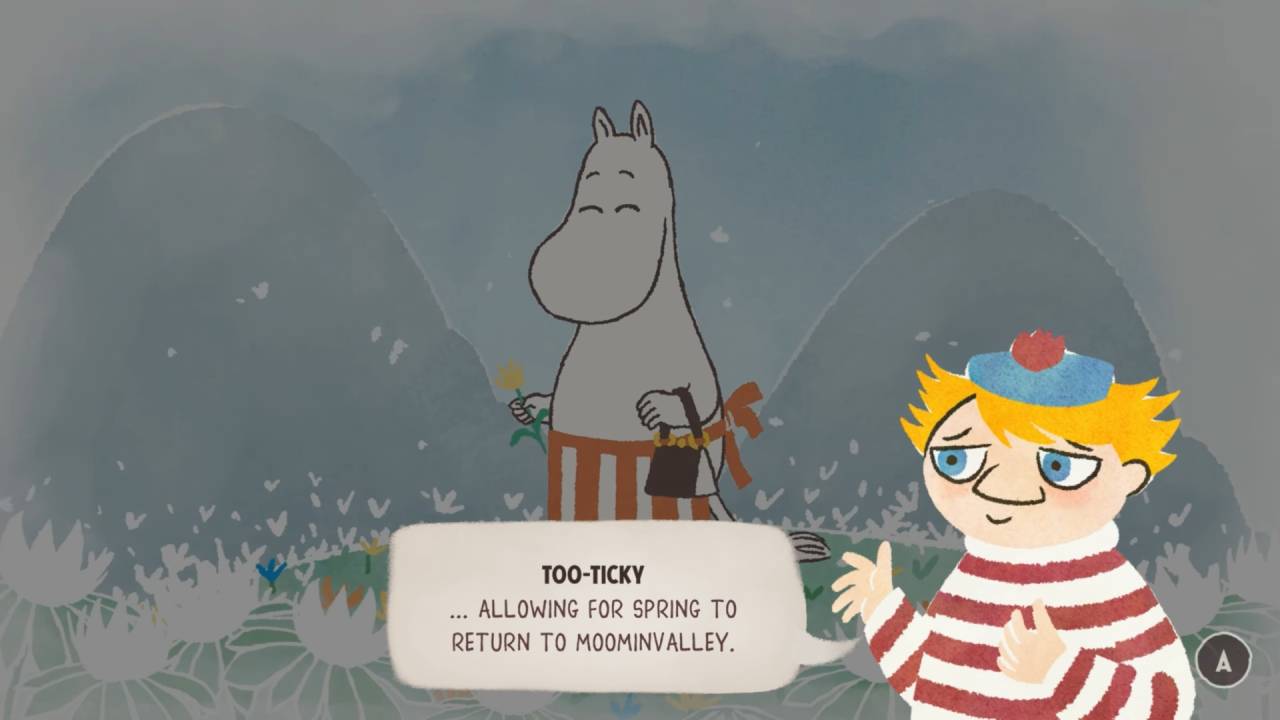
The games, on the other hand, are among the more modern ways the universe has been expanded into interactive media. They bring their quiet philosophy and emotional stories to life in a way that can be played. Snufkin: Melody of Moominvalley put Snufkin at the center of a musical journey.
Winter's Warmth, on the other hand, is all about Moomin Troll.
The setting of this follow-up, which can be thought of as a sequel in some ways, is the same as the previous one; nevertheless, the tone, perspective, and emotional focus are all different. Not only is it a new voyage in Moominvalley, but it is also a fresh interpretation of the story, geared for the holiday season.
The main idea behind Moomintroll: Winter's Warmth is simple but strong: what happens when something that shouldn't be awake wakes up? Moomin trolls usually sleep in the winter. They sleep through the winter and listen to the world go by while they rest. In this story, though, Moomin Troll wakes up early.
His parents are still sleeping, Snufkin is still moving, and Moominvalley is still very cold. The game starts with stillness, silence, and mental distance instead of warmth and comfort. The valley is quiet and lifeless because it is covered in snow. Faces you know are either asleep or not there at all. What's left is a version of Moominvalley that is both familiar and strange.
The main emotional strain in the game comes from the fact that Moomin Troll wants winter to end, but everyone else around him wants him to understand it. The story is about getting ready for a yearly winter bonfire that will bring spring. With the help of his friend Too-Ticky, Moomin Troll sets out to gather firewood, call guests, and help the scattered people of Moominvalley so that they can join the party.
This framework is the backbone of the story, no matter how simple it sounds. Every person you meet has a different connection to winter. Some people, like Little My and a few other winter beings, enjoy it. They find joy, purpose, or even chance in the cold. Some, like the Moomin Troll, Misabelle, and Miss Fillyjonk, fight it because they want comfort and routine.
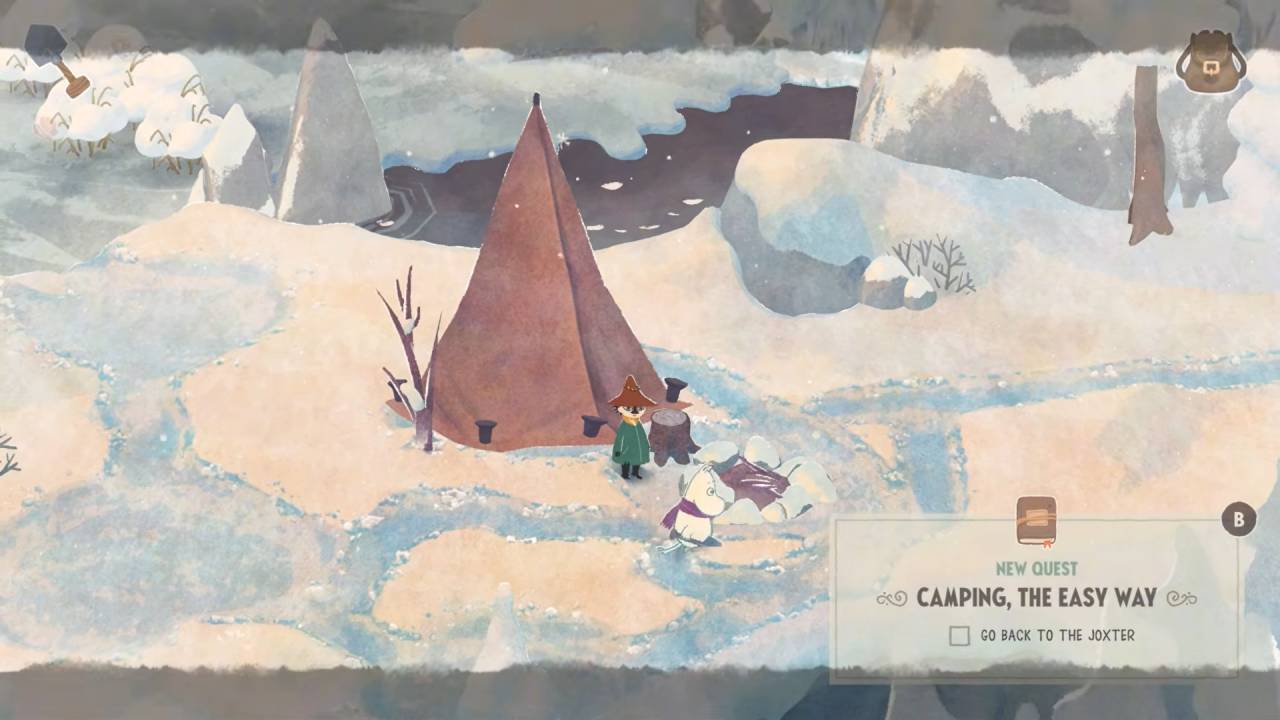
Winter is shown to be either hostile or beautiful, depending on who experiences it.
Many ideas for the story came from Tove Jansson's Moominland Midwinter, one of the darkest and most thoughtful books in the series. Like that story, Winter's Warmth puts well-known people in emotional situations they aren't used to. Characters act differently during different times of the year, which makes even small exchanges feel important.
It's not as loud as Snufkin: Melody of Moominvalley. A smaller, more focused cast is left behind because many locals are absent. This makes each conversation more unique. Conversations between characters like Misabelle and others feel new and sometimes strangely emotional. They give what seems, at first, to be a simple, cozy adventure more depth.
At its core, Winter's Warmth is an adventure game about exploring. The game is built around a simple loop: explore, gather, help, and return. As players move through snowy versions of Moominvalley, they collect resources, solve simple puzzles in the surroundings, and complete quests for the people who live there. Most of the time, these jobs lead to new tools, new places to work, or progress on building the winter bonfire.
There is no combat system or skill-based challenge framework like in most action games. Instead, interaction and discovery are what move things forward. You find things that are buried under snow, pick up things that are scattered, like pieces of Moomin Mama's vase, and help characters run their own tasks.
It feels open and lightly directed, moving through the world. Players aren't held too tightly, so they can explore and set their own goals. This can sometimes leave you feeling lost or confused, but that lack of clarity also adds to the sense of not knowing what to expect in the winter.
Moomin Troll slowly gets used to the beat of this frozen world as the game goes on. What starts out as resistance turns into change over time. Winter's Warmth doesn't have any fighting, and the puzzles are meant to be easy to solve. The game doesn't have standard challenges; instead, it's all about interacting with the environment and solving simple problems.
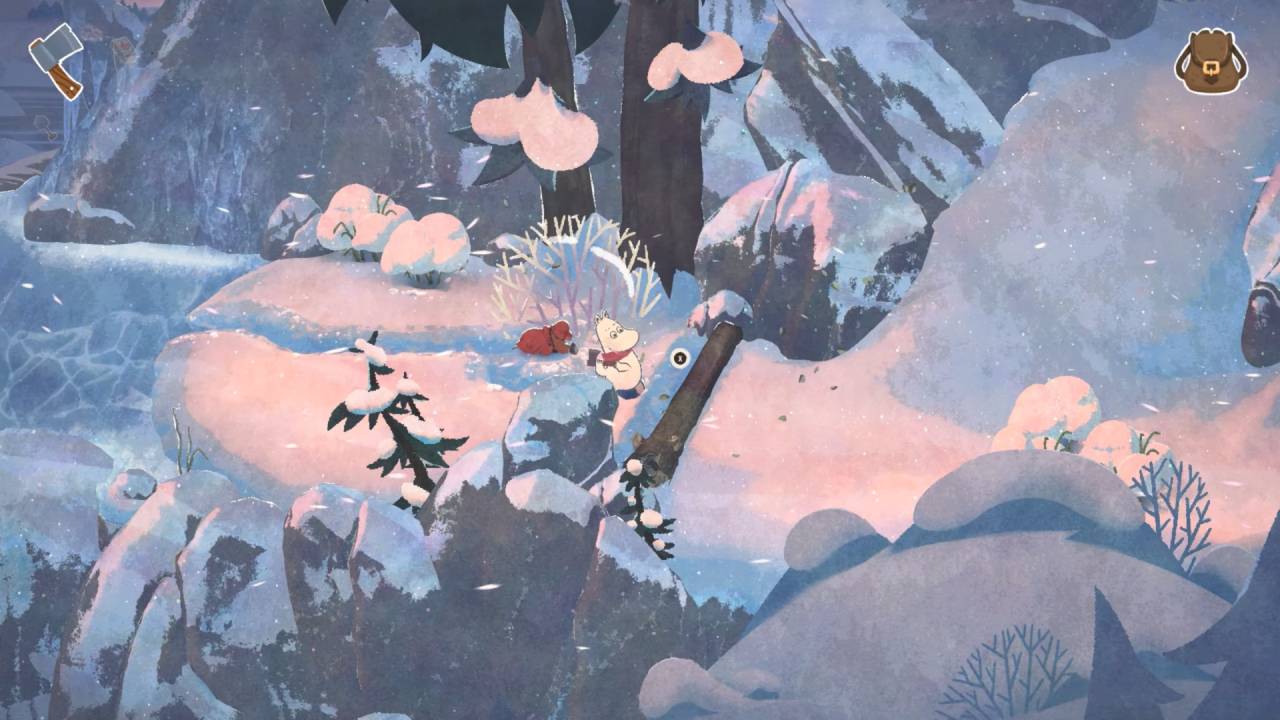
A shovel is used to dig through deep snow, an axe to break through ice blocks, matches to light up dark areas, and gloves to make snowballs that can hit things. Later in the game, sliding is added, which lets you move faster and gives you new ways to clear snowy tracks.
These mechanics aren't hard to understand, but they get more complicated as you get better.
Too-Ticky is a key figure in growth who can improve tools. By giving her the materials she needs, players improve their tools, which makes snowballs bigger, traversal better, and tools more useful. The puzzle's format is more geared toward environmental gating than toward logic problems.
Some places can't be reached until you upgrade a tool, which makes going backward more likely. This structure can get boring at times, but it also helps people feel like they're moving forward by making them more comfortable with the world. There is no fighting, which makes the experience peaceful, but it also means that exploration and story drive the gameplay more than mechanical tension. There isn't a normal XP system. Instead, you move forward by improving your tools and completing quests.
When players help characters, they get materials or story-advancing things that let them use new skills or find new ways to get around. For instance, better gloves let you make bigger snowballs, better axes cut through thicker ice, and better tools lower the friction that you feel when moving. This method ensures exploration continues to grow on its own.
You are not building up a character; instead, you are changing how you interact with the world around you. The structure of quests is also important for success. Many jobs have fetch-style goals, such as retrieving items, finding scattered items, or helping villagers with their own needs. This can get boring after a while, but it fits in with the game's slow pace.
One of the best things about Moomintroll: Winter's Warmth is its look. With pencil-like lines, soft shading, and character designs that look like they belong in a storybook, the game closely resembles Tove Jansson's original drawing style.
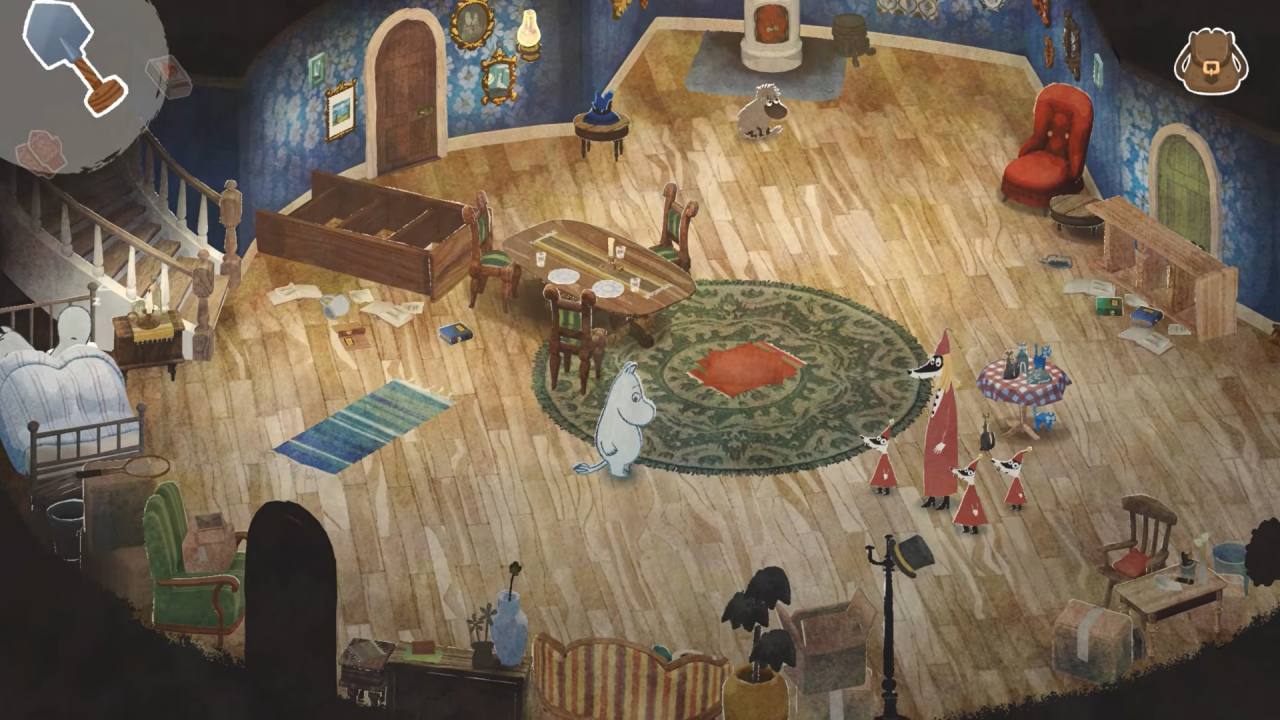
Through the winter, Moominvalley becomes a quieter, sadder place.
Snow covers most of the ground, dulling colors but not erasing them. Instead, against the white background, small pops of warmth—light sources, interiors, and character accents—stand out more. Because of this, the world feels both empty and full of life. There are details everywhere, even when everything is still. The snow textures, moving winds, and subtle environmental animations give the valley a soft sense of motion.
There are also small things that add to the immersion that are easy to notice, like how the snow changes when you move. Cutting or rolling through fresh snow changes how it feels to move, which gives movement its own visual meaning. Sometimes small bugs make it impossible to see characters or items, but they can still be interacted with.
These bugs rarely make the game significantly less fun. One of the things that makes the game stand out is its music. There are chilly winter sounds mixed in with happy, soft tunes that sound like they belong in an animated movie. Music is used rarely, but well. It sometimes moves into the background, letting silence and sounds from the outside world take the lead. At other times, it slowly builds to emphasize emotional or story points.
It was decided that there would be no speech acting. Characters talk to each other through text and facial expressions, which fits with the look of a storybook and makes you feel like you're playing through illustrated pages instead of watching a show.
Immersion is also improved by sound design. The wind, snow movement, and other natural effects are all very subtle but well-chosen to make you feel even more alone and quiet. Many players might think that Moomintroll: Winter's Warmth is a warm game, but it's not at all like that. It doesn't make you feel better right away; instead, it puts you in a quiet, strange winter and asks you to get used to it.
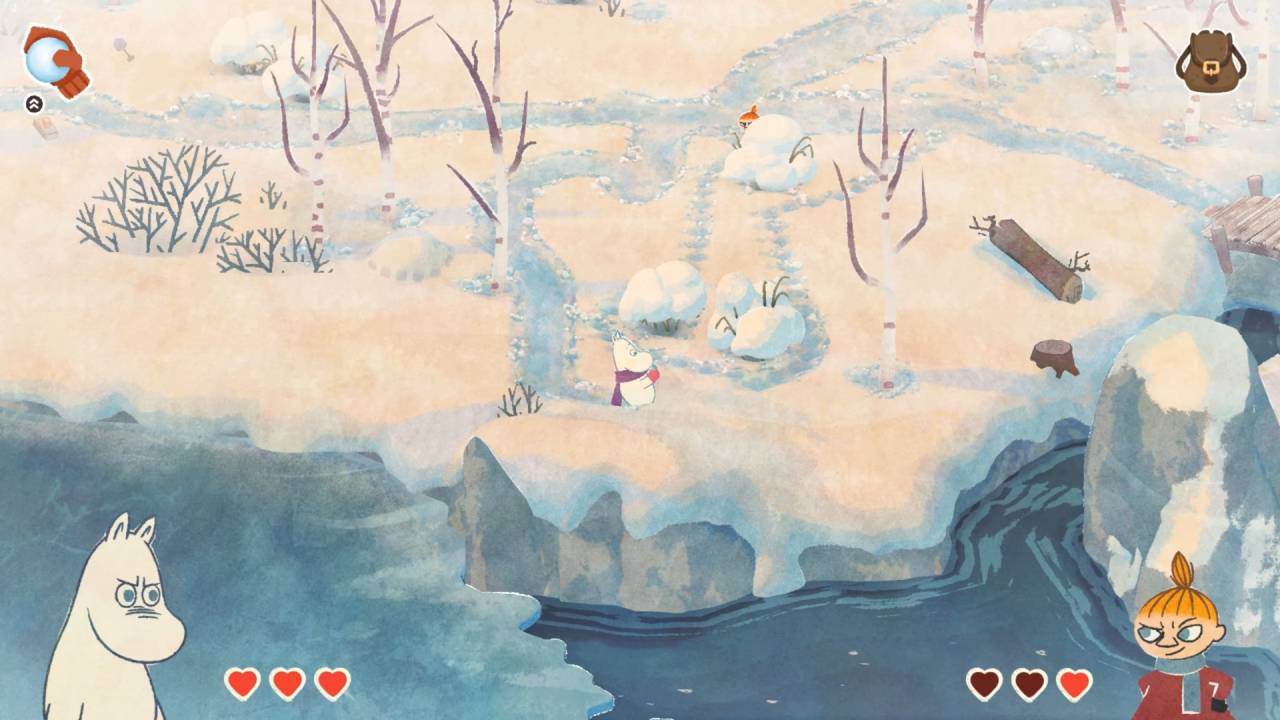
The mood, art direction, and dramatic tone are what make it great.
The story makes the transition from being alone to having connections feel natural, and the characters slowly transform the world from empty to full of life. But its flaws are also easy to see. Due to fetch tasks and going backward, the gameplay loop can feel repetitive, and players who want a challenge or variety may find it shallow.
Still, it does what it does well on purpose. This game is about taking your time, watching, and learning how to live in a world that doesn't always make things easy for you. Moomintroll: Winter's Warmth is successful in the end, not because it is complicated, but because its mood and message are always the same. It is a quiet, introspective trip through a winter that you are not meant to avoid, but to understand.
Staff Writer, NoobFeed
Verdict
Moomintroll: Winter’s Warmth is a slow, atmospheric adventure with strong art and mood, but simple gameplay and repetitive quests limit depth despite its emotional storytelling and beautifully crafted winter world.
73
Related News
No Data.