
Origament: A Paper Adventure Review
PC
A calm journey through paper, memories, and shifting forms.
Reviewed by Mymunah Tasnim on May 22, 2026
Origament: A Paper Adventure greets you with a concept that seems straightforward enough, but which holds significance the longer you immerse yourself in it. Origament: A Paper Adventure is produced by a relatively new studio named Space Source Studio. Space Source Studio is composed of developers who have worked with various other titles prior to creating Origament: A Paper Adventure.
However, in Origament: A Paper Adventure, one sees a game that focuses much more on mood and story than anything else. There is nothing about chaos or conflict within this world. On the contrary, you enter an environment that is more concerned with motion, ambiance, and the journey of a lone letter trying to reach its destination.
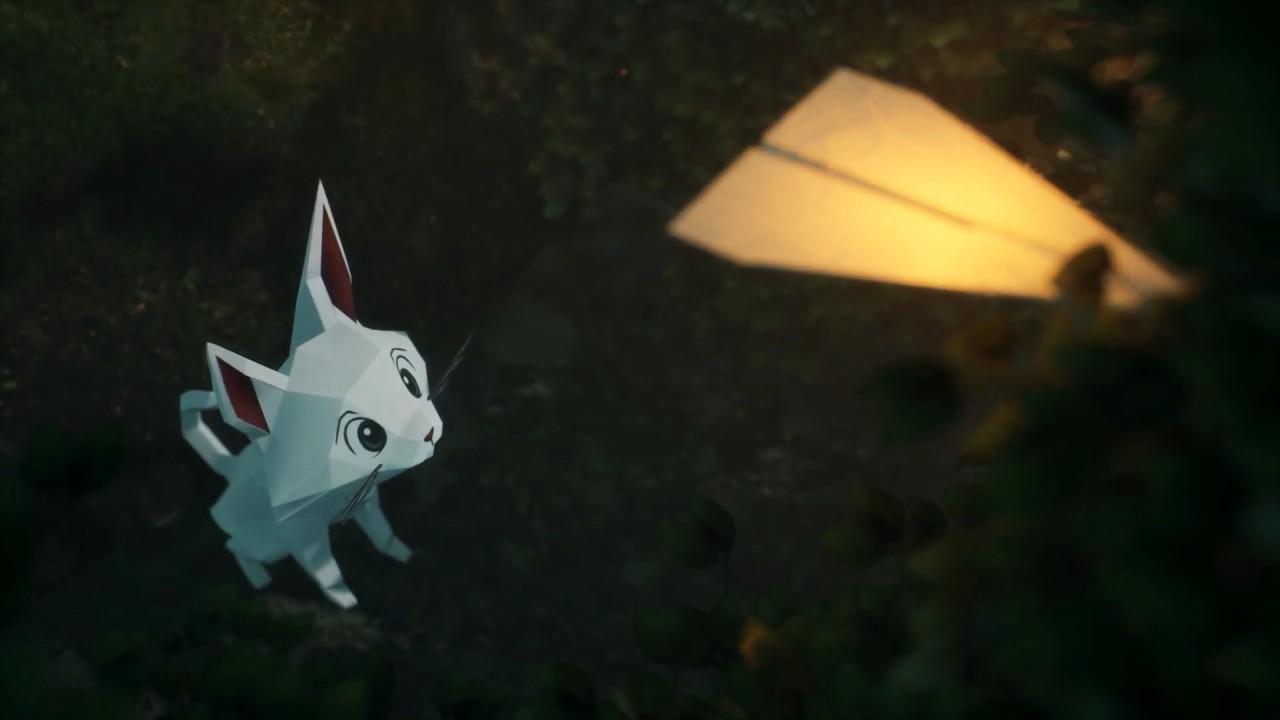
What stands clear right from the beginning is the fact that Origament: A Paper Adventure introduces itself as a living letter.
The tale behind Origament: A Paper Adventure begins when a child writes a letter full of hope and imagination, closing it on a snowy, freezing winter night. But that letter doesn’t remain passive. It takes on life, breaks free of its destiny, and sets off on an adventure guided by an origami cat. You take on the role of that letter and must navigate yourself through various thematic environments until you find the mailbox at the end of the adventure, connected with a celebration of one’s birthday.
Origament: A Paper Adventure does not burden players with much dialogue or complex narratives, preferring to tell the story mostly visually. In fact, much of the visual storytelling happens thanks to the use of environments and transitions. As you pass through various stages, you realize there are hidden connections between them, as if you were exploring different interpretations of one common theme or feeling.
In Origament: A Paper Adventure, the gameplay revolves around transformative mechanics, with most of your interactions built around them. The game features an environment in which the player character transforms from one origami type to another as needed. Whenever players find themselves traversing flat ground and engaging with grounded objects, they will turn into a paper ball and roll to their destination.
If the game environment includes water, they can turn themselves into a boat and glide across the surface. To get through large gaps, windy areas, and other similar environmental obstacles, they can use their paper-plane form. Finally, when it comes to activating switches and cutting barriers, the game gives them access to shuriken origami.
When it comes to the concept in Origament: A Paper Adventure, there's no real combat to be seen anywhere in the game.
Instead, the player is expected to focus on moving through the environment, timing their actions correctly, and interacting with everything they encounter. Of course, the shuriken is one of the things that will give you the ability to fight against other things, at least, as closely as anything can be called combat within the game.
Mostly, you'll use it to activate something in the environment, or to scare off the various obstacles in your way. The trick here is to learn how to switch forms effectively and how each form interacts with your surroundings. Some of the sequences might even involve mixing different forms as you move through them.
.jpg)
Another thing that becomes apparent the more one plays Origament: A Paper Adventure is how much more prominently rhythm features than difficulty spikes. You are never continuously penalized by something being too hard or difficult to figure out; rather, the game is forgiving enough that it will reset you after certain points, or put in plenty of checkpoints so that trying new form transitions does not feel daunting in any way. This also allows the game to maintain its laid-back nature.
When things start getting a bit more challenging, specifically involving motion or chasing aspects of gameplay, this challenge is not used in an obnoxious fashion. Each stage in the game Origament: A Paper Adventure features a unique world and character. Seven main levels must be passed in the game. Although the number seems relatively low, each level contains enough content and length to keep the player exploring for hours.
Some parts may take half an hour or even more to go through, based on exploration. The game features a linear storyline with several hub environments, in which the player will complete various small environmental puzzles by moving boxes, flipping levers, pressing certain items on sensitive spots, and performing similar actions.
Another important feature is the ability to change the camera angle during gameplay, from a regular third-person view to various two-dimensional perspectives and other viewpoints.
While playing Origament: A Paper Adventure, you begin noticing that collecting items is also a part of gameplay in this game. There are coins located at various points across levels, mostly off the route. By collecting them, you gain access to customization and extra origami models that can be created outside the game, from your paper avatar skins to origami models of various animals and cars.
As for the use of collectibles in Origament: A Paper Adventure, the game uses them as an addition but not as a necessity; you are free to follow the primary path and discover all corners of each level regardless. Unlike many games, Origament: A Paper Adventure does not have any experience points; instead, your progress depends on accessing levels using collected stars and completing stages.
Each environment within Origament: A Paper Adventure is unique, as they differ significantly in tone and design. The player could be walking among the rooftops of an old European city with reflective pools of water, a neon-filled future environment that requires precise timing in movement, or a western-inspired environment consisting of mines, rail tracks, and saloons, where players will have to avoid certain obstacles or use stealth mechanics in order to pass through.
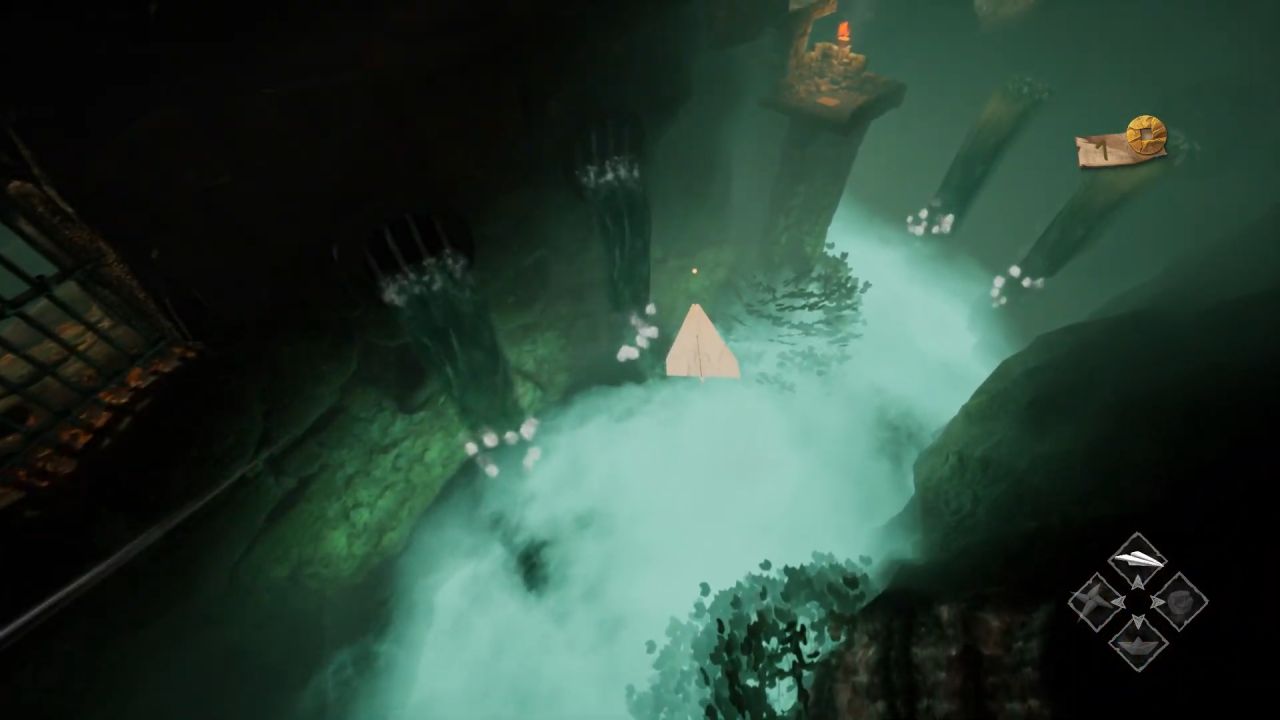
As the game progresses, other types of environments are introduced to the player, such as those made of polygons or surrealistic designs, which seem less realistic than previous environments. One common feature of the environments in Origament: A Paper Adventure is that at the end of each level, there’s a spiral structure that creates a feeling of time.
One of the best aspects of Origament: A Paper Adventure is how each new environment changes your mindset regarding movement. In some places, you should focus on gliding, while in others, rolling momentum is required. There are also zones where you should time your switch flips properly and slow environments to observe patterns.
Although the player uses the same mechanics, their application varies enough that they do not become monotonous throughout gameplay.
This is when it becomes apparent that the game does not want to challenge you but to recontextualize familiar mechanics in an inventive way. In the final stages of Origament: A Paper Adventure, the atmosphere gradually becomes more reflective. As you complete the last levels, you come to realize how much your surroundings have changed since the start, including becoming wintery and more personal.
The end of the game reflects the idea that everything you've done so far was intended to bring you back to the initial point when you were asked to send the letter on a snowy evening. The sound and music of Origament: A Paper Adventure serve as secondary elements compared to the primary gameplay mechanics. The background music remains tranquil, subtly shifting with your surroundings.
You receive calm ambient sound effects that complement the pace of exploring when in quiet areas. As for busy areas, music changes with the pace, but not excessively. The sound design does not clutter the experience, allowing sounds related to changing forms, environmental movement, and interactions with objects to remain distinct and understandable.
Technically speaking, Origament: A Paper Adventure performs flawlessly and is highly stable even during rapid movement and camera changes. Controls, overall, are relatively good, though they do take some getting used to. One thing that should be pointed out here, though, is that there is a lack of control customization, which can sometimes make the control setup feel rather unintuitive because certain actions require using buttons that aren’t typically intended for such operations.
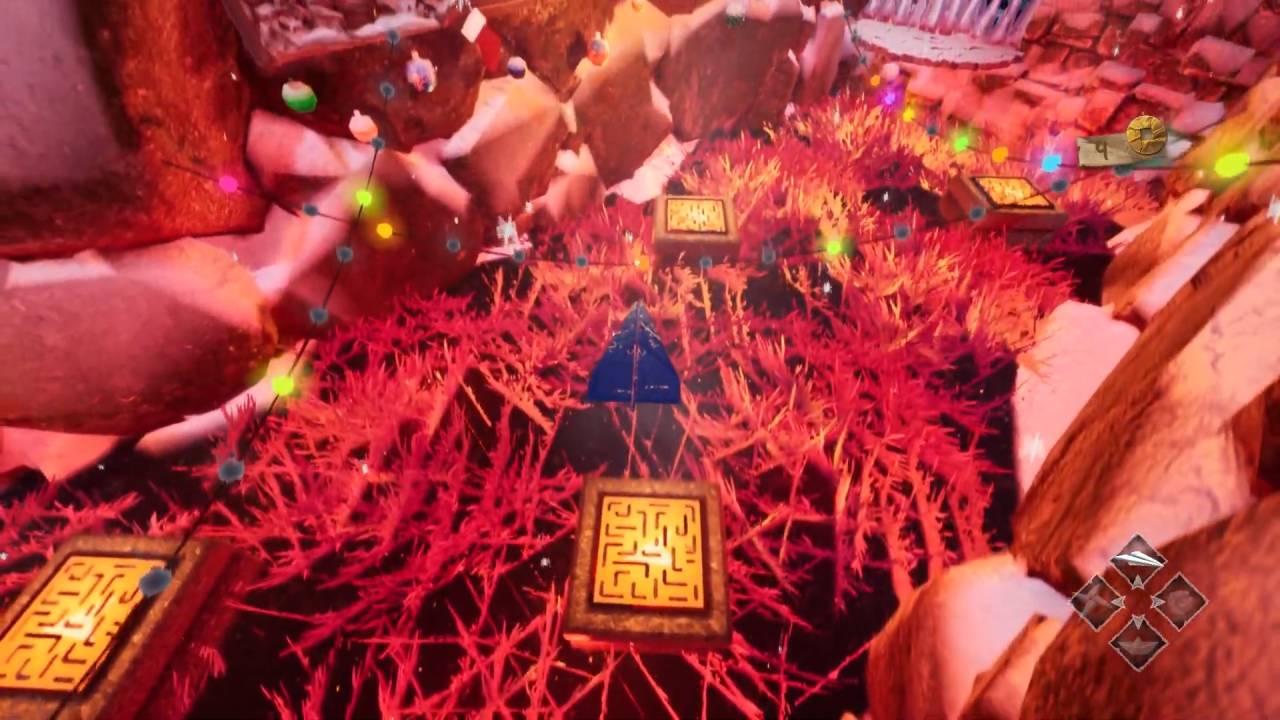
While depth perception problems might occasionally occur during gliding and rapid movement phases, the designers have ensured they never become too frustrating.
There are additional challenge options available in Origament: A Paper Adventure, where you are asked to complete levels under a time trial or to race against other origami creatures. While not essential for completing the game, these add an extra level of challenge and appeal mostly to players who enjoy structured challenges.
Completing the primary storyline of Origament: A Paper Adventure does not take very long; however, players who wish to get all items or face the additional challenges might find themselves spending a lot more time playing the game. Some of these challenges considerably increase the tempo and ask you to optimize your movements and reactions to various obstacles.
Origament: A Paper Adventure succeeds in offering several strong attributes despite its simple gameplay. One of the biggest aspects of this game, which is truly commendable, is how consistent this game remains throughout. In other words, this game doesn’t make players leave its universe while playing due to its systems and mechanics. Instead, it stays true to its essence, allowing players to easily put all the puzzle pieces together.
After spending some time playing Origament: A Paper Adventure, players will come away with an experience defined primarily by its atmosphere rather than its systems or mechanics. Origament: A Paper Adventure makes its gameplay easy and straightforward, focusing mainly on exploration and movement rather than on systems, complex mechanics, or combat.
While the structure might not be particularly complex, Origament: A Paper Adventure is able to make a lot out of what it has got.
Origament: A Paper Adventure will best serve your needs if you consider it a game where you can go around casually like an adventurous platform game, rather than an action-packed game that demands accuracy and skills from you. This game has been designed to motivate you to take a gradual step forward, explore, and accept challenges whenever you feel like it, not because you are compelled to do so.
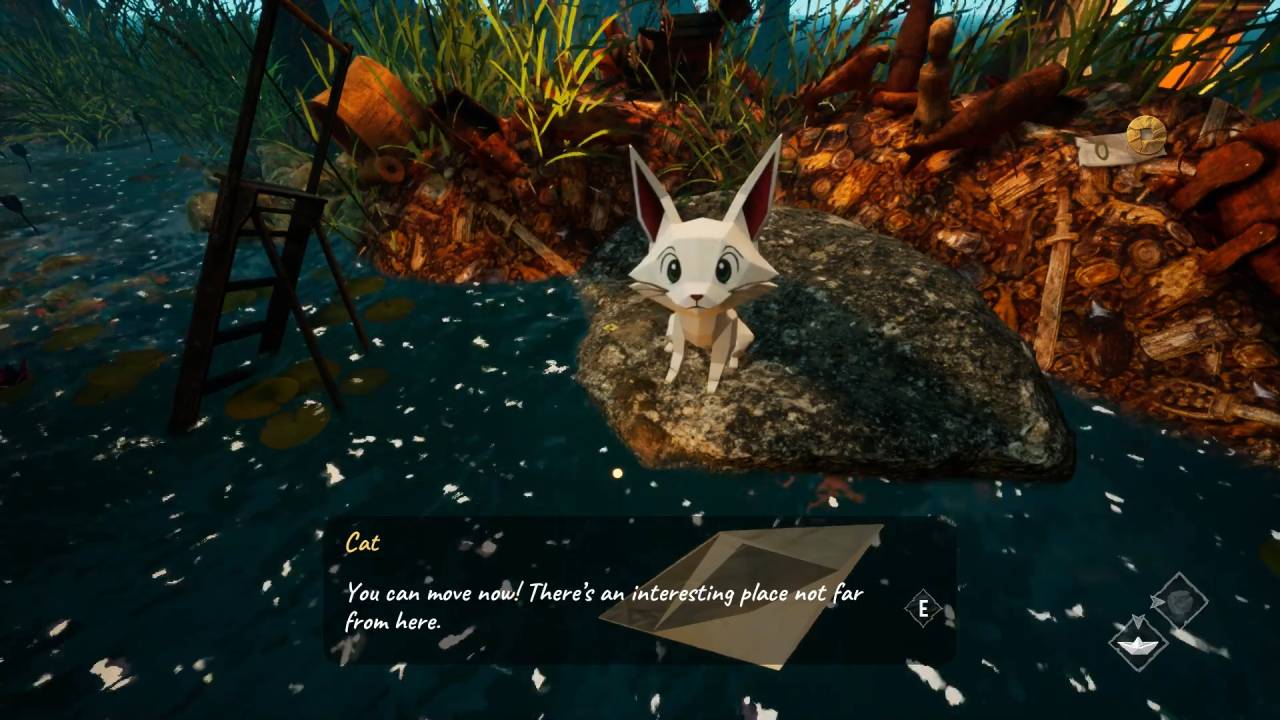
This idea of consistency is not only applicable to the fundamental game loop in Origament: A Paper Adventure, but it also applies to the game’s pacing throughout the entire game. There is never a moment in Origament: A Paper Adventure when things feel too fast or too slow; instead, everything flows naturally as new mechanics are taught and then used in ways that blend seamlessly with the gameplay that follows, without being explained every step of the way.
Unlike other games that keep building up and introducing new systems, Origament: A Paper Adventure is built around letting the player get accustomed to the base game mechanics, and using those mechanics in a slightly varied manner by changing the level and environment rather than adding new mechanics to control.
As such, there is no need for players to learn an entirely new set of commands at each level transition, and they can instead learn the flexibility that Origament: A Paper Adventure allows with its base mechanics.
Editor, NoobFeed
Verdict
Origament: A Paper Adventure is a short, calm platformer built around transformation-based movement and atmospheric exploration, offering a light but memorable experience that focuses more on mood than challenge.
74
Related News
No Data.