
Pathologic 3 Review
PC
A Broken Mind, a Dying Town, and the Heavy Burden of Changing Fate
Reviewed by Nusrat Choity on Jan 10, 2026
Pathologic has never been about ease, power fantasies, or easy wins. The first game in the series, which came out in 2005 from Ice-Pick Lodge, has gained a cult following for doing the exact opposite of what most games try to do. It makes you feel lost, tired, and judged, and then it asks you if you still follow through with your plans.
Pathologic 2 remade that experience through the eyes of the Heruspex. It made things better while keeping the option to do bad things. That's what Pathologic 3 does, but it doesn't use the same old ideas. It separates them and puts something much stranger in their place.
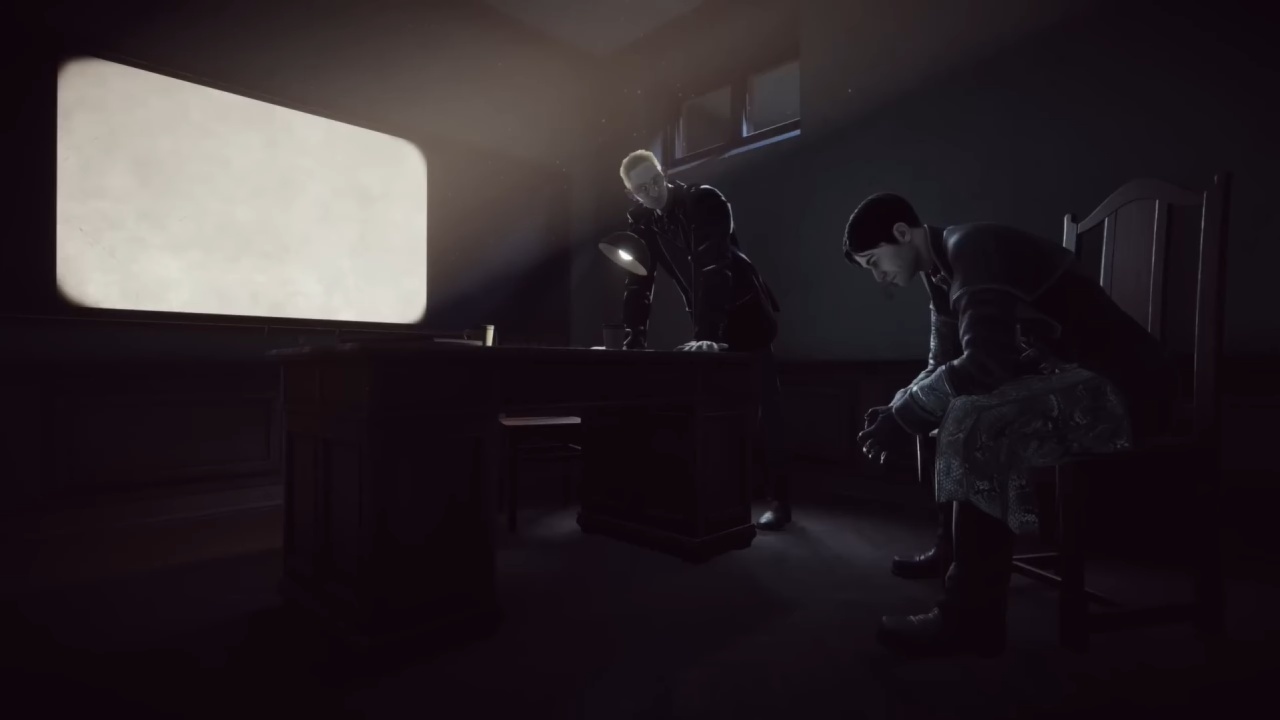
This third episode tells the Bachelor’s story again, but this time it focuses on Daniil Dankovsky, a rationalist doctor who is obsessed with beating death. Pathologic 3 doesn’t just ask you to stay alive during the plague; it also forces you to deal with memory, guilt, authority, and the scary idea that truth itself might not be stable.
It is a follow-up, a remake, and an attack on its own past all at the same time.
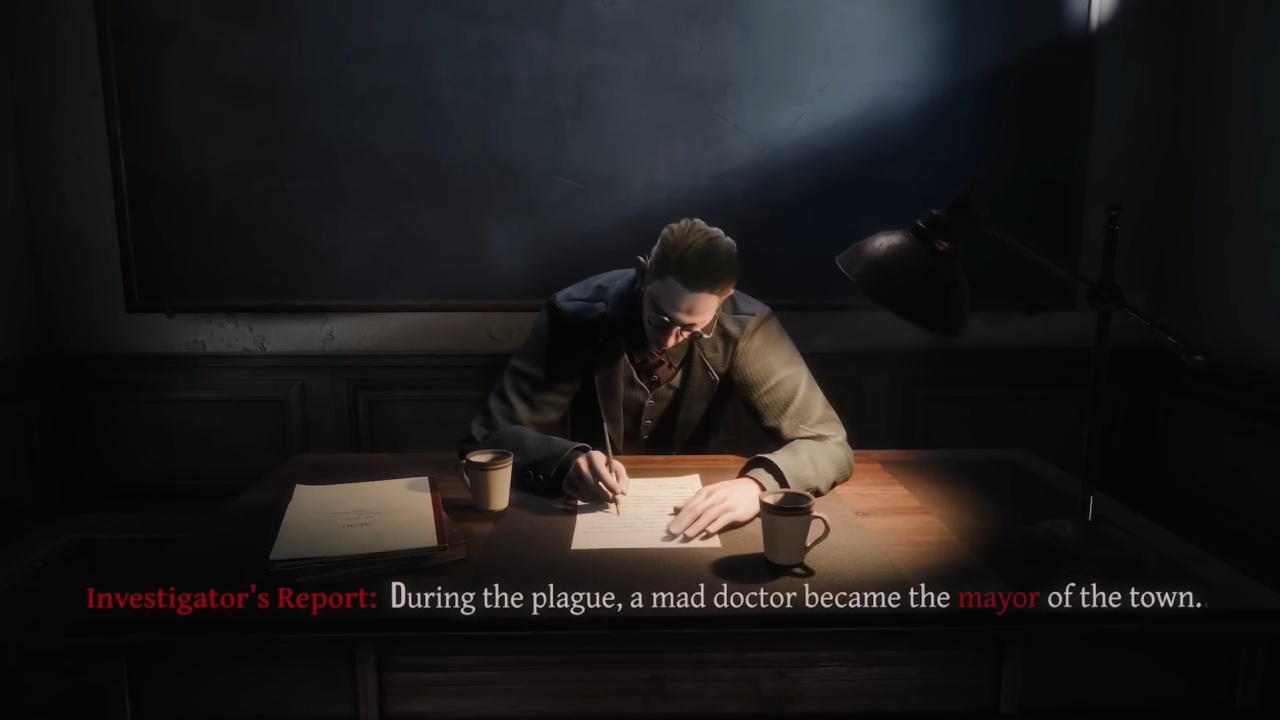
The story in Pathologic 3 is told in the form of a question. Now that twelve terrible days have passed, you are being asked what happened. People have already died and the town has fallen. There is no doubt from the start of the game that you are not reliving exact events. You are living them again, the way Daniil Dankovsky remembers them, or the way he wants people to remember them.
Dankovsky goes to Gorkhon, a town in the steppes that is very far away, to find an immortal man so that he can save his failing study and show that death can be solved. Instead, he finds a community that is about to fall apart. The Sand Plague spreads very quickly and kills most of its victims within hours. The town is sealed off by quarantine. Supplies run out. Panic turns into policy.
The story of Pathologic 3 is interesting not only because of the plague, but also because time becomes a contested place. The Bachelor is not a trusted witness, and the people who are questioning him are quick to point out his inconsistencies. Things can be seen again. You can play back days.
There is a price to pay to undo a death. When you go back to the past, you have to think about whether fixing mistakes makes you more honest or just more sly.
The writing is still hard to understand, philosophical, and often done on purpose. Conversations don’t always give clear answers. The characters talk in riddles, charges, and half-truths. You have to constantly figure out what someone means, how they feel, and what the truth is, while also dealing with your own mental health getting worse.
This makes the story feel less like a puzzle to be solved and more like a moral autopsy. Pathologic 3 does away with a lot of the survival features that the previous games in the series were known for. Hunger, exhaustion, infection, and image have been taken away or changed in big ways. Apathy and mania, the game’s main systems, have taken their place.
Instead of taking care of the body, you’re taking care of the mind. Talking to people, visiting new places, making orders, and seeing people die all push Daniil to the edges of his emotions. If he falls too far into apathy, time slows down, action slows down, and he ends up killing himself. If he goes too far into depression, everything speeds up until his body gives out from the stress.
This system changes the way you make decisions. Choices made in conversation have psychological weight. It can be fatal to say sorry, accept defeat, or stay depressed for too long. Mania can get out of hand, though, if someone is overly confident, angry, or stimulated. Balance is not pushed; it is forced.
Some drugs, like coffee, cigarettes, morphine, and medicines, can change your mental state, but they’re not perfect and often have bad side effects.
The setting itself is also important. Things like playground equipment, mirrors, water pumps, and more can either make you feel better or worse. Being in the town is itself a form of resource management.
Every day is spent diagnosing people who have been through the Sand Plague longer than thought. These aren’t just easy lists of cases. You look at bodies, talk to patients, make notes, and look for symptoms that might be the same for more than one disease. Some patients tell lies. Others leave out important information. Making the wrong judgment has effects on both the story and the way things work.
In more complicated cases, you have to go to the patients’ homes, talk to their friends, and put together clues from their surroundings. This sleuthing work is slow, careful, and hard on the mind, but it supports the main idea of the game, which is that truth is relative, and certainty is harmful.

Your job goes beyond the hospital. From the Stillwater, where you run your business, you make decisions that affect the whole town. Resources need to be divided up. There were quarantines. There was unrest. With each order, one problem is fixed while another is made worse. There are no easy answers; only trade-offs that come back to hurt you.
Combat isn’t something you learn in Pathologic 3; it’s something you only do when you have to.
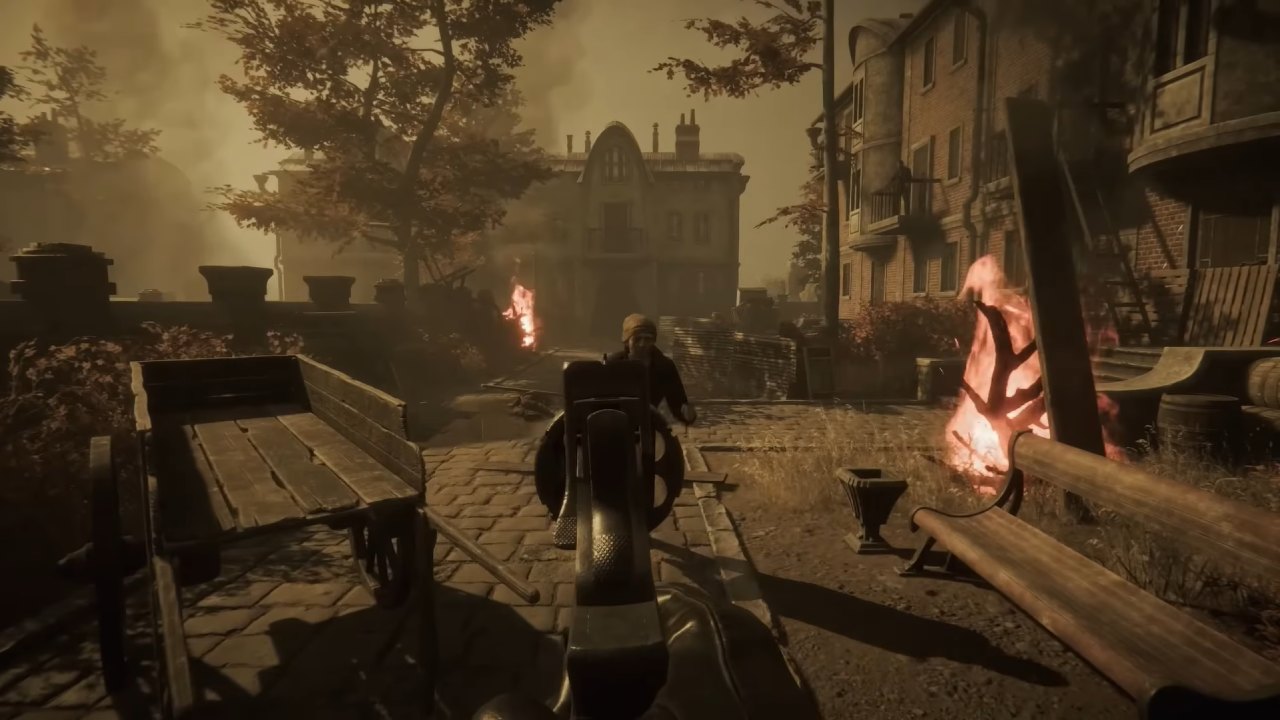
You are given a revolver in rioting areas, but bullets are hard to come by, and killing people is very hard on the mind. To stay alive, you may only need to point your gun at your enemies and make threats. This supports the idea that violence is about scaring people away, not taking over.
Avoidance and tool use are used instead of fighting in infected areas. The prototype device spreads clouds of plague and briefly protects against supernatural threats like the Shabnak, who represents the mythical horror of the plague and never goes away. There are limited charges, charging takes resources, and using it at the wrong time can leave you unable to do anything.
Puzzles aren’t like regular logic problems; they’re more like situational tasks. Puzzles of importance include planning routes through districts, deciding when to drive quickly and when to walk, and deciding whether to get involved in disasters as they happen. The hard part is not doing it, but seeing it through.
It’s not like other XP systems. Gaining information, getting access, and changing time are all ways to move forward. Time travel is one of the most daring parts of Pathologic 3. Using clocks spread out in the town, you can go back in time to change what happened, save lives, or find out something you missed.
Asbestos is a scarce substance that can only be acquired by doing wrong things, like killing plague victims or breaking mirrors, in order to travel through time. You have to think about whether changing events makes you care more or less about them with each use. Failure is still there; it's been saved, looked at again, and weighed.
With this method, trial and error become story elements. Instead of reloads, mistakes are punished with thought. You don’t learn from the game because it tells you what to do. You learn from being wrong.
Pathologic 3 is simple to look at, but it does its job. The town of Gorkhon feels suffocating because of its muted colors, harsh lighting, and design that makes you feel alone. Sometimes facial animations look stiff, but this often adds to the shaky tone of talks instead of taking away from them.
A lot of the talking is done by the environment. Infected areas feel dangerous and suffocated. Rioting places are unstable and full of chaos. The town’s division into districts makes it harder to explore without getting lost, but it also makes things more tense by causing careful planning and making people feel like movement itself is dangerous.
Sound is an important part of keeping Pathologic 3’s mood alive. The music isn’t very loud and often blends in with the background noise instead of standing out. People use silence as a tool to make dangerous parts feel heavier.
Though uneven, voice acting has an effect. The characters sound tired, evasive, or accusing in a quiet way. It seems like conversations are more intense than the actions going on around them. This supports the idea that words and their meanings are where the real fight takes place.
Pathologic 3 doesn’t want to be liked. That thing wants to be honest, even if that honesty hurts, wears you out, or is mean. It changes what it means to “play” a plague story by shifting the focus from physical life to mental endurance. You won’t be able to save a town in this power dream. It looks at responsibility, memory, and how much power we can really have.
You need to be able to focus, give it time, and deal with your thoughts well. If you're willing to deal with it the way it wants, you'll find one of the most unique storylines in games today. It might be too much for people who want to grow normally, get clear, or feel at ease. I think both reactions were planned.
Contributor, NoobFeed
Verdict
Pathologic 3 is a tough psychological horror role-playing game where moral endurance is used instead of life. Deeply unsettling, ambitious in terms of story, and often harsh, it rewards patience with one of the most unique story experiences in games.
79
Related News
No Data.