
Romancing SaGa -Minstrel Song- Remastered International Review
Nintendo Switch 2
A classic JRPG that is hard and tests players' habits, keeps rules a secret, and rewards players who are willing to forget what they already know.
Reviewed by Nusrat Choity on Dec 14, 2025
Akitoshi Kawazu, who created the SaGa series, is a designer who has always favored systems over showiness and player choice over comfort. Kawazu was pushed to make a new series where experimentation was most important after working on Final Fantasy II. That choice led to the creation of SaGa, a series that is known for always going against the RPG genre.
The first Romancing SaGa was released in 1992 for the Super Famicom, but only in Japan. It was remade in 2005 for PlayStation 2 as Romancing SaGa: Minstrel Song, which was completely rebuilt in 3D and redesigned to emphasize freedom and nonlinear gameplay. In 2022, that remake was remastered for current platforms. It improved graphics, added quality-of-life options, and made the combat more balanced.
The "International" version is the last step in that process. It is based on the remaster and adds more language support, makes the game easier to use, and adds more accessibility options. This makes it the full version of the game so far. But no amount of finishing can change what the game really is. At its core, this is still a SaGa game: it's overly complicated, deliberately hard to understand, and meant to be figured out rather than told how to play.
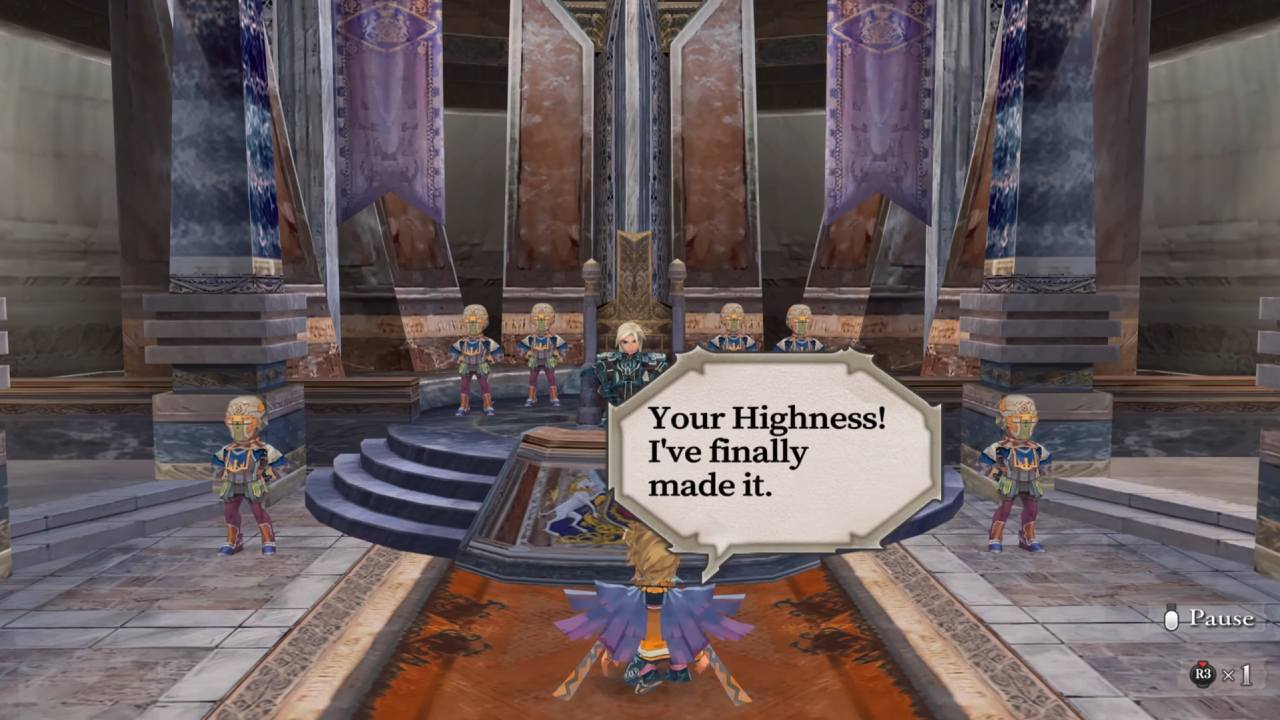
Romancing SaGa -Minstrel Song- Remastered International is different from most JRPGs because it doesn't start with a main character or a clear story arc. You pick one of eight people instead. Each one starts in a different area with their own reasons for being there, different levels of wealth and power, and their own goals. These people live in the same world at the same time, and their stories are connected in a quiet, subtle way instead of a dramatic one.
The bigger story is about ancient deities, lost societies, and a world slowly heading toward disaster.
But this big story doesn't move forward in the usual ways most of the time. There aren't any long scenes that explain things or give you hints of what to do next. Exploration, conversation, and side quests that may appear or disappear based on conditions not visible to the player drive progress.
This method gives the impression that the world is a living thing that doesn't care. Things happen even if you aren't there to see them. In just one playthrough, you can miss whole storylines, people can stop being important, and big surprises can stay hidden.
Even though this makes the world feel natural, it makes it hard to get emotionally involved. Just because a character hasn't changed much doesn't mean the game is poorly written. Sometimes, the game just expects you to learn more about the character on your own.
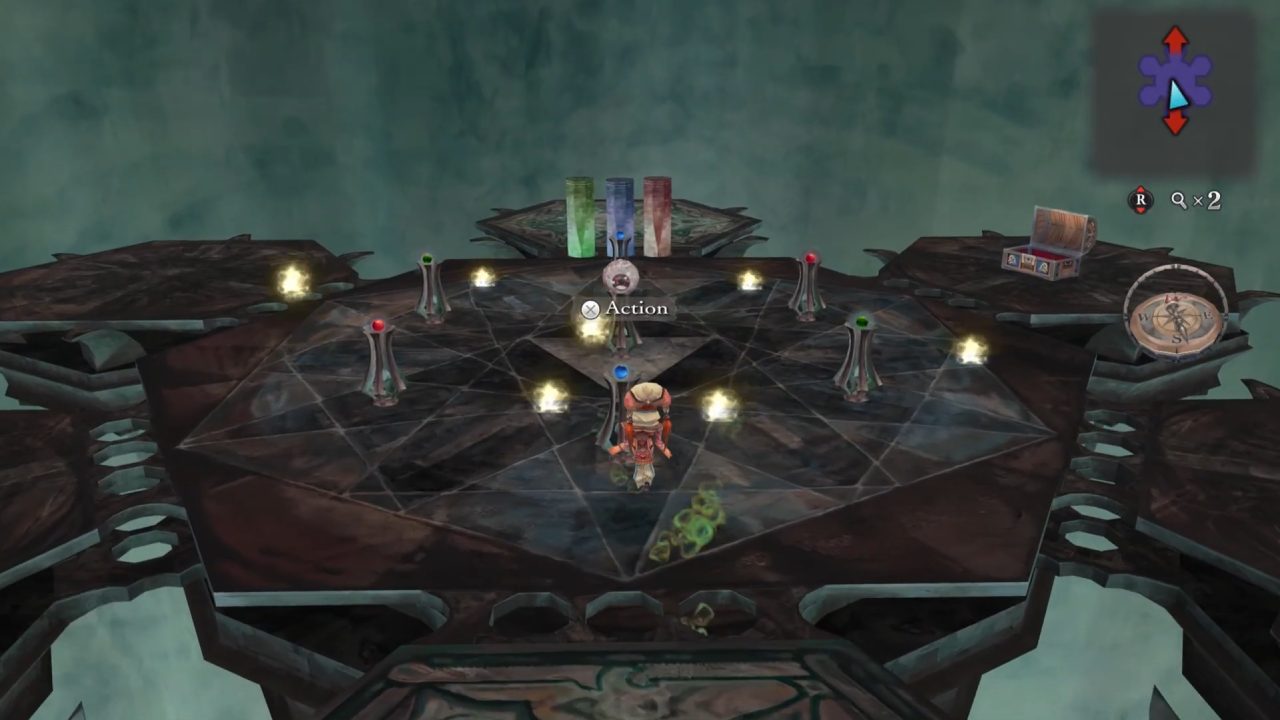
Minstrel Song seems like an open-world RPG that lets you do whatever you want on the surface. You can go from town to town, find friends, take quests, and look around in dungeons in just about any order. There are no markers for quests or highlighted objectives, and you don't have to follow certain paths to continue.
But this freedom comes with strict rules that the user can't see. The game is always evaluating what you do and making small adjustments to the difficulty level, the amount of material you can access, and the progression of the game world. You can do anything you want as long as you know what the game wants from you.
Exploration can be hard to understand, particularly at the beginning. Talking to certain NPCs often unlocks new dungeons, but there are not always clear signs that this has happened. You can go to towns as many times as you want without starting any new events, but talking to someone in an unlikely place can start a whole new quest chain. People who use this style will want to explore and learn new things, but they will also have to be patient.
Players who are used to getting clear feedback and being led in their progress may feel lost or even punished for doing what makes sense.
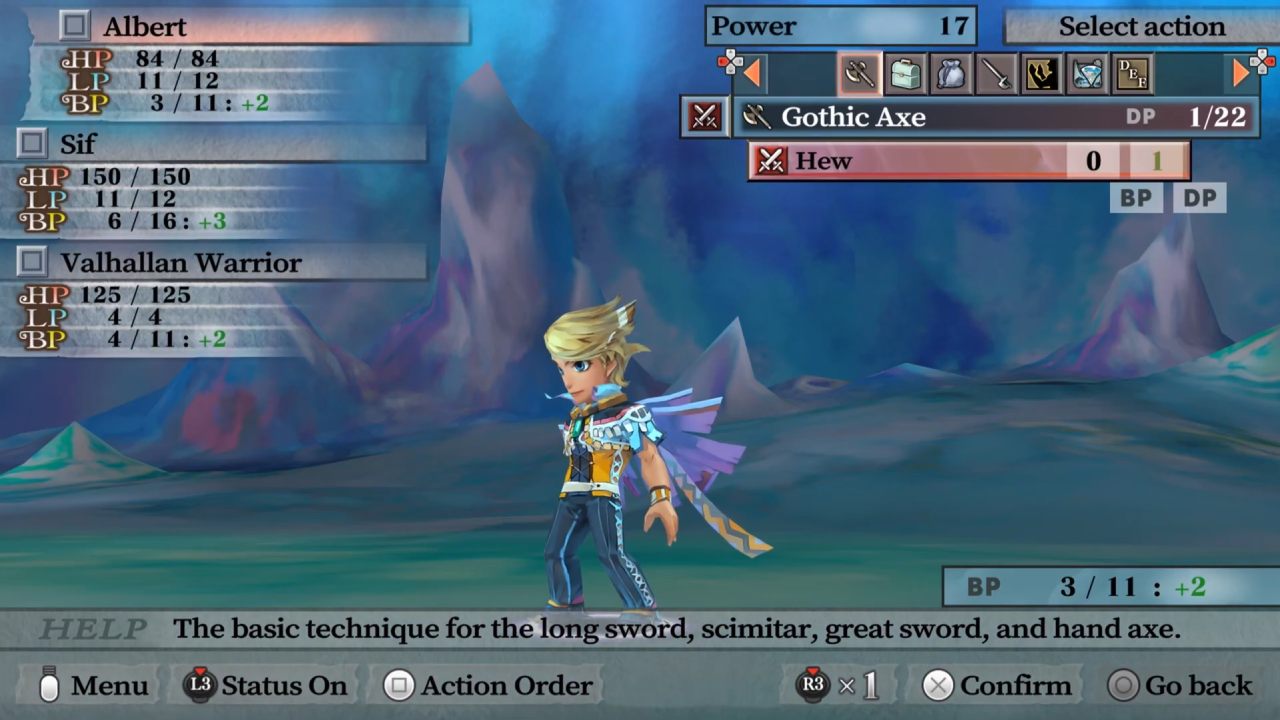
In Romancing SaGa -Minstrel Song- Remastered International, combat is turn-based, but the game doesn't follow most RPG tropes. Character levels don't exist. Instead, growth happens naturally through deeds. Using guns a lot will improve related stats. Get through fights, and your health will go up. Each figure changes in its own way depending on how it is used.
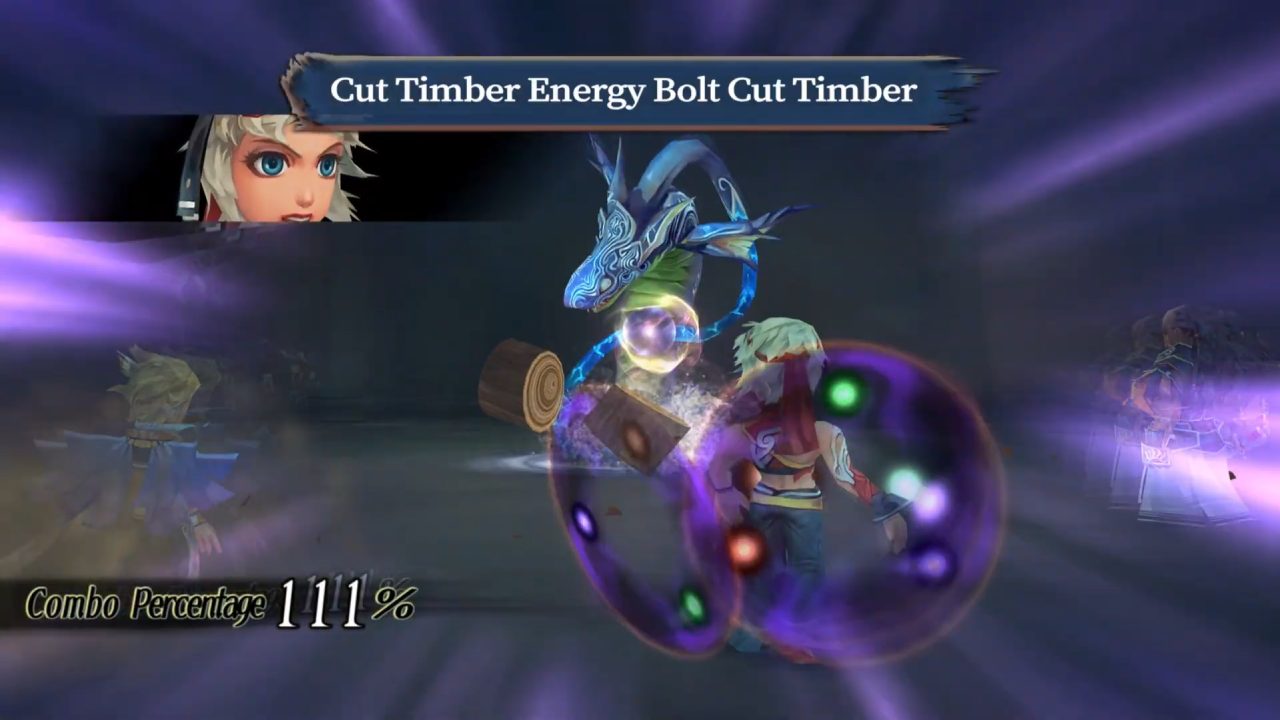
You learn how to do things on the fly when you're in a fight. Instead of being bought or unlocked by leveling up, new methods show up all of a sudden because of inspiration. When a strong move comes at just the right time, this method can feel really exciting, but it can also feel random. There's no clear way to tell when a skill will show up, and using the same method over and over might not always work.
Life Points make fights a lot more tense. A character is knocked out instead of immediately defeated when their health hits zero. But if they are hit again while they are out of commission, they lose Life Points for good. These points are scarce and hard to get back. If a character loses all of their Life Points, they can be removed from the game. For the main protagonist, this leads to a game over.
Weapon longevity makes fights even more difficult. Skills use up resilience, weapons can break, and repairs cost money. It also only helps you a certain number of times with secondary skills like disabling traps or opening boxes. This makes players carefully plan their actions and discourages them from fighting without thinking, which aligns with the game's broader philosophy of restraint.
In Minstrel Song, the Event Rank system is one that many people get wrong. The game moves the world state forward based on how many fights the player has fought. As the Event Rank goes up, foes get stronger, quests appear or go away for good, and the game slowly moves toward its end.
This makes a surprising turn of normal JRPG reasoning. The game gets harder when you fight too much. In most RPGs, grinding for experience is a way to make sure you don't lose, but it can quickly get you into situations where your enemies are way stronger than your weapons and supplies.
The best way to progress often means avoiding fights when you can, running away from them, and focusing on quickly finishing tasks instead of clearing every dungeon. This design is based on knowing and planning, but goes against intuition. A lot of players will mess up their own progress without even realizing it, just by playing the game in a "normal" way.
When you figure out how this method works, the design looks very simple and neat. Before that point, it can seem unfriendly and unfair, particularly to newcomers.
In terms of graphics, Romancing SaGa -Minstrel Song- Remastered International looks like a PlayStation 2 game that was made from an older Super Famicom game. The character models have big heads and exaggerated body parts, and the surroundings feel empty and simple.
The remaster improves the texture and overall clarity, but it can't fully modernize the presentation. You still can't rotate the camera by hand. The camera changes viewpoints on its own a lot, which can reverse the direction of movement or make tracking harder. This can make wandering annoying, especially in dungeons where there are a lot of ways out and not many things that you can see to help you figure out where you are.
Enemy designs are often more successful and show off creative and sometimes ugly creatures. People who like old 3D RPGs might think the graphics are cool, but players who are used to high-quality graphics in new games probably won't be impressed.
One of the best things about the game is Kenji Ito's music. Battle songs are full of energy and drama, and they often use rock or metal elements. This makes the sense of scale and urgency in battle stronger. These tracks make meetings more interesting, even when they might otherwise feel like a routine task.
Exploration music is more subtle, but it works well to set the mood without getting repetitive. The sound effects are more about how they work in the game than how they sound, but the music always adds emotional depth and helps to define the game.
Dating, you have to accept the way that SaGa -Minstrel Song- Remastered International is set up and be patient with the things that are wrong with it. It doesn't adapt to today's accessibility standards, explain itself, or easily accept mistakes. It doesn't ask you to get used to it.
The game has a lot of secret rules that you can learn. You can change your character in many ways, make choices that affect the game, and see a world that feels alive in subtle ways. For others, its lack of popularity, old-fashioned look, and hard-to-learn techniques will overshadow its good points.
There's no doubt that this International Edition is the best way to experience Minstrel Song, but the game is still pretty obscure and only really appeals to a certain type of person. It's not an easy suggestion or a gentle introduction to the SaGa series. But it's an interesting piece of RPG design history that won't give in.
Contributor, NoobFeed
Verdict
A very complicated Japanese role-playing game that prizes what you know over your own comfort. It seems great in theory, but it is annoying when used and is memorable once its systems are shown.
72
Related News
No Data.