
Screamer Review
Xbox Series X|S
After 25 years, the classic arcade racer returns with anime flair, intense driving, and a narrative that actually makes you care.
Reviewed by Mahi Araf on Mar 27, 2026
I found it difficult to believe that Screamer would be making a comeback after more than 25 years. With four games, including the spin-off 4x4, the original series was a PC-only phenomenon in the late 1990s. However, it was mostly forgotten, eclipsed by games like Need for Speed, Ridge Racer, and Gran Turismo.
The Italian studio behind this comeback, Milestone, is well-known for its competent but rarely innovative motorcycle games, such as Ride and MotoGP. Yet after finding success with Hot Wheels Unleashed, Milestone finally had the opportunity to let their creativity run wild, and Screamer is the result—a game that’s chaotic and unapologetically over-the-top.
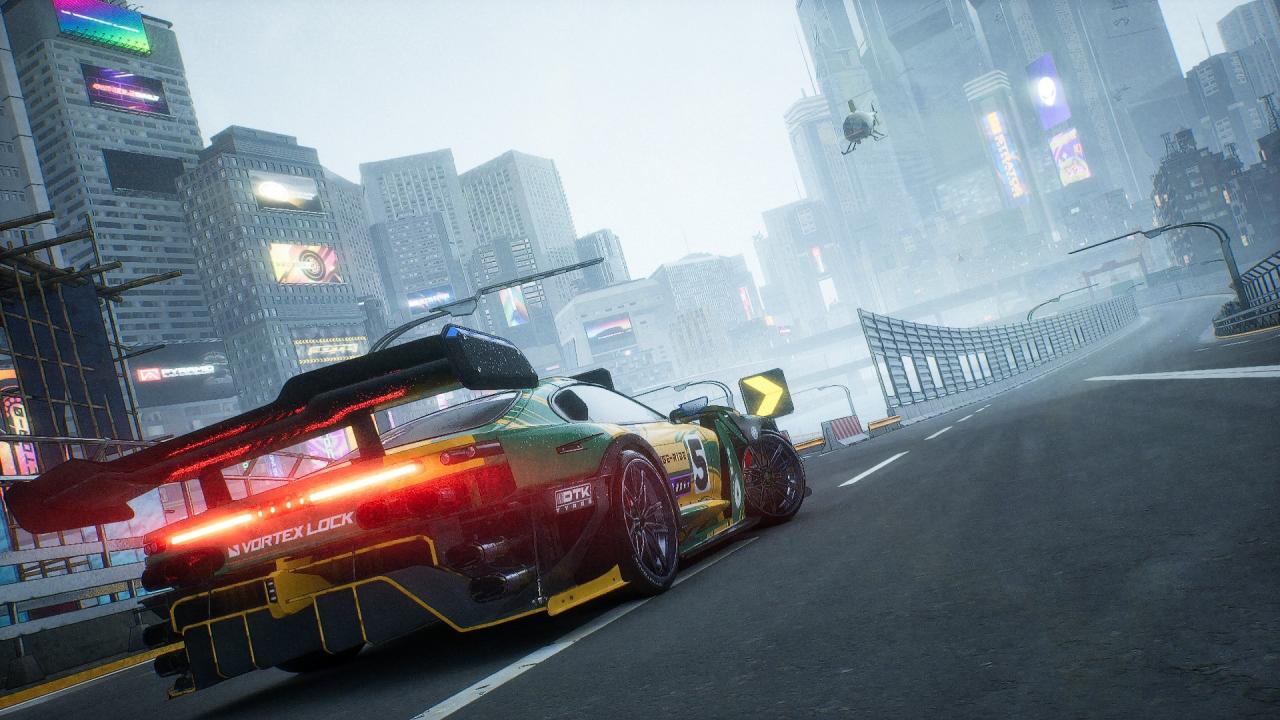
I could tell right away that this wasn't just a cash grab based on nostalgia. It's a new take on the arcade racing formula, with fast tracks, anime-inspired graphics, and an unexpected level of story depth that sets it apart from almost everything else in the genre today.
At the heart of Screamer is the Screamer Tournament, an illegal racing event run by the enigmatic Mr. A, promising a $100 billion prize pool. But it isn’t just money that drives these racers. Each competitor has a reason for entering—revenge, ambition, or something even bigger.
The story unfolds through four chapters, told with lavish anime cutscenes by Polygon Pictures, the studio behind Star Wars: The Clone Wars and Transformers Prime. Between the cinematic moments, much of the narrative is delivered through visual novel-style dialogue scenes.
These may seem static compared to the cutscenes, but they still let the characters shine. Every character, from the foul-mouthed army veteran Roisin to the conflicted Hiroshi of the Green Reapers, has depth and a unique reason for going on their journey that makes you care about them.
Even Gage's corgi friend Fermy, who is a little strange, adds charm and surprise humor, with full recordings of dog sounds. The cast is international, with characters speaking English, Japanese, German, and French, giving the world a rare sense of lived-in authenticity in racing games.
The plot itself is not merely a superficial element of the game.
For an arcade racer, the story layers are more complex than any of us would have thought. The Green Reapers, also known as the Banshees, are entering the tournament after their last leader died in mysterious circumstances, heightening the tension and personal stakes.
The Anaconda Corporation, led by Gabriel, serves as a morally complex antagonist; they feel sinister, yet the story occasionally forces you to sympathize with their motivations.

Each racer’s vehicle is an extension of their personality—brash body kits, elaborate liveries, and aggressive designs make each ride feel super unique and, to put it more simply, cool.
There are no licensing restrictions, so the cars are original and vibrant, reinforcing the anime-cyberpunk aesthetic of neon-lit streets and highways and dense forests. Music themes for each team also provide identity, ranging from pulsing electronic beats to adrenaline-charged rock tracks, which inject energy into every race.
Some episodes, like the corgi-chasing fidget spinner missions, feel like filler, but the main arcs do a good job of raising the stakes and making the relationships between characters more interesting. This story, which is not typical for the genre, makes you care about the racers and gives each event meaning instead of just being another set of tracks.
Driving in Screamer is where the game truly shines.
Milestone has implemented a twin-stick control scheme that initially feels strange—you steer with the left stick and control your drift angle with the right. Fans of Inertial Drift will notice similarities, yet Screamer has its twist. Cars feel weighty and momentum-driven, and while it isn’t realistic, it’s far from mindless.
Unlike other arcade racers, where you can just hold the accelerator and hug corners, Screamer demands precision. Tight turns require braking or lifting before initiating a drift, and applying power too early can send you flying into barriers. The game has steering and braking aids that help new players, but they also make it feel like you have less control, so I turned them off after I got used to the mechanics.
Learning the system is very rewarding, I must add. When you perfectly slide through a series of corners while timing boosts, it feels more like an art form than a game mechanic. The physics may feel heavier than other arcade racers, which some players could find punishing at first, but the reward for learning them is unparalleled.
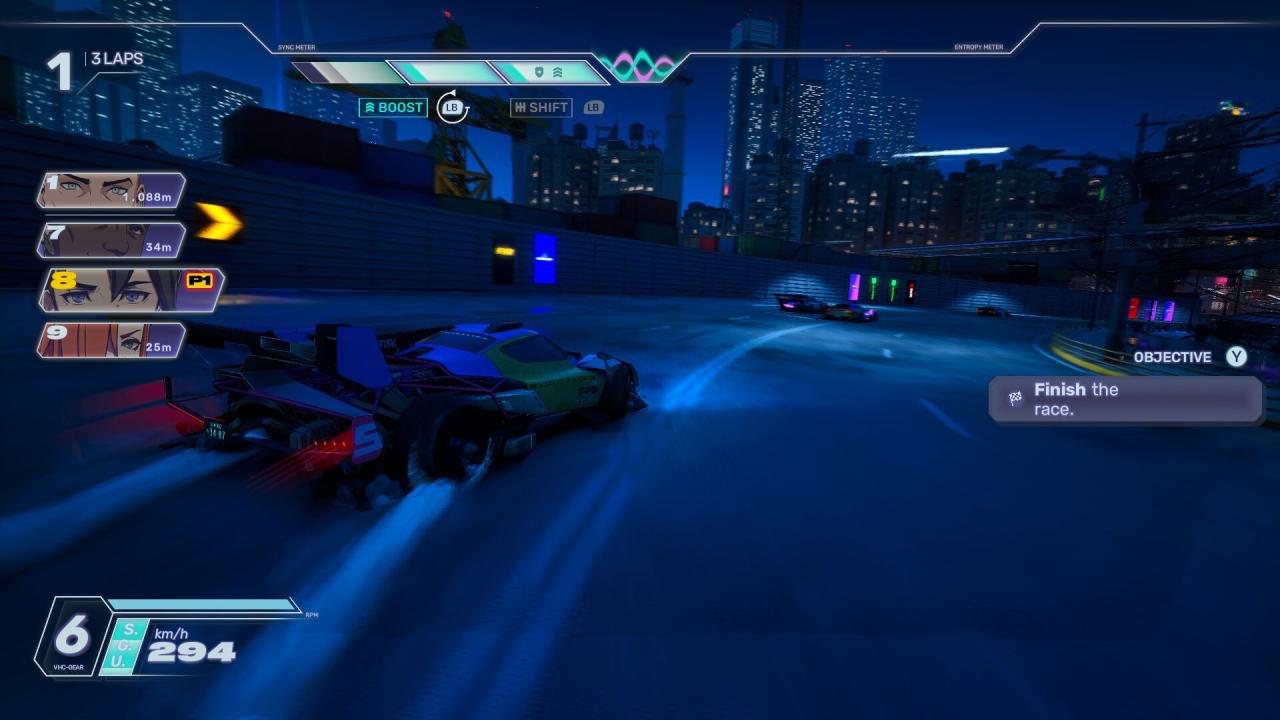
What really sets Screamer apart is the multi-layered combat system intertwined with racing. Each car has the Echo, a tech-enhanced system that grants abilities and allows drivers to recover from “death”—effectively keeping the chaos alive. Driving cleanly, slipstreaming opponents, and timing gear shifts fill your Sync bar, which powers your boost and defensive maneuvers.
The Entropy bar, fueled by Sync, lets you execute strike attacks to take out opponents or unleash Overdrive, transforming your car into a destructive fireball. The system encourages split-second decision-making, getting your brain cogs whirring as you try to decide between conserving your resources for a late-game push or going all in to knock out an early rival.
Each character has perks that influence combat; Aisha can activate a shield if attacked, while Roisin’s aggressive playstyle lets her strike more easily.
The system is complex, deep, and, for me, one of the most refreshing in modern arcade racing. Arcade Mode unlocks all the mechanics right away, which can be too much to handle.
Story Mode, on the other hand, introduces them one at a time, offering a good balance between ease of understanding and depth. However, I did notice that new players may struggle without a dedicated tutorial, as the combo of Sync, Entropy, Overdrive, and defensive maneuvers is dense and can feel intimidating during their first few races.
Customization in Screamer is more about looks than performance. You can add spoilers, splitters, decals, and liveries to your cars to make them look unique and cool. I would have liked performance-based upgrades, like tuning your suspension or optimizing for certain types of events, but keeping progression cosmetic keeps the balance based on skill.
In Screamer, you feel like you've earned your success, not just because of the stats. Completing story events and optional side races unlocks new tracks, challenges, and cosmetic options. This makes players want to race again and try out different strategies, but players who like long-term character or vehicle development might be disappointed that there isn't much meaningful progression.
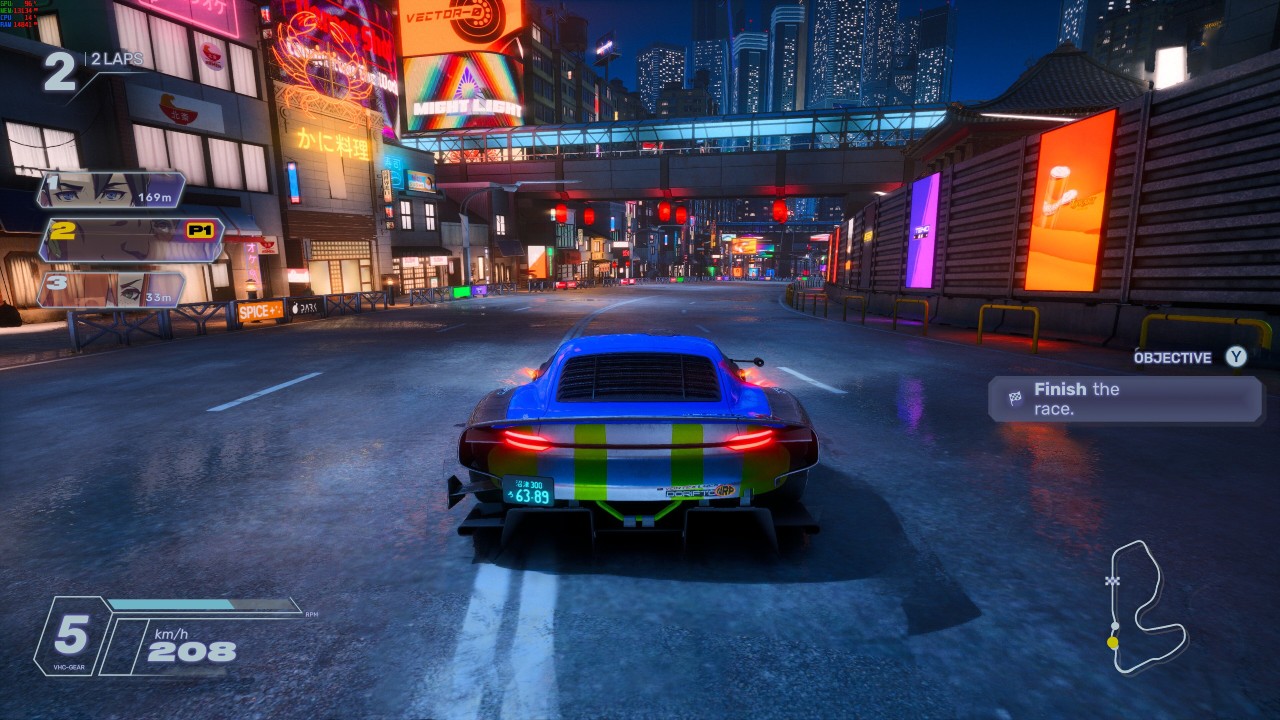
There are more gameplay modes than just the narrative Tournament.
In story missions, you can do single races, team events, time trials, and checkpoint challenges, each with its own goals. Sometimes you have to beat a certain opponent, get perfect boosts, or finish a team-based goal to win. It's not always about finishing first. Players can fully customize Arcade Mode by changing the grid size, the number of laps, and the combat mechanics, such as Overdrive or Sync generation from knockouts.
The Overdrive Challenge is a survival mode that tests how long you can drive in Overdrive without crashing. The Score Challenge is a leaderboard competition that takes place over several races. Multiplayer lets up to 12 people play online at the same time.
There are ranked team races for three-player parties, private lobbies, and quick matches. Local split-screen supports up to 4 players, but the interface can feel cramped on smaller screens. These modes make the game last longer by keeping the main experience fresh even after you've finished the story.
Screamer looks like a "screamer."
The cel-shaded anime characters and bright, neon-drenched settings stand out, and the vehicles shine with reflective paint and lots of tiny details. The tracks go through futuristic cities, forests, deserts, and secret places that are important to the story's climax.
Milestone has only 32 layouts in four main environments, but it makes the most of each one with smart track designs, shortcuts, and environmental hazards. However, after a while, the same things keep happening over and over again.
The game runs well on all platforms, with little to no slowdown, even in chaotic races with many cars. The cars feel responsive, and you can really feel the speed. There are times when near-collisions and explosions feel like a Fast and Furious movie.
On Xbox Series X, I experienced stable gameplay with smooth visuals, and even when the action became frenzied with multiple players or large crashes, performance rarely dipped.
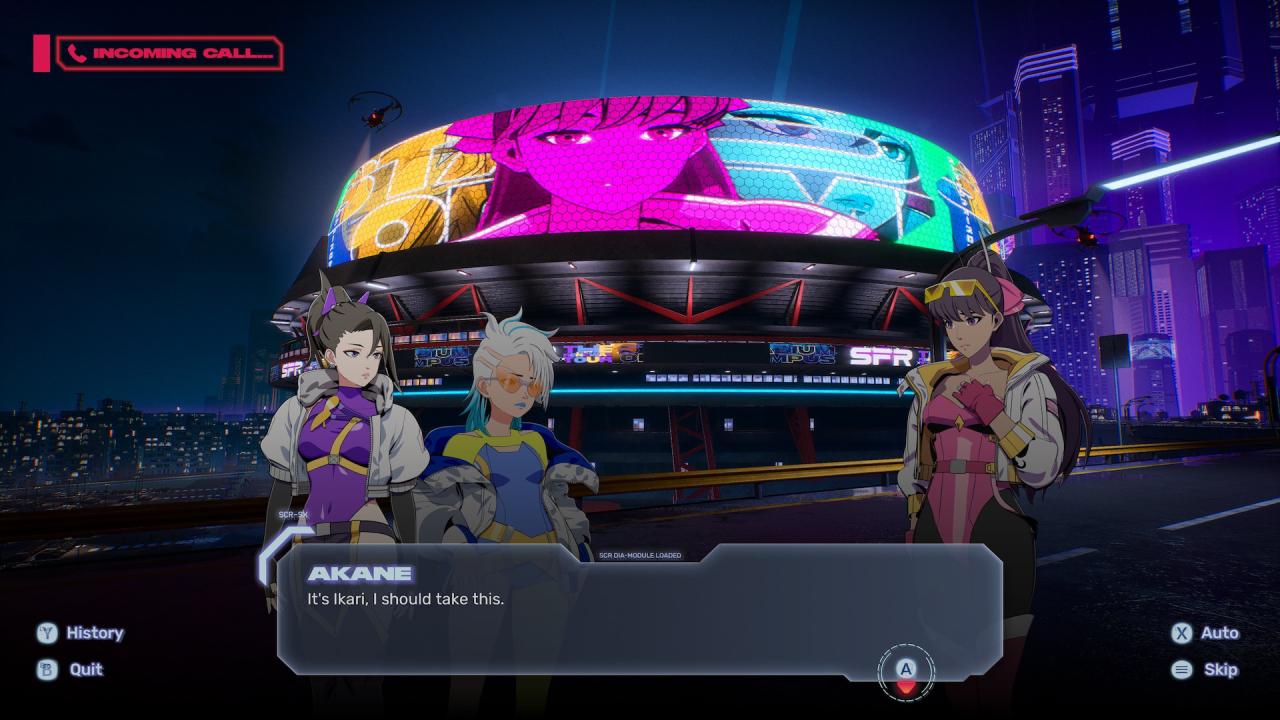
Audio enhances the frenetic racing experience. Fully voiced characters and dialogue in multiple languages give personality and depth, and dynamic soundtracks shift depending on the team or driver you’re using. Engine roars, tire screeches, and environmental sounds are well-mixed, keeping the adrenaline high.
That said, some tracks do blend together after long play sessions, which slightly diminishes the soundtrack’s impact, but the explosive sound design and constant combat feedback keep the energy consistent. Voice acting is mostly solid, though a few lines border on campy or overly exaggerated, which can briefly pull you out of immersion.
Despite all its strengths, Screamer isn’t flawless.
The story segments can feel heavy-handed with exposition; dialogue occasionally dips into cringeworthy or overly campy territory, and the visual novel-style moments may test patience. Certain characters are underdeveloped, which weakens the narrative impact of their arcs. The limited track variety and lack of performance-based customization may disappoint players looking for deeper progression systems.
The twin-stick driving can be punishing until you master it, and casual players might find the learning curve intimidating. Even so, these issues are minor compared to the game’s accomplishments. Every race feels dynamic, the combat mechanics are novel and engaging, and the characters and narrative elevate the experience beyond what most arcade racers attempt.
At $60, Screamer offers a full-featured, high-octane arcade racing experience. It has a lot going on, is stylish, and has a lot of amazing layers. It has both a deep story and complicated mechanics that aren't often found in this genre. The game rewards time and skill, whether you're playing Story Mode, customizing your favorite character's car, mastering the combat systems, or fighting friends online.

Every win feels deserved, every mistake hurts but teaches, and the overall feeling of getting better is very satisfying. The game is like a rare gem that respects players' intelligence while still adhering to the arcade-racing philosophy of "fun first."
Screamer is a triumphant return that honors the arcade roots of its franchise while introducing modern innovations in story, combat, and gameplay.
It's loud, flashy, and crazy, but underneath it all is a surprisingly deep racer that requires careful planning, quick thinking, and skill. The story, full of anime references, and the complex, layered driving and combat mechanics work together to create an exciting experience.
There are some small problems with it, like not having enough distinct tracks, some characters not being fully developed, and no performance-based upgrades, but overall, it's a love letter to arcade racing that I kept going back to. Screamer is a must-play if you want a game that combines the excitement of classic arcade racing with a great story and complicated systems.
Senior Editor, NoobFeed
Verdict
Screamer is a stylish, chaotic arcade racer with depth, narrative, and combat mechanics that reward skill and mastery—a must-play for fans seeking adrenaline-fueled fun.
87
Related News
No Data.