
Skate Story Review
PC
A skateboarding experience that trades mastery for metaphor.
Reviewed by Wasbir Sadat on Dec 18, 2025
Skate Story comes from a long and strange private development cycle. It was first shown years before it came out, and was made almost entirely by the solo developer Sam Eng. The project didn't give in to the pressure to meet genre expectations. It slowly grew into a highly authored experience that values emotional purpose over broad appeal.
Skate Story was not marketed as a sequel or spiritual successor to other skateboarding games, like most other titles in the genre. Instead, it was marketed as a solo artistic statement. When it finally comes, it feels more like the reveal of a finished personal thesis than a launch.
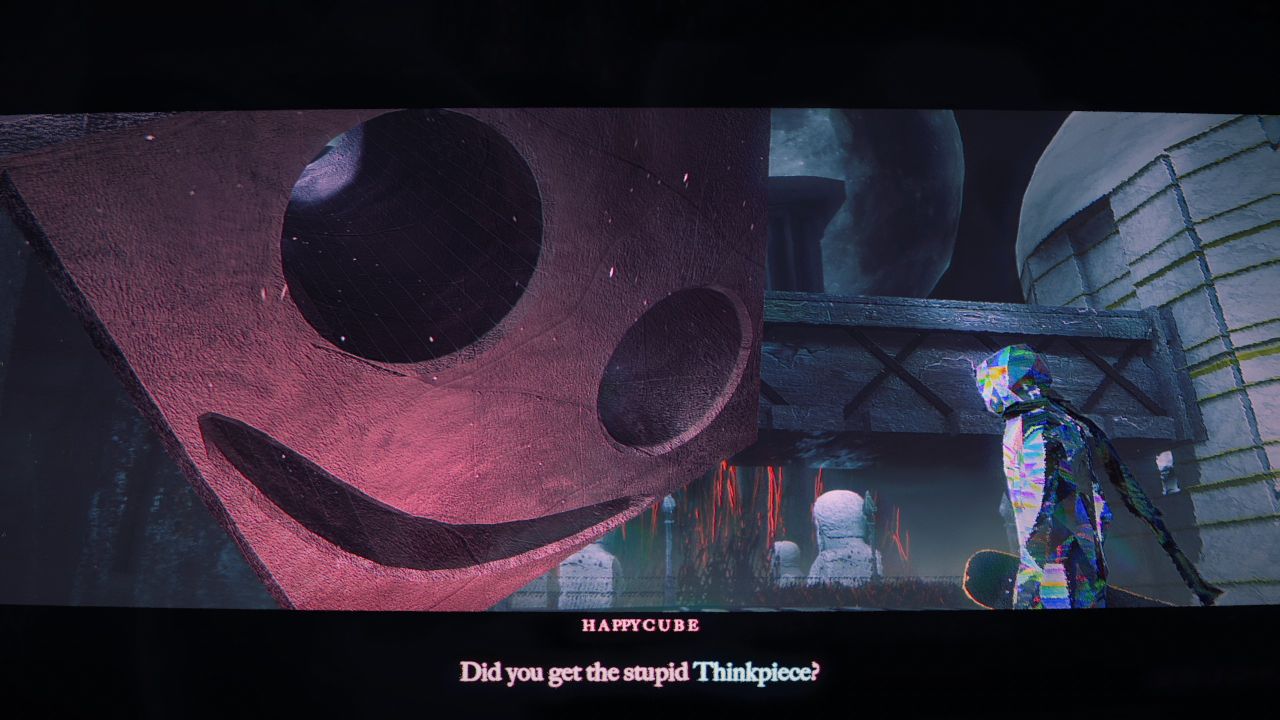
The design theory of Skate Story is based on how the game was made, since the creator removed mechanics that didn't fit with the tone during the game's development through trial and error. Instead of going for technical excess or content depth, Skate Story improves a small number of ideas until they are exactly right.
Because the game took so long to make, it wasn't affected by design trends, and the release feels like it doesn't belong to any one time period. Skate Story enters the art form with confidence and without making a sound, sure that it doesn't have to play by the usual rules to succeed.
Instead of telling the story in a straight line, Skate Story tells its story through a strange metaphor.
The story begins with a glass demon who makes a deal with the Devil to get a chance to get a soul back. The task is to eat the moon, which is a silly thing to ask because it has a different meaning at every stage of the experience.
Skate Story doesn't try to explain this idea; instead, it lets symbolism take the place of cause. Instead of relying on dialogue-heavy explanation, this storytelling style uses setting, pacing, and suggestion to show what is happening.
The underground in Skate Story looks like a twisted cityscape. It is based on New York City, but it has been changed into a surreal and dark place. Hell is mostly made up of bureaucratic places, empty stores, and boring infrastructure.
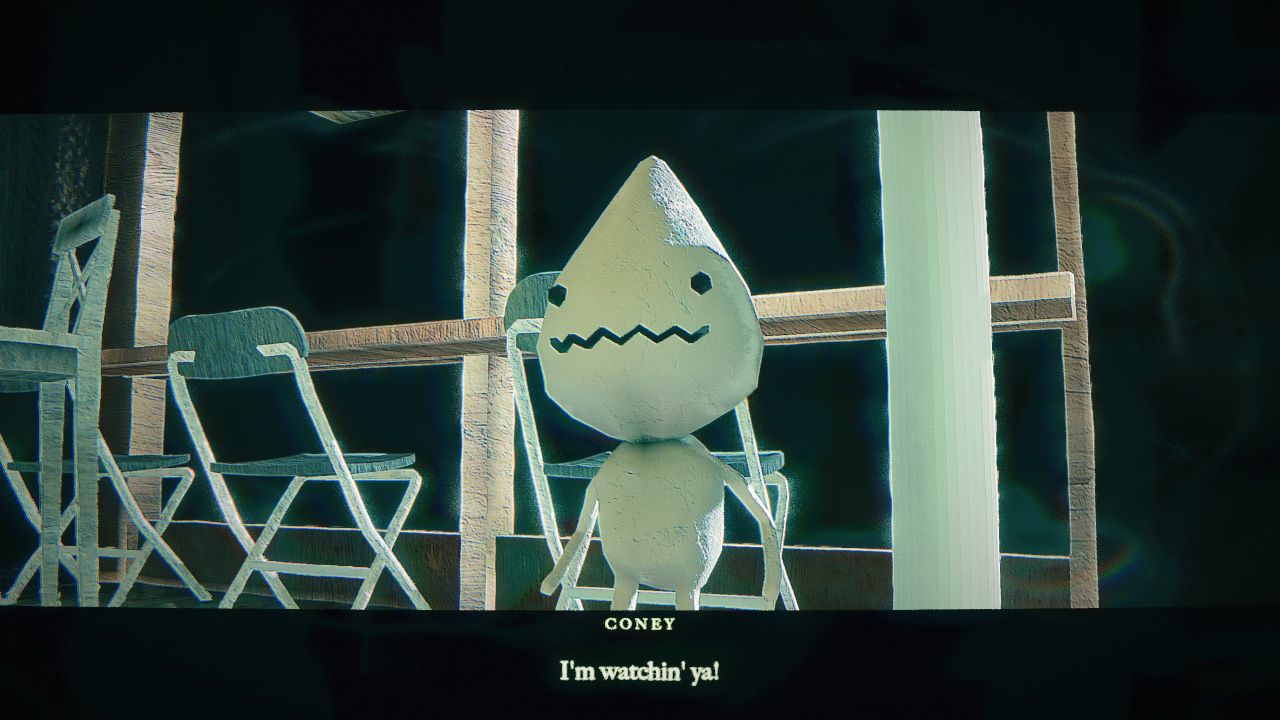
This makes damnation seem more like exhaustion than a big event. Skate Story fills this place with strange characters whose personal problems show themes of regret, unfulfilled desire, and quiet despair. Instead of moving the story forward, these encounters act like emotional breaks.
Narrative coherence is deliberately broken up, and Skate Story cares more about keeping the mood the same than about resolving the plot. On a literal level, scenes often seem separate from each other, but they are linked through theme, tone, and repetition.
This method requires active participation, meaning players give it value instead of just taking it in. Skate Story makes its story something that is felt instead of known, which strengthens its dedication to telling stories through experience.
At its core, Skate Story is a skating-based movement game that focuses on accuracy, speed, and self-control. Movement is controlled by a planned method that focuses on timing and balance instead of overly long airtime or fast speed.
Tricks need specific patterns of inputs, which makes button mashing less effective and rhythmic playing more effective. Skate Story makes skating seem like a skill to be learned instead of a power dream.
Skate Story is played in a linear fashion, split into chapters that each present an open skate space, a sequence of traversal, and a boss fight in turn. You can't free roam or pick chapters, and areas you've already been to can't be visited again on their own. This structure pushes forward, making narrative inevitability fit with mechanical development. Skate Story fully embraces the idea of movement as a trip and not a destination.
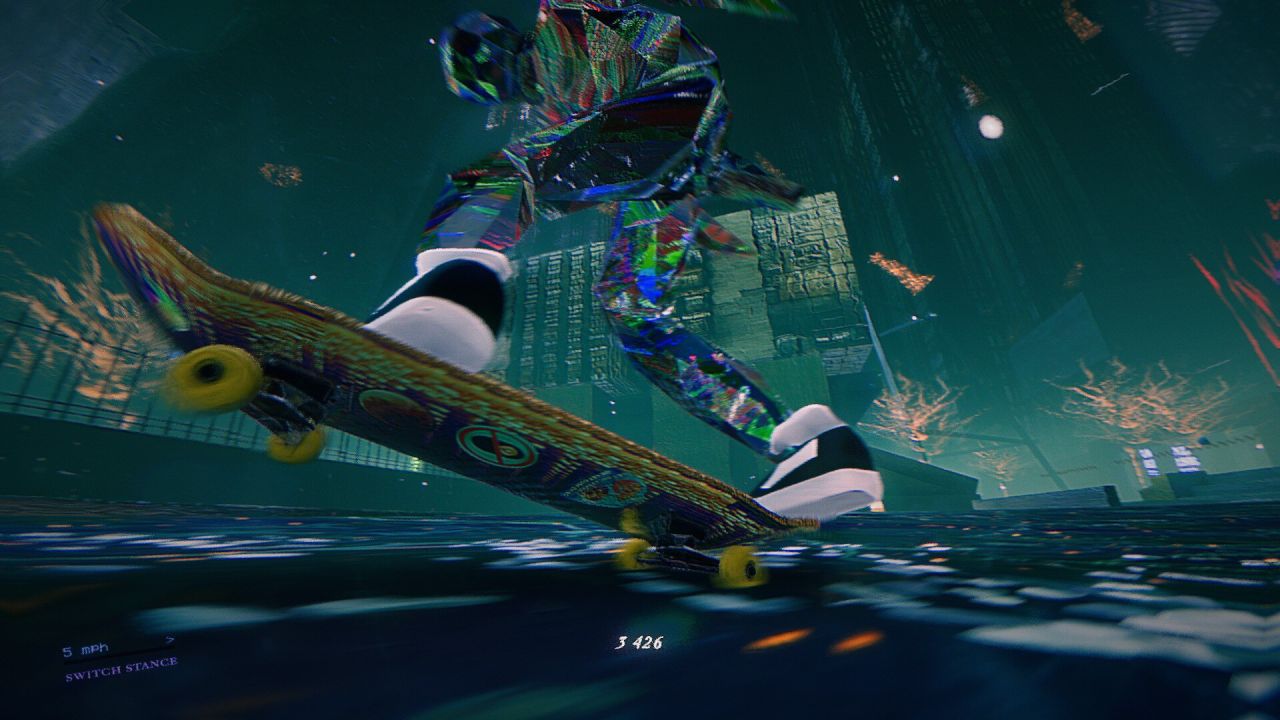
Responsiveness is high, though it doesn't forgive mistakes; if you do it right, you get flow instead of show. Grinds, reverts, and guides require dedication and knowledge of the space around you. Skate Story values being real over being easy to play, which makes it hard to learn and keeps casual players away.
As a result, the sliding system feels like it is on the ground, is touchable, and is meant to be breakable.
In Skate Story, you fight by doing tricks on your skateboard, which turns movement into a way to fight. In boss battles, players build tricky combinations and then release them with perfectly timed stomps under large space entities that are in the scene. Damage output isn't based on how aggressive a player is, but on how they place themselves and their rhythm. Skate Story makes fighting about expression instead of control.
These meetings are visually dense and mechanically demanding. They often take place in changing settings that test your ability to control your character in three-dimensional space. Instead of attacking directly, bosses put pressure on players with time limits and patterns of movement. In Skate Story, the stress comes from the risk of losing progress in the game, not from enemies hurting you. This method strengthens the thematic link between skating and resistance.
But the fighting system doesn't have mechanical depth when it comes to scoring differences. Larger attacks don't do much more damage than smaller ones, which makes the game less about strategy. Skate Story is great at creating big events, but it hurts its own systems by making all rewards the same. This issue is easier to notice in later meetings.
Skate Story's combat is strong because the skating, narrative, and strife all work together in a single idea. The ability to perform under pressure supports themes of fragility and perseverance. When you skate, you are both surviving and rebelling. Skate Story is at its best when gameplay and meaning work together.
When readability is affected by appearance, weaknesses show up. Sometimes, high-speed traversal patterns need to be exact even when they can't be seen clearly. The way the camera is positioned can make it look like the movie is about skateboarding, but it can also hide things that are coming up. Instead of making it hard on purpose, Skate Story adds difficulty by changing the perspective in these moments.
Even with these problems, the general loop is still interesting because it hits people in the feels. Failure is expected and part of the process instead of being punished. As part of progress in Skate Story, frames fall apart. This keeps the theme consistent even when the game gets frustrating, which is part of the point.
Skate Story purposefully doesn't use the standard ways of leveling up, like experience points, skill trees, or stats. You can get ahead in the game by collecting a coin called Souls, which you can earn by skating and exploring. These souls are mostly used to change the look of things like boards, wheels, and other decorations. Skate Story is designed to separate growth from power.
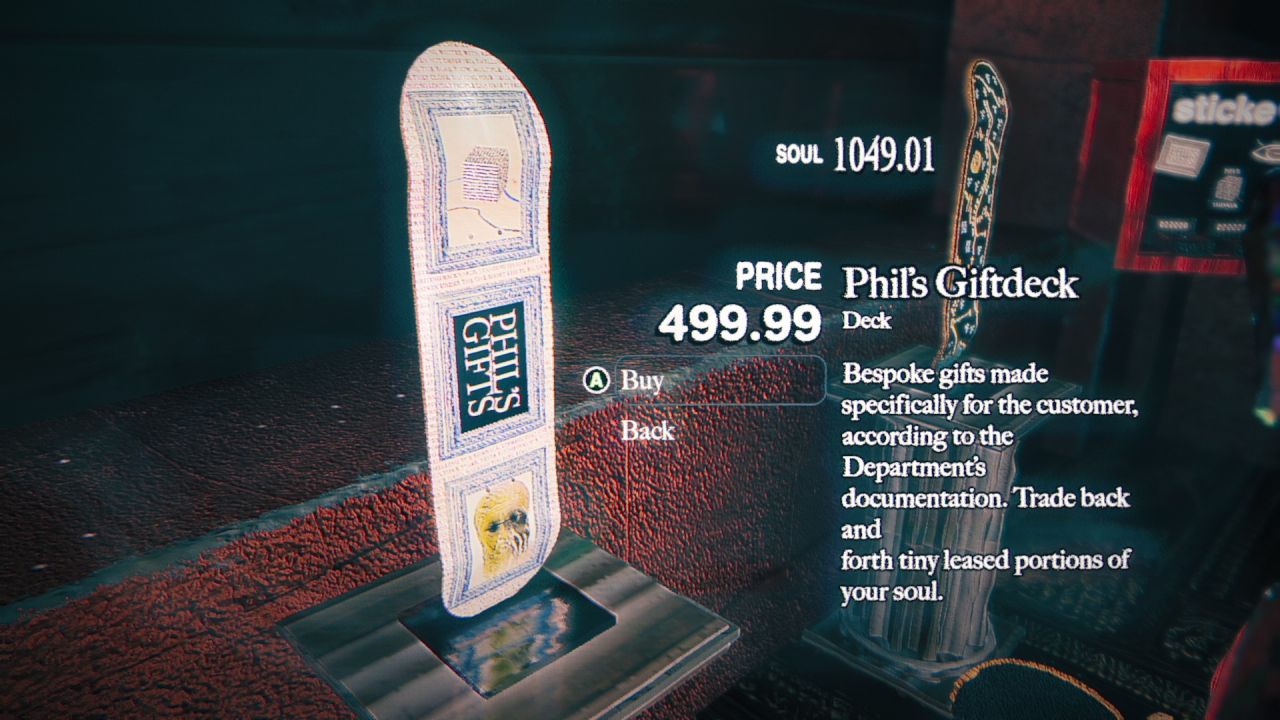
This choice keeps mastery based on skills instead of numbers. You can't grind to get ahead; you can only repeat to get better. Skate Story avoids the dopamine loops that are popular in games where you try to level up, and it rewards players who have learned how to play better on their own. Instead of numbers, growth is measured by how sure you are.
But not having mechanical improvements might turn off players who want to make real progress.
Cosmetic rewards don't change how things work, so they don't encourage people to do their best in the long run. Skate Story values artistic honesty over standard ways to get players to spend time with a game. This makes the game more unique but less appealing to a broad audience.
Skate Story uses a lot of surreal shapes and textures, which makes it stand out visually. The main character's body is made of glass, which refracts light in a way that emphasizes themes of impermanence and frailty. Environments mix simple shapes with a lot of editing after the fact to make areas that feel like they are in a dream or are unsteady. Distortion is the story language that Skate Story uses.
A constant feeling of unease is caused by lighting and color bleed, while motion blur and camera effects make speed and impact stronger. Each setting is carefully built around areas that can be skated on, with flow being more important than how realistic the setting looks. In Skate Story, level creation is like choreography instead of scenery.
Sometimes, visual complexity makes it harder to see what's going on, especially when there are fast-moving parts. Background elements can mix in with dynamic surfaces, making it harder to get around. These times are rare but worth noticing. Skate Story always picks mood over readability and is okay with the trade-off.
One of the best things about Skate Story is its sound creation, which makes the player feel connected to the game. Blood Cultures and other artists make up the music, which moves between calm and intense sections. Music that goes along with exercise can help you get into a flow state. Skate Story treats sound like it is part of the action.
The different sounds that skating makes on different surfaces add to the realism of the environment. When you fail, the sound and feel of breaking glass make it stand out. Silence is used purposefully, giving room to breathe between climaxes. Skate Story knows the emotional impact of restraint.
Some settings have minor effects that make the sound disappear for a moment. Instead of making the work feel unfinished, these breaks make it more surreal. Skate Story uses very little music, and when it is used, it is for a reason. This adds to the meditative tone of the game.
Skate Story was not made to meet the typical standards of a skating game. It doesn't give you a choice, limits replayability, and resists mastery fantasies. What it does offer is a link between the theme, the physics, and the mood. Instead of viewing skateboarding as a sport, Skate Story views it as a theory.
Its mistakes are part of its purpose. Limited camera control, a slow growth system, and a rigid structure are all problems that were intentionally created and are not mistakes. Skate Story wants players to play the way it wants them to, and it rewards people who are patient and can figure things out. People who don't want to change will have a hard time connecting.
Skate Story offers a unique and unforgettable experience to people who are open to its vision. In this case, the video game serves as a form of personal expression without any limits. Skate Story doesn't want to be liked; it just wants to be understood.
Contributor, NoobFeed
Verdict
Skate Story is a bold, introspective experience that transforms skating into a metaphor. Its uncompromising design and surreal presentation will divide audiences, but its emotional coherence and artistic confidence make it unforgettable.
63
Related News
No Data.