
Styx: Blades of Greed Review
PC
A true stealth game that refuses to hold your hand.
Reviewed by Nusrat Choity on Feb 20, 2026
It has been nearly a decade since Styx: Shards of Darkness left things hanging, and if you thought the foul-mouthed goblin was done, Styx: Blades of Greed proves otherwise. Developed again by Cyanide Studio, this third entry doesn’t chase trends or try to reinvent itself into something flashier. Instead, it doubles down on what made Styx special in the first place: demanding, methodical stealth where patience wins, and arrogance gets you killed.
This is not a game interested in guiding you with glowing ledges or obvious climb markers. It assumes you are paying attention. And if you are not, it will let you fail.
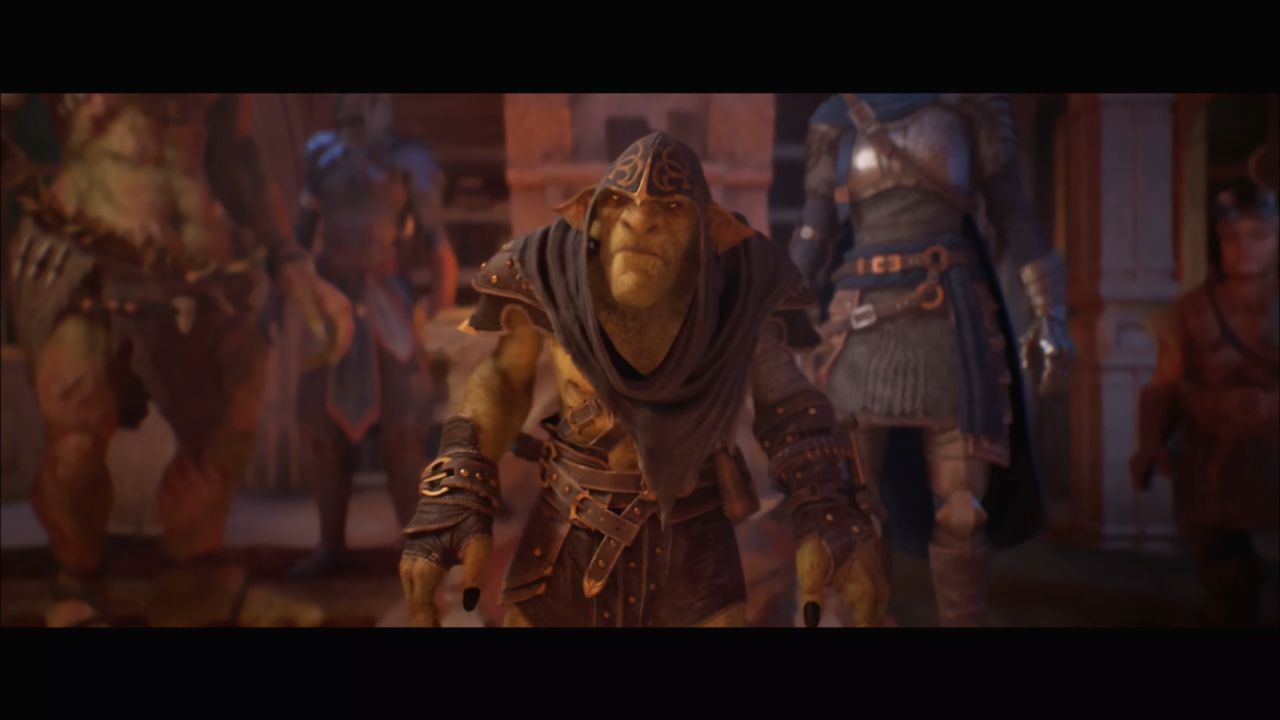
Blades of Greed picks up directly after the events of Shards of Darkness. Styx is once again tangled in a mess far bigger than himself. The story revolves around quartz, a powerful magical resource that fuels the human empire and its Inquisition. Styx wants it for himself. The empire wants all of it. Nobody in this world seems capable of moderation.
As you move through the campaign, Styx forms uneasy alliances with outcasts and misfits aboard a stolen flying ship.
There is a pirate captain with his own grudge, a dwarven engineer who handles upgrades, and familiar faces from earlier entries. The dynamic works well. It gives the story momentum without drowning you in exposition.
You do not need to have played Of Orcs and Men or even Styx: Master of Shadows to follow what is happening, but returning players will appreciate the callbacks. The world feels lived-in, especially in areas like Akenash, which longtime fans will recognize in a very different state.
The writing is sharper than before. Styx’s sarcasm still cuts through the gloom, and the larger theme of addiction, both personal and imperial, runs quietly in the background. The cutscenes, however, are inconsistent. Some voice performances feel flat, and there are technical hiccups that break immersion. Thankfully, story segments are brief. This is a game that knows its strengths lie in what you do, not in long speeches.
From the first major mission, Blades of Greed makes its philosophy clear. Instead of a neat objective marker floating over your target’s head, you get a rough search area and a hint. The rest is up to you.
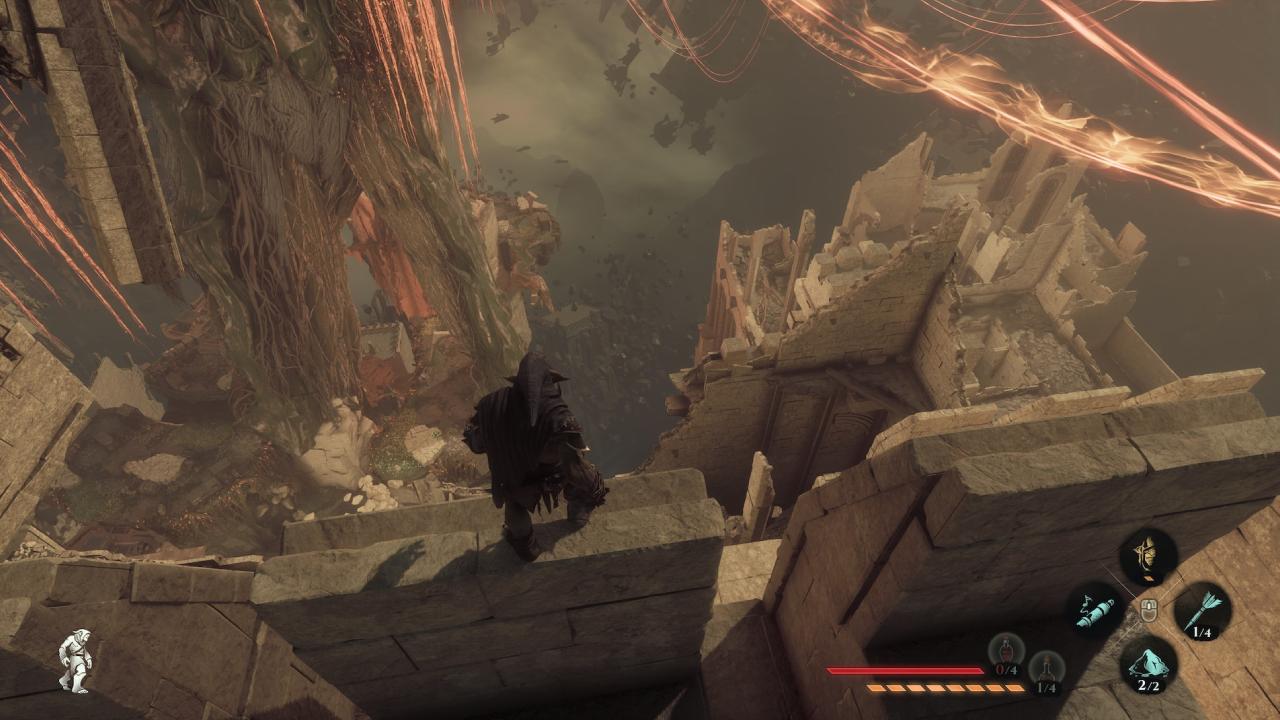
At first, this feels disorienting. You will stare at walls, wondering if they are climbable or just decorative. Interactive objects do not glow. Routes are not painted bright yellow. You have to read the space. Over time, though, something clicks. You start to recognize patterns in architecture. You learn how vertical spaces connect. The environment becomes readable.
And that is when the game becomes satisfying.
Each location is built with verticality in mind. Rooftops, beams, balconies, hidden tunnels, sewer grates—there is almost always more than one path forward. You can stick to the shadows above or weave through crowded ground-level areas if you are brave enough.
Guards are alert. They patrol with purpose. They react to sound. If they find a body, they raise alarms. If they see you disappear into a hiding place, they do not shrug and walk away. They investigate. They search. They coordinate. They are not revolutionary in terms of AI complexity, but they are active enough to keep you tense.
You will spend a lot of time watching patrol routes, studying where guards look, and paying attention to floor surfaces. Carpet is forgiving. Metal floors are not. Sneaking past a sleeping guard feels like defusing a bomb.
When things go wrong, and they will, you have two options: run or reload. Combat exists, but it is barebones. Styx has a basic slash and a dodge. If you perfectly time your dodge, you might create an opening for a kill. Against one enemy, you might survive. Against two or more, it is almost always over.
The message is consistent: this is a stealth game. Not stealth-optional. Not stealth-lite. Stealth. Quicksave is available outside of alert states, and you will use it constantly. The game expects experimentation. It encourages trying different routes, different tools, and different approaches.
The progression is based on quartz bits that are spread out in each area.
If you get enough, you'll be able to use new skills in three main areas. The first branch is all about skills that use amber. You can't be seen, you have clones, and your vision gets better. Clones are a lot of fun. One can be sent to confuse guards, set off switches, or make gaps. Invisibility can get you out of tight spots, but it consumes resources.
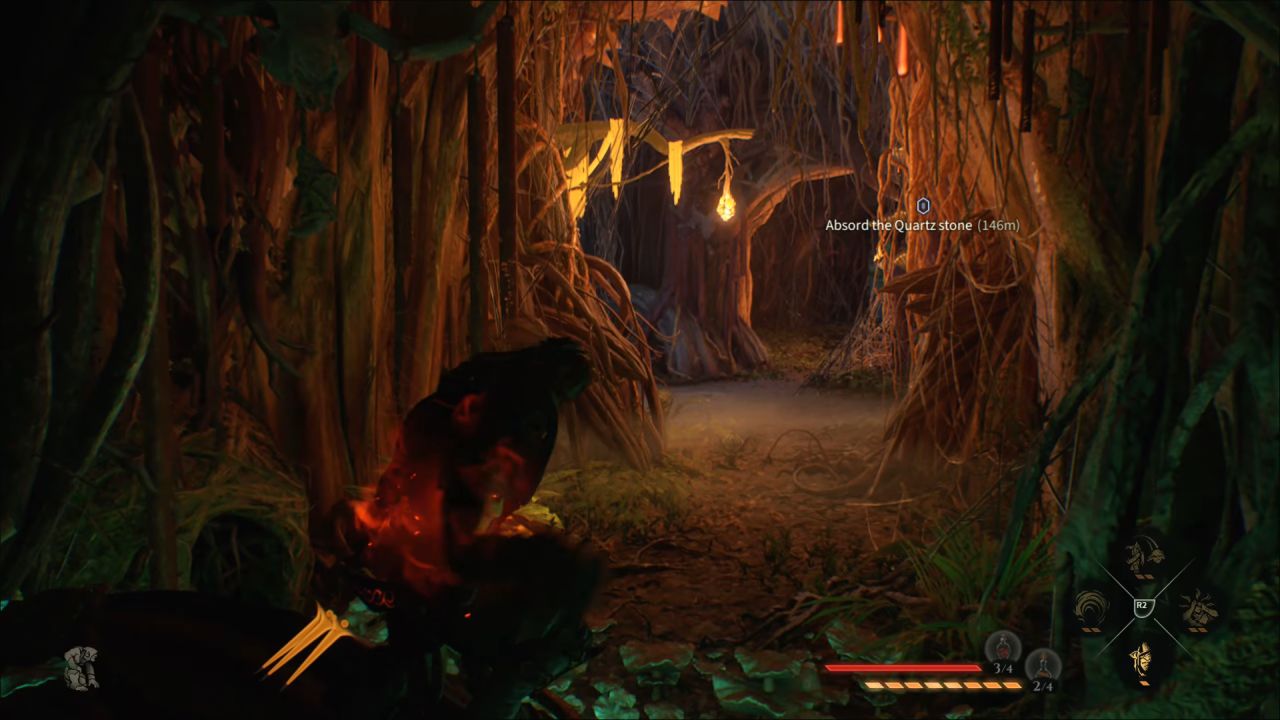
Later upgrades promise even stronger versions of these abilities. The second branch leans into quartz powers. Mind control returns, letting you turn enemies against each other. Time-slow effects and kinetic blasts add more aggressive options. They sound powerful, and they are, but they are carefully limited.
You can't just turn into an action hero. It's best to use these skills as part of stealth plans.
The third branch makes tools and useful things better. Acid flasks break down bodies. Mine's set up obstacles. Lockpicking and carrying ability improvements make things run more smoothly. These changes aren't very fancy, but they're important.
The lack of resources is a choice made during planning that could cause disagreements among players. Materials for crafting combine. You might not have enough resources for health potions if you use them to make bolts. You might give up mending if you spend money on traps. Early on, this might feel like a lock. It limits how easily you can try new things.
Later in the game, traversal tools like the grappling hook and glider dramatically expand your freedom. The only frustration is that they arrive a bit late. The early hours can feel harsher than necessary without them.
Still, when your toolkit grows, the game opens up beautifully. You begin chaining actions together: distract one guard, poison another, drop a chandelier, and vanish into the rafters. It feels earned.
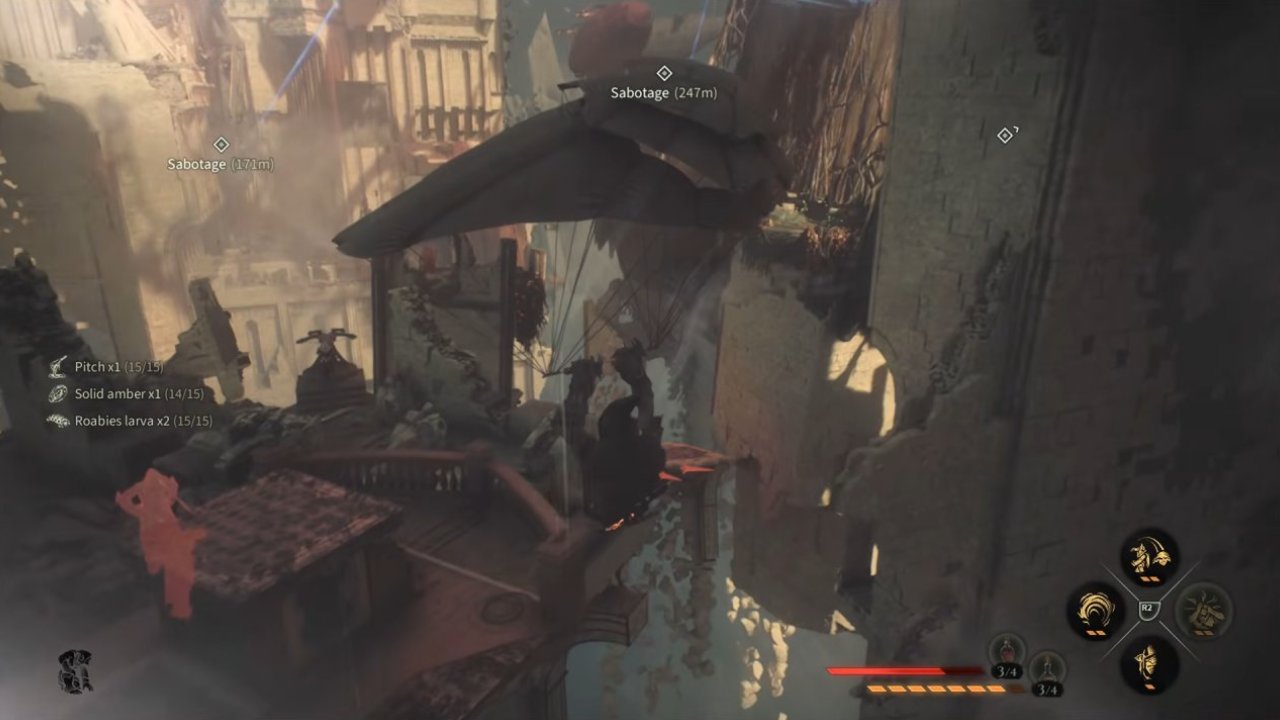
There are three main areas where the game takes place: The Wall, Turquoise Dawn, and Akenash. Each one has its own name. The Wall is tall and narrow, made up of a maze of stone, wood, and royal architecture. In Turquoise Dawn, the setting changes to a swampy area with living things and dangerous animals.
Akenash goes back to a place he has been to before, but this time it is broken and twisted. These are not open worlds in the modern checklist sense. They are large, interconnected sandboxes. You revisit them as new abilities unlock fresh routes. That backtracking rarely feels like padding because your capabilities change how you approach spaces.
The structure strikes a balance. It feels expansive without becoming bloated.
Blades of Greed runs on Unreal Engine 5, but the visual results are mixed. The environments themselves are thoughtfully designed, and lighting plays a functional role in defining safe shadows. Vertical spaces look impressive from a distance.
However, certain effects, especially heavy rain, look muddy. Some textures lack sharpness. Cutscenes suffer from pop-in and occasional clipping between large assets. It is not ugly, but it does not consistently feel cutting-edge either.
Performance is more reliable. Smooth frame rates make traversal feel responsive, and that matters more than visual flash in a game like this.
Sound design carries much of the tension. Guards shout to each other when searching. Their tone shifts depending on the alert level. You can often understand what is happening without looking at the HUD.
Styx’s constant commentary adds personality. Sometimes his lines land at slightly awkward moments, but his gruff sarcasm is part of the series’ identity. Ambient noise, such as creaking wood, distant chatter, and wind through broken stone, adds texture to infiltration sequences.
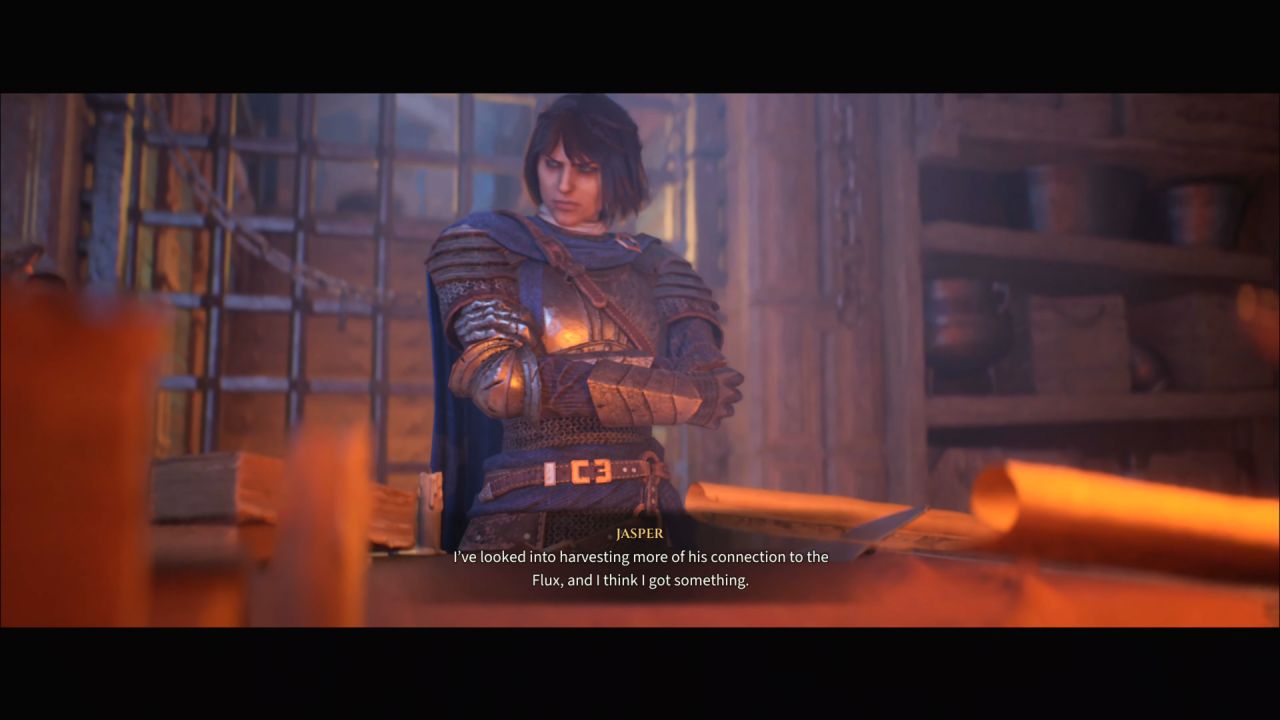
Styx: Blades of Greed is not trying to please everyone. It does not smooth every rough edge. It does not simplify systems to make them more accessible. Instead, it commits fully to being a proper stealth game.
You are weak in direct combat. You must observe, plan, and adapt. Sometimes the AI behaves oddly. Sometimes resources feel too tight. Sometimes technical quirks break immersion. But when everything works out just right, and you pull off a perfect invasion, there is no greater feeling of satisfaction.
This game is for people who like to wait instead of show off, feel tension instead of chaos, and use smart methods instead of brute force. It takes work, but it pays off in a big way.
Contributor, NoobFeed
Verdict
Styx: Blades of Greed is a demanding stealth experience with rough edges but strong design. Creative freedom, layered environments, and meaningful progression make it one of the most satisfying pure stealth games in recent years.
82
Related News
No Data.