
The Abbess Garden Review
PC
A cozy historical gardening sim blending authentic botany, gentle intrigue, and heartfelt storytelling in 1643 France.
Reviewed by Nami Tanaka on Mar 02, 2026
Indie development has always been a great place to try new things, and The Abbess Garden is a great example of how taking artistic risks can pay off in unique ways. This is the first project from MD Studio, a first-time team run by women, and it was published by indie.io.
It doesn't rely on showiness or bombast. Instead, it focuses on mood, historical detail, and the peaceful joy of bringing something back to life. Instead of following the usual rules for farming simulators, the company based its design on real plants and French history.
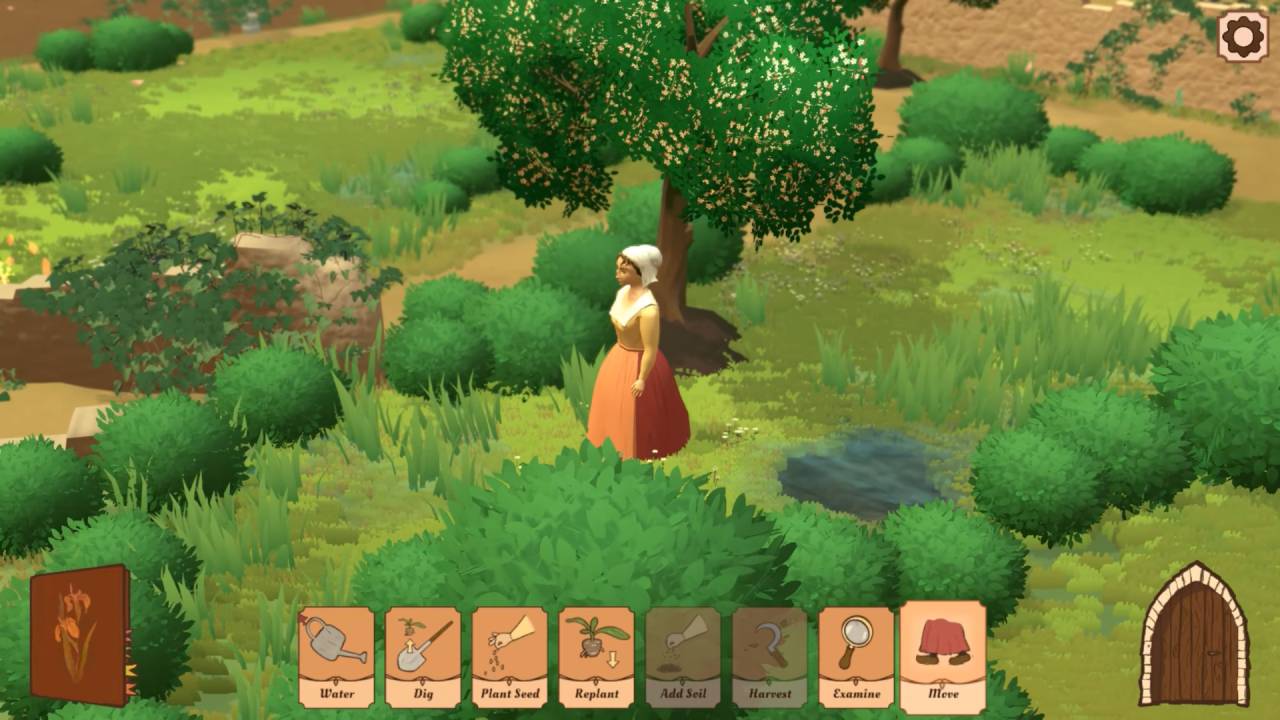
This made the experience feel personal and well thought out.
For its first outing, MD Studio shows a lot of trust by letting you watch, learn, and find meaning without being told what to do or being held constantly. The Abbess Garden's idea seems carefully thought out. The game takes place in the real abbey of Port-Royal-des-Champs in France in 1643.
You are Agnès, a young farmer who has to fix up the Abbess's secret garden that has been forgotten for a long time. Your job is easy: take care of the land, learn about the plants, and restore the beauty of a place that has been lost. Still, there is a quiet story thread that gets stronger as you read on, both physically and figuratively.
There is a quiet story going on behind the scenes of the political unrest in Europe in the 1600s that starts out as an easy piece of work. The story goes by slowly. Weeds that are bent and beds that haven't been cared for in a while are what you start with.
It's not just boring work to clear the land; it's a way to get back to the past. You find things in the ground as you trim and plant. First, they're personal things; then, pieces of the past; and finally, a strange letter from a spy who has died.
Once you gardened just to heal, now you can garden with a hint of surprise thanks to this discovery.
The text seems to hold information that European royalty might be interested in. Soon, you and other people in the town are trying to figure out what it means. The stakes are always low, and you're never in real danger. Instead, drama comes from hints and whispers, which makes the game feel cozier and adds depth to the story.
The things you do with your friends turn into deeper connections over time. The setting gives these characters, some of whom are based on real people, a sense of stability. You don't have to rush through conversations, and quests come up naturally as you find artifacts or hit certain points in restoring the garden.
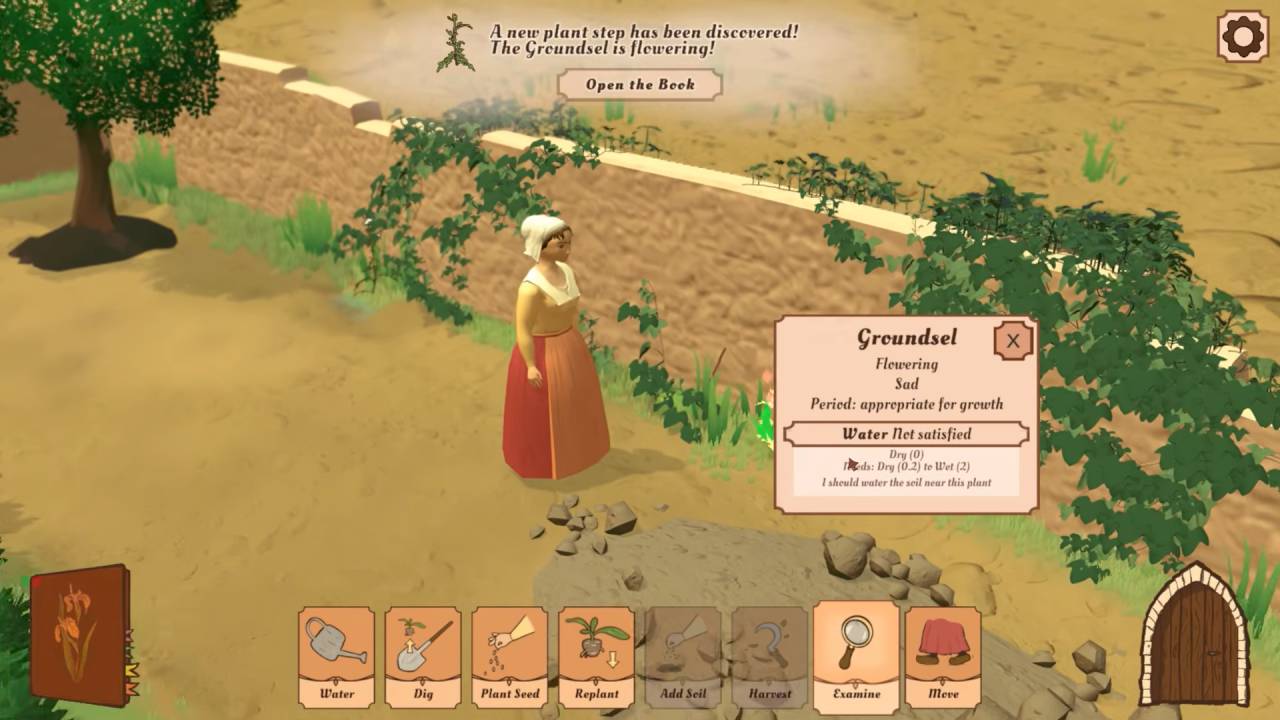
It is possible to fall in love, but it doesn't happen in a linear way. Instead, it happens naturally through conversation and shared times. The main goal is easy but meaningful: grow a beautiful garden, solve a soft mystery, and make a peaceful future for yourself.
But The Abbess Garden is really about gardening. In grid-based gardening games, you pick crops and put them in squares that you've already been given. The park here, on the other hand, is blank. You can put whatever you want, anywhere you want. But freedom comes with responsibility.
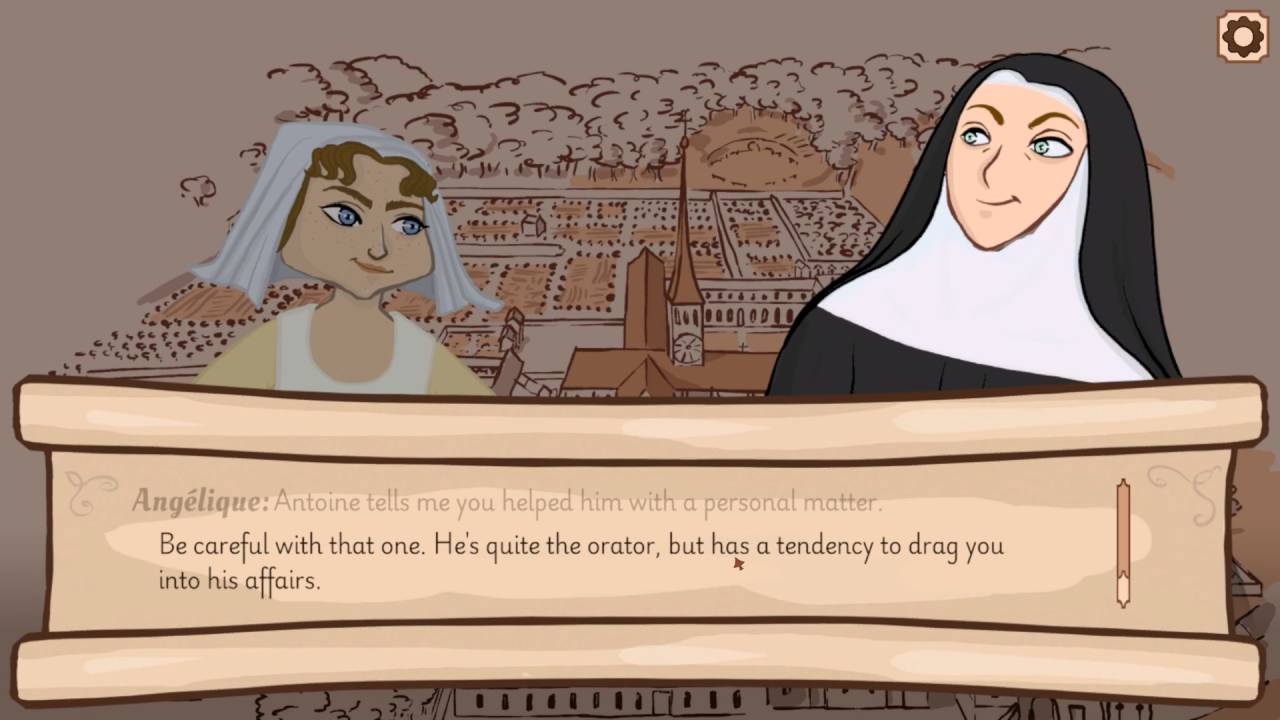
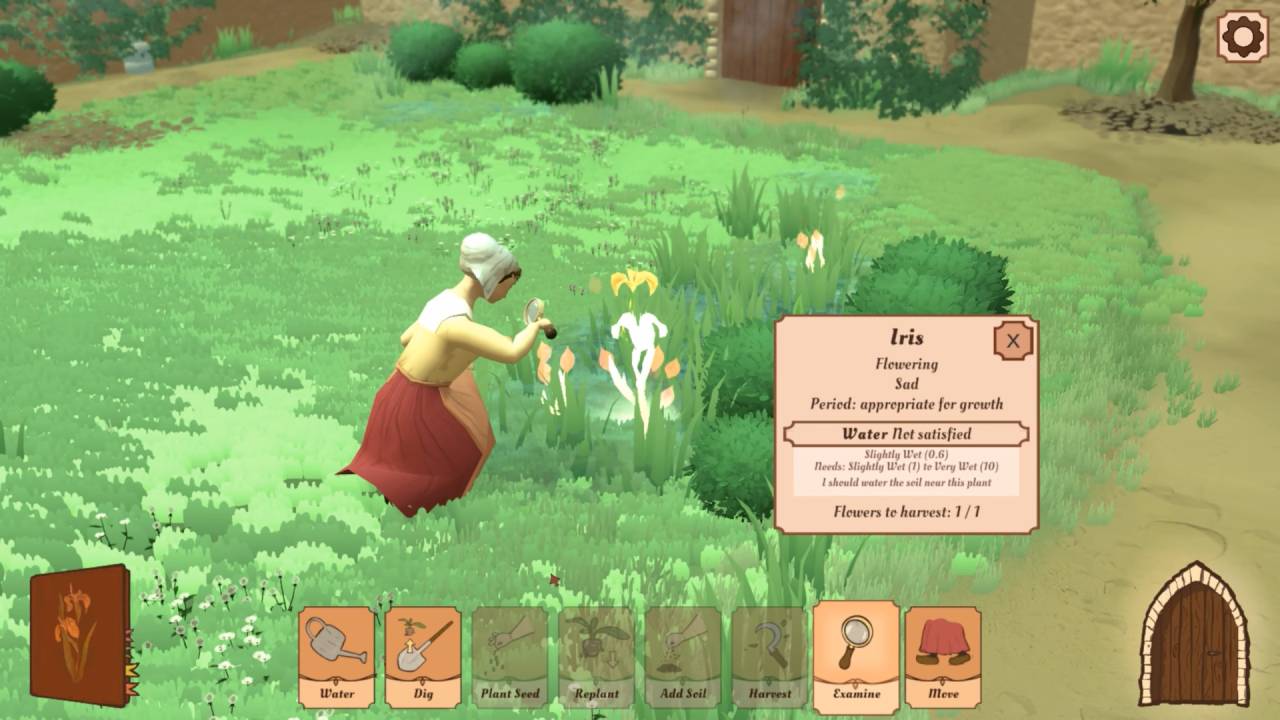
The science comes from studying plants in real life. Soil type is important. The amount of moisture is important. It's good for plants to be near other plants. Different kinds of plants do better in different amounts of shade. Planting with other plants can either help or hurt growth.
The game doesn't have any cool pop-ups that let you know about these ties.
The other way is to do things and watch others do them. This method is both the best thing about the game and the most controversial thing about how it was made. It will make you happy to make notes, change your plans, and see your hard work pay off if you need to learn from your mistakes.
Seeing the seasons change makes this link stronger. As spring turns into summer and fall, things change. There are plants that only do well for a short time before they die. Gather at the right time and get the ground ready for new seeds that will do better in the new weather. There is a calming rhythm to checking for water, moving plants around, and making plans for future growth.
If you like clear directions, though, the lack of them might bother you. There aren't any big signs that say which plants go well with which. Pay attention to small things like the color of the leaves, how fast they grow, and how good the harvest is.
Failure doesn't usually hurt, but if you get it wrong, it can slow you down. Being patient is rewarded by the system over being quick. The way gardening works is a lot like the game's main idea: it takes time to heal, and care leads to understanding.
The level of difficulty is appropriate.
Both the farming and story parts have puzzle pieces. You need to look around and listen to what people are saying to figure out what the spy is writing. These puzzles are more like deductions made by investigators than hard logic problems.
Bits and pieces of information from people in the town are combined with hints from others to get a clear picture of what the text is about. It's just enough to make you think. Adding puzzles to travel makes sense, like how your knowledge grows alongside your crops.
There isn't a normal way to fight, and it feels like that was done on purpose. Instead of physical fights, The Abbess Garden has mental and emotional ones. The political drama in Europe is still far away, more of a murmuring background noise than a direct threat on the battlefield.
This pick adds to the cozy mood. You don't fight enemies; instead, you deal with doubt, stupidity, and neglect. Instead of weapons, your tools are care and notice. Unlike most experience-point grinding methods, progression works differently.
There is no XP bar that can be seen going up with each catch. Instead, you move forward by reaching goals like fixing up parts of the garden, finding important artifacts, finishing story quests, and making friends. New plant types become available as you learn more about gardening.
As your relationships with your neighbors get stronger, more dialogue choices and quests become available. This natural development helps with immersion. You don't chase numbers; you chase knowledge.
It can be hard to see growth at a glance if you don't have a measurable leveling system.
Still, you might sometimes wish that your long-term goals were clearer. But that uncertainty fits with the spirit of the game. Growth is slow and builds over time. One day, you just notice that the grounds that were once wild are now well-kept and beautiful, and your ties to the community feel strong and real.
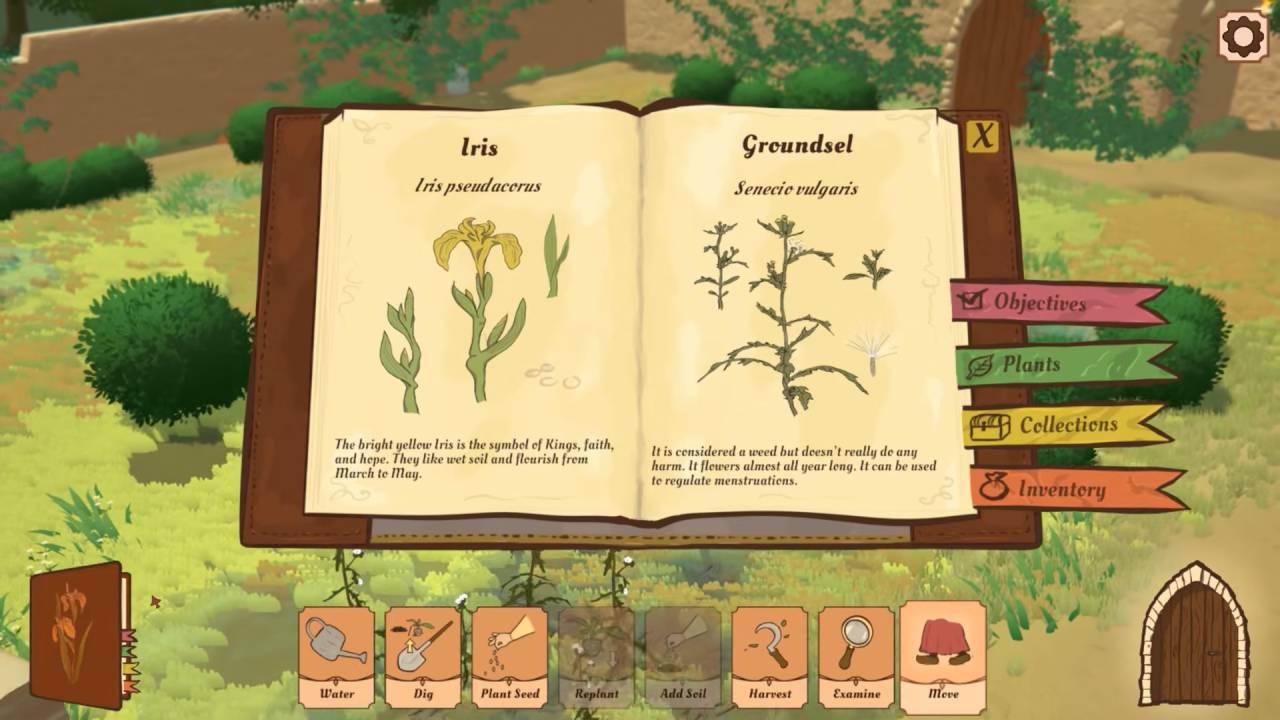
Some of The Abbess Garden's features are soft. Warm, earthy colors and textures that look hand-drawn are what the art direction is going for. There is peace in the abbey grounds, and the lighting changes with the seasons. It looks great when you plant beds next to wild overgrowth, which highlights your environmental impact even more.
The character designs are simple yet expressive. They also fit the historical setting without being too detailed. The images are simple but effective, and they focus on the physical parts of farming, like digging, watering, and harvesting.
Small details, like worn-down stone walls, tools lying around, and faded books tucked away in corners, make environmental stories shine. After you fix up the yard, you can really feel how it changes. When flowers bloom, they add splashes of color and make roads that were once ignored look like nice places to walk.
In the game, each day adds to the idea of where you are.
The sound design enhances the mood even more. A soothing background is composed of sounds like rustling leaves, distant music, and the soft scrape of a shovel. The music complements the piece by using soft instruments that flow in and out of the experience without overwhelming it.
While the story is going on, small changes in the music build tension without disrupting the game's calm mood. The fact that there is an optional soundtrack bundle shows how important sound is to the general mood.
The technological side is stable, and the experience works well on mobile devices. The rhythm is appropriate for quick sessions, but the stacking systems make longer, more thoughtful stretches more interesting. The cadence stays the same whether you spend a few minutes taking care of seeds or an hour putting together a novel.
The Abbess Garden is different since it believes in you. The thing trusts that you can read the signs around you. It trusts you to figure out on your own how plants are connected. It trusts you to wait and let things grow slowly instead of trying to get them right away. Depending on what you expect, that trust can feel strong or strange at times.
You might not like it if you want high-stakes action or fast-paced gameplay. But if you like well-thought-out systems, historical background, and a mix of cozy mystery and light repair, you'll probably like how it was put together. The garden is a metaphor for care; over time, taking care of it helps it grow and become beautiful.
The first game from MD Studio is a simple yet effective way to get started in independent gaming. There is a lot of real gardening and some drama regarding gardening. It doesn't scream to be heard. Instead, it tells you to stoop down, watch the seasons change, and remember that beautiful things can happen where you least expect them to.
Moderator, NoobFeed
Verdict
The Abbess Garden moves slowly, which could test your patience. But if you pay attention and are careful, it will reward you with peace, a hint of mystery, and a growing experience like no other.
72
Related News
No Data.