
AMD Ryzen 10000 Could Fix Gaming Stutter Without Upscaling
Average FPS does not reflect stutter caused by individual frames taking longer to render than expected.
Hardware by Shinji Okazaki on Aug 04, 2026
Gaming performance conversations tend to center on raw frame rates, upscaling, and frame generation, but consistency matters just as much as the number on the counter. AMD appears to be preparing a set of Ryzen 10000 desktop CPU features aimed squarely at that consistency, targeting 1% lows rather than average FPS or any rendering technique. Average FPS does not tell the full story of how a game feels to play.
A title can average well over 100fps and still produce a noticeable stutter if individual frames suddenly take longer to render than expected. AMD is reportedly working on several features designed to address exactly that kind of inconsistency in Ryzen 10000 desktop processors.
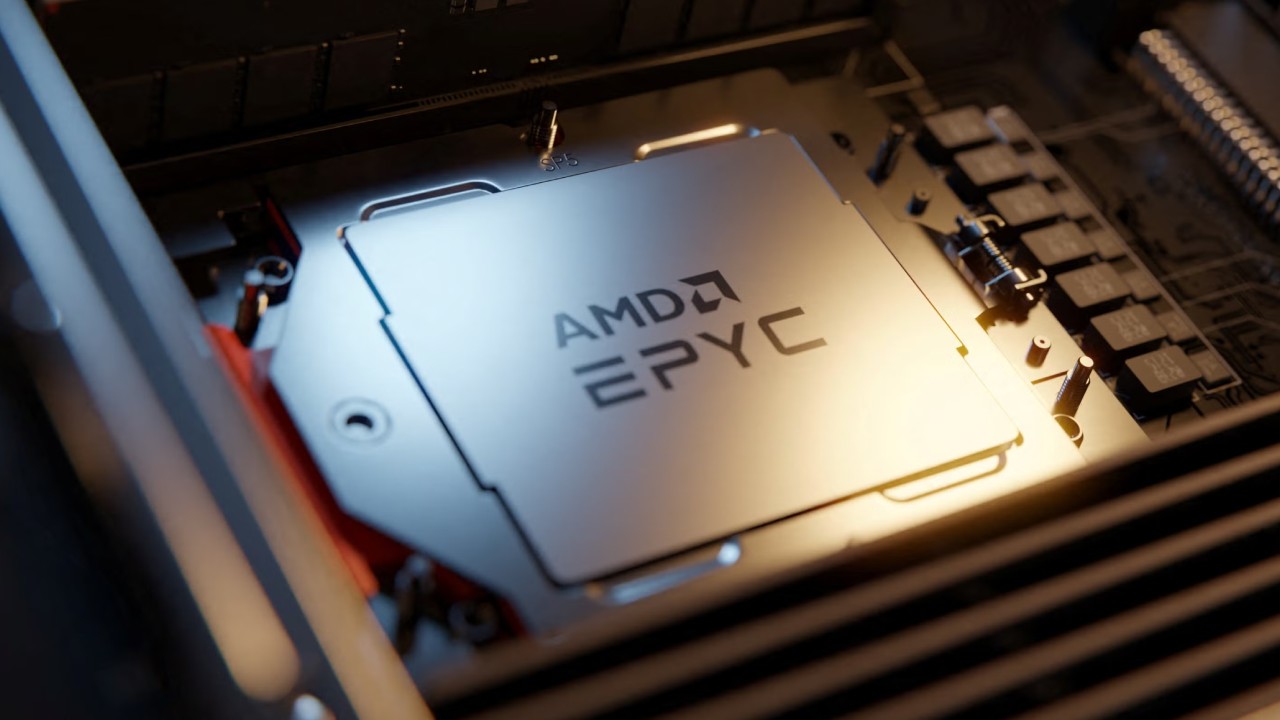
CPPC Performance Priority Targets Background Tasks First
The first feature is called CPPC Performance Priority. When a processor reaches its power or temperature limit, it has to reduce performance somewhere. Instead of slowing every core equally, Zen 6 could prioritize the cores handling a game while reducing performance on background tasks instead.
In a scenario with a game running alongside Discord, a browser, and other open programs, the processor could pull power away from those less important workloads and preserve performance on the cores responsible for rendering the game. AMD is also reportedly adding more accurate information about the maximum frequency of each individual core.
During gaming, an important CPU thread may briefly pause while waiting on the GPU or another part of the game to catch up. A processor can interpret that pause as reduced demand and lower the core's frequency in response. When that thread becomes active again, clock speed may not ramp back up quickly enough, and that delay can produce one unusually slow frame. Average FPS barely reflects that kind of delay, but 1% lows do.
Another feature under development is per-core EPP boost.
To illustrate how significant this kind of change can be, a similar approach was recently tested through a Linux kernel patch on the original Steam Deck. Average performance barely moved, but 1% lows in Civilization6 reportedly improved by nearly 32%.
That result came from older hardware running a software-based version of the concept rather than Zen 6 silicon itself. Still, it points to the kind of gains this approach could unlock once implemented directly in hardware and firmware.
AMD is also reportedly adding a limit on how much memory bandwidth background tasks are allowed to consume. Combined with the other features, Ryzen 10000 is not just expected to bring more cores and higher boost clocks on a new node. Meaningful gaming advantages appear to be part of the package as well.
Editor, NoobFeed
Gaming Hardware Updates
No Data.