
The Lonesome Guild Review
PC
A Cozy RPG That Struggles to Find Its Depth
Reviewed by Subaiyta Jahan on Nov 07, 2025
The Lonesome Guild, developed by Tiny Bull Studios, comes at a time when the independent film industry is thriving, with several story-driven films, including Blueprints, The Altters, and Expedition 33, enthralling viewers in 2025. The Lonesome Guild stands out in this competition by emphasizing kindness and compassion over showmanship.
Fundamentally, it's a comfortable role-playing game about camaraderie, connection, and overcoming emotional and physical loneliness. Although the game's art direction is endearing and its aims are admirable, the execution falls short of perfection.
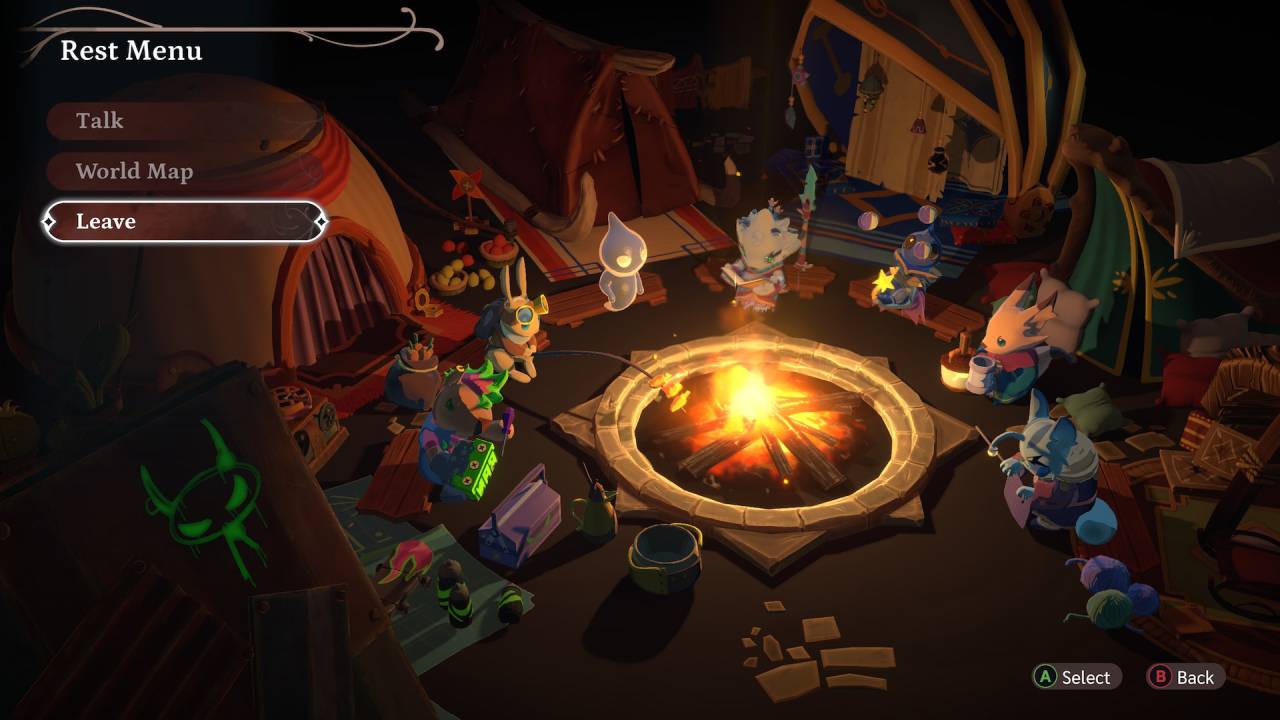
Set in the world of Ets—a land consumed by a mysterious red mist—the story follows a wandering ghost and a curious rabbit named Da Vinci as they form the titular guild. Their mission is to uncover the truth behind the fallen champions and bring comfort to those who have lost their way in solitude.
Despite the originality of the concept, the writing often seems cheap.
The idea of loneliness as a tangible, world-threatening force is conceptually strong, reflecting modern emotional struggles through a fantasy lens. Sadly, even though the idea is original, the writing frequently comes across as shallow. Long talks have little emotional impact, and a lot of the storytelling takes the form of recurring campfire conversations.
Despite being intended to strengthen bonds, these exchanges often fail to offer fresh perspectives or subtleties. The game's deeper ideas are diminished by the tone, which comes across as excessively emotional and occasionally childish.
The protagonist, Ghost, is a silent observer—incapable of direct combat but essential to both story and gameplay. Flashbacks reveal fragments of Ghost's past, but the mystery unfolds predictably, leaving little sense of narrative surprise. The emotional weight the story aims for doesn't fully land, making its 12-hour campaign feel stretched and monotonous by the final act.
The Lonesome Guild is a top-down role-playing game with turn-based combat, mild puzzle solving, and exploration. During combat, players swap between guild members, each of whom has special talents. By providing brief boosts while switching characters in the middle of a combat, the system promotes frequent character rotation and adds a layer of tactical rhythm.
On paper, this mechanism is intriguing, but it soon becomes monotonous. Throughout, combat is simple and relies on simple attack and spell combos. Encounters are not very dangerous, even at regular difficulty, and most confrontations are monotonous due to the lack of enemy variation.
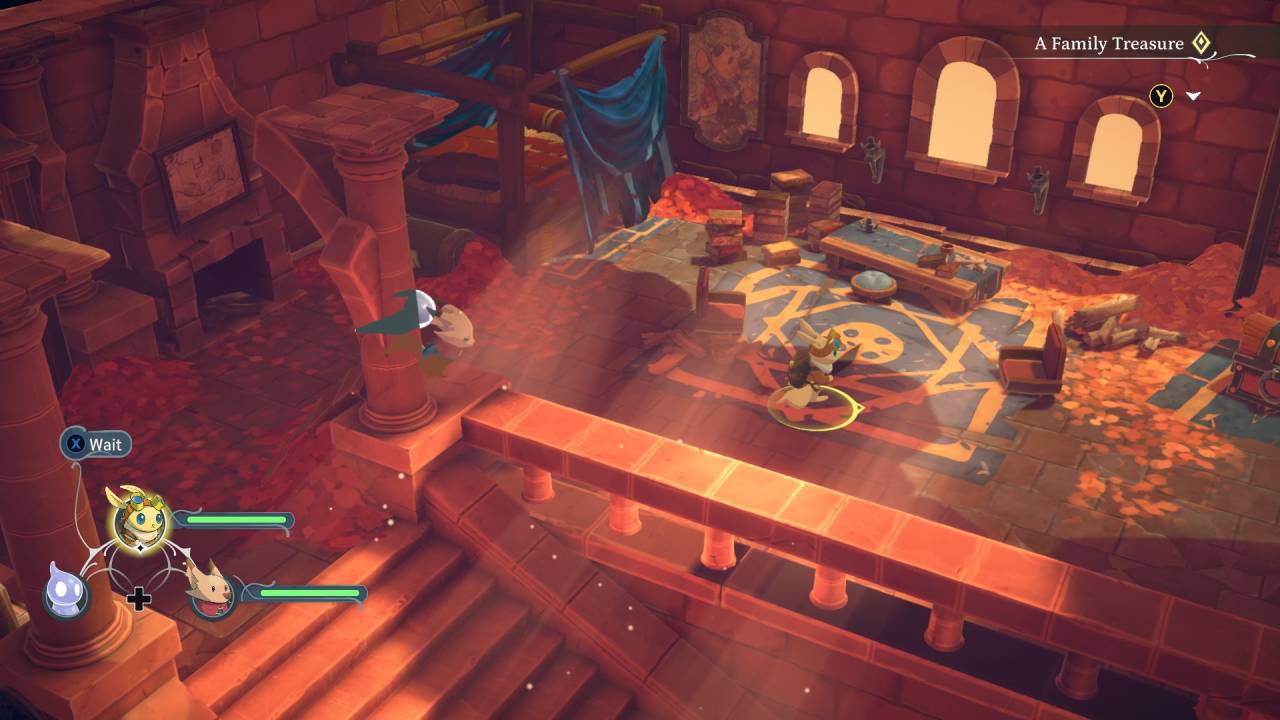
The system never reaches the level of sophistication found in other contemporary independent role-playing games, but accessories do allow some personalization, from stat increases to special effects.
XP grinding is almost non-existent, as progress is tied more to story advancement than player choice. While this maintains consistent pacing, it also removes the sense of achievement that typically drives role-playing experiences.
Combat in The Lonesome Guild is functional yet overly simple. Each character—like Da Vinci, Mr. Fox, Randran Trum, and Chaza—offers unique attacks, but none stand out enough to inspire experimentation.
The ultimate ability system, which builds over time and unleashes a powerful group attack, feels underdeveloped. Its animation and effects are satisfying, but its uniformity across all party compositions limits strategic depth.
One serious problem is the lack of difficulty progression. Even in later stages, players are rarely forced to modify or reconsider their tactics. The fact that there aren't many puzzles and that they largely focus on simple interactions with the surroundings contributes to the impression that gameplay is merely a means of telling the story.
The plainness of the combat enhances the "cozy" feel of the game.
The game's "cozy" appearance is complemented by the combat's simplicity, although it risks turning off players who seek diversity or engagement. The Lonesome Guild frequently straddles the thin line between being enjoyable and uninteresting.
The relationship mechanic is essential to the game's development. Talking to other party members around the campfire helps build connections that unlock new situations and boost your skill tree. The premise is similar to well-known social systems found in games like Persona or Fire Emblem, but the execution is disappointingly shallow.
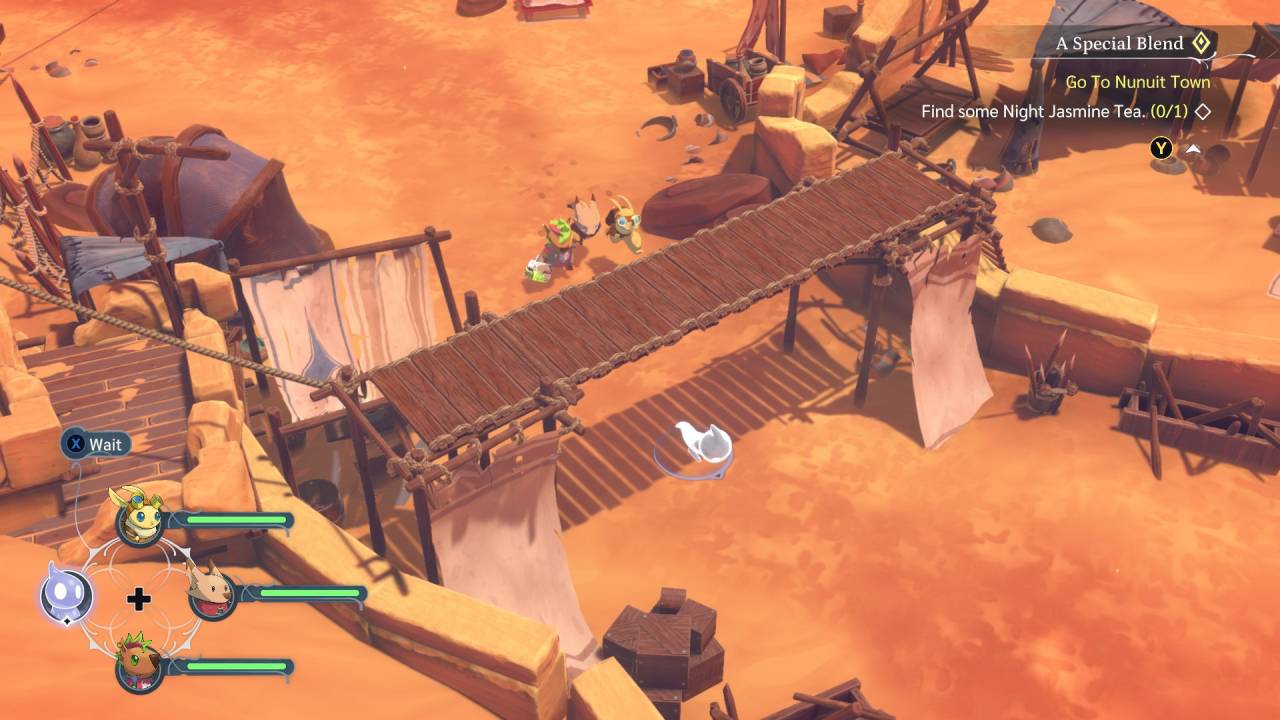
Short conversation choices from a drop-down menu are used in interactions that have little nuance or impact. Relationship building lacks the dynamic writing that could have given these moments significance and appears more mechanical than heartfelt. Although it enhances the game's ideas of empathy and companionship, it never goes beyond superficial interactions, making the system feel more like a duty than a benefit.
The ambiance and tone of The Lonesome Guild are outstanding.
The Lonesome Guild's tone and mood are superb. A sense of sad warmth is captured by the delicate, storybook-style artwork. The world of Ets seems lived in and artistically unified despite its small size, and character designs are unique and expressive.
The color palette—dominated by earthy tones and muted reds—mirrors the emotional state of the world under siege by loneliness. The experience is more immersive when there are little features in the environment, like lighting that flickers and mist that moves. However, there are technical issues with animations that sometimes repeat. Even with these issues, the game's visuals are probably one of its better elements.
The soundtrack, which emphasizes serenity and introspection with soft piano melodies and ambient string pieces, perfectly matches the images. There are a few yet powerful sound effects, so nothing detracts from the atmosphere.
Unfortunately, there is no voice acting. This decision restricts emotional expression during crucial periods, even though it might fit the minimalist style. As a result, several scenes seem stagnant and lifeless. The story's emotional highs might have struck a deeper chord with more nuanced vocal delivery.
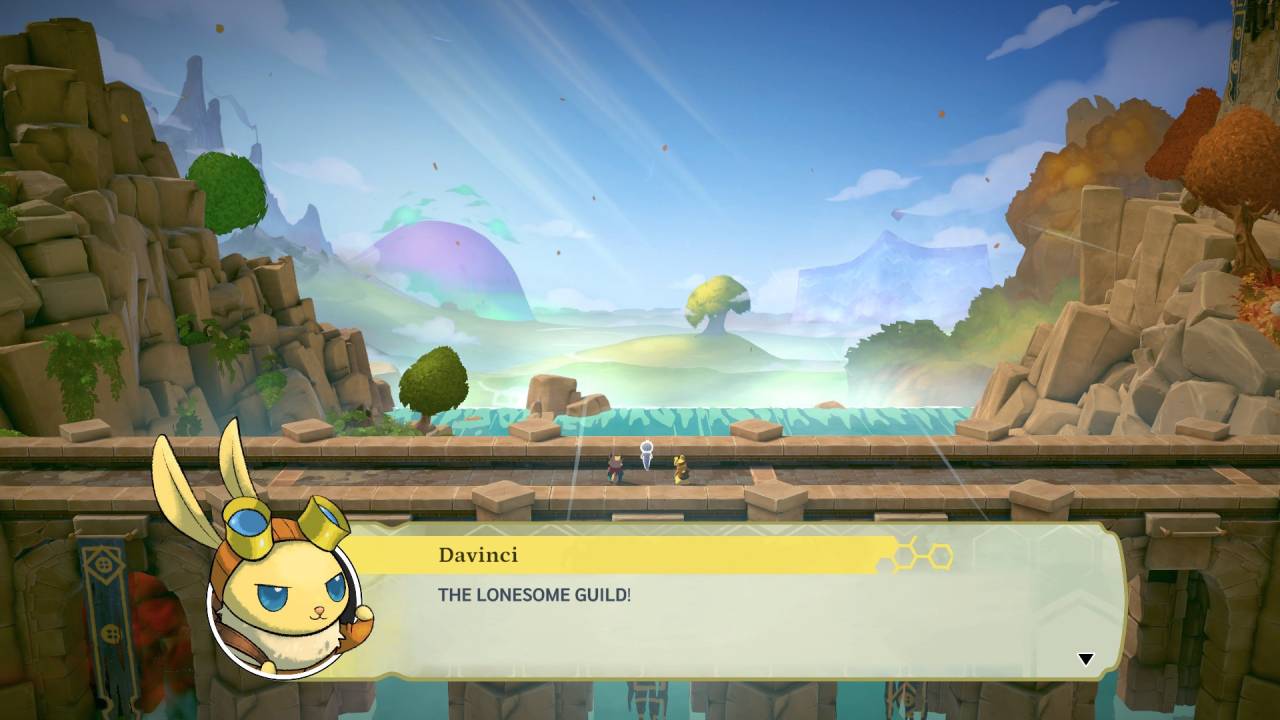
The Lonesome Guild finds it difficult to blend warmth and depth.
The Lonesome Guild, which is slow-paced, sentimental, and based on poignant storytelling, perfectly captures the cozy RPG vibe. However, it struggles to strike a balance between warmth and depth. The idea of loneliness as an antagonist in the story is fascinating, but the writing and pacing fail to keep the reader engaged. Although useful, combat is simple and unchallenging, and the relationship system never reaches its full potential.
Although Tiny Bull Studios has created a genuine universe, it seems stuck in its own simplicity. Beneath the endearing graphics and soft voice comes a game that is more at ease being consoling than captivating.
Contributor, NoobFeed
Verdict
Beautifully sincere but mechanically shallow, The Lonesome Guild offers a warm and cozy adventure that never quite reaches its full emotional or gameplay potential.
65
Related News
No Data.