
The Nameless: Slay Dragon Review
Nintendo Switch 2
When every decision could be your last swing.
Reviewed by Azfar Rayan on Aug 31, 2025
Every so often, a new RPG comes out that doesn't just copy the ones that came before it, but instead mixes and matches mechanics from different parts of the genre. One of these is The Nameless: Slay Dragon. An independent developer created it, clearly inspired by tabletop role-playing games, dungeon crawlers, and visual novels. It doesn't play it safe.
It doesn't do that; instead, it acts like a mix of a story-driven text adventure, a turn-based dungeon crawler, and a loot-and-crafting RPG. That kind of ambition makes you think right away: is it a perfect mix, or are there just too many ideas in one pot? The developers didn't want a polished AAA look.
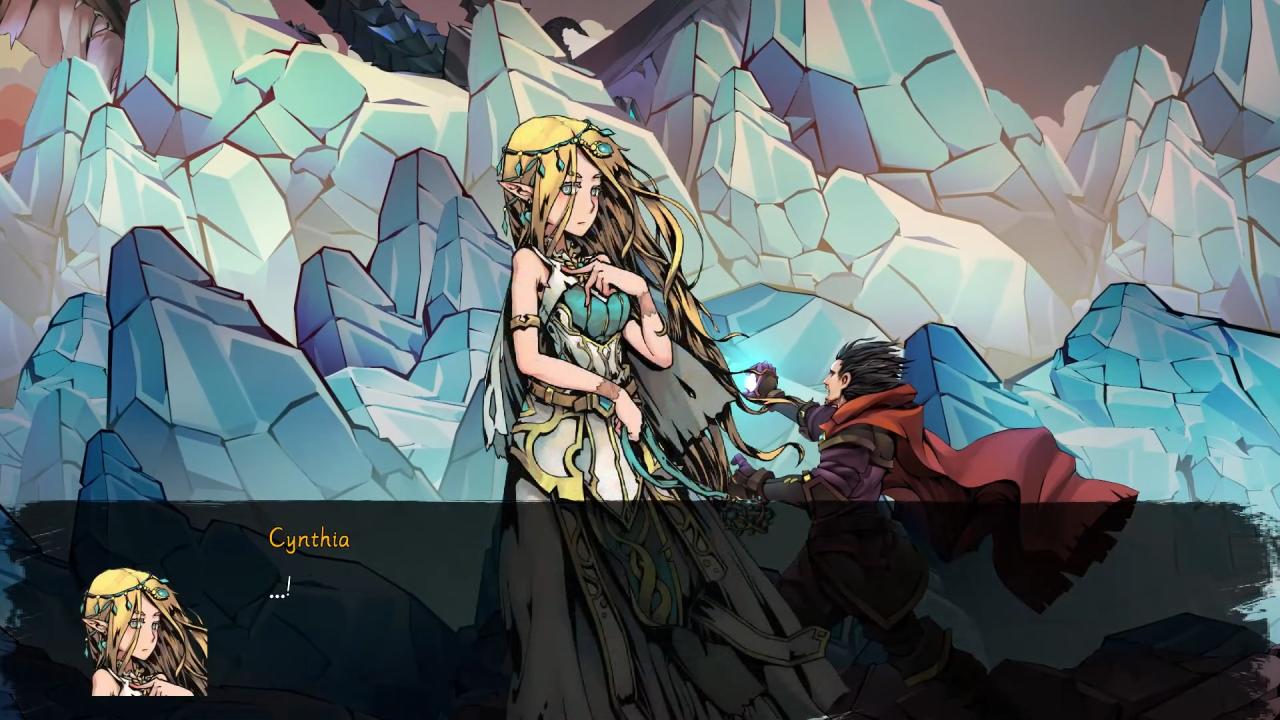
Instead, they focused on variety, offering a customizable role where every choice, from how to allocate stats to what to say in a seemingly minor conversation, matters. The Nameless: Slay Dragon does this by making something that is messy but still interesting. The idea is familiar but works: dragons have destroyed the land, and you are one of the last people left in a village that was burned to the ground.
Instead of making you a predetermined hero, the game lets you create your own avatar. You get to pick your class, stats, and even what kind of adventurer you want to be. You can be a rogue who is quick and lightly armed, a brutish warrior, or a mix of a mage and a fighter. You have more freedom when you can switch classes, but it's also riskier.
You can become a strong warrior-mage, but don't be surprised if your defense falls apart like paper when a dragon's claw hits it. The main plot, which revolves around killing dragons, is not particularly exciting. The story isn't the best part, and when you're doing side quests or levelling up your stats, it can get lost in the background.
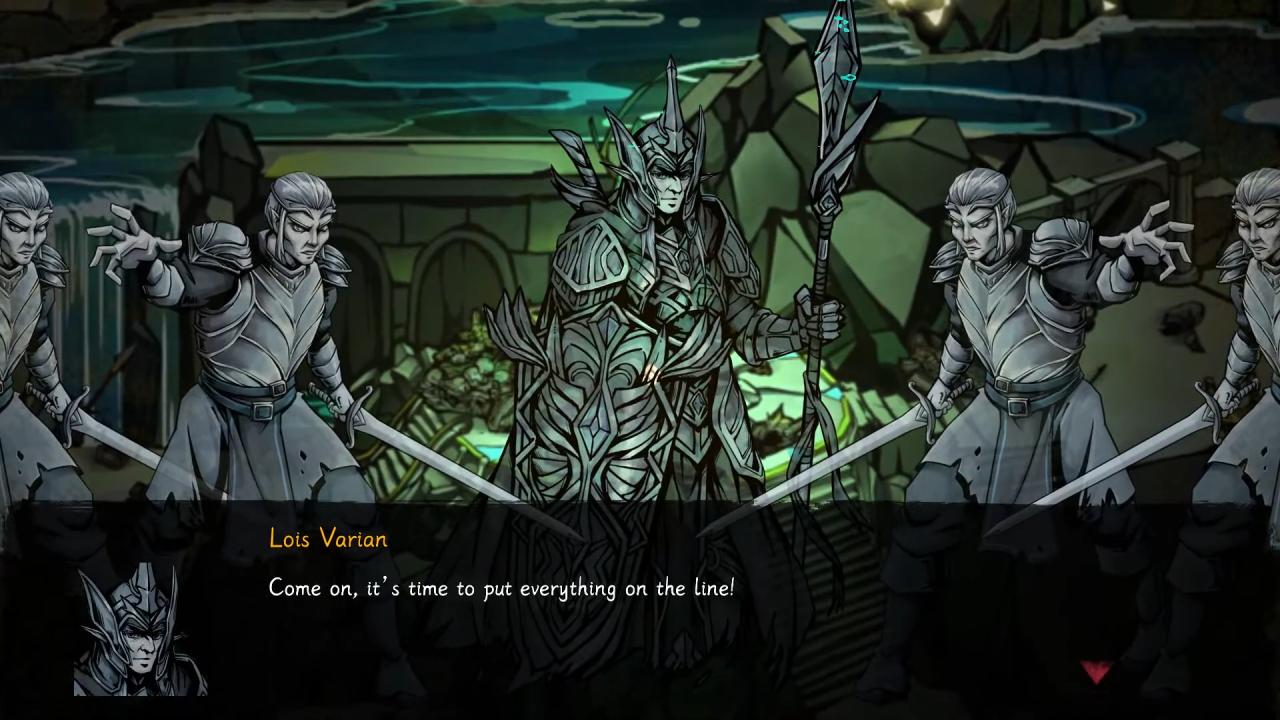
However, it is the writing that makes it stand out. Talking to NPCs, joking with party members, and having little stories in side quests all help make the world seem real. This is where the comparison to tabletop RPGs really makes sense.
The Nameless: Slay Dragon isn't about the story; it's about the fights, the strange friends you meet along the way, and the decisions you have to make. It's like a good dungeon master who gives you one main goal but also gives you a lot of choices and conversations to have all the time. The journey is more important than the destination.
At first glance, you might think that The Nameless: Slay Dragon is a text-based game. You can move around the map by clicking on glowing event markers. Each one has a short description and a choice: do you look into the rustling in the grass or carefully step around it? Every choice could lead to a trap, a hidden item, or a stat check.
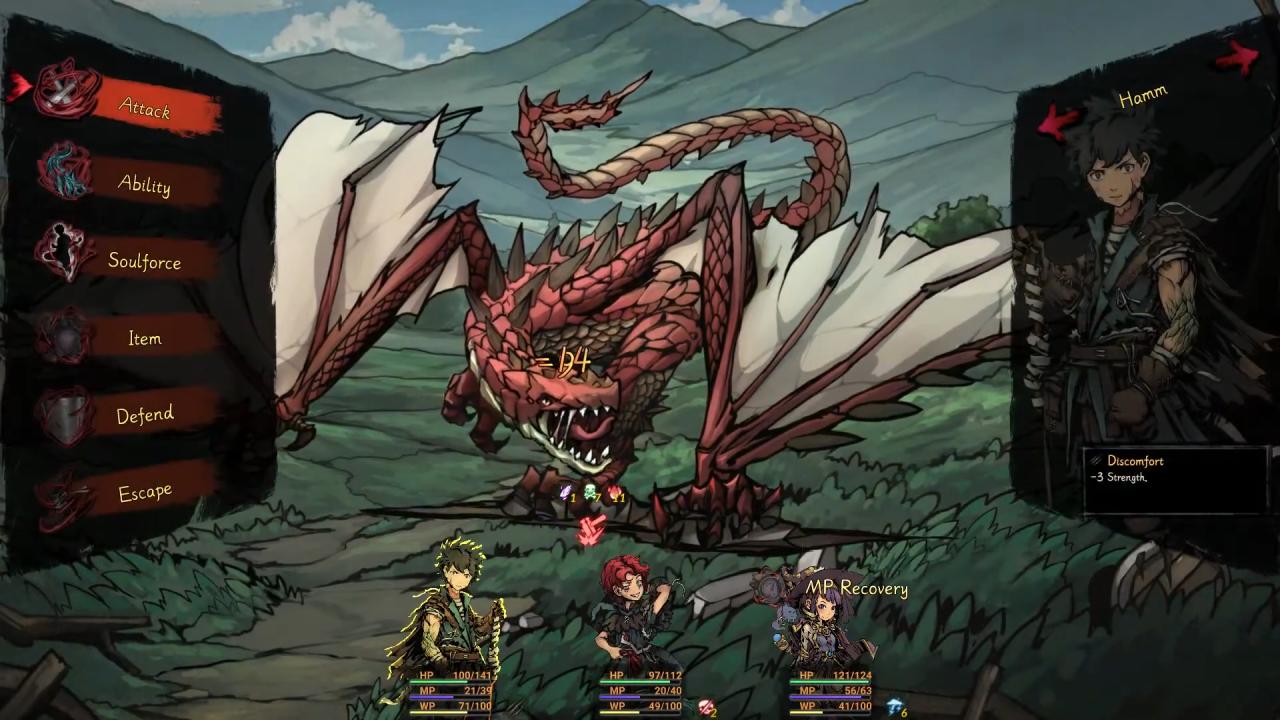
The game doesn't end with this choose-your-own-adventure part, which is a good thing. The game turns into a dungeon-crawling RPG when the fighting starts. Enemies come at you directly, and you fight them in classic turn-based style by attacking, using abilities, casting spells, or going into your inventory. It's not new, but it's solid and familiar.
The mechanics go beyond just fighting. You can hunt for loot, forge weapons at the blacksmith, make potions, and manage your survival resources. Not only do you level up, but your actions also affect your stat growth. For example, if you succeed at sneaking, your stealth will improve. You get better at magic the more you use it.
The game doesn't hold your hand here, and that can be not very pleasant when things aren't clear. But it makes you feel like your journey is shaped by what you do, not just by what you write down on a character sheet. Some mechanics could have been simplified, such as the crafting menus, but none of them break under pressure. The game isn't very polished, but it makes up for it by having systems that work together.
If you choose a risky path, you might find rare materials that you can use to make a stronger blade. This will alter the course of the next boss fight. The loop works, even when it messes up. The Nameless: Slay Dragon really gets going when you fight. Every fight involves making strategic choices. Because the game is turn-based, you'll have to think about your options: should you risk a skill check, cast a spell that costs a lot, or wait and heal?
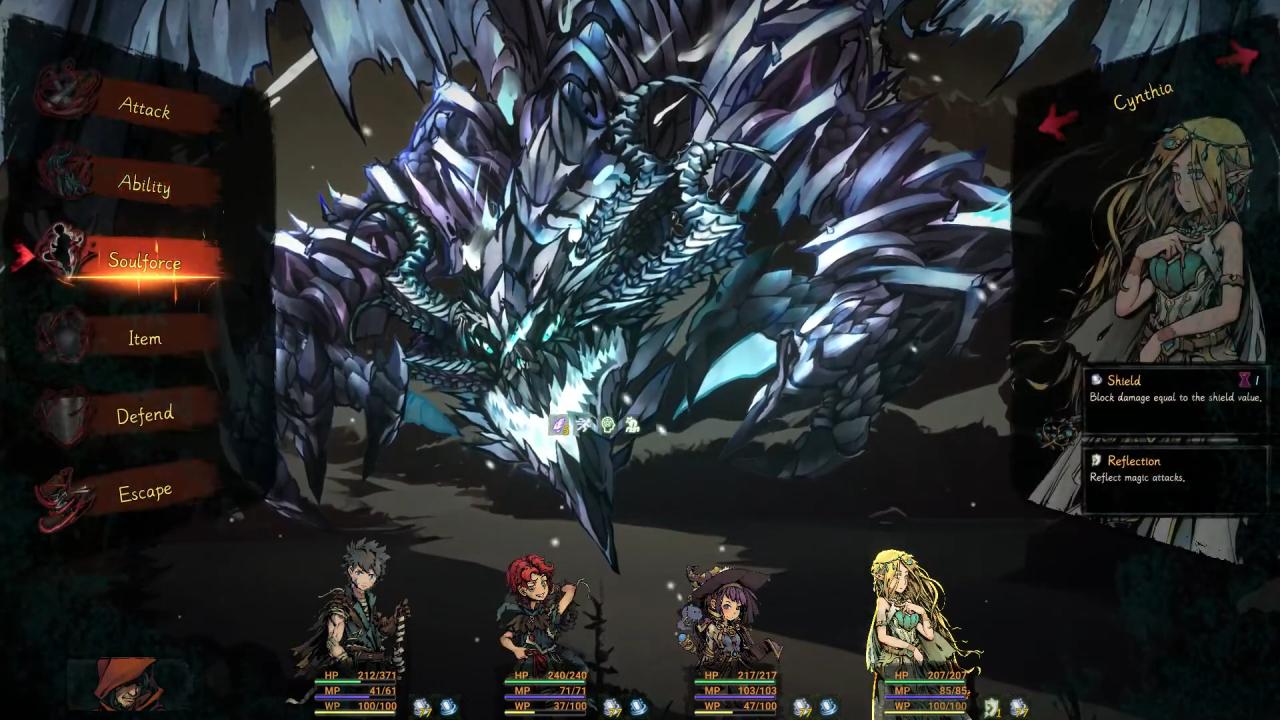
The different kinds of enemies keep fights exciting. In more minor fights, you have to be creative, and in boss fights, you get to see some of the best design in the game. These enemies aren't just walls of stats; they look great and make you try out new strategies.
In puzzles, interactions often check your skills in a way that's similar to rolling dice on a table. Your character's stats and luck will determine whether you can avoid traps, find treasures, or stay alive in dangerous environments. These moments make the game more tense and fun to play again, but they can also feel unfair if you're not ready for the check.
These successes are directly related to XP and stat growth. Winning battles or passing checks naturally raises your stats, and you might not even realize it until later. Although it may seem natural, the lack of clarity about how gains are calculated can be confusing.
Still, this system makes grinding less about doing the same thing over and over and more about having different experiences. Every action, whether it's fighting or exploring, feels like a step forward. The balance isn't quite right. When enemies take too much damage, combat can drag on, and skill checks can punish builds that aren't made for them.
But the variety keeps things from getting boring. The mix of puzzles and turn-based fights makes the journey less predictable, which keeps you interested instead of letting you get bored. The Nameless: Slay Dragon looks good in some ways and bad in others. Don't expect big 3D worlds or movie-like effects.
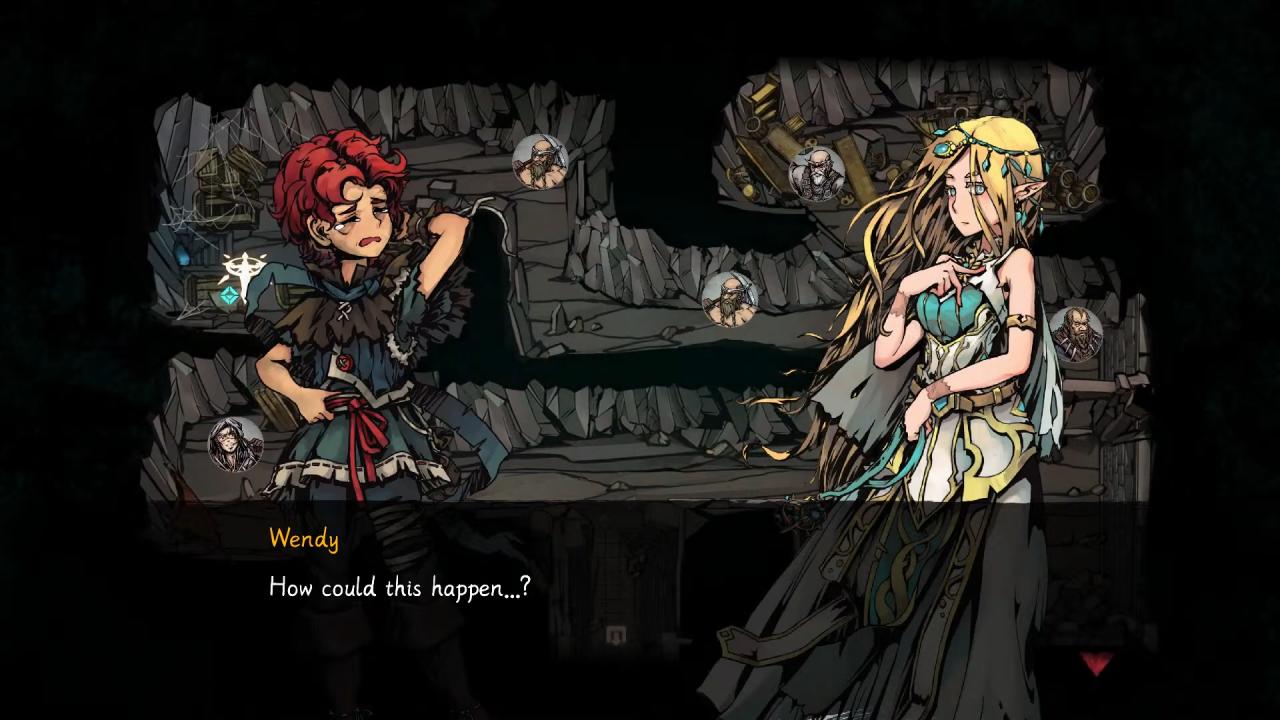
The game presents its environments as static backgrounds that resemble illustrated pages from a book. This simple style complements the story-driven structure, but it can make the exploration feel flat. The designs for enemies and bosses, on the other hand, are perfect. They are full of detail and danger, whether they are drawn by hand or digitally painted.
Dragons, in particular, look fierce and powerful, which adds to the weight of your quest. Sadly, NPCs and environments don't always look as good as each other, which makes it easy to see the difference between the best and worst points in the art direction.
There aren't many animations, which might disappoint people who want a lot of action, but the simplicity makes things clear. You don't get distracted by flashy things, and combat is still easy to read. In the end, the graphics aren't meant to wow you; they're intended to help the story and the fighting. Sometimes, they work out perfectly. In some cases, they make you want more.
The sound design in The Nameless: Slay Dragon is effective, but it lacks a certain level of interest. The background music that accompanies exploration and combat has the right tones, but it rarely exceeds "fine." It sets the mood without taking away from the main event.
The sound design could have improved the game. The clash of weapons, the roar of dragons, and the hum of spells could have made it better. Instead, these are subtle, and some of them are even forgettable. Nothing actively detracts from the experience, nor does it enhance it.
The music creates a mood without being too loud or annoying, but it lacks memorability. For some people, it's good enough, and that might be all that's needed. If you want a soundtrack that stays with you long after you stop playing, don't play this game.
The Nameless: Slay Dragon is a significant experiment that combines elements from various RPGs into a cohesive, unified experience. It doesn't master any one system, but it also doesn't fall apart because of its ambitious goals. Instead, it creates a space where exploration, combat, storytelling, and building stats can all co-occur without one overshadowing the others.
This game has a lot of different mechanics to try out, so if you like RPGs for their variety, you'll love this one. You'll make things, fight, talk, and make decisions that really matter. Yes, the pictures aren't always good, and the sound design is simple.
The main story won't be as good as epic sagas, though. But the writing, side quests, and the many ways to get through the game will make you want to play it again and again. The game is also great because you can play it repeatedly. There are multiple endings, so your choices really do matter.
A single run could take 20 to 25 hours, but if you want to see every possible ending, it could take more than 100 hours. That's a great return on investment for such a low price. Not everyone will like it. It may not be enough for you if you're looking for fast-paced action, nonstop spectacle, or cinematic storytelling.
But if you like RPGs that are slower and give you choices, and that have systems that are similar to tabletop campaigns, The Nameless: Slay Dragon is something new. It has some flaws, but its heart is in the right place. It's a messy but fun RPG hybrid that relies on variety and choice, even though its graphics and sound aren't great.
Senior Editor, NoobFeed
Verdict
The Nameless: Slay Dragon is a one-of-a-kind RPG that mixes dungeon crawling, choice-based storytelling, and combat in a way that is both ambitious and fun. Not perfect, but worth the trip if you want to see something different.
78
Related News
No Data.