
The Séance of Blake Manor Review
PC
A Victorian mystery that balances charm, intrigue, and the supernatural.
Reviewed by Subaiyta Jahan on Nov 06, 2025
Few anticipated that an independent film set in 1897 Ireland would yield a mystery with so many layers when The Séance of Blake Manor was initially released. The game reimagines the traditional detective experience via a supernatural lens and was created by a small, story-driven team known for its atmospheric world-building.
The end product is a slow-paced, absorbing story that combines elements of Gothic horror, Sherlock Holmes, and Agatha Christie, with a game that emphasizes intuition and emotion over logic. Fundamentally, The Séance of Blake Manor seems to be a spiritual continuation of the heyday of narrative adventure games.
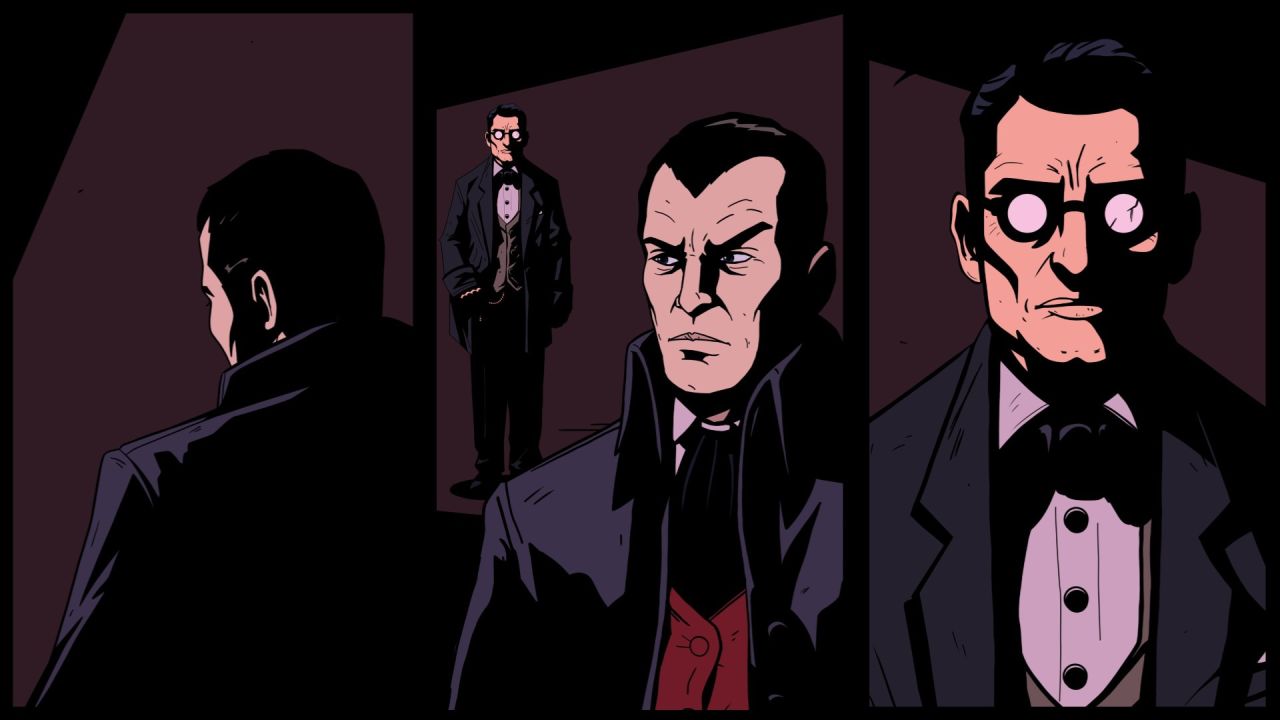
The plot develops through dialogue, exploration, and time-sensitive decisions rather than intense fighting or challenging riddles. Long after the initial moments, the experience remains captivating due to the sense of place, mystery, and the conflict between skepticism and trust in the supernatural.
The narrative starts in 1897 in the foggy mountains of western Ireland. Detective Declan Ward, who is tired but has a strong sense of right and wrong, gets a letter with a lot of money and an urgent plea to find Evelyn Dean, a woman who went missing while living at Blake Manor. The invitation leads him to a rural estate where a fancy party is about to happen. The servants and guests seem to care little that the woman is missing.
From the beginning, the tone is authoritative yet unnerving.
The tone is unsettling but respectable from the first. With its grand halls filled with mystics, mediums, nobles, and skeptics from all over the world, the house radiates an unnerving blend of luxury and decay. From scientific rationalists to occult believers, each visitor contributes their own vision, resulting in a melting pot of views focused on the question: Is there really something beyond the veil?
Even Declan does not believe. He pursues the case with cold logic as a man of reason and fact, but as the inquiry progresses, bizarre nightmares, flickering lights, and inexplicable incidents start to blur the distinction between the supernatural and the real.
The story deftly manipulates perspective, never establishing whether the strange occurrences are psychological or paranormal. Every conversation feels purposeful. Every visitor to Blake Manor conceals lies, secrets, or motivations.
Efficiency is critical since conversations change tone according to previous decisions, and a sophisticated timed mechanism makes sure that each question posed and clue looked at advances the clock. The suspense increases as the déance draws near, but it doesn't come from scary jumps; rather, it comes from a persistent sense of disquiet and doubt about who is reliable.
Blake Manor's elegance sacrifices action for ambience. The main objectives of the game are to explore the manor, collect evidence, converse with visitors, and piece together facts using a journal-based clue system. The player can completely take in the gothic architecture and the whispers that reverberate down the corridors thanks to the methodical, first-person movement.
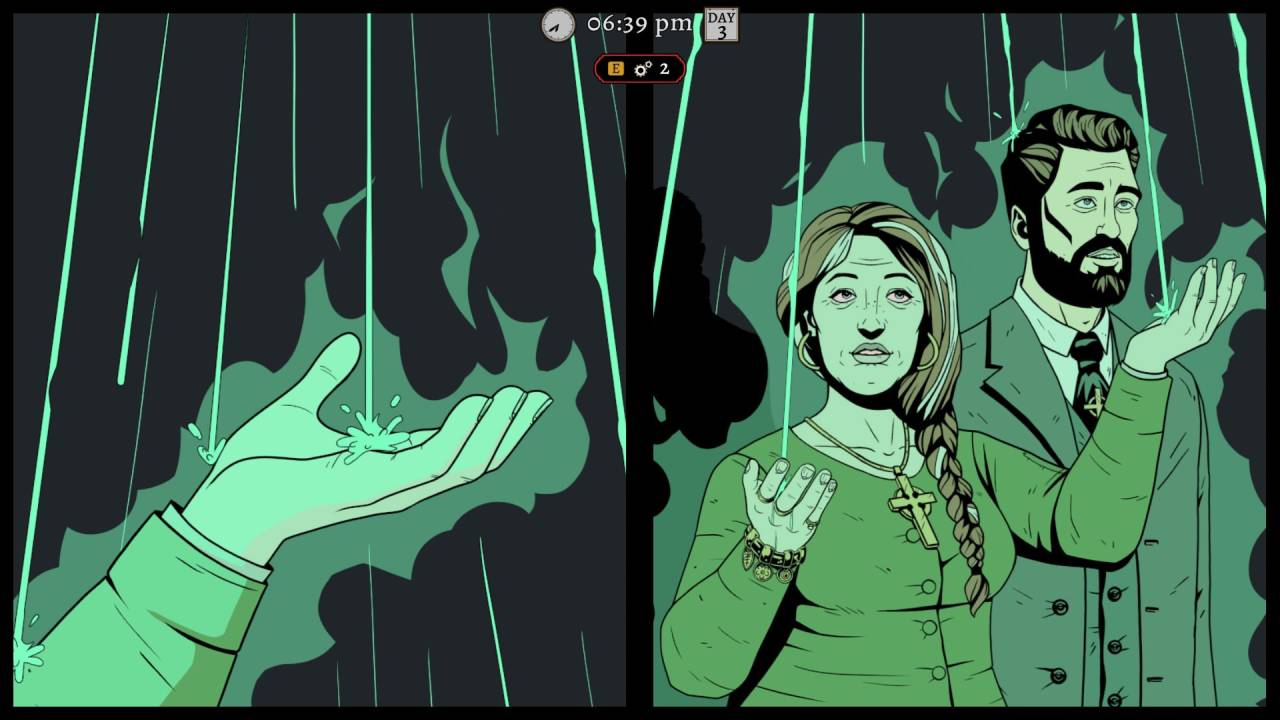
The in-game clock advances by one minute with each interaction. An additional layer of strain is added when Declan's time is restricted to two in-game days prior to the déance. The purpose of this timer is to promote strategic thinking, such as choosing which room to investigate, whom to talk to, and which clues to prioritize, rather than to punish.
A genuine sense of a live, breathing atmosphere is created as guests switch locations in accordance with a set timetable as the hours pass. Finding keys, unlocking new regions, discovering notes or goods, and confronting characters with evidence comprise the surprisingly straightforward gameplay loop.
There is an added sense of forward motion that many narrative adventures lack.
However, this rhythm is what makes it addictive. A sense of forward momentum that many narrative adventures lack is added by the ongoing trade-off between exploration and time management.
It could be misleading to call The Séance of Blake Manor a "puzzle game." The game has easy difficulties like sliding blocks, code locks, and recognizing patterns. These are designed to keep the game going, not to confound the user. The real tests are observation and inference. You can use letters, diaries, and conversations you overheard to come up with findings on a hypothesis board.
There are moments when it seems like a spiritual relative of Return of the Obra Dinn or L.A. Noire, but with a greater focus on intuition rather than cold logic. Once the player gathers sufficient knowledge, Declan frequently discovers connections on its own, making movement seamless but sometimes too steered. Blake Manor occasionally verges on being handheld, although there's a thin line between the two.
Filling in the blanks or making connections between keywords to draw a conclusion is a major component of the deduction mechanism. This is suitable for the game's slower, more contemplative pace, but it may frustrate those seeking puzzles that defy logic. The emphasis is still on narrative weight, tone, and immersion rather than mental challenge.
The main strength lies in accessibility and immersion. The minimalist puzzles allow the atmosphere and dialogue to shine, letting players focus on the story rather than frustration. The timer system is a standout feature — an elegant narrative device that encourages prioritization and prevents tedious backtracking. It gives weight to every action, maintaining tension throughout.
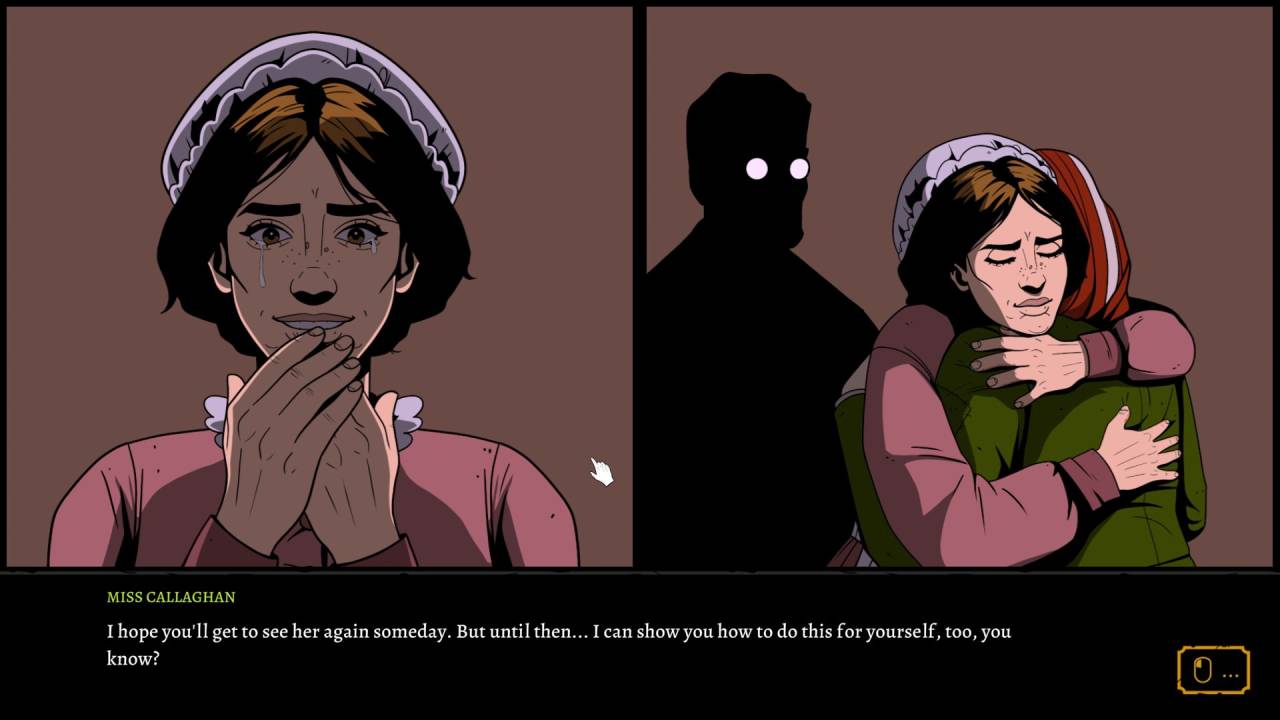
Simplicity could offend those who expect in-depth, logical deduction.
However, people who anticipate in-depth, logical deduction may find this same simplicity offensive. Progress may seem somewhat linear due to the absence of fail states or intricate branching outcomes, particularly in the last act. In contrast to the meticulously built upper floors, the late-game environments—especially the manor's basement—feel incomplete.
Despite these shortcomings, The Séance of Blake Manor remains captivating because it recognizes its target demographic, which prioritizes mood and story over difficulty.
Blake Manor's growth occurs narratively rather than through conventional XP or leveling systems. The amount of information Declan obtains before the performance will determine his success. Every side story or character arc that is resolved advances the plot. Subtle ending details are influenced by the number of visitors saved or lost, but the fundamental plot stays the same.
Multiple endings are hinted at throughout, but they serve more as emotional shifts than as radically distinct ends. Finding relationships, motivations, and the truth about Evelyn Dean's disappearance is the true "reward."
The elegance of Blake Manor is breathtakingly restrained visually. With moonlight streaming through stained glass and flickering candles, the manor has a genuine Victorian feel. The lighting is expertly used; dust particles swirl in the air like ghostly relics, and shadows spread unnaturally over hallways.
Character models can convey personality without detracting from the immersive experience. The presentation as a whole conjures a universe that is enormous, enigmatic, and just a little off—a world that is eerily convincing. The atmosphere isn't significantly harmed by small technical problems like texture pop-ins or inconsistent detailing in several late-game sections.
Particular attention should be paid to the acoustic design. The gloomy and ethereal theme combines echoing pianos, soft whispers, and orchestral strings. The stress is increased by every floorboard creak and wind blast through the broken windows of the manor.
While most speech is text-based, voice acting is employed infrequently yet effectively in critical sequences. Despite this, the writing is powerful enough to bring each character to life. Although a future update with full voice acting might improve the experience even more, the current minimalist approach favors tone and immersion.
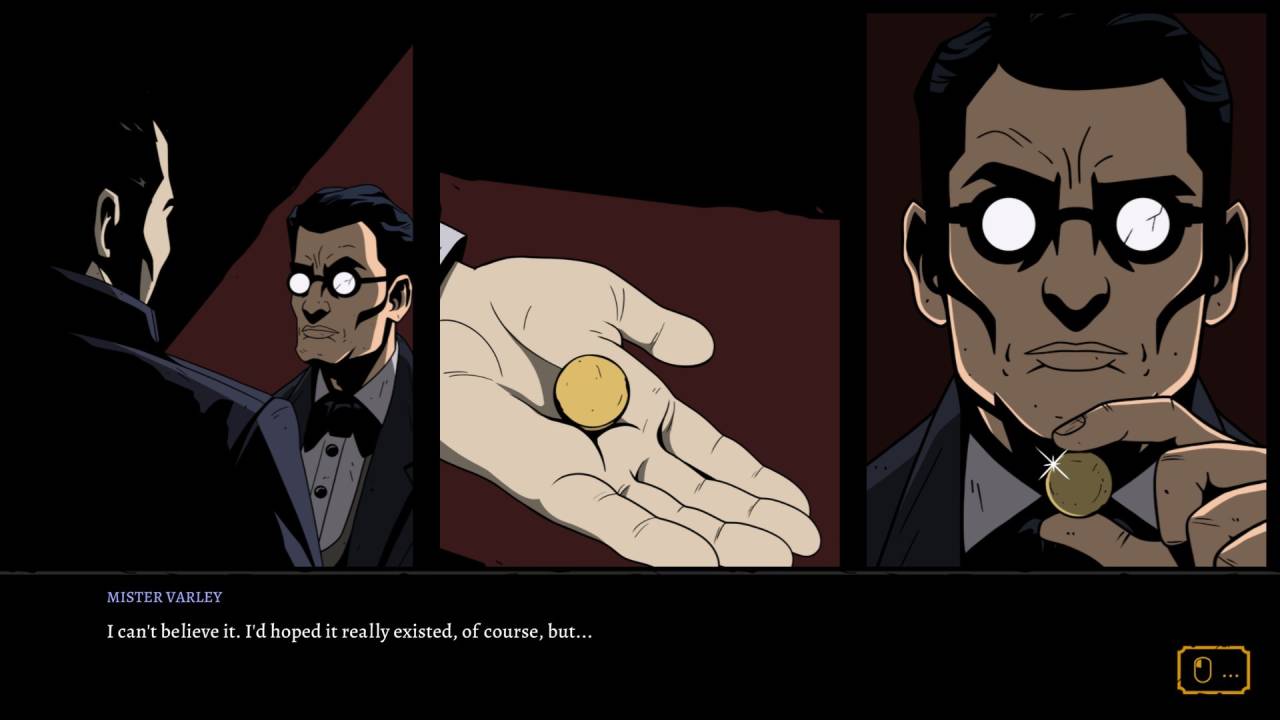
The Séance of Blake Manor aims to improve rather than reimagine the detective genre. Confidence, not complication, is what makes it unique. It is a gothic mystery about faith, reason, and human fragility, and it understands exactly what kind of story it wants to convey.
The frightening elements progressively fade as the story goes on.
It is at its strongest during the opening few hours, when there is a tangible sense of suspense and interest. The scary aspects gradually disappear as the narrative progresses, to be replaced by unexpected warmth and emotional depth. A more comprehensive reflection on faith and atonement is connected to the enigma surrounding Evelyn Dean.
While some may find it disappointing that there aren't any unexpected turns or technological depth, others will discover something more worthwhile—a methodical, serene mystery that seems intimate. Few games can make the act of just being somewhere feel so captivating. It becomes a kind of joy to meander through Blake Manor's candlelit halls while listening to distant piano notes and whispered talks.
Contributor, NoobFeed
Verdict
The Séance of Blake Manor is a hauntingly elegant mystery that trades jump scares for genuine atmosphere and emotion. Beautifully written, thoughtfully paced, and quietly powerful — though its simplicity won't appeal to everyone.
80
Related News
No Data.