
Vultures - Scavengers of Death Review
PC
A turn-based horror hybrid where exploration, combat, and resource management combine to make every encounter feel like a carefully calculated gamble.
Reviewed by Maisie Scott on May 14, 2026
You step into Vultures - Scavengers of Death as part of a covert response unit sent into a city that has already been written off as a total loss. Sento Valley has been quarantined after a devastating biochemical incident, leaving the streets empty and the buildings abandoned. The infected now roam through what used to be ordinary homes, offices, and police stations
Your task seems simple at first. You’re sent in to collect evidence, locate the source of the outbreak, and retrieve anything that could help create a cure. As you move deeper into the city, the corporation Eugenesis emerges as a central figure in the disaster. Every clue you uncover suggests that powerful people knew far more than they ever admitted.
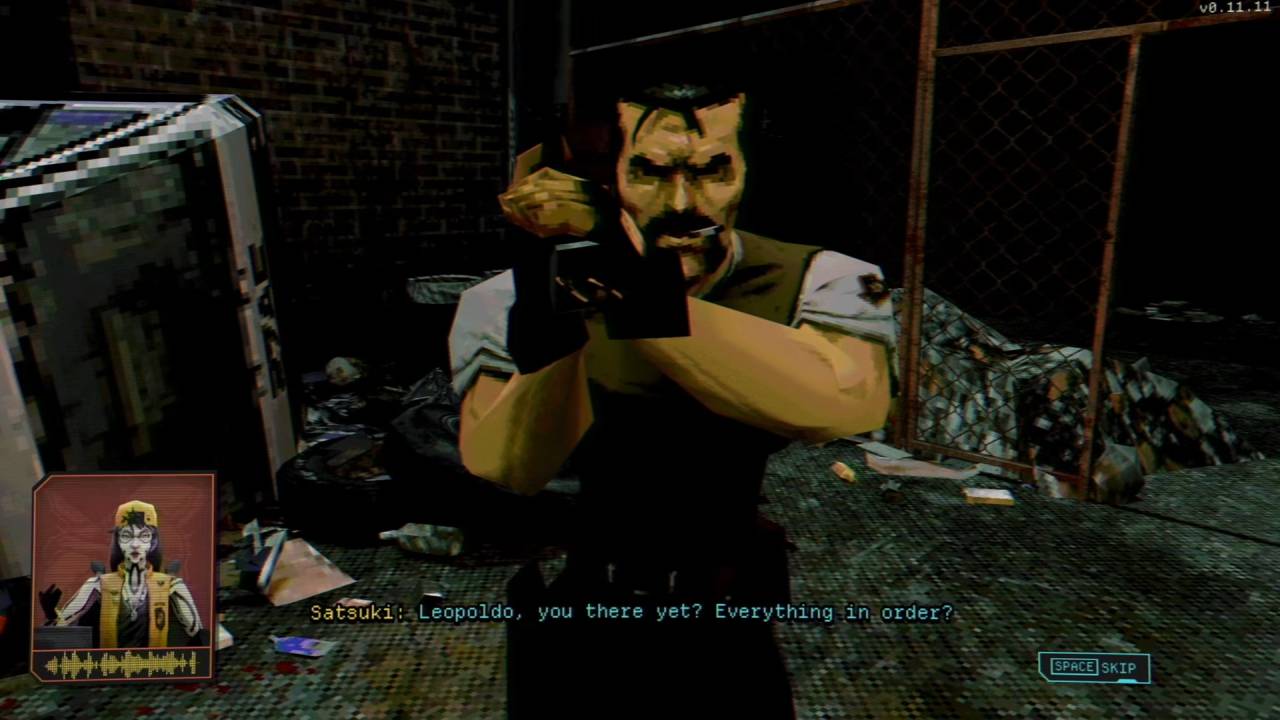
Vultures - Scavengers of Death is developed by Team Vultures. A two-person independent studio from Colombia. That small scale is evident, but it works in the game’s favor because every system feels built around a single clear idea. Rather than imitating big-budget horror titles, the developers focus on combining retro survival-horror elements with turn-based tactical combat.
The story of Vultures - Scavengers of Death unfolds slowly; it doesn’t rely on long cinematic cutscenes. Instead, you piece together the story from notes, voice recordings, computer files, and environmental details. Each document adds another layer to the mystery of Sento Valley. This makes exploring feel meaningful because your curiosity drives story progression.
As you progress, you learn about Dr. Thiago Schultz and the experiments Eugenesis has been doing. The police station, underground labs, and sealed facilities suggest a broader conspiracy. What first appears to be an accidental outbreak begins to feel like something carefully planned. By the time the evidence starts connecting, the situation becomes far more unsettling.
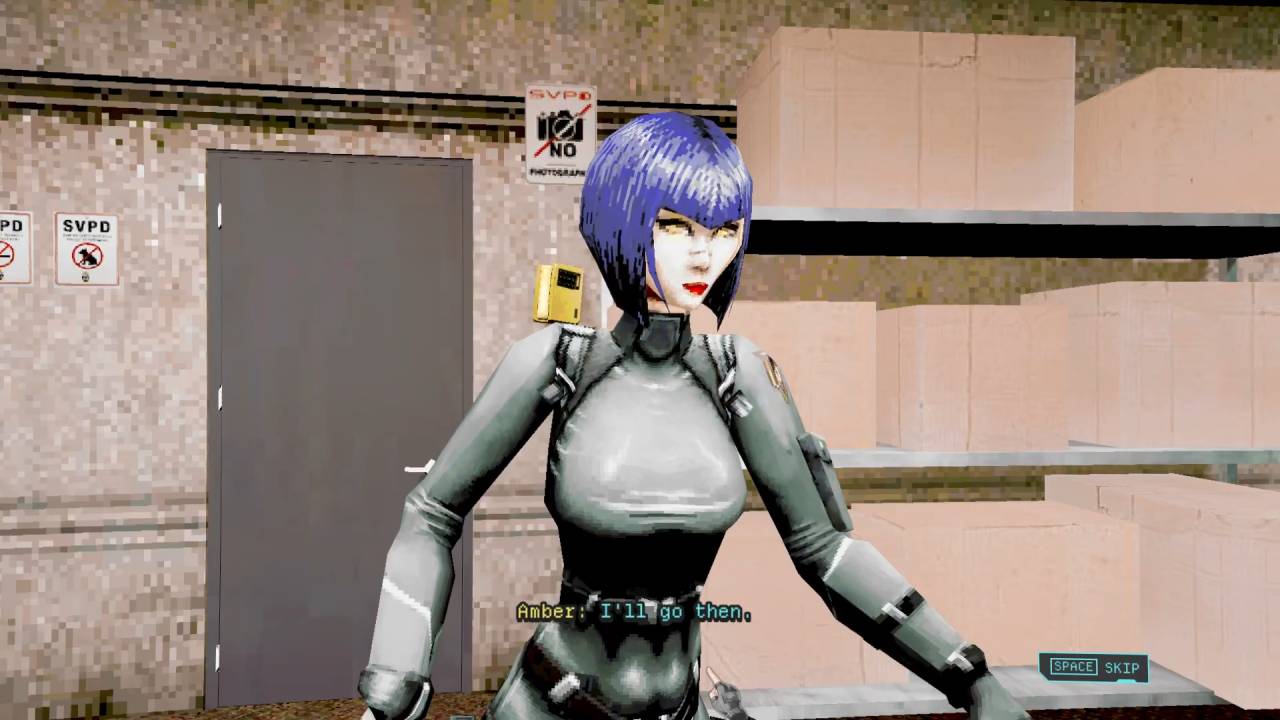
The story is told through two playable operatives, Leopoldo and Amber.
Leopoldo has a down-to-earth, practical approach to the mission; Amber is more analytical and flexible. Each character visits different parts of the city and gets different information. Their opinions complement each other, and they slowly build a bigger picture of the disaster.
Their campaigns are not simply a rehash of the same events from different perspectives. Instead, each route offers fresh places, fresh discoveries, and fresh challenges. This structure adds variety and emphasizes the conspiracy's scope. By the end, both characters have contributed important pieces to a fuller story.
Most of the time, you’ll be exploring environments in real time. You navigate dark corridors, open drawers and cupboards, solve puzzles, and unlock doors. There’s constant tension amid limited resources and unpredictable threats. Fans of classic survival horror will recognize the familiar structure immediately.
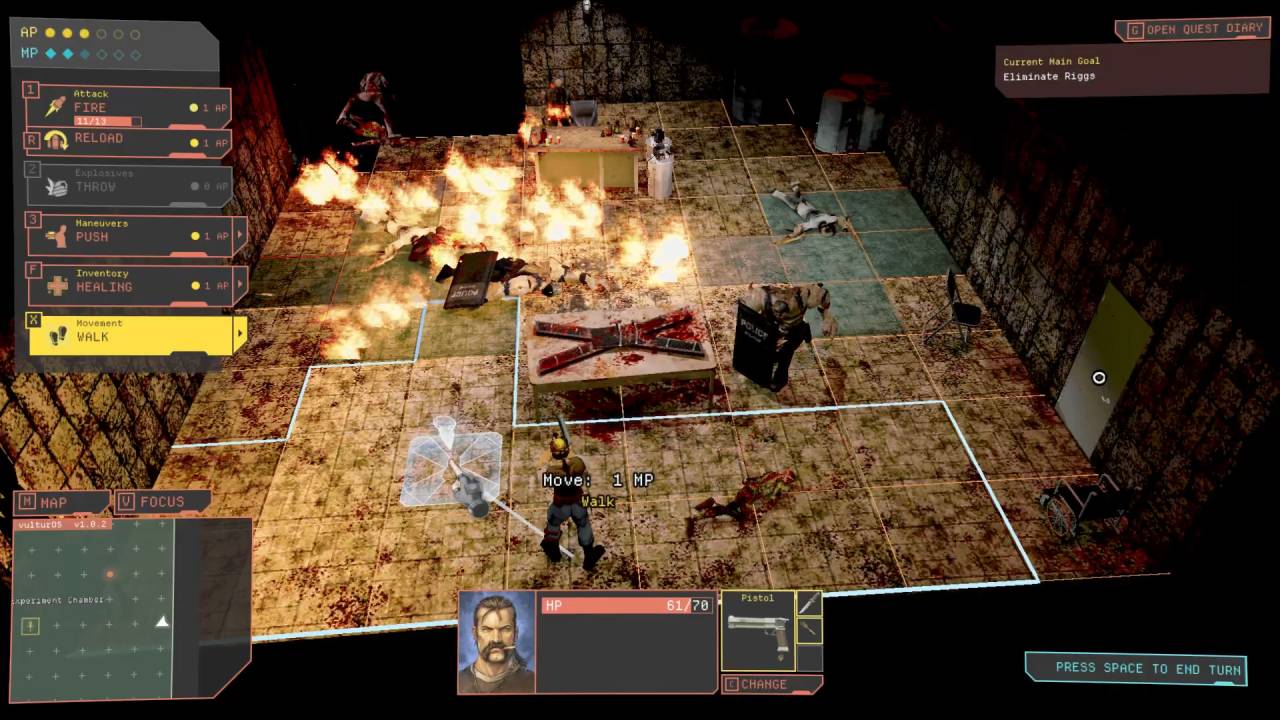
The most significant twist is when an enemy spots you. Turn-based tactical combat quickly replaces exploration. Moving, shooting, reloading, healing, etc., all cost a finite pool of points. When you finish your turn, the enemies will react and make you adjust. When you finish your turn, the enemies will react and make you adjust
This approach fundamentally changes the feel of survival horror. Success is a lot about planning ahead, not just quick reflexes. Each fight is a puzzle where positioning and resource management are as crucial as sheer firepower. It pays to think things through rather than react in the heat of the moment.
That structure also alters your approach to exploration.
It's not just simple curiosity anymore when you open a door because every possible fight has real consequences. You’re constantly considering whether or not it’s worth the cost of ammo and healing items to step into a side room. And even daily decisions can feel fraught, because they can impact your preparedness for future meetings.
The heart of Vultures - Scavengers of Death is combat. Enemies are dangerous not just because they do damage but because every action has an opportunity cost. A missed shot wastes valuable bullets, and a poorly timed reload can get you killed. Each battle requires several moves of foresight.
Shooting at body parts really adds a lot of tactical depth. Headshots do more damage but are more difficult to get consistently. Leg shots slow enemy movement and create some space for you. If you want to be accurate, torso shots are a more reliable option. If accuracy is your aim, then torso shots are a safer, more reliable bet.
Melee weapons are equally important, especially when ammunition is scarce. Knives can inflict bleed damage that continues over multiple turns. This allows you to wound enemies and retreat while they slowly weaken. Conservative players will often rely on these effects to preserve valuable bullets.
Stealth adds a new strategic layer to combat.
Getting behind enemies lets you start fights from a position of strength. Occasionally, you get some extra action points or some other benefit at the start of battle. That early advantage can determine if the fight remains under control. This early advantage is often the difference between keeping the fight under control and losing it.
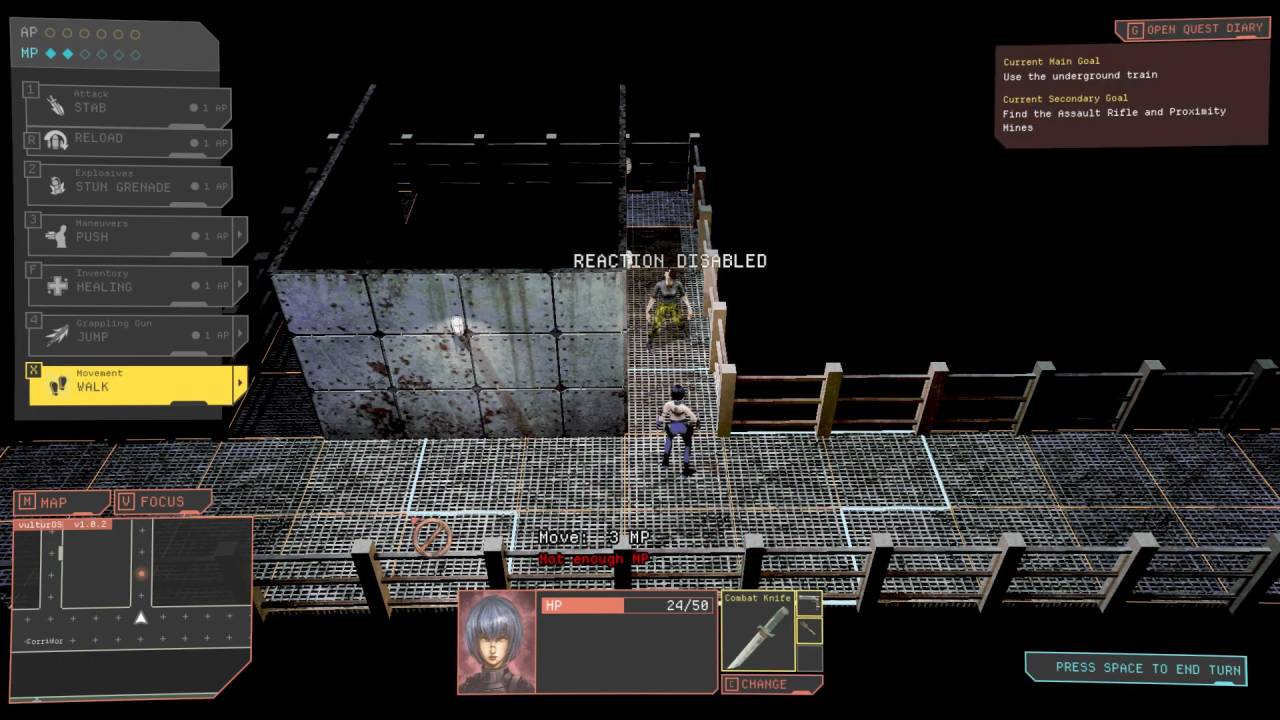
Environmental hazards play a big part in many encounters. You can push enemies into walls to stun them or into holes and other hazards. Electrified floors and fire traps can also be beneficial. These interactions tend to be more resource-conserving than traditional attacks. These interactions often save valuable ammunition and healing items.
The best moments are when all these systems are working together. You could start with a stealth attack, use a bleeding wound, and then shove an enemy into a hazard. Repositioning carefully and shooting accurately completes the sequence. “Fighting is controlled chaos, and every decision you make affects survival.
Beyond combat, the game embraces the puzzle-solving traditions of classic survival horror. You search for keys, combine items, and solve puzzles with clues hidden everywhere in the environment. They break up the action. They maintain a steady pace of progression. Solving them feels like part of the investigation, not a separate mechanic.
Keen observation pays off in level design. Optional rooms usually have ammo, valuables, and weapon upgrades. Some of the best equipment hides behind paths that are easy to miss. Thorough exploration can make a significant difference later on in the game.
Furthermore, the design ties the environments together in a satisfying way.
The locked doors, the shortcuts, and the places you keep returning to all make you consider the city to be a coherent space. Back in familiar territory, new opportunities or threats often arise. This structure enhances the sense of gradually overcoming a hostile world. There is no traditional experience point system in the game. Rather, advancement is tied to the valuables you gather on missions.
They can be converted into credits for weapon upgrades and better equipment. Exploration nourishes your long-term power. Every detour in this system has a purpose. Optional room searches can net you a powerful upgrade, but they can also cost you ammo and health supplies. One of the game's defining features is this constant trade-off between risk and reward. Growth feels earned because it’s based on your willingness to investigate.
When you upgrade your weapon, you can tell that you are more effective. Better guns and more loadout choices mean you can be more flexible in tough fights. At the same time, the game never lets you feel completely secure. Resource scarcity ensures that every advantage still requires careful management.
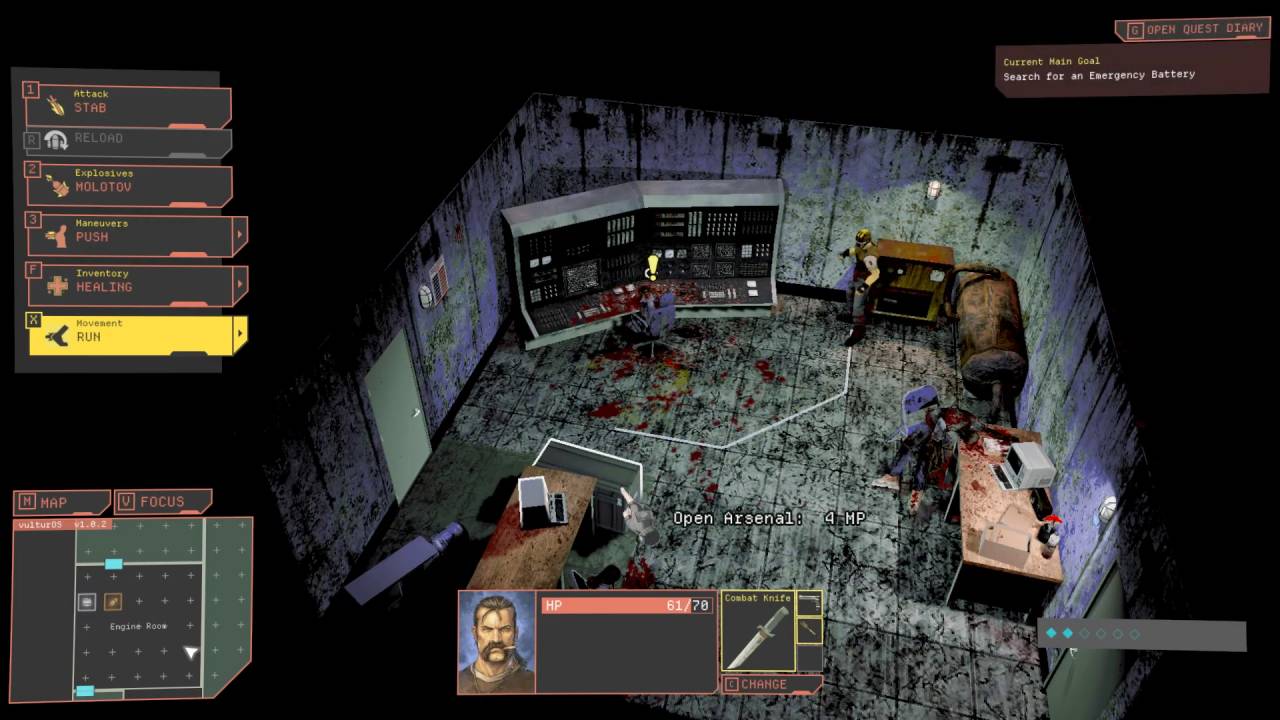
Visually, the game embraces a low-poly style inspired by late-1990s survival horror. The rough textures, muted colors, and subtle distortion create the atmosphere of early classics of the genre. The look is immediately reminiscent of games like Resident Evil 2 and Silent Hill. This retro style provides the game with its unique identity.
The lighting and composition in the environments really shine.
Police stations, apartment buildings, labs, and industrial zones all feel claustrophobic and believable. Fog and shadows create more tension than high-detail graphics ever could. The art direction is a testament to atmosphere over technical complexity. Even the quietest areas carry a constant sense of unease.
The same philosophy goes for enemy designs. Zombies and mutated creatures are visually simple but easy to distinguish. Each new monster communicates a different tactical threat. Their designs suit the horror tone and the strategic gameplay. Their appearances are memorable because they prioritize tension and readability over excessive visual detail.
The audio design is subtle but very effective. Often, the exploration areas are hushed, so you can hear footsteps and the creak of metal and other distant noises. Minimalism means every sound counts. Silence is a natural tool for building tension, and therefore, its use enhances the game experience.
The rooms for saving are a pleasant change from the usual. Cool music provides a momentary sense of safety and relief. That comforting familiarity takes me back to the emotional rhythm of classic survival horror games. It feels really beneficial to enter into these safe spaces. Stepping into these safe spaces feels genuinely rewarding after intense encounters.
Combat sounds are functional, not cinematic. Gunshots, reloads, and enemy hits make it obvious what’s happening. The effects aren’t flashy, but they do serve the tactical focus of the game. All the sound cues enhance clarity and immersion. Together, these audio cues add a strong sense of clarity and immersion to every battle.
Vultures - Scavengers of Death is very creative, but there are some rough edges. The user interface can be a bit unintuitive, especially when selecting actions or targeting body parts. These issues interrupt the flow of combat during tense encounters. Sometimes you'll have as much trouble with the controls as with the enemies.
Some systems are not as well-explained as they should be.
Some enemy movement ranges and mechanics require experimentation to fully grasp. New players may spend many hours learning through trial and error. A slicker tutorial would have made the learning curve smoother. A more polished tutorial would have made the learning curve much smoother and easier to grasp.
It takes time to learn the controls, too. At first, it may seem somewhat weird to switch between real-time exploration and turn-based encounters. Players who are willing to adapt should respect the depth. Such changes can be frustrating for those seeking a smoother onboarding process. Such depth can be frustrating for those who want a smoother onboarding process.
These flaws are a consequence of a minuscule dev team. But they don't detract from the design's core originality. Once you get the hang of the mechanics, the game opens up and becomes far more intuitive and rewarding. It has its technical imperfections, but in the end, its strengths win out.
Vultures - Scavengers of Death is special for the fact that it seems like something that hasn’t really been done before. It neither follows the trends of our times nor relies on spectacle to build tension. Instead, it combines tactical strategy with the feel of classic survival horror. The result is a game that feels unlike almost anything else in the genre.
Every mistake feels like a consequence of your own decisions. Earlier choices about positioning and resource use often lead to running out of ammunition or to being surrounded. That design philosophy creates a unique form of pressure. You are not simply reacting to horror; you are strategically managing it.
The game is not perfectly polished. The interface can be clunky, some mechanics aren’t explained well enough, and the learning curve is steep. But once the systems are activated, the experience is rather engaging. Its ambition and creativity make you forgive many of its flaws.
Those who enjoy planning, retro aesthetics, and intentional survival mechanics will find much to appreciate. The game rewards patience and experimentation, not quick reflexes. It respects players who are keen to learn its systems. It’s a deeply satisfying and memorable experience for the right audience.
Editor, NoobFeed
Verdict
Vultures - Scavengers of Death is a bold and distinctive blend of turn-based tactics and classic survival horror. It transforms every encounter into a high-stakes strategic puzzle.
71
Related News
No Data.