
AMD Fluid Motion Frames 3: Driver-Level Frame Generation in AMD Gpus
AMD Fluid Motion Frames 3 introduces enhanced driver-level frame generation with improved smoothness, reduced latency, and wider compatibility across games.
Hardware by Tanvir Kabbo on Oct 04, 2025
AMD Fluid Motion Frames 3 (AFMF3) is the next step in AMD's frame generation technology, designed to push visual performance beyond the limits of traditional in-game solutions. Unlike conventional frame generation methods that require developer integration, AFMF3 operates directly at the driver level, allowing it to enhance smoothness and responsiveness across virtually any title.
This means users can experience improved fluidity even in games, videos, or emulators that lack native frame generation support. By reducing latency, refining temporal stability, and leveraging potential machine learning enhancements, AFMF3 has the potential to deliver more consistent frame pacing and a smoother overall experience.
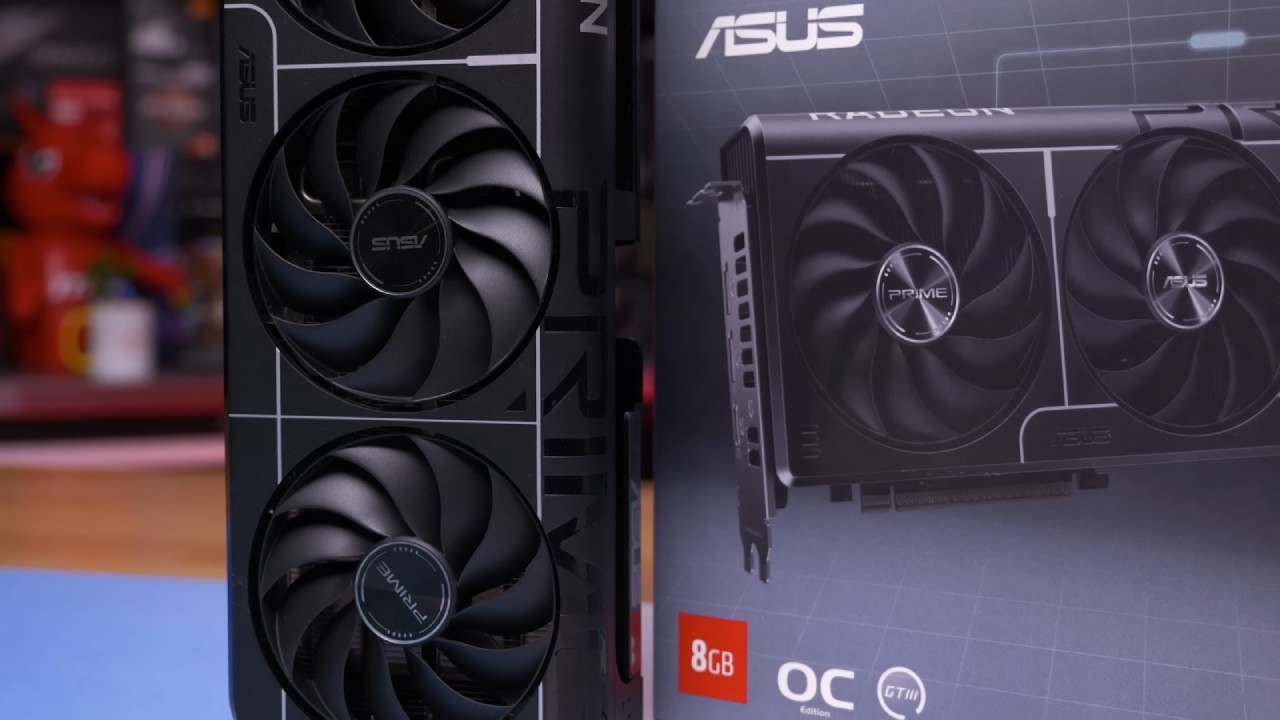
This development could significantly impact not just gaming performance but also high-refresh-rate video playback and emulation, making it one of the most versatile frame generation technologies to watch.
Frame Generation Inside and Outside of Games
Frame generation is typically tied to in-game technologies such as FSR Frame Generation, DLSS Frame Generation, or XeSS Frame Generation. These rely on the game itself supporting the feature. On the other hand, AFMF3 works outside of the game, much like lossless scaling or smooth motion.
Because it operates at the driver level, AFMF3 doesn't require developer implementation. It can generate frames based on what passes through the monitor, whether that's a game, a video, or any other application. For example, you could watch a YouTube video at 240fps instead of 60fps using such a technique.
The Evolution of AMD Fluid Motion Frames
Fluid Motion Frames was first introduced in 2023 with AFMF1, offering frame generation without needing in-game support. It allowed many titles without native FSR or frame generation to achieve smoother experiences.
AFMF2 followed, introducing AI-based optimizations and reducing latency. Later, AFMF2.1 improved temporal tracking and reduced ghosting. These updates significantly enhanced stability, although the results still varied compared to alternatives, such as lossless scaling.
Now AFMF3 continues this cycle, promising further improvements. References to AFMF3 have already been found in the Radeon driver 25.20 branch, strongly suggesting that AMD is preparing for an official release.
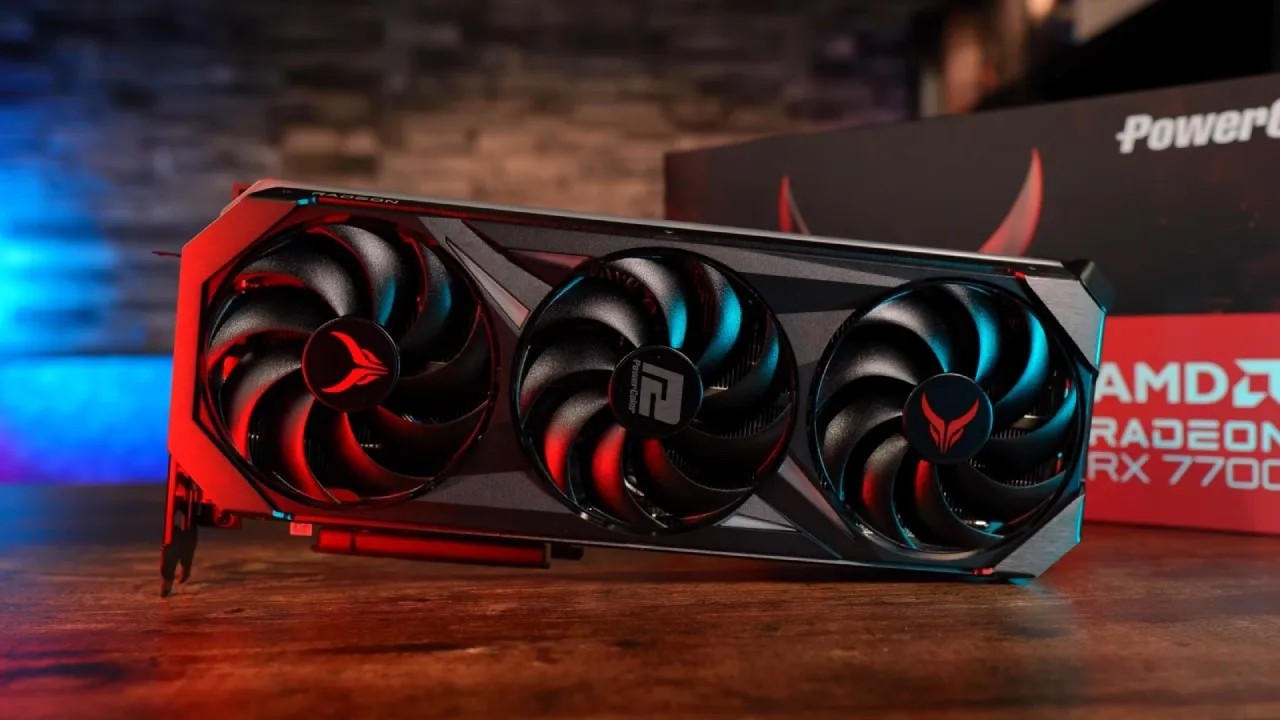
AFMF3 and FSR Redstone
AFMF3 may launch alongside AMD's upcoming FSR Redstone update. FSR Redstone is expected to bring machine learning optimizations, neural radiance caching, and better support for ray-traced titles. If AFMF3 adopts machine learning, it could significantly improve the quality of frame generation and latency handling.
The fact that AFMF3 has been spotted in drivers indicates it's not just a rumor. Community reports confirm its presence, and the timing suggests it may arrive very soon.
Performance Expectations and Competition
From our perspective, AFMF3 has the potential to rival Nvidia's smooth motion and continue competing with lossless scaling. Each technology has strengths and weaknesses. Lossless scaling, for example, has been more consistent overall, while smooth motion sometimes offers better results in specific scenarios.
If AFMF3 pushes frame generation quality higher while maintaining low latency, the competition between these solutions will intensify. Gamers will benefit by having multiple effective options for achieving smoother gameplay, higher perceived frame rates, and better usability across a wide variety of content.
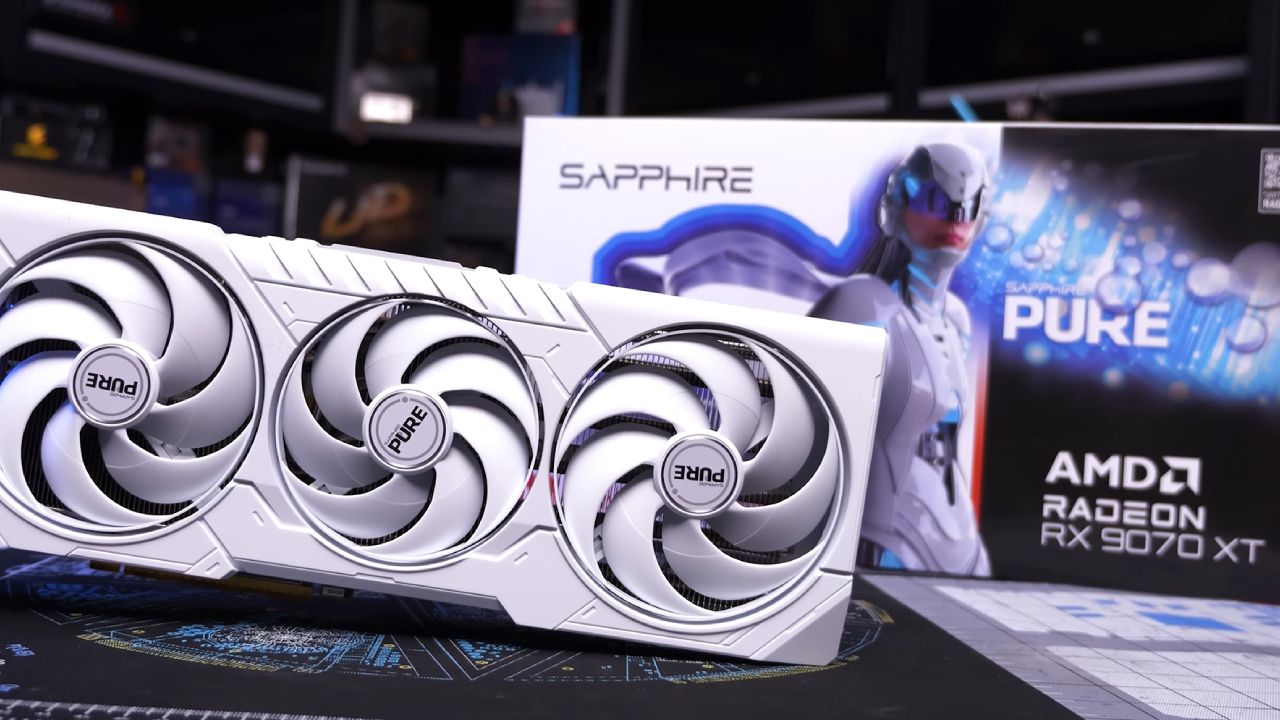
What Comes Next
AFMF3 is arriving very soon, possibly in conjunction with the release of FSR Redstone. Once it's officially available, we'll be able to test how it compares against smooth motion and lossless scaling. Having three strong frame generation solutions in competition will create a much healthier ecosystem for players.
For now, it's safe to say that AFMF3 is real, it's coming, and it could be a significant upgrade over previous iterations. We're excited to see how AMD's approach develops and what kind of results it can deliver once the technology is in our hands.
Check Our Other AMD articles:
- AMD Ryzen 9 9950X3D Review: Setting The Standard For 2025 Gaming CPU
- AMD Ryzen 7 9800X3D Review: 3D V-Cache Goes God Mode with Stunning Gaming Performance
- AMD RX 9070 Performance Review: Thermals, Clocks, and Real-World FPS
- AMD Ryzen 5 7600 Review: Best Budget Gaming CPU of 2025?
- AMD Radeon RX 7800 XT Review: RDNA 3 Power For Midrange Gaming
- Sapphire NITRO+ AMD Radeon RX 9070 XT Review: The Ultimate 4K Gaming GPU
- AMD Ryzen 7 7800X3D: Delivers Gaming Performance Far Beyond Expectations
- AMD Ryzen 9 7900X Review: Powering the AM5 Era with DDR5 & PCIe 5.0
- ASRock Radeon RX 7800 XT Challenger OC Review: Best Price-to-Performance GPU of 2025
- Intel Core i9‑14900K vs. AMD Ryzen 7 7800X3D: Power Profiles & Gaming Benchmarks
Senior Editor, NoobFeed
Gaming Hardware Updates
No Data.