
AMD Radeon RX 7900 XTX vs. NVIDIA RTX 4080: Ray-Tracing and Upscaling Tested
Performance analysis highlights rasterization, ray-tracing, and upscaling results for both GPUs in modern AAA titles.
Hardware by Tanvir Kabbo on Aug 29, 2025
The GPU market continues to evolve with each new release and driver update. Gamers looking to upgrade their rigs this Holiday season might find themselves torn between AMD and NVIDIA offerings.
Radeon RX 7900 XTX and GeForce RTX 4080 are two of the most talked-about GPUs, offering competitive performance, advanced features, and pricing considerations that play a key role in deciding the best option for a gaming setup.
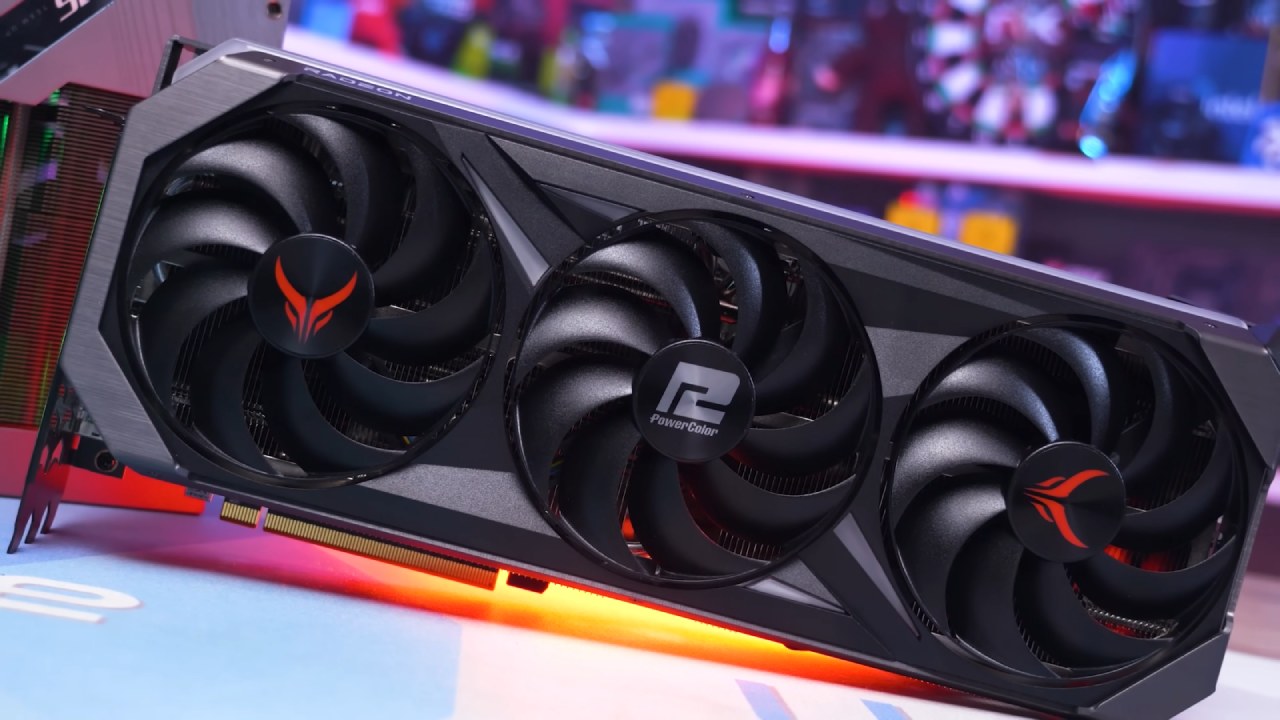
Current Pricing for RX 7900 XTX and RTX 4080
RX 7900 XTX starts around $910, with most models priced closer to $1,000. For instance, the PowerColor Hellhound is available at $910, and the Sapphire Pulse can be found for $920. Whereas the RTX 4080 is priced higher, with the cheapest model, the Gigabyte Eagle, at $1,090 and its OC version at $1,100.
MSI Ventus is priced around $1,180, with most models still close to the $1,200 mark. Overall, the Radeon GPU is typically around 15% cheaper than the RTX 4080, which aligns with their respective MSRPs.
Test System Specs
We used a Ryzen 7 7800X3D test machine with 32GB of DDR5 6000CL30 memory for these results. Adrenaline Edition 23.93 and Game Ready 537.42 were the display drivers used. These requirements guarantee precise and reliable results in contemporary video games.
Performance in Modern Games
The Last of Us Part I
With the ultra-quality preset, both GPUs performed quite well. While the RX 7900 XTX led by 4% at 1440p and 8% at 4K, the RTX 4080 was 4% quicker at 1080p. DLSS improved RTX 4080 performance by 18% at 1080p with upscaling enabled; however, FSR did not raise frames for RX 7900 XTX at the same resolution.
At 1440p, FSR improved Radeon performance by 22%, though the RTX 4080 still gained a more impressive 30%. At 4K, both GPUs delivered over 90 fps, highlighting strong performance at high resolutions.
Remnant 2
RX 7900 XTX was clearly faster, beating the RTX 4080 by 13% at 1080p, 17% at 1440p, and 22% at 4K. Enabling upscaling slightly closed the gap, but the Radeon GPU maintained a 6–7% performance advantage across all tested resolutions.

Starfield
Being a pro-AMD title, Starfield showed mostly CPU-limited performance at 1080p. At 1440p, RX 7900 XTX was 12% faster, and 17% faster at 4K. RTX 4080 got a 25% uplift at 4K with FSR and DLSS enabled, while RX 7900 XTX gained 21%, giving the Radeon GPU a 14% advantage.
Baldur's Gate 3
The performance of Baldur's Gate 3 was comparable on both GPUs. While 4K results were almost identical, 1080p and 1440p were affected by CPU limitations. At 4K, FSR gave RX 7900 XTX a 60% boost, putting it 9% ahead of RTX 4080.
Resident Evil 4
RX 7900 XTX was slightly faster across native resolutions. Since this title only supports FSR, the maximum quality preset using ray tracing slightly favored the RTX 4080 at lower resolutions by up to 4%, while the Radeon GPU was 4% faster at 4K.
Callisto Protocol
Both GPUs were evenly matched, delivering virtually identical performance at all tested resolutions using the ultra quality preset. Even with ray tracing enabled, performance remained neck and neck.
Far Cry 6
RX 7900 XTX was 8% faster at 1080p, 14% faster at 1440p, and 23% faster at 4K. With ray tracing, performance at 1080p and 1440p reached CPU-limited 160 fps+, while RX 7900 XTX retained a 14% lead at 4K.
Ratchet and Clank: Rift Apart
RTX 4080 led with 6–10% better performance at native resolutions. With ray tracing enabled, the RX 7900 XTX struggled, delivering 76 fps at 1080p compared to 121 fps for the RTX 4080. Upscaling further widened NVIDIA's lead to 48–56% across all resolutions.
Hitman 3
Performance was even at 1080p and 1440p at ultra settings without ray tracing, with the RX 7900 XTX leading by 17% at 4K. RTX 4080 was 12–18% faster, depending on resolution, when ray tracing was enabled. Upscaling helped both GPUs, though NVIDIA retained the edge.
F1 23
Using the high preset without ray tracing, RX 7900 XTX delivered 21–26% higher performance. Enabling ultra-high settings gave the RTX 4080 a small lead, while upscaling equalized performance, keeping the margin under 5%.
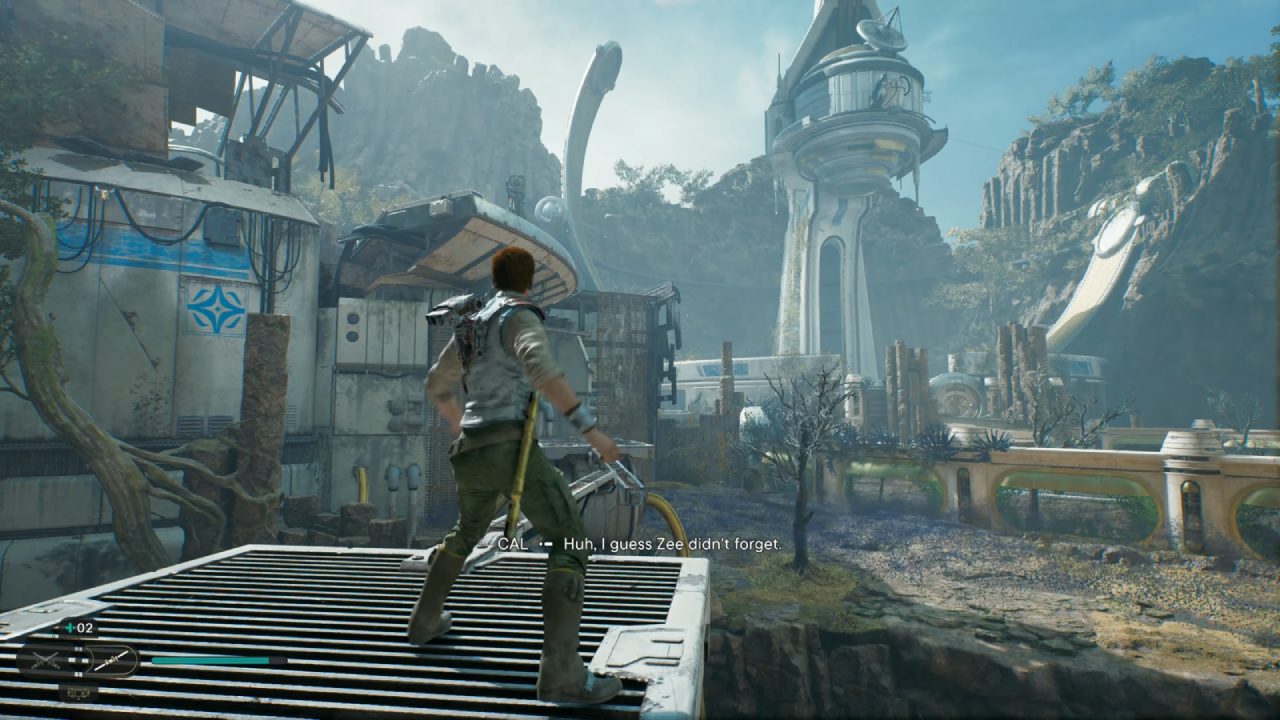
Star Wars Jedi Survivor
The RTX 4080 led slightly across all resolutions, especially with ray tracing enabled, providing up to a 13% advantage at 4K. Performance issues with upscaling persisted, particularly at lower resolutions, where CPU constraints affected the output.
Forza Horizon 5
Performance issues with RDNA3 GPUs have mostly been addressed. At 1080p, 1440p, and 4K, RX 7900 XTX led by 15–20%. However, enabling FSR produced inconsistent results, while DLSS on the RTX 4080 improved performance slightly, narrowing the gap at 4K to just 7%.
Cyberpunk 2077
At high preset, RX 7900 XTX was slightly faster at 1440p and 4K. Ray tracing severely reduced its performance to 61 fps at 1080p, making the RTX 4080 46% faster. Although upscaling increased frame rates, NVIDIA's advantage remained substantial.
Marvel's Remastered Spider-Man
While 4K performance was almost identical, both GPUs were CPU-limited at high settings at 1080p and 1440p. While FSR improved RX 7900 XTX performance by 17%, DLSS gave RTX 4080 a 32% jump at 4K, demonstrating NVIDIA's superior upscaling efficiency.
Fortnite
Using DirectX 11 and Epic settings, the RTX 4080 was 20% faster at 1080p, 14% at 1440p, and 42% at 4K. Switching to DirectX 12 and enabling TSR gave the RX 7900 XTX an 8% lead at 4K.
Dying Light 2: Stay Human
RX 7900 XTX slightly outperformed the RTX 4080 without ray tracing. With ray tracing enabled, the RTX 4080 was 31–39% faster across all resolutions. Upscaling slightly favored AMD, but overall performance was comparable.
Hogwarts Legacy
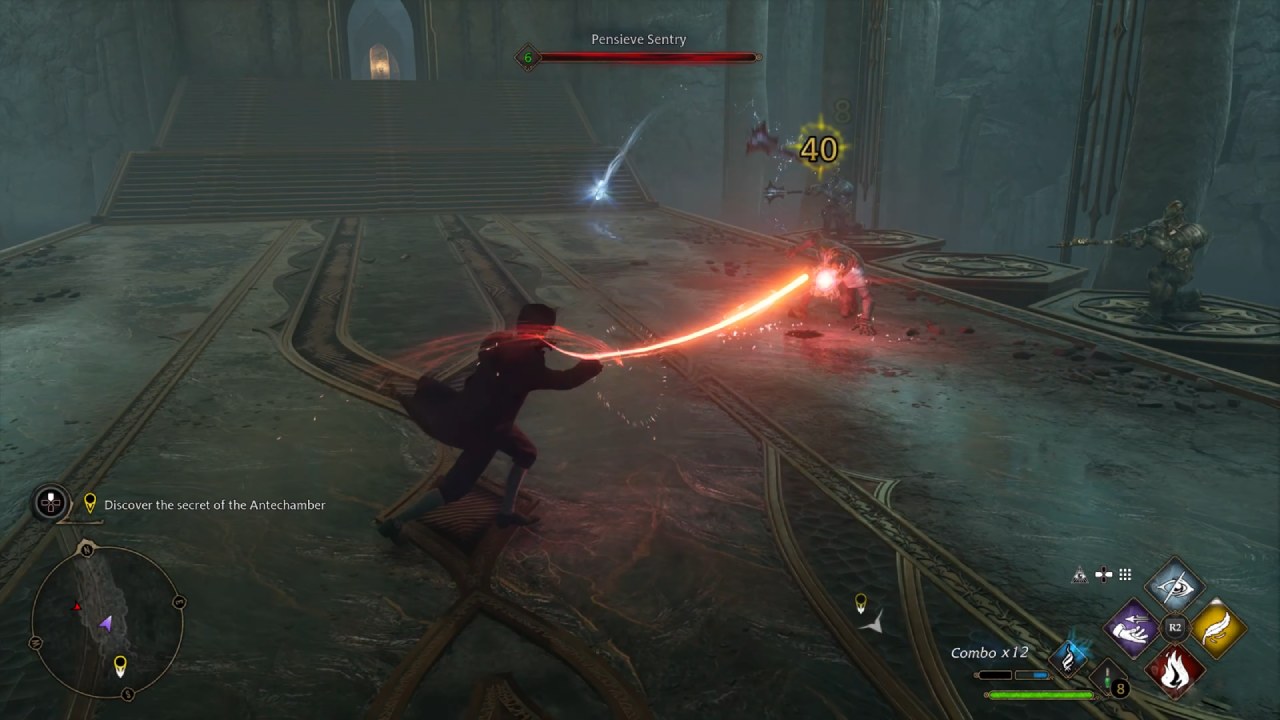
RX 7900 XTX led by 11–14% at native resolutions. With ray tracing, the RTX 4080 closed the gap and even pulled ahead at 4K. Upscaling provided a 41% boost for AMD compared to 19% for NVIDIA at 1440p, giving the Radeon GPU a 12% lead.
Average Performance Summary
Rasterization Performance: At 1080p, RX 7900 XTX was 3% faster on average. At 1440p, it led by 4%, and at 4K, performance was 7% higher.
Ray Tracing Performance: At 1080p, RX 7900 XTX was 8% slower on average, 11% slower at 1440p, and 11% slower at 4K when upscaling was included.
Final Thoughts
Pricing plays a crucial role in choosing between these GPUs. RX 7900 XTX offers excellent value at a 15–20% discount compared to the RTX 4080. For rasterization performance, the Radeon GPU generally delivers better results at 4K. At the same time, NVIDIA maintains a lead in ray tracing scenarios.
RX 7900 XTX benefits from 24GB of VRAM, compared to 16GB on the RTX 4080, offering future-proofing potential. Power consumption is slightly higher on Radeon GPUs, with total system usage increasing by approximately 60W in certain titles; however, this is not a significant factor for most builds.
DLSS on the RTX 4080 consistently delivers superior upscaling quality, particularly at lower resolutions such as 1080p and 1440p. AMD's FSR 3 is promising, but it still shows inconsistent results, depending on the title. Frame generation technologies are useful for single-player games but have limited applicability for competitive multiplayer gaming.
Considering the current pricing, RX 7900 XTX becomes a viable option if it is at least 15% cheaper than the RTX 4080. At around $900, models like the PowerColor Hellhound are close to this threshold, making Radeon a strong contender for those seeking high performance without overspending.
Check Our Other NVIDIA Articles:
- GeForce RTX 5090 Unleashed: Is NVIDIA's New Flagship the Ultimate 4K Gaming GPU?
- NVIDIA GeForce RTX 5080 Review (2025): Still A 4K Gaming Powerhouse?
- RTX 5090 Performance Testing In GTA 5 – 1080p, 1440p, and 4K Max Settings Benchmark
- RTX 5090 Laptop Vs. M4 Max MacBook Pro: Ultimate Raw Performance Vs. Battery Endurance
- NVIDIA RTX 5070 Review: Mid-Range Muscle or Marketing Hype?
- RTX 5070 Ti Review: Performance, Thermals & Power Efficiency Tested
- Asus ROG RTX 5090 Astral OC Vs. Founders Edition: The 4K Gaming Benchmark
- ASUS ROG Astral RTX 5090 OC Edition Review: 32GB GDDR7 & 4K Gaming Benchmark
- ASUS GeForce RTX 5090 LC Liquid Cooled GPU Review: Unmatched Silence & Speed
- MSI GeForce RTX 5090 32GB SUPRIM SOC Review: Power Efficiency, Cooling, and Gaming Performance
- INNO3D RTX 5060 Ti 16 GB X2 Review: Gaming Benchmarks, Temps, and Power Efficiency
- HP Omen 45L Review: RTX 5090 Performance, Thermals, and Value Analysis
- ASUS TUF Gaming GeForce RTX 5060 Ti Review: DLSS 4, Power Efficiency, and Gaming
- ASUS Prime RTX 5060 Ti OC 16GB Review: DLSS 4, Ray Tracing, & Thermals Tested
- NVIDIA GeForce RTX 5060 Review: Specs, Gaming, and Cost per Frame
- MSI GeForce RTX 5090 GAMING TRIO OC Review: A Monster Power GPU
Senior Editor, NoobFeed
Gaming Hardware Updates
No Data.