
AMD Ryzen 9 9950X3D2 Review Sampling Controversy Explained
Review sample shortages shifted attention away from performance and directly onto AMD's launch strategy.
Hardware by Shinji Okazaki on Apr 30, 2026
The recent launch of AMD's Ryzen 9 9950X3D2 dual edition has created some buzz in the PC hardware world. Although the chip performs as expected in games and offers some improvement in productivity workloads, the main discussion has been around AMD's review sampling process.
The new chip's release has also brought to the fore issues around access to products, geographies, and how major hardware manufacturers release products.
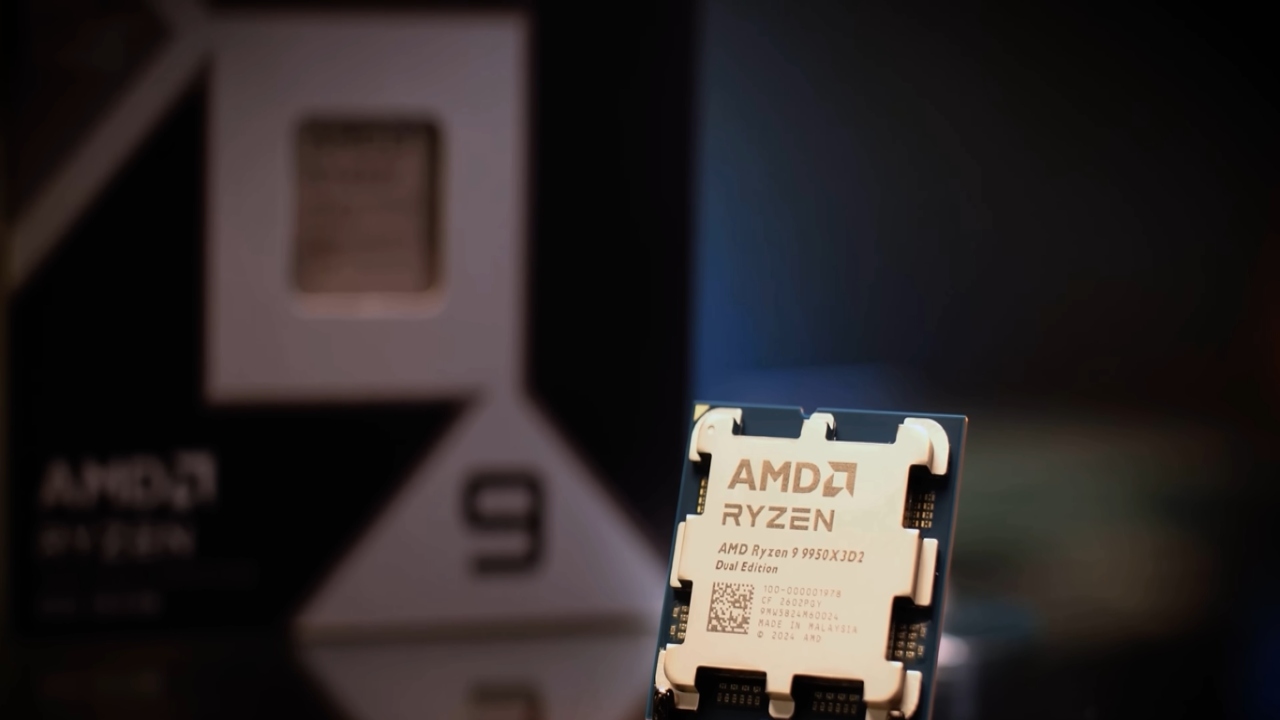
Ryzen 9 9950X3D2 Performance Leaves Limited Room for Excitement.
If you are wondering about its performance, it's essentially the same as Ryzen 7 9800X3D or Ryzen 9 9950X3D for gaming. We found it improved the performance in productivity workloads by 4% to 5% (with better results in creator workloads) and even better in some scientific workloads.
It's not a compelling purchase. The only compelling case is as a workstation budget chip for those who can't afford Threadripper. But there are many trade-offs. You do not have the PCIe lanes, memory bandwidth, upgradability, or registered DIMMs. You can get ECC UDIMMs, but that's only half the battle.
AMD's Review Sampling Strategy Created Confusion
Of course, the more fascinating aspect of this release has been the focus on AMD's sample strategy. Reviewers felt they were shortchanged. According to various reports, AMD said it was short of units and preferred to see samples with developers first.
This did not quite align with the facts, particularly when game-focused reviewers like Hardware Unboxed received units. That raised suspicions that AMD was preferring some reviewers, even blacklisting others.
Retail Restrictions Added More Questions
TechPowerUp reported that retail partners were told not to give review units to media outlets. This is significant because review units from retailers have been the norm, and AMD has previously permitted it. Igor's Lab took a swipe at this practice, pointing out that selective sampling limits the amount of review data available before a product's release.
The fewer the sample of reviewers, the fewer the sources buyers have to draw on. One well-known publication recently claimed AMD had blacklisted them because they had been shut out not just of the sample but also of pre-launch information. We don't think this claim holds water.
We did not receive a product to review directly from AMD, despite ongoing communication with the company. AMD responded to technical queries through its third-party PR agency, but the responses were not particularly prompt. We obtained one via alternate channels, and we are confident this was not blacklisting. It was simply a different (and unusual) way of sampling.
Geographical Differences Appear to be the Reason
It appears to be a regional problem. Beyond the US, it seemed that YouTubers got samples. In the US, AMD appeared to prefer print media. This sort of divide can occur in regional offices. Big companies can have different teams, different goals, and sometimes different strategies. You could make a lot of things out of these things, but sometimes corporations just corporate.
X3D products naturally interest hobbyists. This made AMD's strategy even more notable. You would expect a product like this to attract both video and textual reviewers. The chip itself, too, is in a niche market. We know how it performs in games, and its main selling point lies elsewhere. If it were our decision, we would target reviewers focused on workstations, Linux, and scientific computing rather than the typical gaming media.
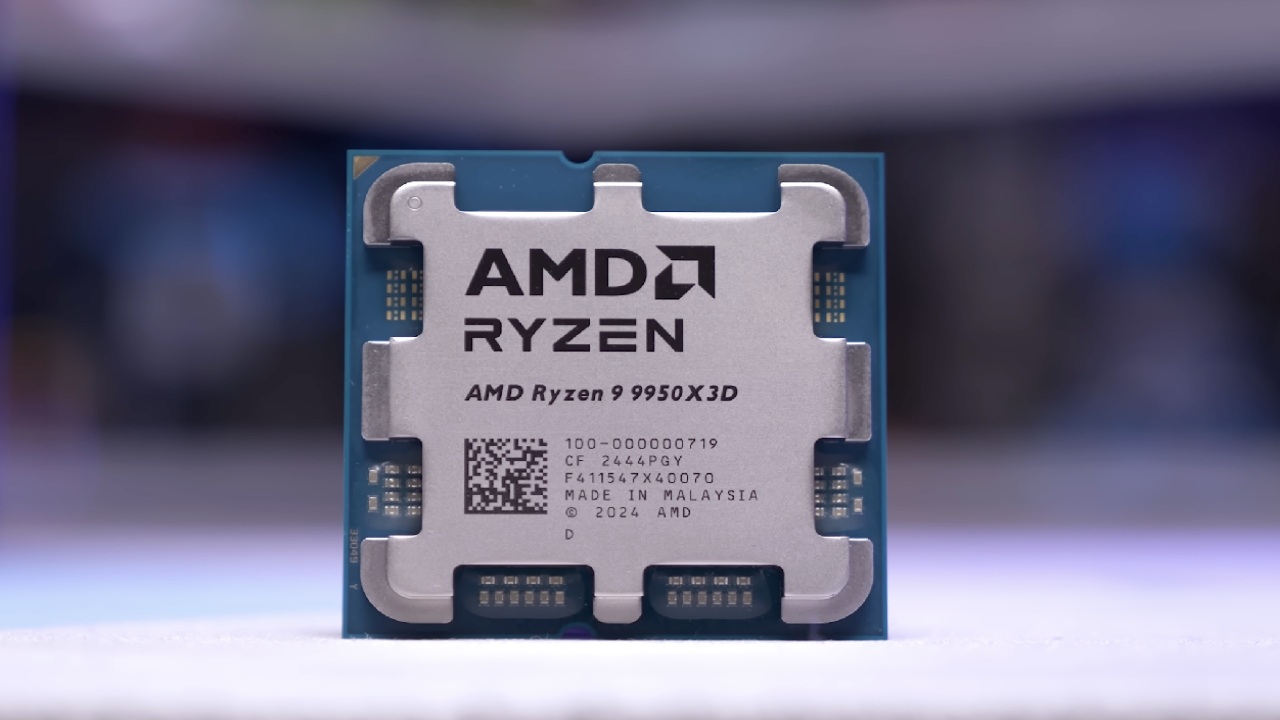
AMD Probably Expected the Reviews
AMD would have had a good idea of how this chip would perform before its release. The gaming performance would be very similar to what we've seen with other X3D processors. That might have affected the sampling. There was little new to say from a gaming point of view. We can only imagine the reasoning (even if the results were confusing).
These types of experiences often boil down to conflicts between the marketing/PR and engineering teams. We have seen it before. Sometimes companies ask reviewers whether they like a product, only to find out it was slower and more expensive than expected.
The disconnect between technical and marketing is not unique to AMD. H3
Ultimately, there doesn't seem to be any evidence that the nice reviewers are rewarded and the critical ones are blacklisted. It seems to be more regional rollout issues and a lack of clarity in its launch strategy. This is frustrating to you, and frankly, to us as well. But hardware launches are sometimes like that. That's just the way big companies work sometimes.
Editor, NoobFeed
Gaming Hardware Updates
No Data.