
AMD Zen 6 vs. Intel Nova Lake S: Major Architecture Changes and Performance Outlook
Zen 6 introduces major architectural refinements designed to enhance processor efficiency, core scalability, and overall computational throughput across diverse workloads.
Hardware by Tanvir Kabbo on Dec 20, 2025
AMD's Zen 6 processors signal some of the biggest architectural changes the company has implemented across several generations. The shift to a 2nm process enables much higher clocked frequencies, increased core counts up to 24 cores for both desktops and laptops, and a 50% increase in L3 cache.
Latencies are significantly reduced, memory access is faster, and bandwidth across the chip is higher. Integer units, or more specifically, the processor's scheduler, also undergo substantial changes, sparking interesting discussions about AMD's plans for Zen 6. These changes point to AMD making a series of strong decisions, and it will be fascinating to see how these chips perform once they launch.
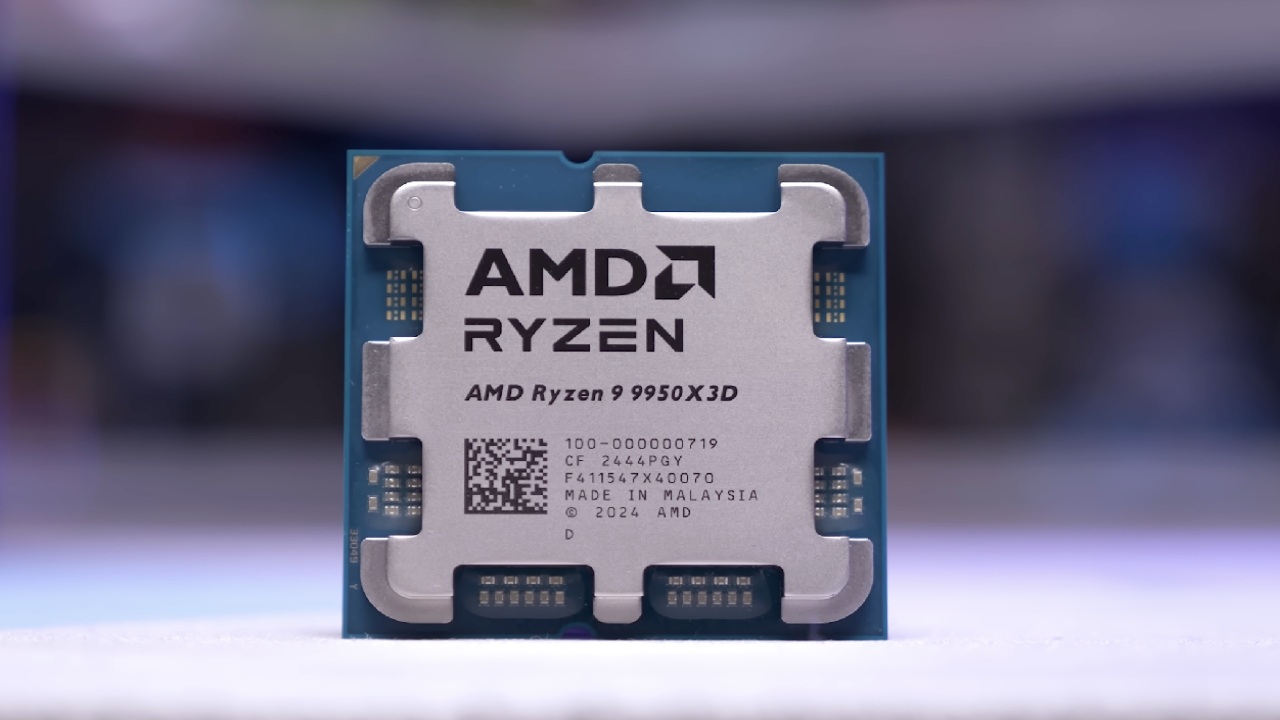
Zen6: Official Documentation and Early Functionality
We have seen the first official Zen 6 document from AMD. While complete details and a full block diagram are not yet provided, we can make educated assessments based on leaks and prior statements. One confirmed feature is FP16, which we have discussed before.
This is particularly useful for AI workloads, and although gamers and developers may not immediately care, it remains helpful for applications where FP16 makes a difference. For typical home users, it will likely go unnoticed, but it is still beneficial to have the instruction available.
Scheduler and Integer Unit Changes
When we look at the scheduler units, we see that schedulers spread work across ALUs, the parts of the processor that perform operations. FP stands for floating-point operations, whereas integer stands for whole-number operations.
Zen 5 introduced a central integer scheduler, a major change from past architectures. In Zen 6, evidence suggests the presence of 6 ALUs and AGUs, and this change is likely to offer a range of advantages.
There can be negatives to separate schedulers, such as potential conflicts when similar instructions pile up, theoretically reducing flexibility. However, AMD's broader Zen 6 redesign appears to counterbalance these concerns.
When you make design choices like these, you always have to take calculated risks. Chiplets, which were initially used in Zen 2, were a big risk that paid off, but other investments like Bulldozer did not. It looks like the Zen 6 change was planned to lower power use, which is a big plus. This may not improve clock speeds, but it shouldn't make them worse.
It seems unlikely that consumer chips will ever reach 7GHz frequency. We have heard ranges closer to 6.1GHz–6.3GHz, but retail silicon isn't ready yet. Internal, top-bin chips might perform better in unusual situations, but their outcomes don't match customers' expectations.
Zen 6 makes a big difference even without excessive frequencies. Workloads that use many integers will see the greatest gains, especially in data centers. However, gaming will also benefit from bigger architectural changes because it uses more floating-point calculations.
Core Design, IPC Gains, and Platform Considerations
It looks like Zen 6 will deliver significant IPC gains and higher clock speeds. If you're on Zen 4 right now and thinking about upgrading, this architecture might be worth the wait. It will also be interesting to see how the memory clock speed affects performance.
System memory is still a big deal because only a limited amount of data can be stored on-chip, even though inter-core latency is lower and cache is bigger. How Zen 6 keeps this equilibrium will be very important.
We can also see modifications in AMD's core diagram, which show that the company is going back to some of its older design ideas while the architecture continues to adapt. Zen 6 adds many new features, all of which support the assumption that the lineup might be quite strong.
Intel Nova Lake S: Architecture and Core Configurations
Now let's talk about Intel's Nova Lake, which is the real successor to the new refresh models. The refresh adds greater processor speeds and better memory compatibility, but Nova Lake S is the whole generational leap.
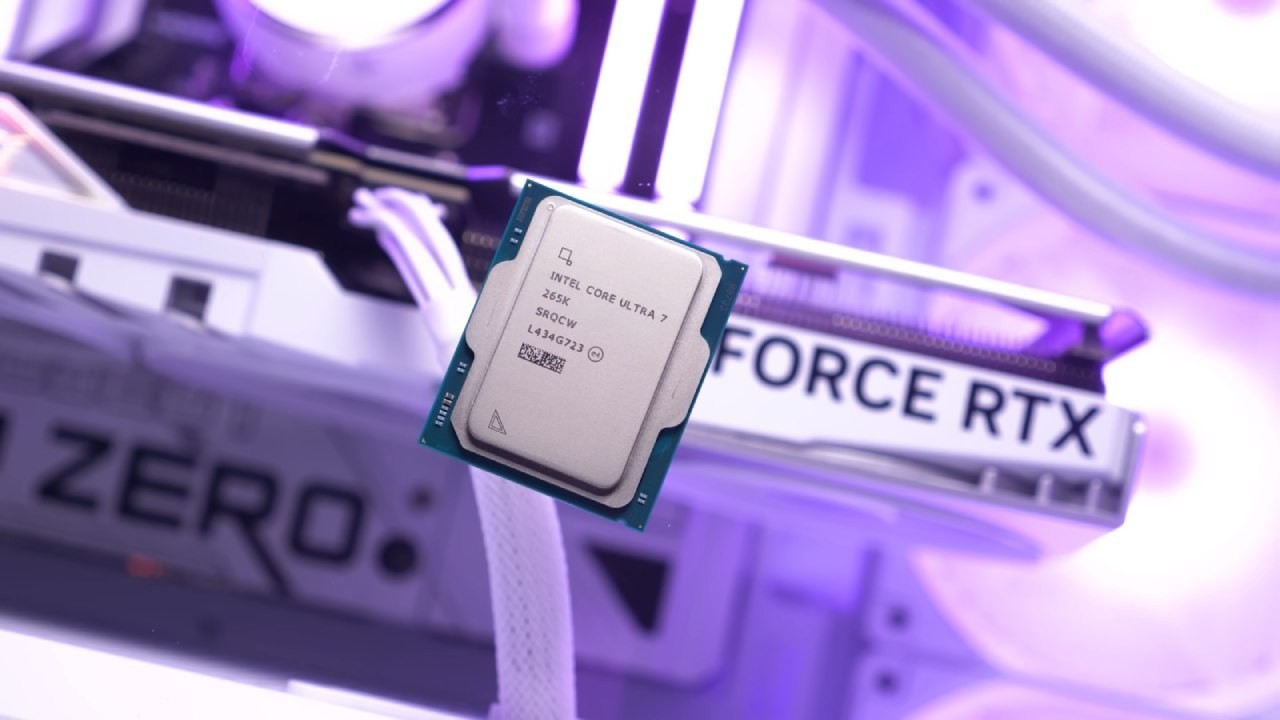
According to trustworthy sources, Nova Lake S will have 52 cores in total, including 16 performance cores, 32 efficiency cores, and 4 LP efficiency cores. Another notable configuration includes 14P, 24E, and 4 LP cores. Both tiles are expected to include Big Last Level Cache (BLLC).
Intel also has lower-core-count variants designed for gaming, such as 8P/16E and 8P/12E models. These chips will deliver extremely fast frame rates. Still, we are hearing that pricing may be considerably higher than that of typical consumer processors.
Estimates range from $1,200 to $1,500, but other sources give different figures. They won't be as cheap as workstations, but they won't be as cheap as most CPUs either. Even though they cost more, these chips won't give you the same IO benefits as traditional high-end platforms, such as more memory channels or more PCIe lanes.
If you don't need sophisticated IO, Nova Lake S can still deliver with great performance. The enormous number of cores and cache will help with tasks like video editing, AI workloads, and productivity apps. We will have to wait for benchmark results to see how well the architecture performs in the real world.
.jpg)
Zen 6 vs. Nova Lake S: What to Expect from Early Performance
When talking to different people, it seems that there are different ideas about which architecture will win out. People generally think Intel has the edge in multi-threading because it has more cores. In contrast, AMD may have the edge in single-threaded performance due to its IPC and clock efficiency.
Without approved clock frequencies, comparisons are still up in the air. Still, the matchup is shaping up to be one of the most exciting CPU battles in recent years.
Senior Editor, NoobFeed
Gaming Hardware Updates
No Data.