
Modern Video Game Loot Boxes are Just Worse-Regulated Slot Machines
Other by Tess Meijer on Sep 10, 2026
A player purchases a pack, opens it, sees a detailed animation, and then waits to find out if the result is normal or exceptionally rare. This sequence applies to many digital products, though it has become especially common in today's video games. Systems such as loot boxes, card packs, gacha pulls, prize wheels, and similar mechanics make uncertainty part of the transaction.
It is precisely because of this that loot boxes are hard to classify; they are included in games that revolve around skill, progression, competition, and collecting, even though the way in which they can be bought is very similar to that of established games of chance.

Random-Reward Mechanics Now Exist Across Very Different Platforms
The basic random-reward format is no longer limited to a single screen or product; spinning reels and surprise reveals appear on desktop sites, mobile platforms, browser games, social gaming services, and other digital formats. Loot boxes are another example within that wider range of designs: rather than matching symbols, the unpredictable result determines which character, card, cosmetic, or resource appears.
Another good point of comparison is the casino sweepstakes. They usually offer virtual currency, sweepstakes, and digital slot machines similar to those you might find on other websites. When evaluating such sites, consumers should consider practical issues like clear game rules, account security, payment data security, and redemption terms. A platform should clearly explain how its games work.
Game selection can also differ greatly, as Game Champions notes, since many sites offer full libraries of slot games ranging from simple reel-based titles to more modern formats with multiple paylines, bonus rounds, and other features. The idea isn't that every random-reward product functions the same way, but that similar chance mechanics appear across a variety of digital settings.
Video Games Complicate the Comparison by Wrapping Chance Inside Progression
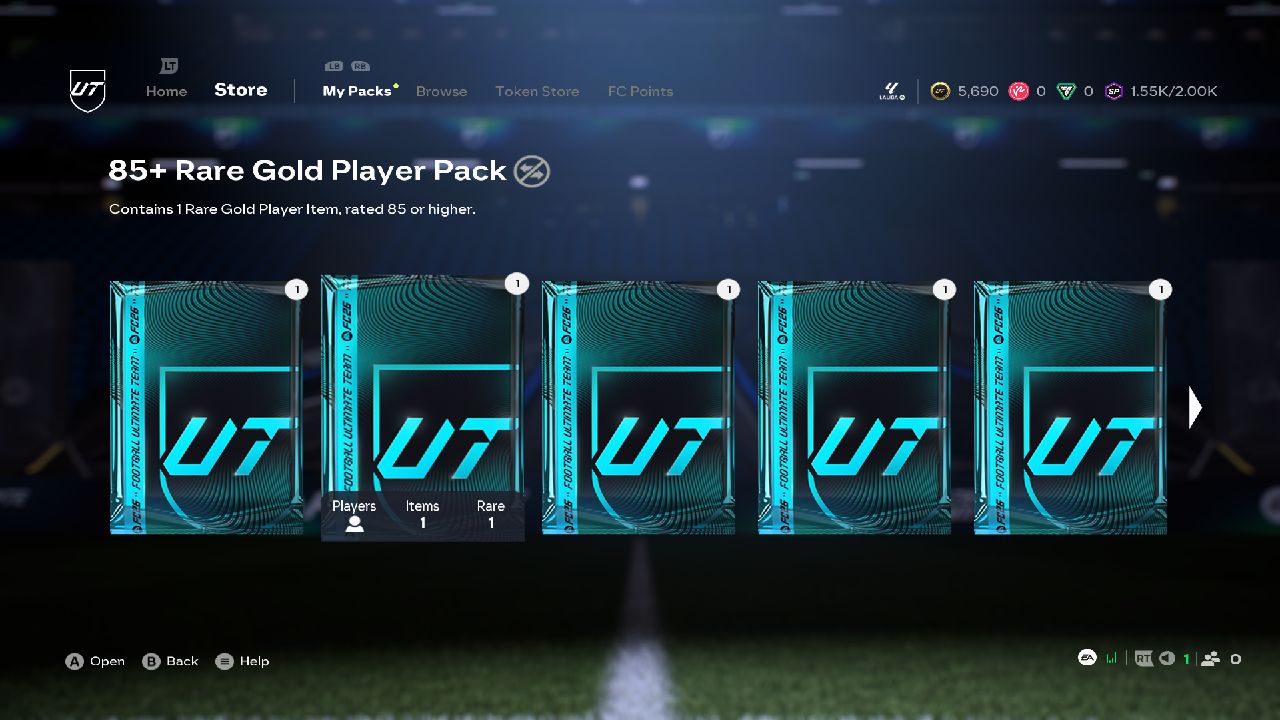
Video games seldom present a loot box as simply a random-number generator; instead, the feature is part of a broader progression system, which can make the loot box's role less clear. For example, EA Sports FC Ultimate Team has packs that contain randomized items and currently gives the probabilities for specific item categories.
Apex Legends also makes use of packs that contain randomized cosmetic items and crafting currency, even though it says that these items do not give any gameplay advantage. Other types of rewards include gacha pulls, mystery rewards, card packs, prize wheels, and treasure chests.
The way the ESRB describes items deliberately includes not just ordinary "loot boxes", since random purchases appear under a variety of names and visual designs. This variety matters: a cosmetic skin, a strong character, and a footballer for building a competitive team serve different functions.
Similarly, an item that remains permanently linked to an account differs from one that can be transferred or exchanged. This means that any valid comparison must look at what is randomized, what the players spend, and what they can actually do with the result.
The Basic Loop Has More in Common With Slots Than It First Appears
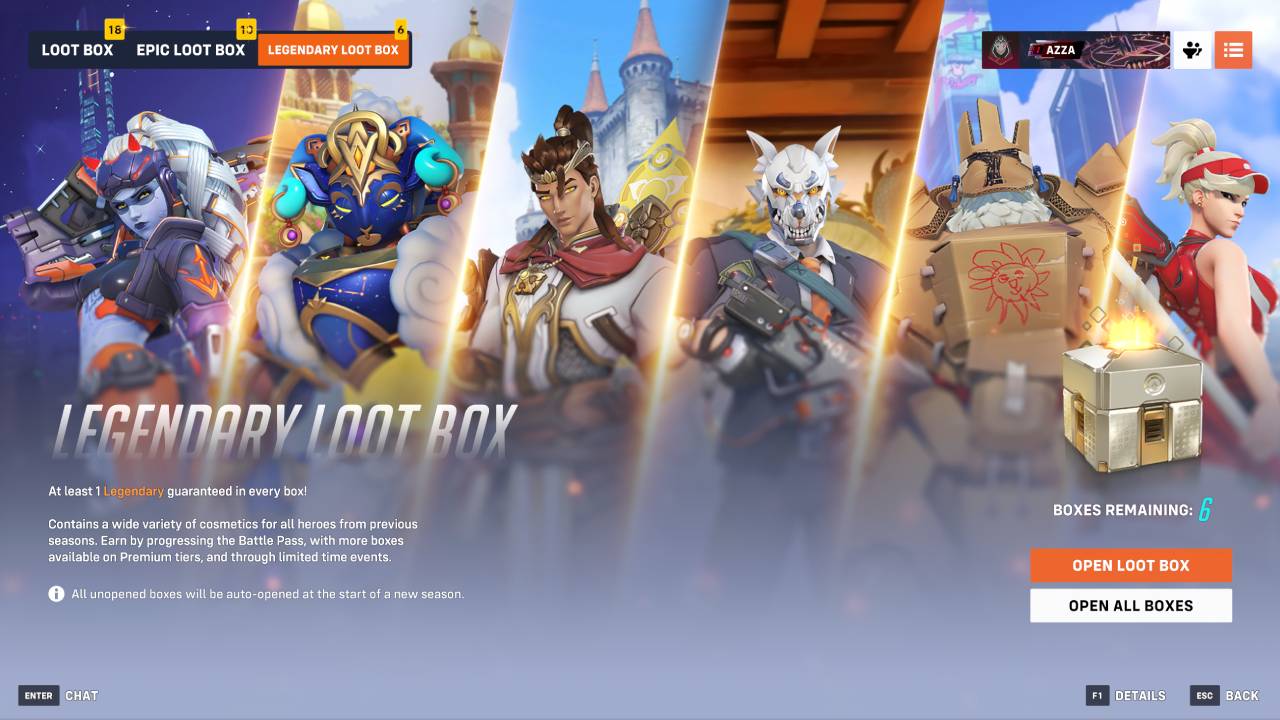
At a mechanical level, paid loot boxes and slot machines are based on the same simple idea: the player has to commit value before finding out the random result. How this is presented, however, can differ entirely. While a loot box may contain footballers, cosmetic weapons, character costumes, crafting materials, or collectible items rather than the symbols on the reels, uncertainty still lies at the heart of the transaction.
Modern games have also turned the reveal into an event, since lights, sounds, rarity colors, staged animations, and pauses before the result appears make getting an uncommon item feel very different from simply receiving an ordinary one. When this process repeats, it creates a series of separate uncertain outcomes rather than a normal purchase in which the buyer chooses a known product.
There are, nevertheless, important differences: loot-box rewards usually stay within the game, and the systems differ greatly from one title to another. In some cases, players can get boxes without paying, while in others they use in-game currency that can be bought with real money. This mix of familiar chance mechanics and video-game-specific rules creates a grey area.
The Real Gray Area is What Counts as Value
Calling the rewards in randomly operated video games gambling would erase important distinctions. In many games, random items are awarded just for completing matches, reaching higher levels, or finishing challenges. In other games, randomized items are sold for currency, which can, in turn, be bought.
Some awards are purely decorative and account-bound, while others include random content that can affect progression, team composition, or the perceived value of a collection. These differences explain the different legal treatment. In Belgium, some paid loot boxes are classified as being within the scope of gambling. In the Netherlands, however, the stance has shifted substantially since a 2022 Council of State ruling on FIFA. Later Dutch government publications make it clear that the two countries use different definitions and therefore reach different conclusions.
The disagreement shows just how unusual loot boxes are. Although the element of chance is similar to that found in conventional chance-based products, the reward can be a completely digital item whose only usefulness lies within another game. It therefore becomes just as important as the random mechanism itself to determine whether this item is a prize of recognizable value.
Disclosure Has Improved, but It Does Not Completely Resolve the Question
The industry is now in a disclosure environment different from that which existed at the beginning of the loot-box debates. Where games include purchasable randomized content, the ESRB uses an 'In-Game Purchases (Includes Random Items)' notice, and individual publishers increasingly provide probability information for specific systems. For example, EA Sports FC shows the minimum probabilities for eligible item categories in Ultimate Team packs.
The requirements and expectations are still developing. In February 2026, the UK Advertising Standards Authority issued an enforcement notice asking App Store and Google Play listings to make clear that loot boxes can be bought, rather than using a general statement about in-app purchases. Monitoring began in May 2026.
People know random items exist, but they may not fully understand the reward system. The reward pools are so large and the number of alternative outcomes so high that category percentages will not tell players the probability of getting the exact item they want. This knowledge helps, but it does not erase the transaction's structural uncertainty.
The Slot Machine Analogy Helps But isn't Enough
The treasure-chest-to-slot-machine analogy works because it focuses on the mechanics, not the graphics. In each case, the players risk some value, the payout is unpredictable, and the procedure can be repeated immediately. The similarity increases when games include dramatic reveals, rarity tiers, pools of rare resources, paid virtual currency, and repeated attempts at a given outcome.
The term "slot machine" should not be used as a shortcut that eliminates all distinctions. A digital cosmetic that is tied to an account is not the same as a monetary payment. A free reward obtained as a result of playing is not the same as a paid randomized pack. Similarly, systems that publish probabilities give players information that less transparent ones do not.
That is why the criticism of loot boxes is no wider than the claim that every randomized mechanic is identical to gambling. Video games include familiar chance-based transaction systems alongside features such as progression, competition, storytelling, and collecting.
This functional overlap makes classification difficult and is why authorities have reached different conclusions about where ordinary game design ends and a regulated chance-based activity begins.
.jpg)
The Bigger Issue is How Monetization Became Part of Game Design
Loot boxes matter because they signal a broader shift in how games make money. In the past, you could know what you were getting when you bought something. Now, games mix the initial purchase or free download with seasons, virtual currencies, cosmetic stores, battle passes, randomized packs, and a constant stream of new content.
In that model, random rewards stand out because the transaction doesn't always yield the specific item someone wants. Rather, it gives the player a chance to obtain something from a set pool. Instead of trying to work out a fixed value for one skin, character, or card, people would have to take into account the probabilities, the rules about duplicates, any guarantees, and how many attempts might theoretically be needed.
That's why the debate continues, even as individual loot-box systems change. The main point at issue is not merely whether games have copied slot machines; it is that digital games can blend entertainment systems with revenue models based on chance in a manner that no earlier product categories were ever required to deal with, so that regulators, publishers, and players have to determine where the boundaries should be.
Moderator, NoobFeed
Latest Articles
No Data.