
Gaming Hardware Crisis Deepens With Console Delays GPU Price Hikes
Console uncertainty, GPU cost inflation, and reliability concerns reshape expectations for upcoming gaming hardware generations.
Hardware by Nahe Yan on Jan 02, 2026
There are many problems in the gaming hardware industry, including delays in the release of next-generation consoles, rising component prices, and persistent GPU reliability issues. Reports indicate the pressure on the supply chain remains very high.
There are a few signals that competition is about to get stronger. Overall, things are likely to remain unstable for the time being.
.jpg)
Next-Generation Consoles May Be Delayed
Several rumors suggest that the release dates for next-generation consoles may be pushed back much farther than originally planned. Insider Gaming and, subsequently, TechPowerUp report that key console hardware vendors are discussing delaying the next generation of consoles. At first, these systems were supposed to be out between 2027 and 2028, but there hasn't been any word on a new release date.
Sources say that the talks are mostly about ongoing issues with RAM prices and availability. Because the memory crisis is projected to persist for a long time, several companies are considering delaying the release of new hardware so they don't have to sell it at a loss. If these delays occur, the next generation of consoles may not arrive until considerably later than expected.
Hardware Prices are Expected to Rise Soon
Concerns go beyond only consoles. Starting January 5 of next year, ASUS has warned its partners that prices would go up. The company told its partners in a letter that expenses were rising due to changes in upstream suppliers' capacity and the prices of DRAM, NAND, and SSD components.
Even though no specific goods were specified, the use of product combinations and configurations strongly suggests that any hardware that needs memory or storage could be compromised. This covers GPUs, ready-made PCs, and laptops. If you've been thinking about improvements, this might be one of the final times you can discover prices that are fairly consistent before they go up across the board.
GPU Prices Likely to Go Up Even More
Another rumor says that both AMD and Nvidia are intending to raise GPU prices slowly and permanently over the next few months, which adds to the pressure. Sources in the industry say that consumers will continue to pay greater prices.
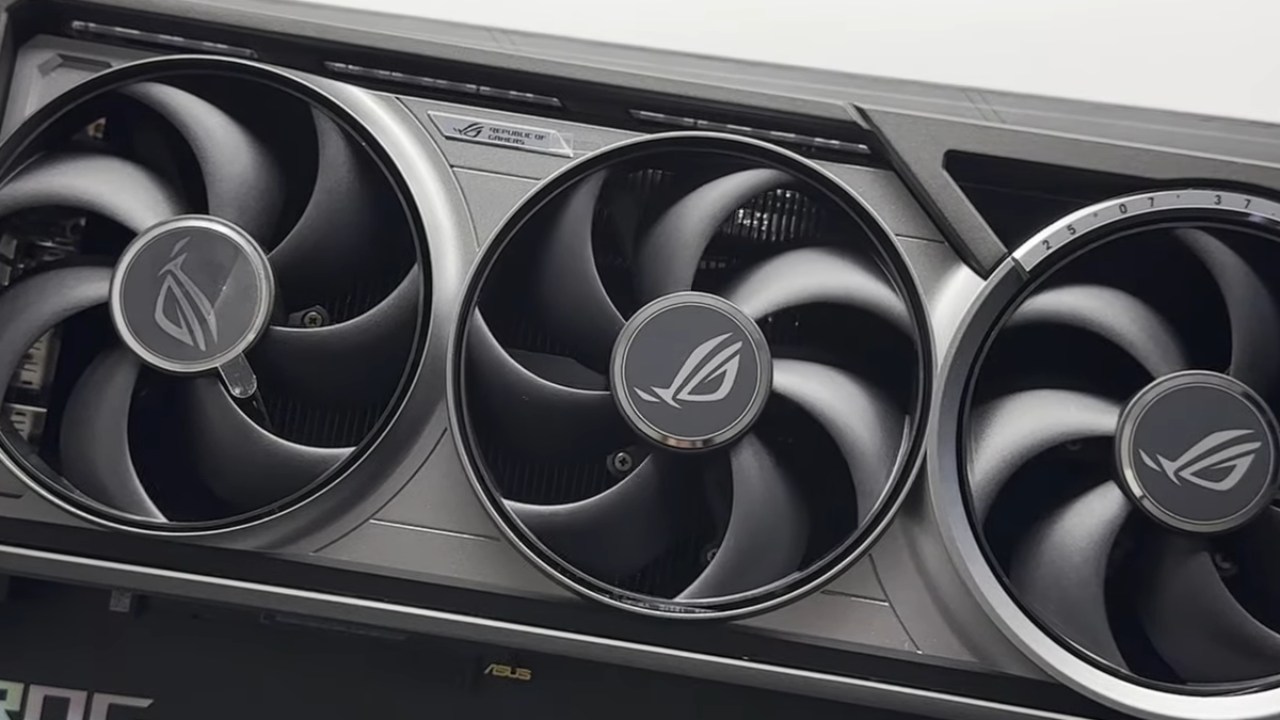
One particularly scary report is that Nvidia's RTX 5090 could cost as much as $5,000 5,000 next year. Even though prices are already over $3000, this estimate suggests that high-end GPUs may become even harder for many people to get.
Problems With 16-pin Power Connectors are Still Going On
The recurring difficulties with 16-pin16-pin power connectors have not been fixed. Sapphire Nitro Plus 9070XT, a mid-range GPU that doesn't use as much power as top-of-the-line cards, is the most recent example. The system had been working fine for about a year, but then it started crashing and showing black screens at odd times.
The problem stayed even after updating the BIOS, reinstalling the operating system, and using other common troubleshooting methods. After taking apart the whole system, it was clear that the connector was broken. This is just one more failure involving GPUs, PSUs, and cables that all use the same connector standard.
Previous promises said that better GPU designs and revised connectors would fix these problems. But complaints keep coming in, including one about a 5090 that supposedly caught fire, with visible burning going toward the AIO. These events make people wonder when the problem will be adequately dealt with on an industry-wide level.
New Companies Making GPUs
New GPU makers are emerging, which might make things harder for incumbent companies by increasing competition. One newer manufacturer has already shipped its first batch of self-made G00-series GPUs.
7G105 professional GPU has 24GB of GDDR6 with ECC support and 24 teraflops of FP32 computing. 7G106 consumer GPU is also part of the portfolio.
Another company that makes GPUs has also made quick progress in development. The MTTS series GPUs just got a driver update that adds support for Vulkan 1.3, showing that the company is still investing in software. The business said before that its new gaming GPU would be up to 15 times faster than the old one and up to 50 times better at ray tracing.
These numbers are probably based on older, slower technology. Even a small increase might make the new GPU more competitive. Ongoing driver updates show that the company is working hard to ensure everything works together and runs better.
Final Thoughts
The gaming hardware business remains unpredictable because prices keep falling, questions persist about hardware durability, and console release schedules are being pushed back. At the same time, new GPU competitors are making measurable gains. Competition could eventually force established companies to lower prices and make better products. Still, the industry is going through another tough time.
Also, check our other NVIDIA articles below:
- NVIDIA GeForce RTX 5080 Review (2025): Still A 4K Gaming Powerhouse?
- NVIDIA RTX 5070 Review: Mid-Range Muscle or Marketing Hype?
- RTX 5070 Ti Review: Performance, Thermals & Power Efficiency Tested
- ASUS GeForce RTX 5090 LC Liquid Cooled GPU Review: Unmatched Silence & Speed
- MSI GeForce RTX 5090 32GB SUPRIM SOC Review: Power Efficiency, Cooling, and Gaming Performance
- INNO3D RTX 5060 Ti 16 GB X2 Review: Gaming Benchmarks, Temps, and Power Efficiency
- HP Omen 45L Review: RTX 5090 Performance, Thermals, and Value Analysis
- ASUS TUF Gaming GeForce RTX 5060 Ti Review: DLSS 4, Power Efficiency, and Gaming
- ASUS Prime RTX 5060 Ti OC 16GB Review: DLSS 4, Ray Tracing, & Thermals Tested
- NVIDIA GeForce RTX 5060 Review: Specs, Gaming, and Cost per Frame
- MSI GeForce RTX 5090 GAMING TRIO OC Review: A Monster Power GPU
Editor, NoobFeed
Gaming Hardware Updates
No Data.