
Highguard is Bleeding Players Fast, and the Warning Signs Could Not Be Louder
After a huge launch spike, Highguard is now hovering around 1,000 concurrent Steam players, and the way it was marketed might have helped create the exact crash it could not survive.
Opinion by Mahi Araf on Feb 18, 2026
If you have been paying attention to Highguard since its big reveal, the current situation probably does not feel surprising. What once looked like a promising free-to-play hero shooter now feels like another game in the long list of live service failures.
The excitement surrounding the game at launch has faded almost completely, leaving a shrinking player base and growing uncertainty about whether the game can survive in any meaningful way. Even if Highguard does not shut down immediately, it is hard to argue that this is the experience the developers, or even Geoff Keighley, expected it to become.
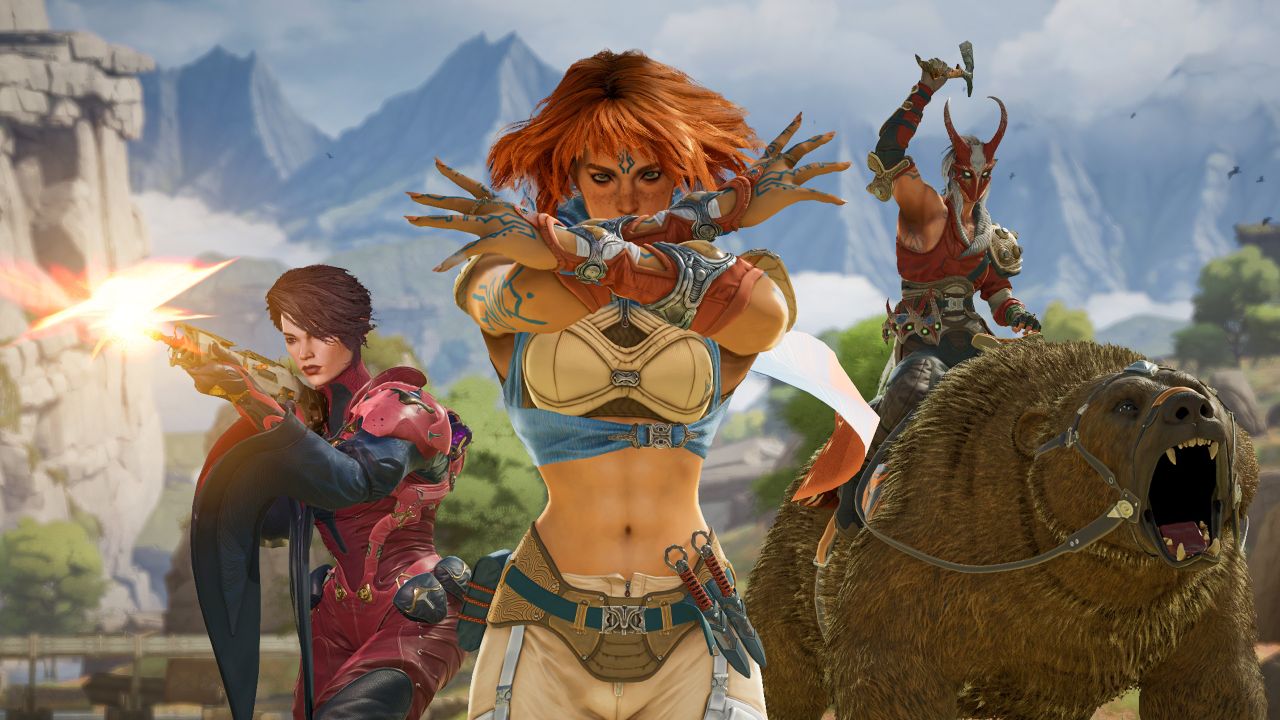
The numbers alone tell a rough story. The game peaked at around 97,249 concurrent players on Steam roughly three weeks after launch. Today, that number has dropped to about 1,000. That is a loss of nearly 98 percent of the player base in less than a month.
On top of that, the game is sitting at roughly 45 percent positive reviews on Steam, suggesting that players were not just drifting away from boredom. Many of them actively disliked what they found.
When a live-service multiplayer game like Highguard loses its audience that quickly, it usually means something went wrong at a fundamental level. This is not the kind of dip you recover from with a single update or balance patch. It points to deeper issues with how the game was designed and presented.
As always, part of the online conversation has turned to blaming players.
You have probably seen people argue that gamers were unfair, that the community judged too quickly, or that everyone should have "waited and seen" before forming opinions. That mindset shows up with almost every controversial release. But Highguard is a good example of why that argument falls apart when marketing itself is the problem.
Promotional trailers and gameplay showcases exist so you can decide whether a game looks interesting. That is their entire purpose. If those materials fail to excite you, or worse, actively turn you off, that is not your fault. You are reacting to what you were shown. If the first impression is negative, it is usually because developers and publishers failed to communicate their vision compellingly.
That brings Geoff Keighley into the discussion. Highguard’s placement at The Game Awards gave it a massive spotlight, especially since it was featured in such a prominent position. Some people believe Keighley genuinely believed in the game. Maybe he played it early, thought it had real potential, and expected it to become a breakout hit.
Others think the situation was more complicated. There is speculation that the closing slot at The Game Awards was originally meant for something bigger and that when plans changed, Highguard was moved into that position as a last-minute solution.
In that context, it makes sense. Highguard was free; it was coming soon, and it could be framed as a major announcement.
Whatever the truth is, the outcome was the same. Ending a major event with a divisive live service title was a risky move. It guaranteed attention, but not necessarily the kind of attention you want. The reveal sparked strong reactions almost immediately, many of them negative. Instead of building hype, it created controversy.
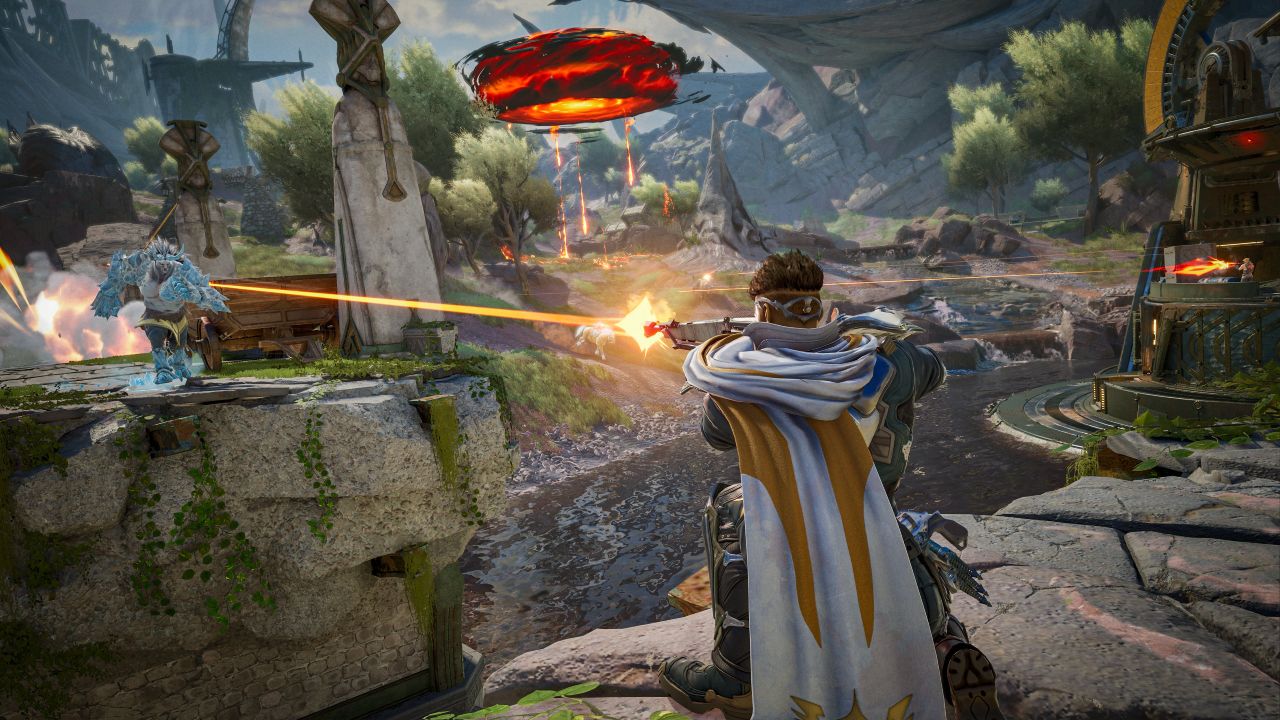
That controversy, in turn, attracted curiosity. A lot of people tried Highguard simply because they wanted to see what all the noise was about. Some of them were genuinely interested. Many others were just there to meme on it. That kind of attention can give you a huge launch spike, and Highguard definitely benefited from that. But it is not sustainable.
A temporary surge driven by curiosity is not the same as a loyal player base. When people show up expecting disappointment, they are far more likely to leave quickly. And that is exactly what happened here.
A major part of the problem was perception. From early on, Highguard was widely viewed as another cash-grab hero shooter. Whether that label was fair or not, it stuck. The art style was criticized, the tone felt generic to some players, and the overall presentation did not convince many people that this was something special.
Once that perception forms, everything becomes harder.
Even standard marketing strategies, like paying streamers to play the game, start to look suspicious. On paper, sponsored streams are normal. In practice, when people already think your game lacks authenticity, those promotions can feel forced. Instead of generating excitement, they reinforce the idea that the game is being pushed artificially.
That is why the early player numbers do not mean as much as they might seem. It is easy to point to 97,000 players and say the campaign worked. But you have to ask why those players showed up. Many of them were there for the banter or just to criticize the game.
If you try a game mainly to see how bad it is, you won't stick around. You are not going to buy cosmetics. You are not going to recommend it to friends. You are not going to become part of the community.
And again, that is not a failure on your part as a player.
You are allowed to dislike a game’s style. You are allowed to decide that something is not for you based on a trailer. That is how entertainment works. Developers cannot expect you to ignore your instincts and invest time just to be polite.
If a studio is upset that people judged the game early, the uncomfortable truth is that the studio helped shape that judgment. The way Highguard was presented created expectations and reactions that were largely predictable.
There is also a bigger industry context that makes this situation feel familiar.
Many live service games releasing today were approved years ago, during a period when publishers were obsessed with recurring revenue. Around 2021 and 2022, the idea of endless monetization was incredibly appealing. Instead of relying on one big launch, companies wanted games that could generate income for years through battle passes, skins, and seasonal content.
From a business perspective, it made sense. A successful live service game can earn far more over time than a traditional single-player release. But that thinking led to a flood of similar projects, all competing for the same limited resource: your time.
A live service game does not just want you to play it. It wants you to commit to it. It wants to become part of your routine. Most people can only manage one or two games like that at once. Maybe you are invested in Final Fantasy XIV. Maybe you play Call of Duty regularly. Maybe Battlefield or ARC Raiders takes up your multiplayer time.
Whatever your preferences are, there is a limit.
The market, however, does not seem to respect that limit. Dozens of live service games are released or announced each year, all of which require long-term engagement. The result is predictable. Many of them fail quickly. Others get canceled before launch. A few survive. Very few thrive.
Highguard is part of that pattern. So were other projects that never made it to release. So was Concord. So are several upcoming titles that already face skepticism. Some people point to Helldivers 2 as proof that the model can work. And they are right. It can work. But Helldivers 2 succeeded because it felt authentic to its developers and offered something enjoyable.
The real concern for many players is what this obsession with live service does to creative teams. When a studio spends five or six years on a multiplayer project that fails, that is five or six years they did not spend making something else. Franchises get delayed. Sequels disappear. Talented developers get stuck maintaining games that never reach their potential.
That is why people get frustrated. It is not just about one bad game. It is about opportunity cost. It is about what could have been made instead.
To be fair, not every upcoming live service title looks doomed. Some will attract attention at launch. Marathon, for example, will likely generate strong initial interest, even if its long-term future is uncertain. 4: LOOP has also caught some eyes as at least looking competent. There is still room for good projects in this space.
The difference is that you can often tell which games will struggle with perception. Highguard never really escaped the idea that it was generic and monetization-focused. That reputation followed it from day one.
Now the situation looks even worse. Recently, the Highguard website went offline, displaying a message saying the site is unavailable and directing users to contact [email protected]. That might be temporary, but combined with the collapsing player numbers, it feels ominous.
Some fans still argue that a small, dedicated community is enough to keep a game alive. In rare cases, that is true. But scale matters. Matchmaking, queue times, content updates, and server costs all depend on having a stable audience. Around 1,000 concurrent players on Steam is not a strong foundation for a long-term multiplayer service.
Even if console numbers are higher, the trend is clearly downward. Once momentum is lost to this degree, rebuilding is extremely difficult.
Highguard’s story offers several lessons. Marketing matters more than many studios want to admit. First impressions are powerful and often permanent. Live service success is not guaranteed just because the business model is popular. And most importantly, players will not commit to games that feel designed primarily to extract money.
As of right now, Highguard is still alive. However, it is obviously on life support. It is difficult to picture a route to recovery because the drop-off has struck them like a wrecking ball. Above all, it serves as yet another reminder that while attention is easy to obtain, trust is far more difficult to earn.
Senior Editor, NoobFeed
Latest Articles
No Data.