
Lenovo Legion Go 2 Review: Performance Benchmarks, OLED Display, and Handheld Gaming Insights
A detailed overview of the Legion Go 2 examining design upgrades, OLED improvements, and the impact of the Z2 Extreme processor
Hardware by Tanisha Aria on Nov 17, 2025
In the past few years, there have been a lot of amazing changes in the handheld game market. Companies continue to push the limits by creating products with high-end displays, powerful performance, and premium features. The Lenovo Legion Go 2 is the newest laptop in this line.
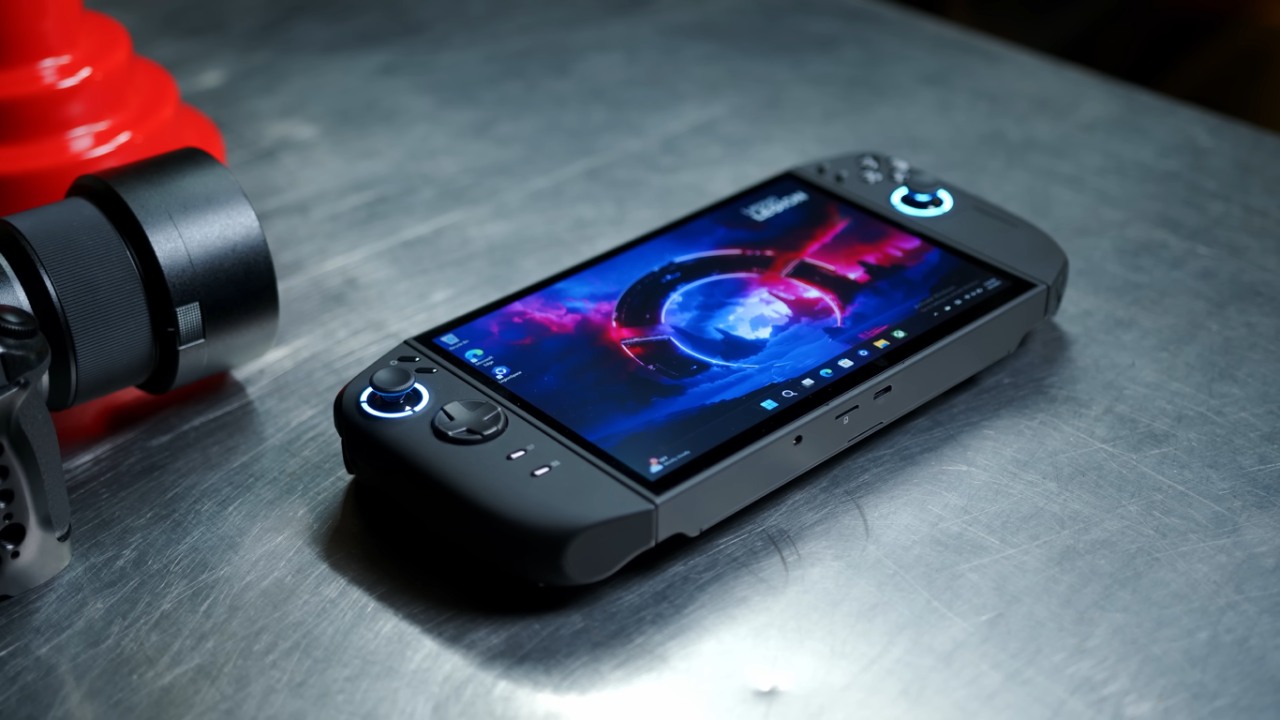
It has a Ryzen Z2 Extreme processor, an 8.8-inch 144Hz OLED screen with a variable refresh rate, 32GB of unified RAM, and controllers that can be taken off. The hardware is definitely impressive, but at $1,350, it's a niche product that will only appeal to serious gamers who are willing to spend a lot of money on a portable PC.
The Evolution of Lenovo Handhelds
Lenovo has come a long way with its handheld gaming gadgets. The first Lenovo Legion Go featured a large, high-quality screen and AMD technology, making it easy to connect to other devices. Because the controllers could be taken off, it could be used as both a game tablet and a small handheld device.
The Legion Go S built on this by having great handling, one of the best LCD screens on the market, and Steam OS already installed, making it feel like a Steam Deck 2.
Even though the controllers couldn't be taken off, the device was still the best for handheld games because it was comfortable and worked well.
Lenovo has made some changes for the better in the Legion Go 2. Although it's larger and heavier, the device offers improved performance, a superior OLED screen, and the option to use detachable controllers, allowing it to be utilized in various game setups.
The price, on the other hand, is too high for many people because these changes are costly.
Hardware and Design
The Legion Go 2 is crafted from high-quality materials and boasts a large 8.8-inch OLED screen, which is slightly larger than the Switch 2 and Steam Deck, but smaller than the original Legion Go. At a 1920x1200 resolution, the screen boasts bright colors, deep blacks, and excellent sharpness.
The previous Legion Go had a resolution that was higher than QHD. Still, this one is just right for most current games without putting too much strain on the hardware.
The controllers can be detached and used independently, providing more options for gaming on a flat surface. The controllers are solid, featuring smooth thumbsticks, responsive triggers, and a D-pad that works well in all four directions.
The device also features various performance modes and TDP settings that can be adjusted. This allows you to adjust the power usage and fan speed for optimal performance.
There are big changes to the sound, with better speakers that fire in the same direction as the fan but produce clearer sound.
One drawback is that the headphone jack is located at the bottom, which makes it difficult to use the device in clamshell mode. Although it's larger and heavier, the Legion Go 2 remains physically comfortable for extended gaming sessions.
The Software and User Experience
The Legion Go 2 comes with the full Windows desktop right out of the box. An update for the Xbox Full Screen Experience is planned for the spring of 2026. This update will make the game's interface better by getting rid of unnecessary steps and making it easier for controllers to work with the system.
For now, users can use the touchscreen to move around in Windows. The Legion Space app lets you change settings on the handheld, update its firmware, and control games. The app is helpful, but it has some problems, like a store that doesn't work right and fan curve changes that are hard to make.
One cool feature is that you can change how VRAM is allocated in the BIOS. The device comes with 2GB of dedicated VRAM, but increasing it to 8GB doesn't significantly improve speed.
This suggests that the system manages VRAM on the fly, based on the needs of the games. I set all ga es to 8GB VRAM so that benchmarking and speed tests would be the same.
Gaming Performance
Benchmarks for the Legion Go 2 show that it is very close to the Xbox ROG Ally X in terms of performance, and in some tests, it even does slightly better.
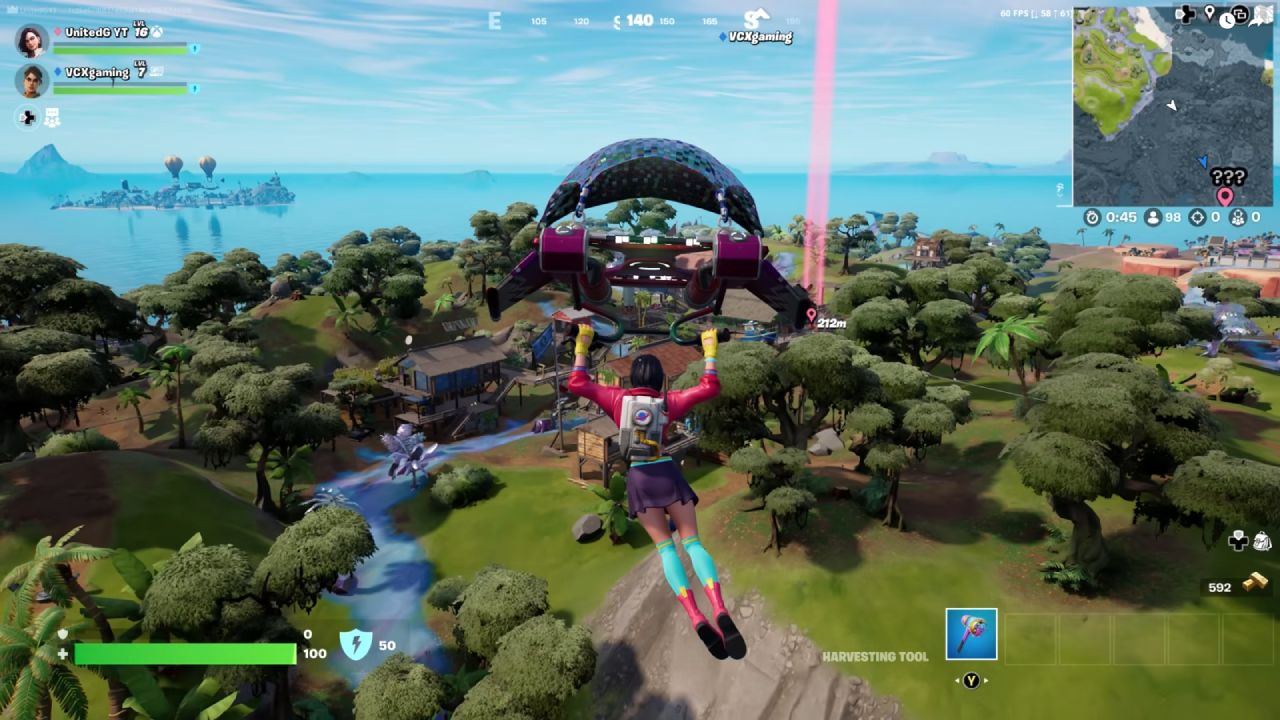
On low settings, Cyberpunk2077 runs at 49 frames per second, Resident Evil 4 at 54 frames per second, Fortnite at over 100 frames per second with VRR, and Arc Aiders at 60 to 70 frames per second. Other games, like Marvel Rivals and Ball Xpit, also run smoothly, though most current AAA games don't use all of the 144Hz features of the screen.
The battery life is a problem because it drops noticeably at full power, which means that for longer portable games, you might need to use modes with balanced performance. Although it boasts great speed, it remains efficient enough for most mid-tier games on balanced settings.
The Value Considerations
When compared to other Lenovo models and competitors, the Legion Go 2's biggest flaw is its price. Although it features older technology, the original Legion G is still a good choice, and you can often find it on sale for $500 to $700.
The Legion Go 2 boasts the best tech, including an OLED screen and detachable controllers, which make it more flexible. However, at $1,350, it's primarily intended for gamers with a substantial budget.
For $1,000, the Xbox All X has a lighter form and a full-screen display right out of the box, but its screen and RAM aren't quite as good as those of the Legion Go 2. It comes down to personal preference: the Xbox All X's simpler software and cheaper price versus the LG G2's OLED screen, more RAM, and detachable controllers.
Final Thoughts
The Lenovo Legion Go 2 might be the best handheld PC game hardware on the market because it has powerful performance, an OLED screen, and controllers that can be used in different ways.
But the software's problems and high price make it hard to recommend to most people. If you want the latest display technology and the best hardware performance, the Legion Go 2 is a great device, but you'll have to pay a little more for it.
But for most gamers, older Legion Go models or other handhelds that compete with it may be a better deal in terms of price and speed, while still letting them play games on the go.
Also, check our other Handheld articles :
- ASUS ROG Ally X Handheld Review: Double the Battery, Double the Comfort
- Nintendo Switch 2 Vs. Original Switch 1: A Full Comparison
- How To Connect A Camera And Join Voice Chat With Nintendo Switch 2
- Nintendo Switch 2 Review: Handheld Performance, Features & Value Breakdown
- ROG Xbox Ally X Vs. ROG Ally X: Display, Battery & Controls
- ASUS ROG Ally X vs. Steam Deck OLED: Display, Battery & Gaming Benchmarks
- MSI Claw 8 AI+ Review: Display, Controls & Gaming
- Nintendo Switch 2 vs. Steam Deck OLED: Gaming, Performance, Battery, Display and Value
- NVIDIA GeForce Now on Steam Deck: Battery Life, Gameplay, Streaming
Contributor, NoobFeed
Gaming Hardware Updates
No Data.