
Lenovo Legion Go 2 vs. Xbox Ally X: Ultimate Handheld Display Comparison in 2025
The Lenovo Legion Go 2 OLED screen delivers richer colors and higher brightness compared to the Xbox Ally X IPS panel.
Hardware by Tanisha Aria on Nov 01, 2025
The quality of the screen and ease of carrying are now the most important factors in handheld PC gaming. The Xbox Ally X and the Lenovo Legion Go 2 are two of the best flagship devices on the market right now.
Both are striving to deliver the best performance possible in a handheld form factor, but they approach it in different ways, particularly in terms of display technology and overall immersion.
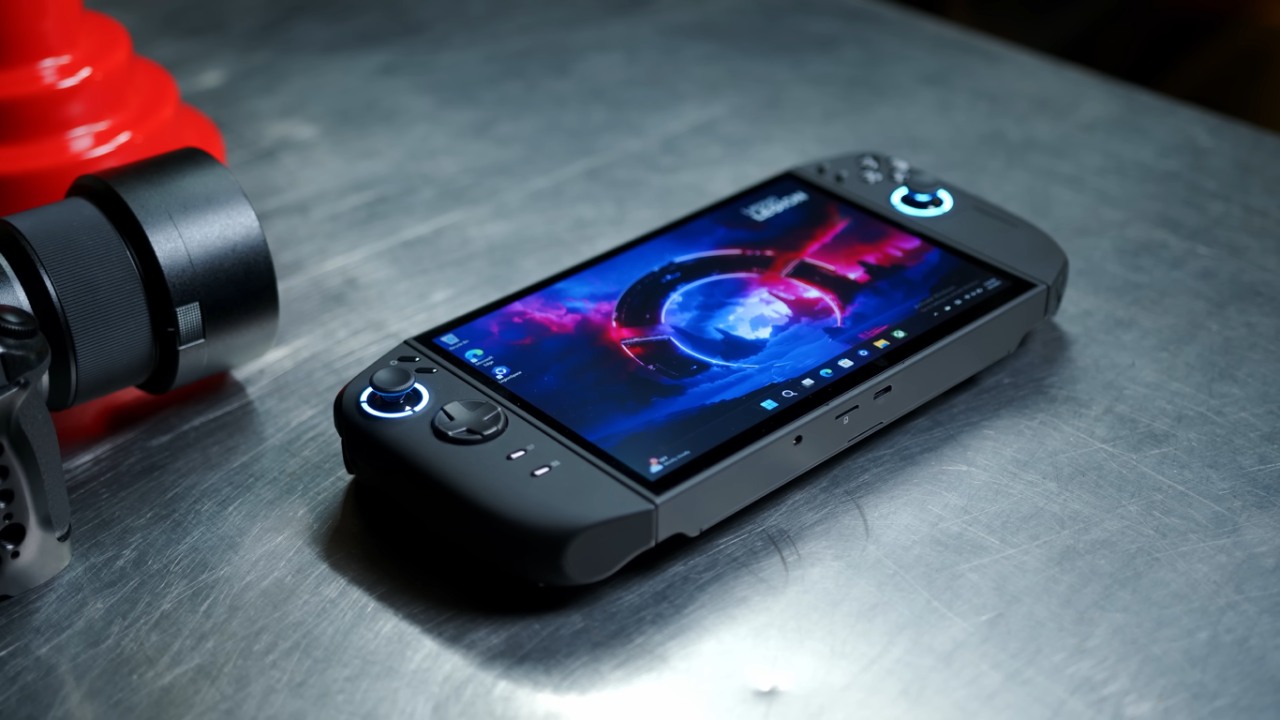
The Lenovo Legion Go 2 costs about $350 more than the Xbox Series X in the US. That difference may seem significant, but it comes with real benefits, the most notable of which is its 8.8-inch OLED screen.
The OLED panel not only shows colors more accurately, but it also has a refresh rate of 120Hz and variable refresh (VR) rates that can be set between 30Hz and 144Hz. It has HDR True Black 1000 certification, a peak brightness of 1100 nits, and full DCI-P3 color gamut coverage, which makes it a much more immersive experience.
The Xbox Ally X, on the other hand, has a 7-inch 16x9 1080p IPS panel with a refresh rate of 120Hz and VR that ranges from 48Hz to 120Hz. It also has a peak brightness of 500nits.
It is still a great display for the price, but it can't match the Legion Go 2's color depth, HDR performance, or contrast levels. The difference on paper is clear, but the real difference comes out when you play games with these specs.
Screen Size and Portability
The size of the screen is one of the first things you notice that differs when using these devices. At first, the Xbox Ally X's 7-inch screen appears fine, especially for gamers accustomed to smaller handheld consoles, such as the Game Boy. But after a long time of playing, smaller text and details in the game that are far away can hurt your eyes.
We found that the optimal size for handheld gaming screens is approximately 8 inches in diameter. The Legion Go 2's 8.8-inch screen strikes a perfect balance, providing more screen space without making the device too heavy.
You can tell right away that the comfort and visual clarity are different, especially in games that need quick reactions or attention to detail, like shooters.
Design of the Bezel and Aspect Ratios
Aspect ratio is another important thing that affects how things look. The Legion Go 2 has a 16:10 aspect ratio, but the Xbox Series X has a 16:9 aspect ratio. At first, 16:10 may seem too square compared to the cinematic 16:9 aspect ratio, but having more vertical screen space makes the game more immersive and the interface easier to read.
The design of the bezel is also important. The OLED panel on the Legion Go 2 makes the screen and device frame appear almost identical, which enhances the game's immersive look.
The Xbox Ally X works, but the bezels are thicker, which makes the screen look smaller. Side-by-side comparisons demonstrate how display design significantly impacts the overall experience, even if the difference isn't immediately apparent.
.jpg)
Color Accuracy and HDR Performance
The Legion Go 2 does a great job with colors. The screen features 100% DCI-P3 color gamut coverage and OLED technology, which makes games appear bright and have deep contrast. Games like Ratchet & Clank and Star Wars Squadrons showcase the OLED panel's depth and brightness in a significant way.
The IPS display on the Xbox Ally X, on the other hand, looks flatter and less dynamic. Colors may appear dull, and shadows and highlights may lack depth and dimension.
The OLED's peak brightness and HDR performance make details stand out without overexposing or clipping, but the LCD panel renders the image flat, especially in scenes with high contrast.
Viewing Angles and VR Performance
OLED technology also provides better viewing angles, ensuring the screen remains true to color even when viewed from the side. When you play games on a handheld device, you usually have a direct line of sight. However, when you share the screen on a couch or while traveling, OLED's wider viewing consistency can be helpful.
The Legion Go 2 also excels with VRR, which OLED panels may not perform as well with. ariable refresh rates work perfectly, with no flicker, so the game runs smoothly even when things get tough.
This mix of OLED and VRR is a big step forward for handheld devices. It makes them stand out from the Xbox Series X, which puts more emphasis on VRR stability than OLED benefits.
.jpg)
Making a Choice Between the Devices
Ultimately, your priorities and budget will determine which one you should buy: the Xbox Series X or the Lenovo Legion Go 2. If you already have an Xbox Series X, getting the Legion Go 2 will make a significant difference in the quality of the display, colors, and screen size. However, it costs more and is less portable because it is bigger.
The Xbox Ally X is still a great handheld gaming device for new players or people on a tight budget. It has great performance and is easy to carry around. The 7-inch IPS screen isn't as bright as an OLED screen, but it can still deliver an immersive gaming experience.
The Legion Go 2, on the other hand, feels more like a laptop. It has an 8.8-inch OLED screen, supports HDR, and has a wider color range, which makes for a great experience.
The extra RAM also makes it easier to do more than one thing at once and lets demanding games run more smoothly. This experience does, however, come with a price and makes it harder to use a handheld device.
Ultimately, it all depends on whether the extra money is worth it for the screen, color quality, and overall visual experience. For those who want the best, the Legion Go 2 offers the ultimate handheld experience.
The Xbox Ally X is still a great choice for gamers who want a device that is easy to carry and costs less. Both are strong candidates, and each has its own strengths that will appeal to different kinds of gamers.
Also, check our other Handheld articles below :
- ASUS ROG Ally X Handheld Review: Double the Battery, Double the Comfort
- Nintendo Switch 2 Vs. Original Switch 1: A Full Comparison
- How To Connect A Camera And Join Voice Chat With Nintendo Switch 2
- Nintendo Switch 2 Review: Handheld Performance, Features & Value Breakdown
- ROG Xbox Ally X Vs. ROG Ally X: Display, Battery & Controls
- ASUS ROG Ally X vs. Steam Deck OLED: Display, Battery & Gaming Benchmarks
- MSI Claw 8 AI+ Review: Display, Controls & Gaming
- Nintendo Switch 2 vs. Steam Deck OLED: Gaming, Performance, Battery, Display and Value
- PlayStation Portal Review: Remote Play, Cloud Streaming & Travel Gaming
- PlayStation Portal vs. Lenovo Legion Go: Best Portable Gameplay
- Cyberpunk 2077 Patch 2.3 FPS Test on MSI Claw 8 AI+
Contributor, NoobFeed
Gaming Hardware Updates
No Data.