
PS5 Price Hike Explained: Why Gaming Is Becoming More Expensive
Industry wide price increases in consoles, games, and subscriptions reflect deeper structural changes in production and demand.
Hardware by Nahe Yan on Apr 03, 2026
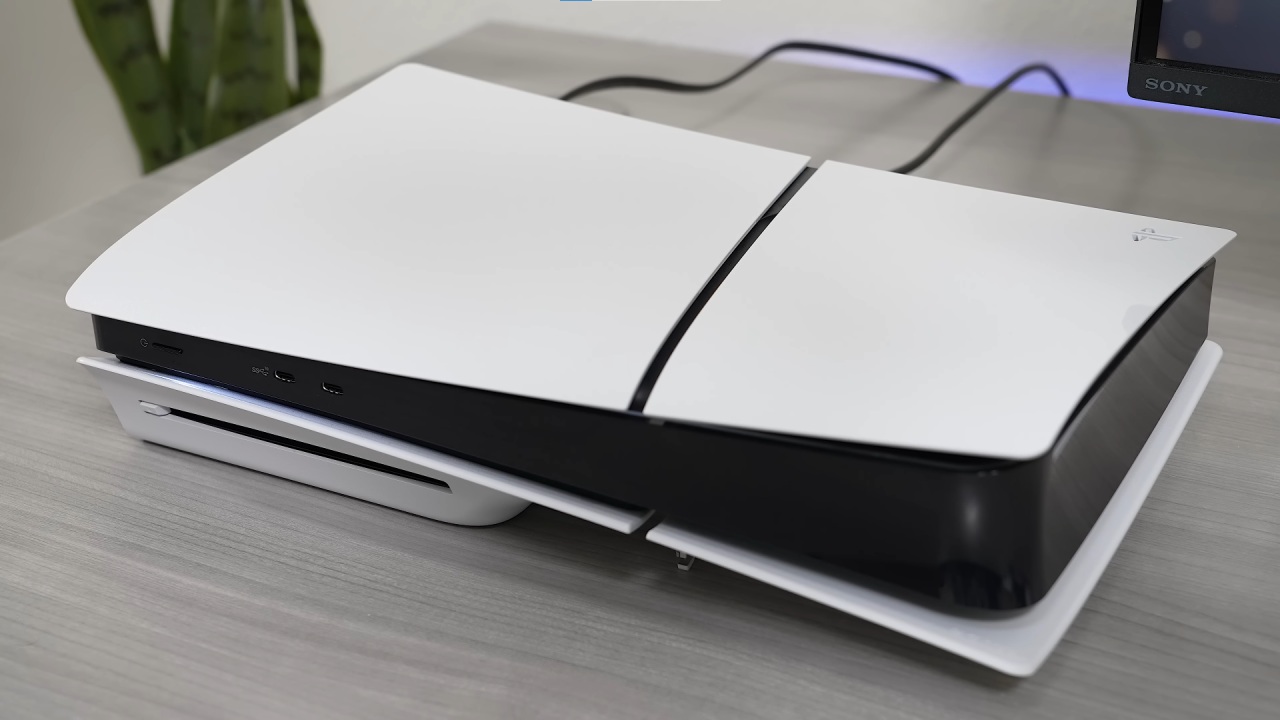
It is now official. The price of the PS5 is going up again. As of today, Sony is charging at least $100 extra for the PlayStation 5. PS5 with a disc drive costs $650 today. PS5 Pro, which came out a little over a year ago for $700, is now $900. PS5 Digital Edition cost $400 when it launched in 2020, but now it costs $600. That's a 50% rise for a console that is five and a half years old.
This situation seems familiar. Last year, Microsoft raised Xbox prices twice. Nintendo hiked the price of the first Switch after the Switch 2 had already been on sale. Switch 2 will likely see its price rise soon due to the RAM shortage. Games are not safe either. Game Pass costs twice as much today as it did before. Prices for games, which stayed at $60 for almost 20 years, are going up to $70 and $80.
.jpg)
A Break from What Has Happened Before
In earlier generations of consoles, prices went down over time. People who bought early paid full price, while others waited for models that were on sale. The price of the PS1 went from $300 to $100. The PS3 started at $600 but later dropped to $200. This design has been around for decades.
Now, instead of cutting prices, every platform is raising them. The original Xbox went from $527 to $247 by the end of its life, when inflation is taken into account. Xbox 360 went down in price in a similar way, from $636 to $288. Some newer systems also indicated a drop.
PlayStation's prices were higher at first, but they went down over time. Prices for the PS1, PS2, and PS3 all dropped significantly. In the end, the PS4's price also went down. PS5, on the other hand, goes in the opposite direction. Prices for the PS5 have risen to $600, $650, and $900 since it launched in 2020.
Historically, Nintendo systems followed a similar pattern, beginning at a cost between $350 and $450 (adjusted for inflation) and then getting cheaper. There's little chance the Switch 2 will follow that path anytime soon.
The Cost of Gaming is Going up
When we look at the data, we can see a definite trend. It costs more to play games. Circana says that in early 2022, 40% of people who bought gaming hardware had earnings of more than $100,000. That number went up to 53% by the end of 2025. The average price of gaming hardware went up from $247 in 2019 to $452 last year. This change shows that gaming is becoming a high-end activity.
The Business Model for Consoles
In the past, consoles were sold for less than it cost to make them. The goal was to create an ecosystem where businesses could make money through games, subscriptions, and add-ons. Hardware was the way in.
This is like a system where the initial cost is modest, but money comes in over time. Companies were more interested in long-term relationships than making money right away from hardware.
But that model is starting to alter. Companies now know that customers are willing to pay more up front. Because of this, costs keep going up.
What the RAM Crisis and Tariffs Did
There are many factors affecting gaming. One of the biggest causes is the RAM problem. AI data centers are using up a lot of memory, leaving insufficient memory for consumer devices. There are only a few businesses that make most of the RAM, and they focus on markets where they make the most money.
Tariffs have also raised prices. Consoles have to pay higher charges, while PCs and phones are less affected. These things were mostly to blame for earlier price hikes, and the shortage of RAM has made things worse.
Costs of Making Games Are Going Up
Not just hardware is getting more expensive. The costs of making games have risen significantly. It can cost between $200 million and $300 million to make a AAA game. It now takes 5 to 6 years to complete a development cycle.
A game makes money when it is successful. It leads to layoffs when it doesn't work. This makes it harder to come up with new ideas and leads to more sequels. Prices go up, and new ways to make money are added to cover costs.
The Changing World of Gaming
People are also changing the way they play games. Mobile gaming generates significant revenue, but many free-to-play games rely on ads and small in-app purchases.
If you can't afford a $650 console, your other option might not be as good. Gaming also has to compete with other forms of entertainment, such as streaming services and short-form content.
According to reports, the number of people playing games rose during the pandemic but has since dropped back to pre-pandemic levels. This means that some people are no longer interested in gaming.
Decisions on Prices and Supply Limits
From a business perspective, organizations face supply problems. If there aren't as many parts available, they can either make them harder to get or raise prices to cut down on demand.
In this case, raising prices can stop shortages and reduce scalping. If prices stay low, stores may run out of stock, and resale markets may charge more. But even if these choices are based on supply problems, they also make more money.
What Happens When Prices Go Down
The RAM crisis will end. Supply will improve, and production costs may go down. The concern is whether prices will go back to where they were before. In the past, prices fell as production became more efficient. But if people keep paying more, businesses might not have a reason to lower prices.
The Importance of Competition
In the past, competition has prevented prices from rising. In the past, high launch prices hurt the market; corporations had to change. Lower-priced options put pressure on the whole sector.
That pressure is less now. Xbox is changing its strategy, Nintendo operates in a different industry, and Sony has a solid market position. There is less of a need to cut expenses when there isn't direct competition selling equivalent goods at lower prices.
Final Thoughts
Gaming hardware, software, and services are all getting more expensive right now. There are still a lot of games to play, but it's getting harder to get to them.
If prices keep going up, fewer people might join the ecosystem. If costs remain the same but prices stay high, the market may shift even more toward higher-income households.
We don't know if prices will go down or stay the same. The outcome relies on how quickly supply recovers, how much competition there is, and how consumers act.
Also, check our other hardware articles:
- AMD Ryzen 9 9950X3D Review: Setting The Standard For 2025 Gaming CPU
- Amazon Luna 2025 Review: Is Prime Gaming's Cloud Service Your Go-To For Casual Fun?
- AMD RX 9070 XT Review: AMD's RDNA 4 Champion for 1440p Gaming
- GeForce Now Ultimate: Ditching Your Gaming PC For Cloud RTX 4080 Power?
- NVIDIA GeForce RTX 5080 Review (2025): Still A 4K Gaming Powerhouse?
- Intel Core Ultra 9 285K Review And Performance Breakdown (2025)
- AMD Ryzen 7 9800X3D Review: 3D V-Cache Goes God Mode with Stunning Gaming Performance
- Intel Core Ultra 9 285K vs AMD Ryzen 7 9800X3D: In-Depth Gaming Performance and Benchmark Comparison
- NVIDIA GeForce RTX 5080 Super Performance In Cyberpunk 2077: Path Tracing & DLSS 4.0 Tested
- AMD Radeon RX 9070 XT In Cyberpunk 2077: Ray Tracing & FSR 4.0 Tested
- Intel Arc B580 Review: The $250 GPU Revolutionizing 1440p Gaming
- Intel Arc B570 Vs. B580: Value, Specs, And Real-World Gaming Performance
- RTX 5090 Laptop Vs. M4 Max MacBook Pro: Ultimate Raw Performance Vs. Battery Endurance
- Intel Arc b580 Vs. RTX 4060: Game Performance And Value Analysis
- RTX5090 Hell Is Us Demo 4K Ultra Benchmark: DLSS Vs. Native Performance Guide
- NVIDIA RTX 5070 Review: Mid-Range Muscle or Marketing Hype?
- Nintendo Switch 2 Review: Handheld Performance, Features & Value Breakdown
- RTX 5070 Ti Review: Performance, Thermals & Power Efficiency Tested
- Samsung Odyssey OLED G81SF Review 2025: Ultimate 32-Inch QD-OLED Gaming Monitor
- AMD RX 9070 Performance Review: Thermals, Clocks, and Real-World FPS
- AMD Ryzen 5 7600 Review: Best Budget Gaming CPU of 2025?
- AMD Radeon RX 7800 XT Review: RDNA 3 Power For Midrange Gaming
- Asus ROG RTX 5090 Astral OC Vs. Founders Edition: The 4K Gaming Benchmark
Editor, NoobFeed
Gaming Hardware Updates
No Data.