
RTX 5070 Two-Fan vs. Three-Fan Comparison: Performance, Noise, and Power Usage
RTX 5070 two-fan and three-fan GPUs maintain stable thermals and consistent performance under heavy gaming workloads.
Hardware by Shinji Okazaki on Jan 14, 2026
Is it worth spending more on a three-fan version of the RTX 5070, or should you get a two-fan version that costs less? MSI Ventus2X OC is the two-fan variant, while the ASUS Prime OC is the three-fan model that the comparison looks at.
Also, the cards are about the same thickness and height, and they also have a 2.5-slot design. The only difference is that one is longer. This type of GPU usually has a three-fan card that is around 67mm longer.
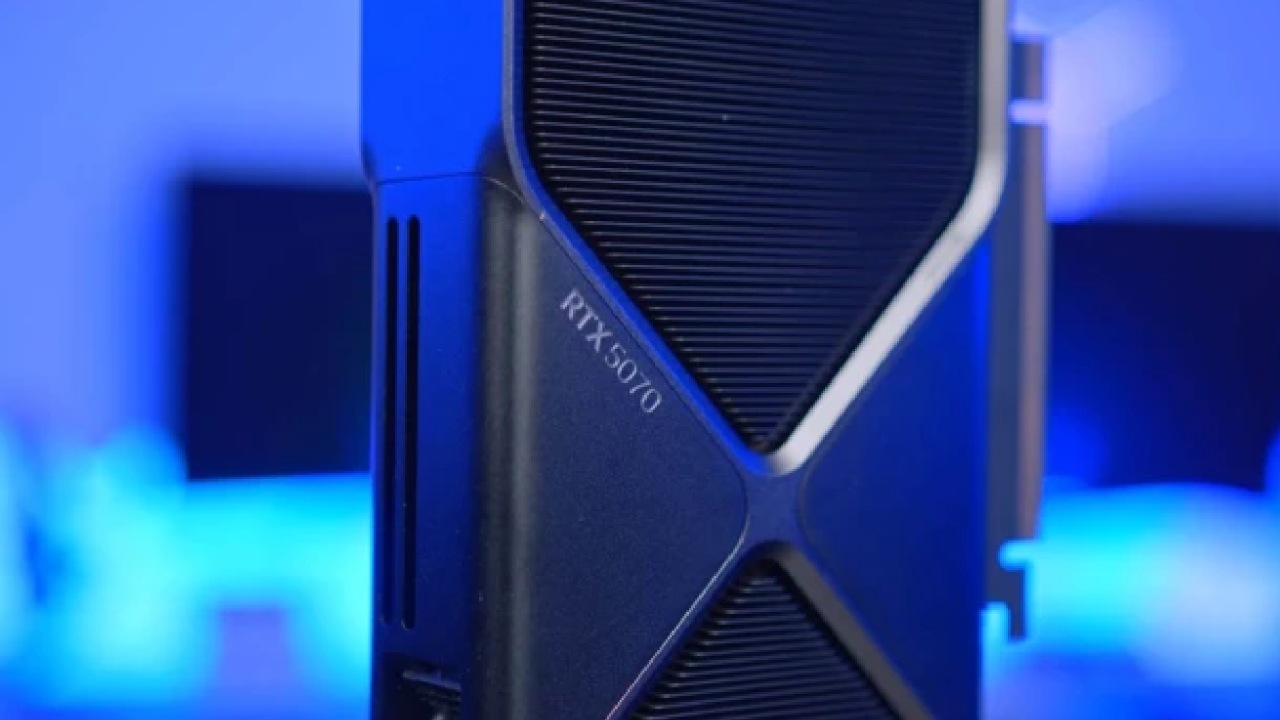
Design and Setup of the Physical
Both GPUs have the same height and have the same slot thickness. The only difference that stands out is the length. ASUS Prime OC has three fans, while MSI Ventus2X OC has two. Various RTX 5070 models may have slightly different sizes, but these are the specifications you can usually expect.
Thermal and Gaming Load Behavior
We used Cyberpunk 2077 with ray tracing enabled at native 1440p to see how it performed in the real world. This is the worst possible situation for gaming.
When the ASUS Prime OC is in performance mode, the GPU reaches about 2767 MHz. The temperature stays about 63°C, while the VRM hotspot stays below 70°C. The room temperature was just below 22°C. The fans run at half speed, about 1430 RPM. The normal power use of a GPU is roughly 220W; it can drop to 210W when DLSS is set to quality mode.
The noise level is about 39–40dB, which is still pleasant for most people to use with speakers. When you go to quiet mode, the fan speed drops to 38%, the GPU temperature rises to about 70°C, and the noise level drops by 1–2dB. The clock speeds remain close to 2760 MHz, and there is no noticeable drop in performance.
Two-Fan GPU Behavior
MSI Ventus2X OC only has one fan mode. When playing games under the same settings, power consumption reaches 250W, which is higher than that of the three-fan model. The GPU temperature hovers around 70°C, and the core clock speed is roughly 2780 MHz. The fan speed is above 1800 RPM, which is about 50% of the maximum fan curve.
The noise levels are 3–4dB greater than the ASUS Prime OC's quiet mode and around 2dB higher than its performance mode. When you actually use it, the difference is clear but not annoying, even with the PC close by and the speakers on.
Comparing Performance
ASUS Prime OC runs Kingdom Come: Deliverance 2 at 83 fps in both performance and quiet settings. There is no noticeable change in performance when you switch modes.
In the same situation, the MSI Ventus2X OC also gets 83 fps. The two-fan card doesn't perform any better, even if it uses more power.
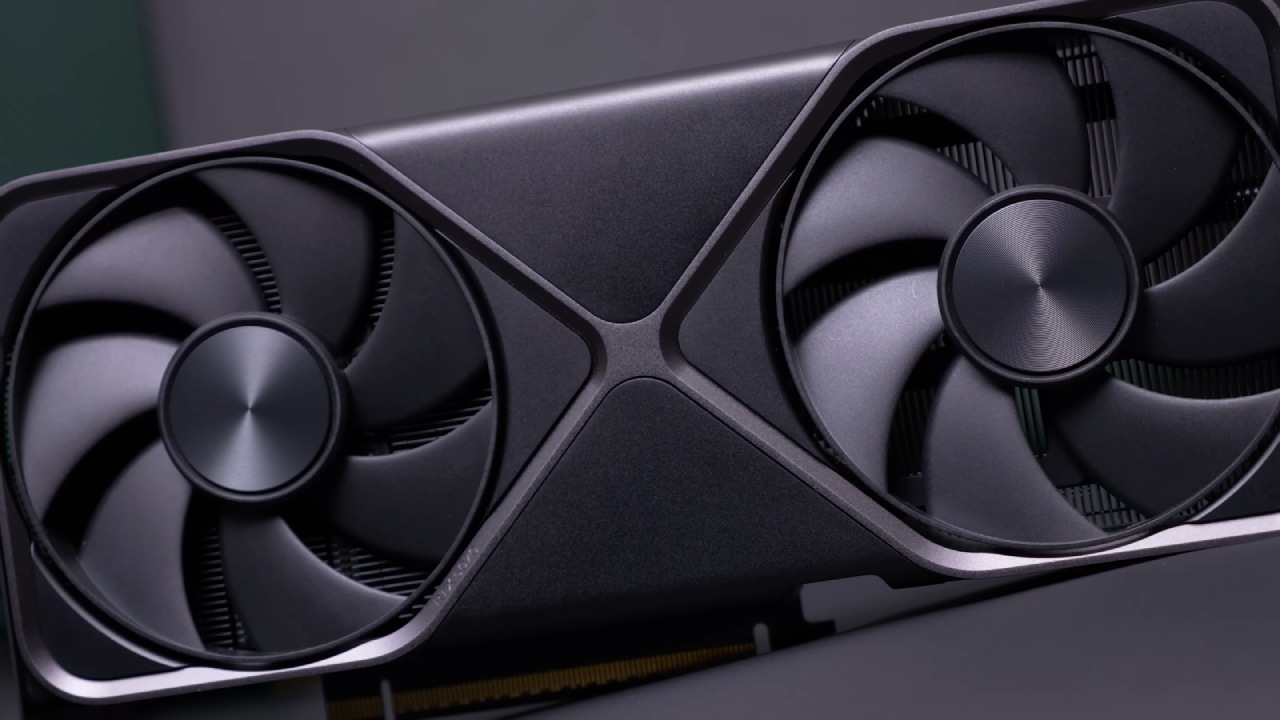
Differences in Power Use
Both GPUs can handle 250W. ASUS Prime OC, on the other hand, always operates at 220W–230W, while the MSI Ventus2X OC can reach 250W. It's not obvious why this distinction exists. Silicon variance or factory tuning could be to blame, although both cards meet their rated specs.
Final Thoughts
A two-fan RTX 5070 provides ample cooling, makes the same amount of noise, and plays the same games as a three-fan model for most people. If reducing noise output is important to you, it only makes sense to spend more on a three-fan version.
MSI Ventus2X OC works well for ordinary tasks, but it does require a little more power. Both methods give the same frame rates; the choice is mostly based on how much noise you like rather than how well they work.
Also, check our other AMD articles below:
- AMD Ryzen 9 9950X3D Review: Setting The Standard For 2025 Gaming CPU
- AMD Ryzen 7 9800X3D Review: 3D V-Cache Goes God Mode with Stunning Gaming Performance
- AMD RX 9070 Performance Review: Thermals, Clocks, and Real-World FPS
- AMD Ryzen 5 7600 Review: Best Budget Gaming CPU of 2025?
- AMD Radeon RX 7800 XT Review: RDNA 3 Power For Midrange Gaming
- Sapphire NITRO+ AMD Radeon RX 9070 XT Review: The Ultimate 4K Gaming GPU
- AMD Ryzen 7 7800X3D: Delivers Gaming Performance Far Beyond Expectations
- AMD Ryzen 9 7900X Review: Powering the AM5 Era with DDR5 & PCIe 5.0
- Intel Core i9‑14900K vs. AMD Ryzen 7 7800X3D: Power Profiles & Gaming Benchmarks
Editor, NoobFeed
Gaming Hardware Updates
No Data.