
Sony Doubles Down on its Digital PlayStation Future Despite Growing Backlash
As concerns about game ownership, pricing, physical media and the future of the console continue to grow, Sony appears to be intent on pushing PlayStation further toward an all-digital model.
PlayStation by Tahmid Mahi on Aug 10, 2026
Sony’s future plans for PlayStation, especially its move further away from physical games, have faced growing criticism. The company has been shifting increasingly to digital sales, and recent comments indicate it has no plans to reverse that strategy.
Digital games already make up a big part of PlayStation’s business, but the thought of physical releases becoming much rarer has made some players nervous. They still want to be able to own games on disks. Physical copies also give players more flexibility, including the ability to resell, trade, or collect their games.
The debate is mostly about where PlayStation appears to be going, not where it is right now.
Digital games are already very common, but physical copies still provide players with another way to buy, share, resell and collect their games. If Sony ever removes that option, PlayStation could become far more reliant on its own digital storefront. er of options available to consumers.
Recent comments from Sony executives provide further insight into the company’s position. Sony’s CFO said on an investor call that the company does not see a big business impact from the push to digital, because the vast majority of content sales are already digital. From Sony's perspective, that makes the transition appear less risky.
The difference lies in how those digital sales figures are interpreted. Digital purchases may already represent the majority of PlayStation's overall game revenue, but those numbers also include products that never had physical versions in the first place.
Microtransactions, downloadable content, free-to-play purchases, and many smaller games all contribute to digital revenue. Looking only at the overall percentage therefore does not necessarily show how players are purchasing major releases that traditionally receive both physical and digital versions.
For larger games, physical copies can still represent a meaningful portion of sales. Traditionally, most major PlayStation releases have been released through retailers, allowing players to pick up a disk from shops instead of being restricted to the PlayStation Store. Physical copies also create a secondary market where games can be resold or bought at cheaper prices.
That has become one of the most significant concerns surrounding Sony's strategy.
If games are sold exclusively through the PlayStation Store, Sony effectively becomes the primary marketplace for digital purchases on its console. Currently, PlayStation does not face the same kind of competition between retailers that PCs do, which have various digital storefronts for players to choose from.
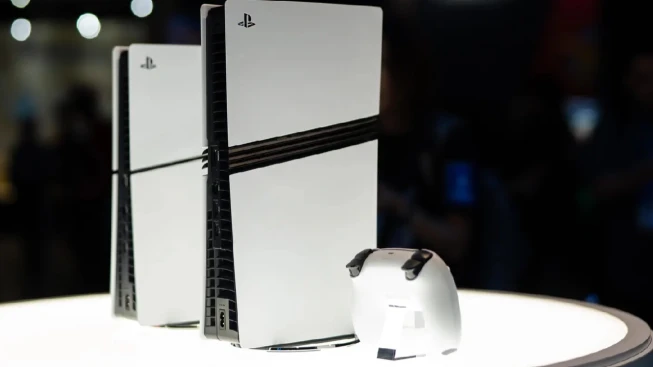
This is especially important, as digital games do not have the same kind of ownership as physical products. Typically, when you purchase a digital game, you are not purchasing a physical product that you can resell or transfer in the same way, but rather are buying access under a license.
Sony also faces legal pressure in several markets over its digital business practices. Consumer groups have voiced concern about the company’s dominance of the PlayStation market and whether its control of digital game sales amounts to anti-competitive behavior.
One major case in the Netherlands has sought significant damages, while similar concerns have appeared in other countries. The growing focus on physical media could add another layer to those disputes because the retail market has traditionally provided an alternative to buying directly through Sony.
Physical retailers also have a role in keeping prices competitive. A store such as GameStop, Walmart, or Best Buy can choose to sell a game for less than the suggested price to attract customers. If those retailers no longer have physical versions to sell, that competitive pressure becomes much harder to maintain for console games.
Sony, however, appears confident that the transition will not significantly hurt its business.
Some of that confidence is based on the company’s latest financial results, which showed overall profits growing and a huge jump in operating income in the gaming division. With PlayStation performing strongly, Sony has little immediate financial reason to abandon a strategy that is already generating strong digital revenue.
The timing of this strategy has also made the discussion more complicated because Sony is looking beyond the current PlayStation generation. The company is expected to continue evolving its hardware and services over the coming years, and the next generation of PlayStation hardware is likely to arrive in a market that is even more comfortable with digital purchases.
That does not mean physical games are immediately disappearing. PlayStation consoles with disc drives are still available, and physical releases continue to exist. The concern is that the industry appears to be moving toward a point where physical copies become less common and eventually disappear from major releases.
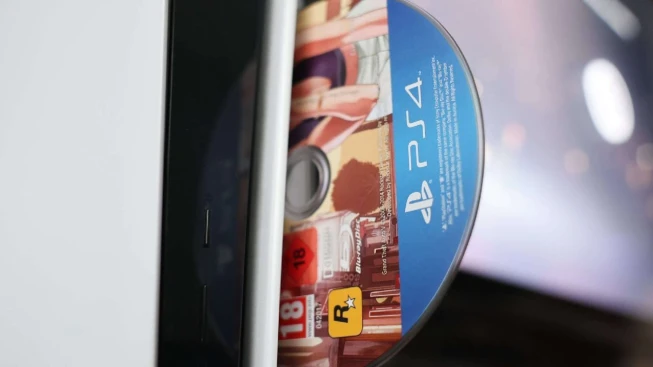
There is also a practical issue with an increasingly digital future: game sizes continue to grow. Modern AAA releases can require enormous amounts of storage, forcing players to regularly manage their installed games or purchase additional storage.
Physical discs do not completely solve this problem because many modern games still require large downloads and updates, but they can provide another way to distribute and preserve the base software. In a fully digital future reliable internet access and sufficient storage would be even more important.
Sony's strategy is not happening in isolation, either.
Other major publishers and platform holders have also been exploring ways to reduce their reliance on physical media. The difference is that Sony's position carries particular weight because PlayStation remains one of the largest console gaming platforms in the world. A major shift from Sony could encourage other companies to accelerate similar plans.
The company is also reportedly exploring additional ways to increase revenue from PlayStation, including the possibility of introducing more advertising. Sony has experimented with advertising on its platforms before, but previous attempts have faced backlash from users.
More advertising in the PlayStation ecosystem would be yet another potential revenue stream for the company aside from game sales, subscriptions, and microtransactions. This could give Sony another way to monetize the platform while reducing its reliance on traditional game sales.
But for players, it is this combination of alterations that is worrying in the current circumstance.
If PlayStation becomes more digital, it could mean fewer physical releases, a greater dependence on the PlayStation Store, fewer opportunities to comparison shop for games and possibly more advertising across the platform.
That’s not to say physical games will vanish in the blink of an eye, but it does imply that Sony believes the long-term benefits of the transition outweigh the criticism of today. The company's strong financial performance only reinforces that position.
For now, the biggest question surrounding Sony is not whether digital gaming will continue growing, because that is already happening. The real issue is how much of the traditional console ecosystem Sony is willing to leave behind as it moves toward a digital future.
Physical games still provide consumers with choice, resale options, and an alternative to a single digital storefront. If Sony continues down its current path, the way players buy and own PlayStation games could look very different over the next few years.
Editor, NoobFeed
Latest Articles
No Data.