
Global PC Shipments Drop 4% in Q2 2026 as Memory Crisis Deepens
Global PC shipments fell 4% in Q2 2026, ending nearly two years of consecutive quarterly growth across the industry.
Hardware by Shinji Okazaki on Aug 07, 2026
In the second quarter of 2026, shipments of PCs around the world fell by 4%. This was the first drop in the market in about two years. IDC now predicts a 11.3% drop for the whole year, with a possible 20% drop in Q4 alone. The reason is a well-known one: the demand for memory from AI data centers is driving up the prices of DRAM and NAND.
We thought it was interesting that this drop happened at this time, since there had been warnings about component costs for a long time before the Q2 numbers confirmed a downturn. At events earlier this year, people in the business talked about stress, but that stress was mostly in the enthusiast market and not in mainstream retail.
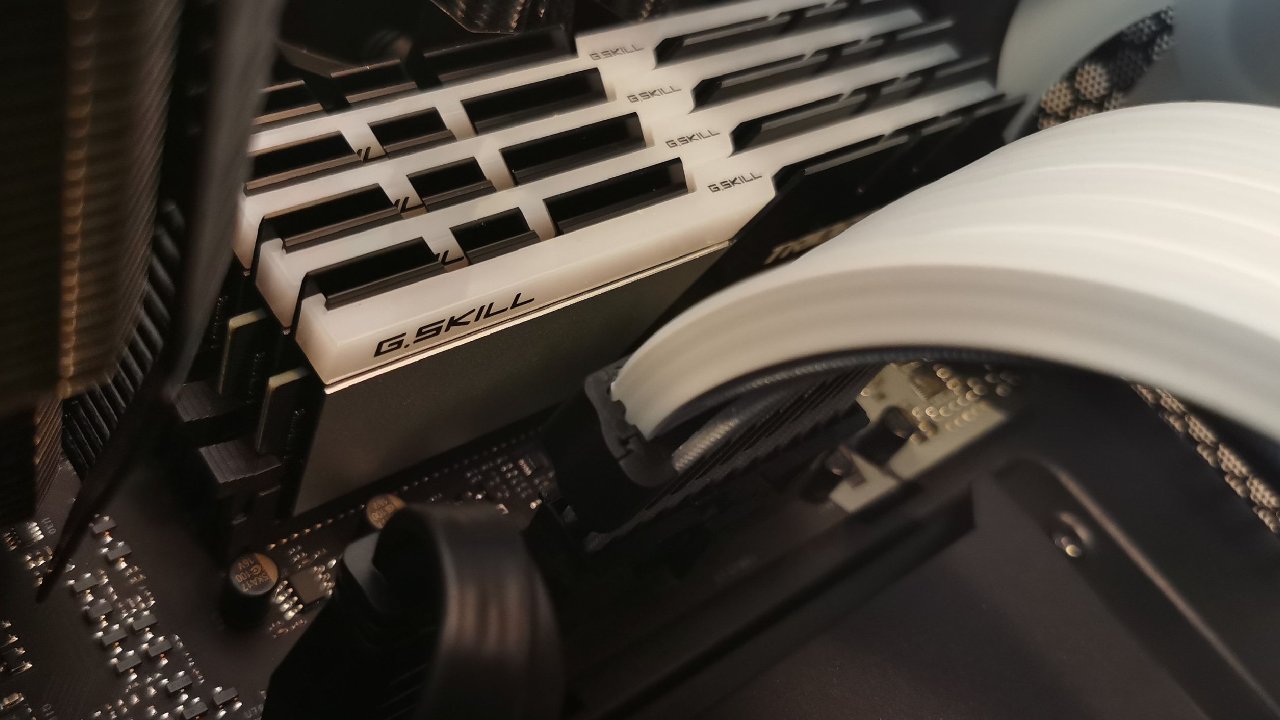
Why Decline Took This Long
That kind of forward buying can mask the effect of rising component costs for a while, but it does not remove the cost. Once you work through pre-purchased stock and existing agreements, the underlying price pressure shows up in the numbers, which is largely what happened heading into this quarter.
Decisions to pre-purchase inventory made sense at the time they were made, since no one had visibility into price increases of this scale. Looking back, it is easy to treat that caution as overly conservative, but the reasoning behind it held up given what was knowable at the time.
Behind the memory shortage sits a larger question about where AI spending is actually landing, and a tracking site built around exactly that question, covering spending and revenue estimates for frontier AI companies as of July 2026, offers a useful view into it. Total industry revenue sits at $769 billion, a number that sounds substantial until you compare it against total industry spending, which is higher.
Where the AI Spending is Going
Scrolling through the site's breakdown of gains and losses shows where that gap widens and where it starts to close. Amazon's position on the spending side stood out to us, since its outlay currently exceeds Microsoft's, which was not the outcome we expected going in.
A billion dollars in AI spending from a single company barely registers as a visible bar on the chart, which says something about the scale everyone else is operating at. Component suppliers make up most of the list on the profit side.
Amazon alone shows a loss in the tens of billions, and once you scroll to compare that against the profit column, the gap between what companies are spending and what they are earning back becomes clear. Even a profit figure in the range of $8 billion to $9 billion, which sounds significant on its own, looks small next to NVIDIA's reported $288 billion.
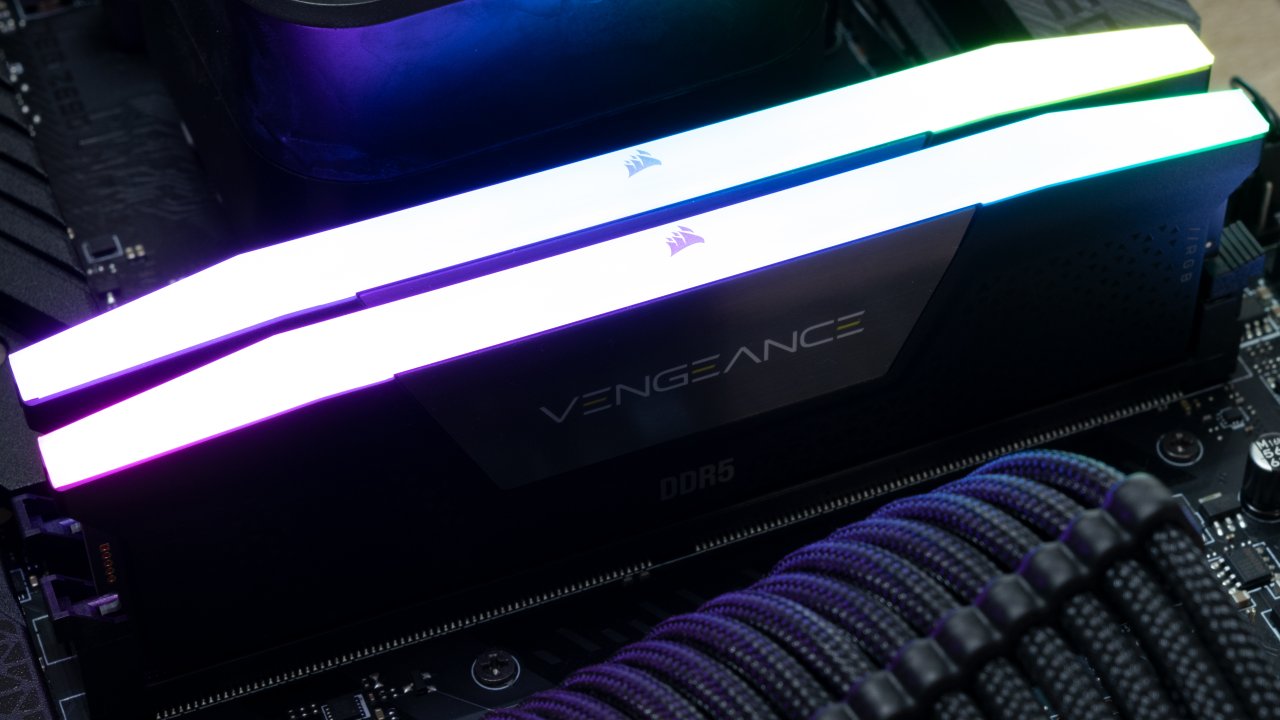
A spending tracker shows total AI industry revenue reaching $769.
The site has a disclaimer that should be read again: the AI economy is circular in ways that make it hard to get a single number. Google helps pay for Anthropic, which runs on Google Cloud. Amazon also gives money to Anthropic, and Microsoft invests with OpenAI.
Some income is counted more than once in the industry totals because of these kinds of relationships. This is an ongoing, independent effort and not a formal audit. Because the numbers are clear, they can help you figure out what's going on in the market, even if you don't take the exact totals as final numbers.
When you put the picture together, it leads you right back to the package numbers. A lot of memory and storage parts are being used in AI infrastructure, which is making it hard for other people to get what they need. The spending data that backs up this demand shows that the industry is still figuring out if the investment is worth it.
Editor, NoobFeed
Gaming Hardware Updates
No Data.