
NVIDIA vs. AMD GPUs 2026: Which Offers Better Value?
Memory prices, AI demand, and software updates are reshaping GPU buying decisions across every major graphics card segment.
Hardware by Naheyan Tahmin on Aug 07, 2026
There has been another change in the GPU market, but it's not because of a new wave of graphics cards. Instead, upgrades are driven by price, software improvements, memory costs, and demand for AI. Nvidia and AMD are still the market leaders in GPUs, but new companies are trying to get in.
Because of this, performance alone is not enough to decide whether to upgrade now or wait. There is no official news about a new wave of GeForce GPUs coming out in 2026. Instead, Nvidia has been working on software updates for the RTX 50 series to improve them.
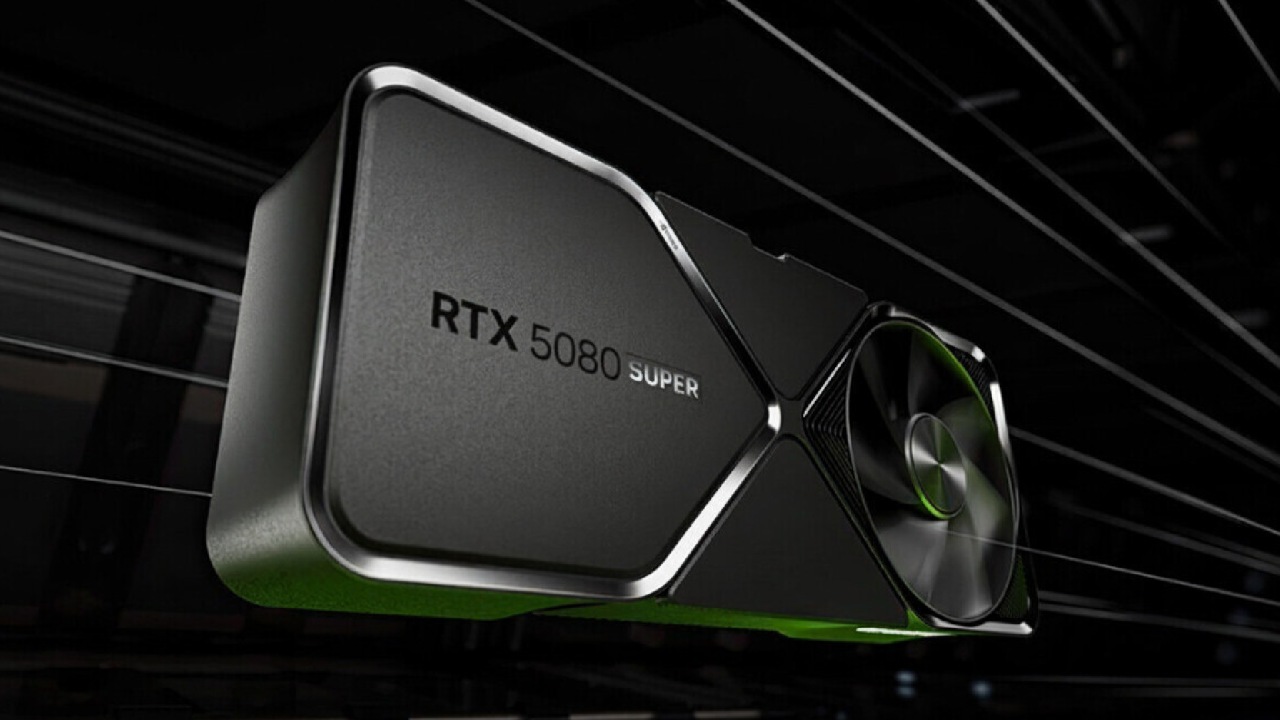
More than 400 games and apps now support DLSS 4.5, which uses its second-generation transformer model. People who own an RTX 50 series card also get Dynamic Multi-Frame Generation, which includes a 6x mode that can make five extra frames for every traditionally rendered frame.
RTX 50 Super Refresh Rumors Face Memory Challenges
Even tho that sounds great, frame generation doesn't improve native rendering speed; it just makes things smoother. It can improve the look of a path-traced game, but it can't fix a low base frame rate. Generated frame numbers are still not as important as native GPU performance.
Reports suggest that an RTX 50 Super refresh could be delayed because of expensive GDDR7 memory. Nvidia has confirmed nothing, but current RTX 50 graphics cards are already selling above MSRP in many markets. That means pricing remains a concern even without a completely new GPU generation.
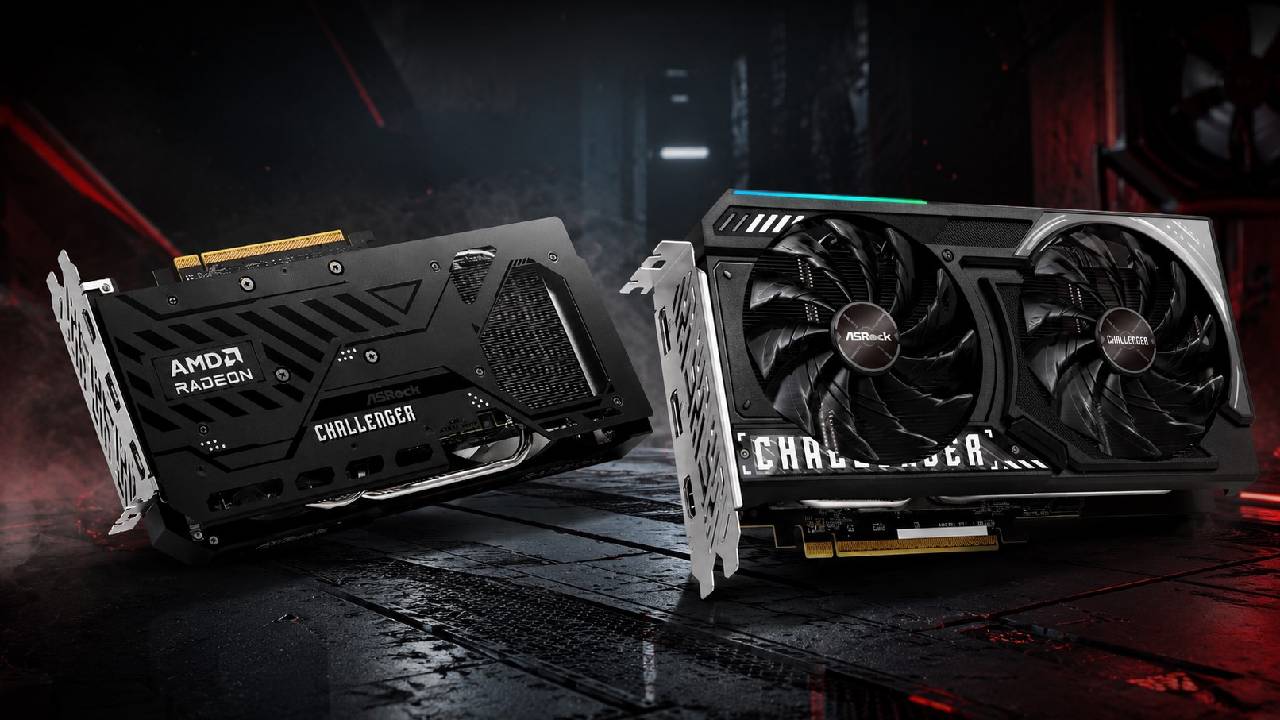
AMD's newest gaming graphics card is the Radeon RX 9070 GRE, priced around $549. The card targets 1440p gaming with 12GB of GDDR6 memory and a 220W power rating. In traditional raster performance, it can outperform the RTX 5060 Ti 16GB, but it generally trails the RTX 5070.
The challenge is that the RX 9070 GRE comes with less VRAM and a narrower memory bus than the standard RX 9070. If the price difference between the two models is small, the GRE becomes more difficult to recommend. Its performance remains competitive, but pricing will determine whether it offers good value.
A New GPU Competitor Enters the Market
The GPU market may soon have another competitor. Lisuan Tech recently introduced its gaming graphics card, the LX 7G100. On paper, the specifications are competitive. It features 12GB of GDDR6 memory, a 192-bit memory bus, PCIe 4.0 x16 connectivity, 192 texture mapping units, 96 render output units, and a 225W TDP.
The hardware is not the biggest concern. Early testing showed the card could run modern games, but driver optimization and software compatibility still lag behind AMD and Nvidia. At launch, the graphics card was priced around $485, making it difficult to recommend against more established alternatives.
Lisuan Tech has since introduced a standard version of the LX 7G100 at a lower price of around $297. That represents roughly an 18% price reduction compared to the original launch model. Even so, the buying decision is not straightforward. Around the $400 price range, buyers can already find proven graphics cards from AMD and Nvidia with stronger drivers, better stability, and a more mature software ecosystem.
Even if Lisuan Tech is not the best choice today, additional competition in the GPU market could still benefit buyers. More manufacturers entering the market could increase competition and eventually put downward pressure on graphics card prices. The AI market is also influencing future GPU pricing.
Competition, memory shortages, and AI hardware demand are changing.
Nvidia's Rubin platform is expected later in 2026, while AMD continues investing heavily in AI hardware. Although these are not gaming graphics cards, they rely on many of the same manufacturing resources. Higher demand for memory and production capacity could increase manufacturing costs, which may eventually push gaming GPU prices even higher.
If your current graphics card still performs well, we recommend avoiding an upgrade based solely on frame generation. Instead, it makes more sense to wait for improvements in native performance, VRAM capacity, or power efficiency. Look for a GPU with at least 12GB of VRAM if you want to play games in 1440p.
Also, instead of just using MSRP, you should compare actual retail prices and look at game-specific benchmarks before you buy. For now, Nvidia is still the safer high-end choice. When its prices are competitive, AMD still provides a good deal. Intel is still the budget wild card, but Lisuan Tech is a fun new competitor that needs to work on its software and driver environment before it can be recommended by most people.
Editor, NoobFeed
Gaming Hardware Updates
No Data.