
Steam Machine 1080p 30fps Target Raises Price Value Concerns Against PS5 Pro PSSR 2 Performance
Native 1080p 30 fps verification target highlights hardware limitations compared with modern consoles delivering higher resolution and frame rate outputs.
Hardware by Shinji Okazaki on Mar 13, 2026
People are still talking about gaming, specifically the rumored Steam Machine and how it will stack up against current consoles like the PS5 and PS5 Pro. Early reports on confirmed performance goals have raised questions about the value of price-to-performance, especially given an estimated launch price of $700 or more.
Reports say that the Steam Machine's confirmed specifications aim for native 1080p at 30 fps. That criterion is worrying because a system that comes out years after the existing consoles should have better basic performance.
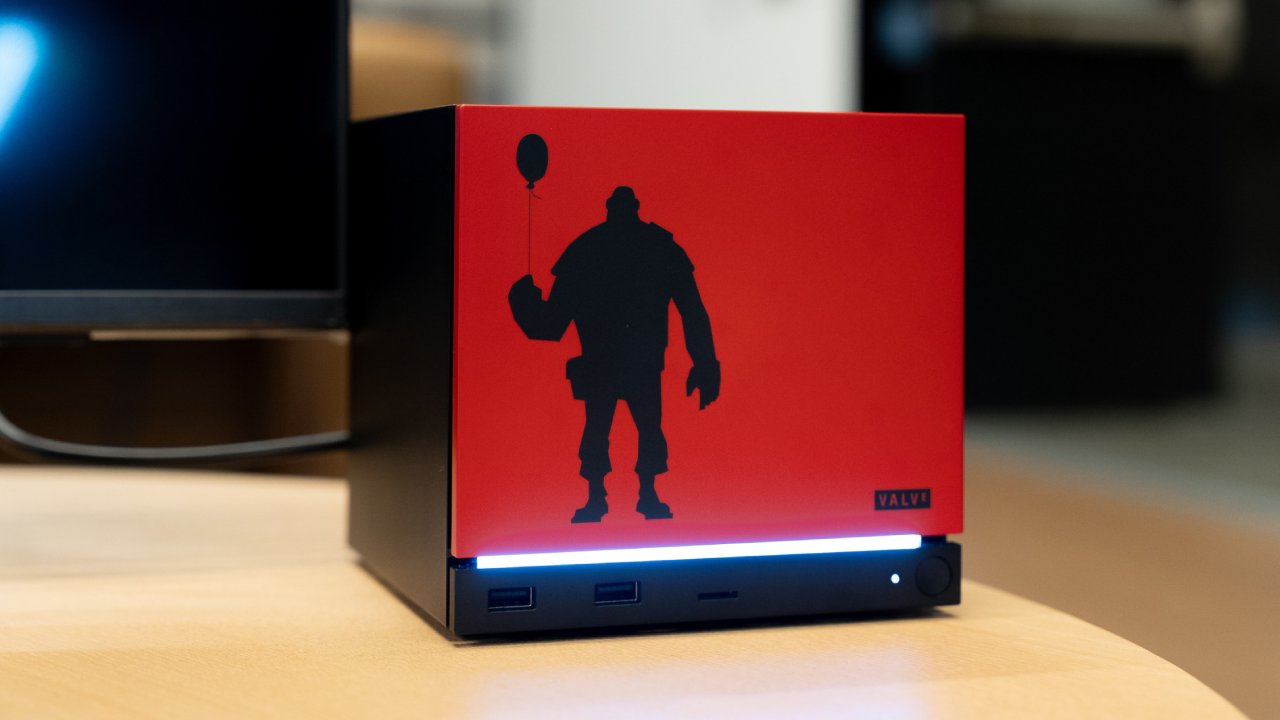
Requirements for the Steam Machine have been Checked
The situation becomes clearer when we think about the specs. The system will cost about $700 to start, and the entry model may only have a 512GB SSD. The price could go up a lot if a 2TB variant comes out. At that point, it's hard not to compare it directly to the PS5 Pro, which already has a 2TB disk.
When you look at pricing and performance side by side, the comparison is easy. It doesn't matter if someone labels it a PC or a little console. The essential thing to consider is how well the system performs for the price.
Targets of 1080p and 30fps
The reported verification objective shows that games will try to run at native 1080p at 30 fps. If you buy a system designed to meet those goals, most games will run at that level without any further upscaling.
Many new games coming out in the next few years will need upscaling solutions to keep running smoothly. We can expect technologies like FSR to aid. Still, if the architecture doesn't have RDNA4 capabilities, the device might not be able to use future features like FSR4.
Because of this, people should keep their expectations for performance modest. The baseline, not the best, is native 1080p at 30fps.
Comparing with PS5 Pro and PSSR2
The disparity between the expected performance of the Steam Machine and the PS5 Pro becomes clearer when we look at Sony's PSSR2 upscaling technology.
PS5 Pro launched at roughly $700. It has already been seen running several demanding games at greater resolutions and with better frame rates through upscaling. In some cases, games aim for 60 fps in upscaled 4K with ray tracing enabled.
Using PSSR2 upscaling, games like Crimson Desert and Resident Evil Requiem have been shown to run at high visual settings. Some games have even gotten to native 1800p at 60 fps with ray tracing before PSSR2 improvements were made.
When we compare those results to a system that aims for native 1080p at 30fps, we can't help but talk about value.
Expectation of Performance
Some players say that the 1080p30fps requirement is merely a minimum verification target and that many games might run at higher settings. But that idea doesn't necessarily align with the constraints of real-world hardware.
Even the PS5 and Xbox Series X, the most recent consoles, struggle to maintain native 4K at 60 fps in most new games. If a new system comes out with less powerful hardware than those consoles, it won't be possible to anticipate consistent 4K 60 fps.
Depending on the game and its optimization, you might see higher resolutions like 1440p or 1200p. But native 4K 60 fps across the board wouldn't work due to hardware limitations.
Value in Relation to Console Hardware
The situation becomes evident when we look at the value proposition. You can get high-performance hardware and exclusive games if you join the console ecosystem today. It makes you wonder why someone would choose a new system that costs more yet has the same or worse performance.
We think that if a platform launches without exclusive titles and runs only the same PC games already accessible on other hardware, it won't stand out much.
The Steam Ecosystem and Portability
Even with such concerns, the Steam platform offers benefits that many gamers enjoy. The Steam ecosystem has a large number of games and has consistently supported customers over time.
Some people will like the system better because it runs SteamOS instead of Windows and is like a compact, portable PC. Players who like gaming on Linux-based systems may be drawn to that operating system. You can also tote the device about and still have access to your existing Steam library.
Debate Over Hardware Expectations and Upgrades
Some people think that the system would have been more appealing if the specs had been better. For instance, an 8-core CPU, a stronger GPU, and about 20GB of RAM made it perform more like the PS5 Pro.
If the hardware has RDNA4 characteristics, it may also work with newer technologies like FSR4. That would make long-term value and performance scaling a lot better. If those changes aren't made, comparisons with other consoles will still be necessary.
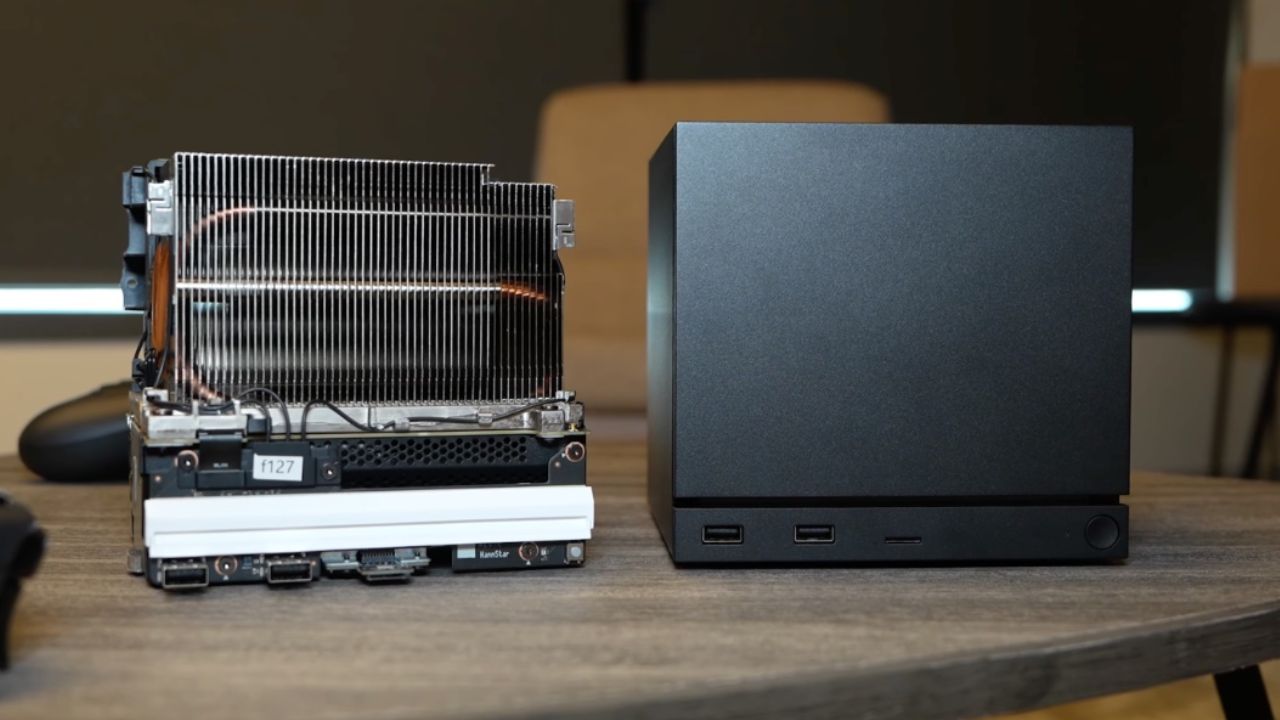
Competing with New Hardware
The timing of the next consoles is another thing that affects the discourse. Next-generation PlayStation and Xbox systems, along with other gear, will likely be released over the next few years.
When you think about that timescale, it becomes harder to decide to buy a machine with older-level performance in 2026. If the next generation of consoles comes out soon after, the performance disparity could get even bigger.
Final Thoughts
From a neutral point of view, the conversation is still mostly about price-to-performance value. A system that costs about $700 and aims for native 1080p at 30 fps will face significant competition from consoles already on the market that can do more.
We can still see why some people are intrigued, especially if they like how Steam works and how flexible a PC-style platform is.
But when you look at the power of the hardware, the storage space, the upscaling technologies, and the new consoles coming out, it's hard to dismiss the value discussion.
Also, check our other hardware articles:
- AMD Ryzen 9 9950X3D Review: Setting The Standard For 2025 Gaming CPU
- Amazon Luna 2025 Review: Is Prime Gaming's Cloud Service Your Go-To For Casual Fun?
- AMD RX 9070 XT Review: AMD's RDNA 4 Champion for 1440p Gaming
- GeForce Now Ultimate: Ditching Your Gaming PC For Cloud RTX 4080 Power?
- NVIDIA GeForce RTX 5080 Review (2025): Still A 4K Gaming Powerhouse?
- Intel Core Ultra 9 285K Review And Performance Breakdown (2025)
- AMD Ryzen 7 9800X3D Review: 3D V-Cache Goes God Mode with Stunning Gaming Performance
- Intel Core Ultra 9 285K vs AMD Ryzen 7 9800X3D: In-Depth Gaming Performance and Benchmark Comparison
- NVIDIA GeForce RTX 5080 Super Performance In Cyberpunk 2077: Path Tracing & DLSS 4.0 Tested
- AMD Radeon RX 9070 XT In Cyberpunk 2077: Ray Tracing & FSR 4.0 Tested
- Intel Arc B580 Review: The $250 GPU Revolutionizing 1440p Gaming
- Intel Arc B570 Vs. B580: Value, Specs, And Real-World Gaming Performance
- RTX 5090 Laptop Vs. M4 Max MacBook Pro: Ultimate Raw Performance Vs. Battery Endurance
- Intel Arc b580 Vs. RTX 4060: Game Performance And Value Analysis
- RTX5090 Hell Is Us Demo 4K Ultra Benchmark: DLSS Vs. Native Performance Guide
- NVIDIA RTX 5070 Review: Mid-Range Muscle or Marketing Hype?
- Nintendo Switch 2 Review: Handheld Performance, Features & Value Breakdown
- RTX 5070 Ti Review: Performance, Thermals & Power Efficiency Tested
- Samsung Odyssey OLED G81SF Review 2025: Ultimate 32-Inch QD-OLED Gaming Monitor
- AMD RX 9070 Performance Review: Thermals, Clocks, and Real-World FPS
- AMD Ryzen 5 7600 Review: Best Budget Gaming CPU of 2025?
- AMD Radeon RX 7800 XT Review: RDNA 3 Power For Midrange Gaming
- Asus ROG RTX 5090 Astral OC Vs. Founders Edition: The 4K Gaming Benchmark
Editor, NoobFeed
Gaming Hardware Updates
No Data.