
Steam Machine Cube VRAM Concerns and Real-World Gaming Expectations
The new Steam Machine cube combines Zen4 processing and RDNA3 graphics while raising concerns regarding long-term VRAM demand
Hardware by Nahe Yan on Nov 29, 2025
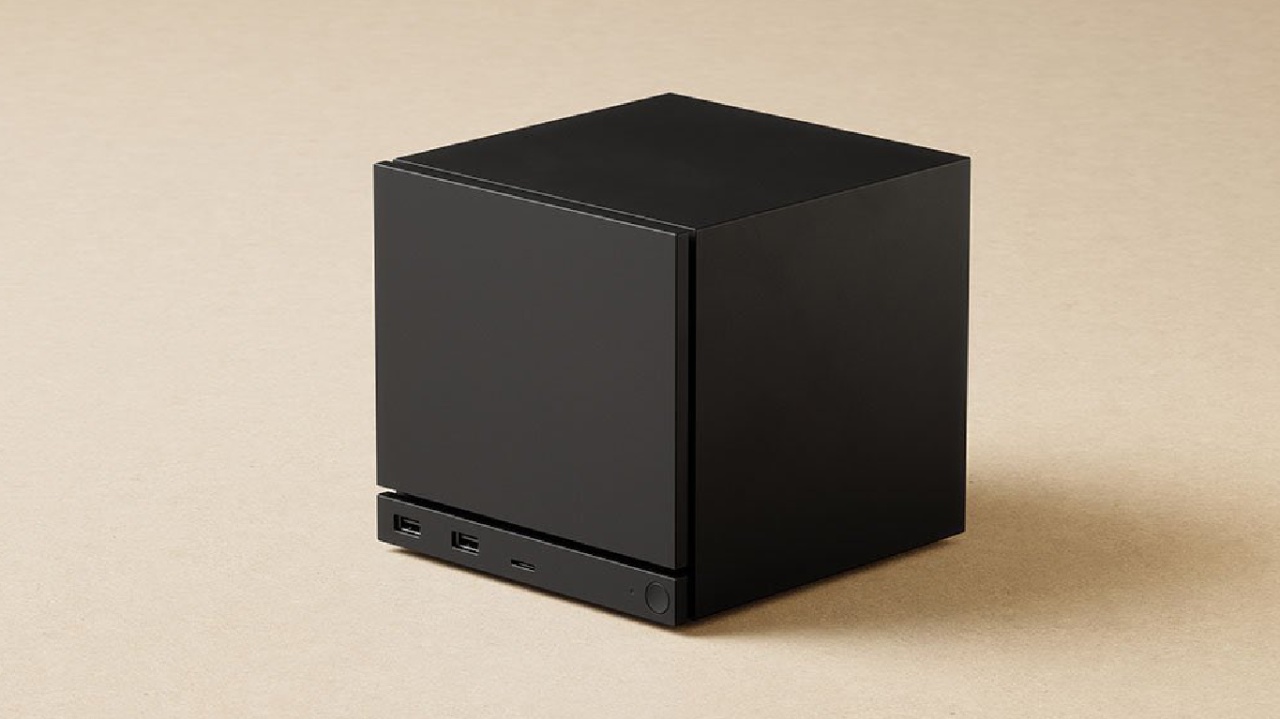
Valve has released new hardware in the shape of a small cube PC. The design is tiny, simple, and clean. Still, the specification choices have sparked debate, especially over the GPU's 8GB of VRAM. The cube's performance claims have become a hot topic as modern games need more memory.
The Steam Machine looks like it will be small and simple. The inside hardware comprises a GPU with 8GB of GDDR6 VRAM, which has raised some concerns. At higher settings, modern AAA games frequently consume 10GB to 14GB, raising questions about whether the cube can reach 4K60fps. The way people use VRAM has changed, and expectations for 2025 differ from those of prior generations.
VRAM Limits and Claims About Performance
Valve says that an 8GB setup can run games at 4K60fps. Many users might discover that games like Hogwarts Legacy, The Last of Us, and Starfield often use more memory than this; therefore, the cube may need to use harsher settings, lower textures, or upscaling. We should keep an eye on how SteamOS's memory management and optimisations affect real performance when we learn more.
Comparing Consoles
It's easy to see the changes when we compare the configuration to other consoles. The PlayStation 5 has RDNA2 with 36 compute units, a memory clock speed of 2.2 GHz, and 10.28 teraflops of peak performance. It also has 16GB of shared memory. The Xbox Series X has 52 compute units and 10GB of high-bandwidth memory, just as the RDNA2 design.
The Steam Machine has a semi-custom AMD RDNA3 GPU with fewer compute units and higher clock speeds than the standard version. Valve says that the performance numbers for an 8GB configuration might be better than what people expect. Still, we should wait for actual comparisons between shared titles. You might discover that testing in the real world gives you the clearest results when the cube is widely available.
Power Profile and CPU Architecture
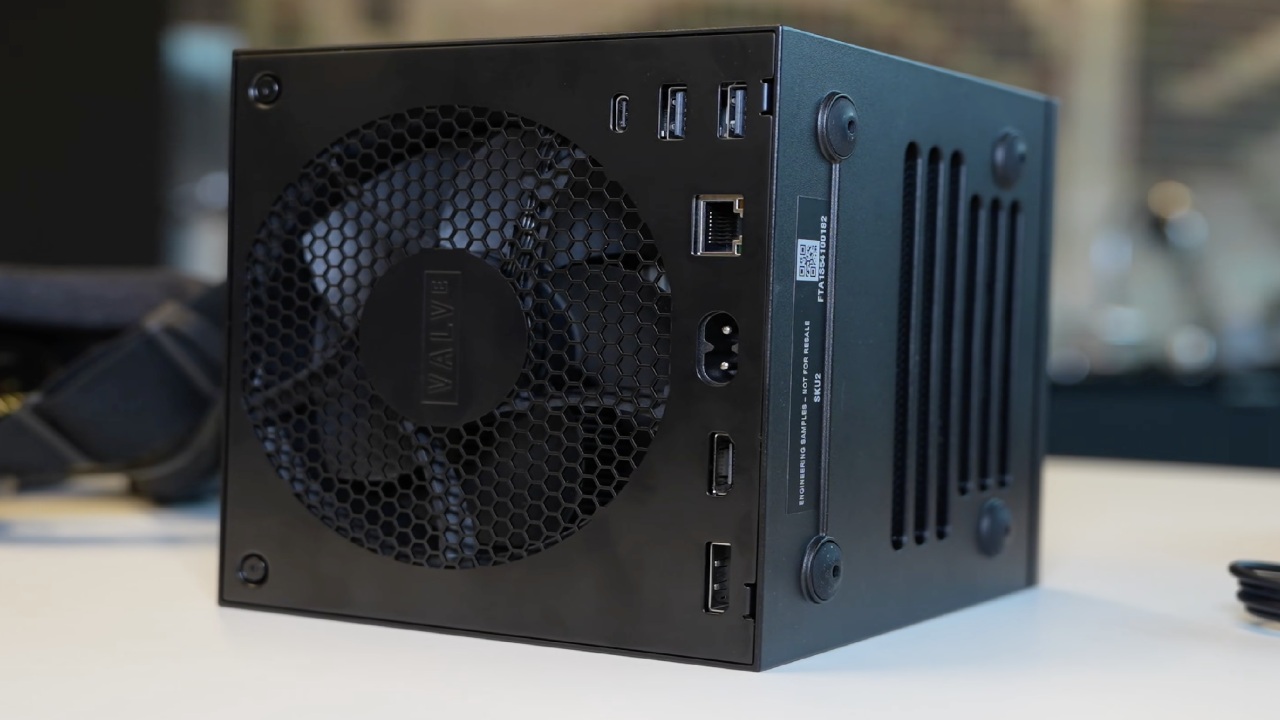
The CPU has an AMD Zen4 6-core/12-thread design, a 4.8GHz clock speed, and a 30W TDP, which is close to that of mobile devices. The GPU has a 110W TDP and a clock speed of 2.4GHz. The RAM has 16GB of DDR5 and 8GB of GDDR6 for graphics. When aiming for 4K displays or high-refresh-rate monitors like 8K60hz or 4K240hz, we may need to rely on FSR. At higher resolutions, you could run into problems with texture streaming or open-world assets.
Improving and scaling SteamOS
Valve discusses SteamOS improvements, including FSR, system-level tuning, and improved memory management. In some cases, these may help eliminate bottlenecks, but the VRAM ceiling remains the same. We should see how these changes affect performance when running intensive workloads, especially for people who play recent open-world games.
Realistic Expectations
The question is still whether the cube really works as well as it claims to, or if the claims are too good to be true. We shall find out whether it works well in 4K situations or whether its strength lies in lower resolutions or less demanding games as testing becomes available. Some workloads may be better for the system than others, while others may exceed its VRAM limits.
Final Thoughts
Before we make any long-term decisions, we need to examine how the hardware performs across a wide range of titles. You might be interested in how the cube looks and how well it works, or you might think that the 8GB of VRAM is a problem. The performance data that will be released soon will make it clear if this small Steam-powered cube is right for you or if you should pass it on.
Also, check our other Console articles below:
- PS5 Pro vs. PS5 Slim: Frame‑Rate, Graphics & Performance
- PS5 Pro vs. Radeon RX 9060 XT vs RTX 5060 Ti: Ultimate $700 Gaming Showdown
- ASUS ROG Ally PS5 Remote Play | How to do Remote play on PS5 Using Sony's Official Remote Play App
- Stream PS5 Games on Steam Deck OLED: Step-by-Step Installation and Configuration
- AI Upscaling on PS5 Pro: Can PSSR Finally Match DLSS?
- PS5 Pro vs. PS5 Slim vs. PS5 — Design, Storage, Specs, and Gaming
- PS5 Pro vs. Xbox Series X: Specs, Price, Storage, Customization, and Gaming
- PS5 Pro vs. PC Gaming: Comparison of Graphics, Frame Rates, and Price
Editor, NoobFeed
Gaming Hardware Updates
No Data.