
Steam Play on ARM Devices Takes Shape with Proton 11 and Rocknix Testing
Experimental builds suggest potential cross-platform expansion, including macOS compatibility and wider support for diverse computing environments.
Hardware by Nahe Yan on Apr 24, 2026
The beta version of Proton 11.0 has been released. It adds features that hint more platform support and makes it possible for more games to work with Steam Play.
The update also adds more games to play and combines FEX with Proton, which makes it easier for ARM-based Linux devices to work together.
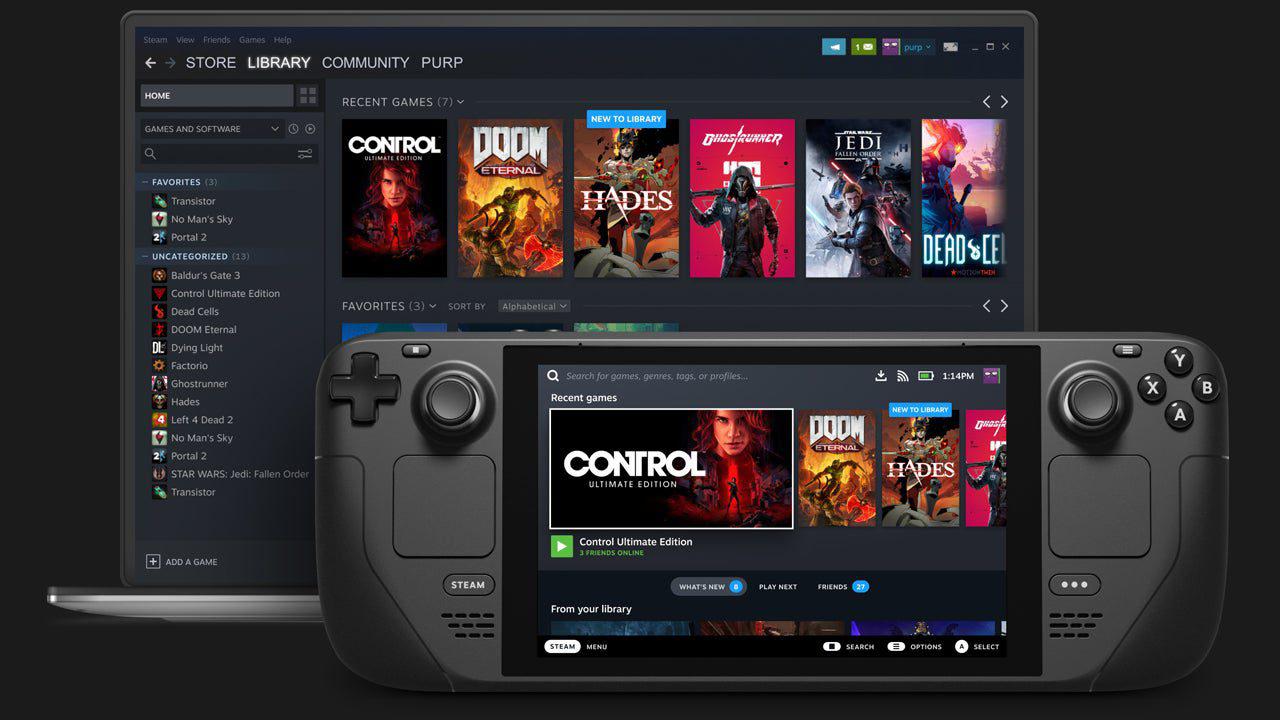
Proton 11.0 Beta Extends Game support
This is an article published on Phoronix by Valve writer Michael Larabel, reposted in a private Discord. It notes the launch of Proton 11.0 beta. It lists some of the games that can now be played, including The Golden Sword, Dino Crisis, From Dust, Don’t Die, Metal Gear Survive, and Warhammer: Vermintide 2.
The most important thing is that version 11.0 is the first in its beta. One of the major changes is that FEX has been officially integrated into Proton. This allows games to be played on ARM-based Linux devices without using alternative layers such as GameHub or native solutions.
ARM Implementation with Rocknix
We have been working on this Development indirectly by creating Rocknix, which is a Linux-based operating system that runs on ARM-based devices like the Odin 2 line and Thor devices based on Snapdragon 8 Gen 2. Rocknix has recently added Steam as its application to the system.
Rocknix has the latest nightly build that allows you to install Steam. It is a regular Linux program, not running on GameScope or in a special gaming mode like on a Steam Deck. Steam Play can be enabled on these devices with ARM compatibility, which was likely based on FEX or another solution.
We observed that Steam starts as usual and that the library can be browsed in Big Picture Mode. Nonetheless, there are problems. Games occasionally start in the background when behind the Steam interface, and without conventional game switching methods such as Alt-Tab, it is hard to switch to the running game. These problems seem to be caused by the interface between Rocknix and game launchers, not by game launchers themselves.
ARM Devices Performance Observation
This is because we tried lighter, moderately challenging games, constrained by running them from an SD card, which slows installation and launch speeds. One was Replaced, a fairly challenging title. It was 1080p at an approximate frame rate of 30 fps.
The performance is already comparable to solutions such as Game Native and GameHub, despite a long development period. The fact that the same outcomes were achieved on the first day points to rapid improvement in this field.
Steam Play and ARM Proton
We know that Steam Play is the compatibility layer that determines how games are launched, whether via Proton, Wine, or other means. ARM support has finally been officially added to Steam Play with Proton 11, eliminating the need to manually configure it.
This implies that the current Rocknix implementations could be leveraging this official support. This coincides with the Proton 11 announcement, although it might have been developed earlier.
Indications of Extended Platform Growth
We view two significant indications of what is to come. One is the software development with Proton and ARM integration. The other is hardware-based, as in earlier product cycles such as the Steam Controller.
These indications imply a wider deployment. The direction is unofficially confirmed, but it aims to increase device compatibility.
Possible Mac and other-platform Expansion
We predict this may be more than just Linux. MacOS builds with FEX could enable more games to be supported on other devices, such as MacBooks. Early signs indicate that GameHub is already beta-testing macOS.
Access to these builds is also limited, but the trend is clear. Cross-platform compatibility keeps increasing.
Smaller Companies and Community Development Role
We find that smaller businesses such as GameSir have fewer resources, and sometimes people have to do several jobs. This is a culture of experimentation and fast iteration.
These firms usually come up with concepts that, in turn, affect bigger things. Local initiative projects help prove viability and generate interest.
Discussion: Steam on More Devices
Early references to Steam operating on unconventional machines have been made, such as attempts to use systems like the Switch. This means that wider compatibility testing is already underway.
There are even more instances that we anticipate in the future. Development of Steam on other platforms is still of interest.
Potential of Steam-powered Phones and Devices
We have talked about the concept of a Steam-based phone. Instead of Valve creating one, it is more likely that a third-party manufacturer will develop a device and collaborate with Valve.
This would resemble the way non-Steam devices used SteamOS, such as with products like the Legion Go. An upcoming device might offer a choice between Android and SteamOS.
History and Prospects
We project that within two years of an ARM-based SteamOS device launching, e.g., a potential Steam Frame, third-party devices can start shipping with SteamOS as a built-in feature.
This may involve portable devices or phones, where the user selects settings such as color, controls, and the operating system. SteamOS might be an option to be selected alongside Android.
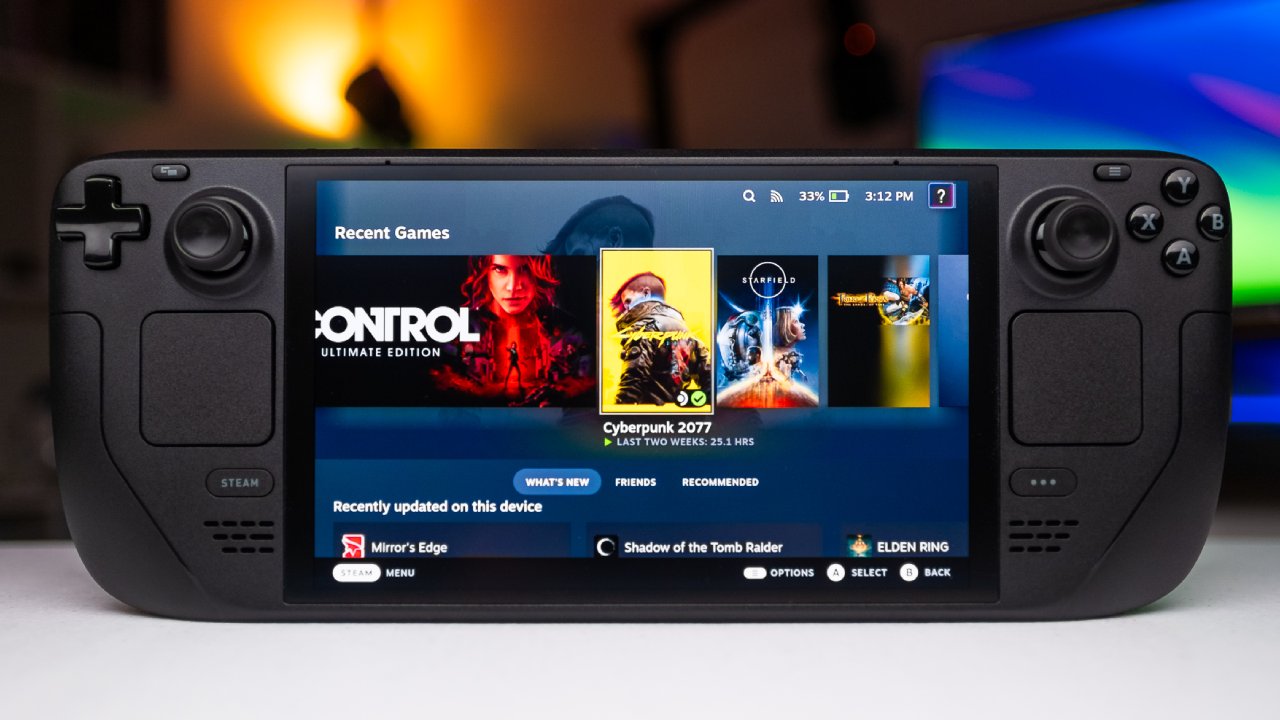
Switching from Android to Linux-Based Systems
We are now operating Rocknix on SD storage instead of putting it on the internal disk, which would override Android. Nevertheless, we expect that there will come a time when the performance and usability are enhanced to the point that it is worth switching to a different operating system altogether.
The idea would be a single system that can support emulation, applications such as PortMaster, and access to the entire Steam library.
Final Thoughts
In recent updates, FEX and the Steam Linux runtime for ARM are now packaged with the Steam client itself. This aligns with past expectations and further supports the fact that Development is increasing at a faster pace.
Both software and hardware signals are steadily improving. The trend is also evident, and constant changes are confirming these trends.
Also, check our other hardware articles:
- AMD Ryzen 9 9950X3D Review: Setting The Standard For 2025 Gaming CPU
- Amazon Luna 2025 Review: Is Prime Gaming's Cloud Service Your Go-To For Casual Fun?
- AMD RX 9070 XT Review: AMD's RDNA 4 Champion for 1440p Gaming
- GeForce Now Ultimate: Ditching Your Gaming PC For Cloud RTX 4080 Power?
- NVIDIA GeForce RTX 5080 Review (2025): Still A 4K Gaming Powerhouse?
- Intel Core Ultra 9 285K Review And Performance Breakdown (2025)
- AMD Ryzen 7 9800X3D Review: 3D V-Cache Goes God Mode with Stunning Gaming Performance
- Intel Core Ultra 9 285K vs AMD Ryzen 7 9800X3D: In-Depth Gaming Performance and Benchmark Comparison
- NVIDIA GeForce RTX 5080 Super Performance In Cyberpunk 2077: Path Tracing & DLSS 4.0 Tested
- AMD Radeon RX 9070 XT In Cyberpunk 2077: Ray Tracing & FSR 4.0 Tested
- Intel Arc B580 Review: The $250 GPU Revolutionizing 1440p Gaming
- Intel Arc B570 Vs. B580: Value, Specs, And Real-World Gaming Performance
- RTX 5090 Laptop Vs. M4 Max MacBook Pro: Ultimate Raw Performance Vs. Battery Endurance
- Intel Arc b580 Vs. RTX 4060: Game Performance And Value Analysis
- RTX5090 Hell Is Us Demo 4K Ultra Benchmark: DLSS Vs. Native Performance Guide
- NVIDIA RTX 5070 Review: Mid-Range Muscle or Marketing Hype?
- Nintendo Switch 2 Review: Handheld Performance, Features & Value Breakdown
- RTX 5070 Ti Review: Performance, Thermals & Power Efficiency Tested
- Samsung Odyssey OLED G81SF Review 2025: Ultimate 32-Inch QD-OLED Gaming Monitor
- AMD RX 9070 Performance Review: Thermals, Clocks, and Real-World FPS
- AMD Ryzen 5 7600 Review: Best Budget Gaming CPU of 2025?
- AMD Radeon RX 7800 XT Review: RDNA 3 Power For Midrange Gaming
- Asus ROG RTX 5090 Astral OC Vs. Founders Edition: The 4K Gaming Benchmark
Editor, NoobFeed
Gaming Hardware Updates
No Data.