
Steam Still winning while Xbox and Epic are Trying to Reshape PC Gaming
Steam, Xbox, and Epic reveal how platform trust, operating systems, and storefront design are reshaping PC gaming competition.
Hardware by Nahe Yan on Feb 05, 2026
The gaming industry has always had its share of strange trends. It's one of the rare fields where a small group can create a game-changing product that reshapes the industry, but then lose people's trust by making choices that run counter to users' expectations.
Early examples showed that technological leadership can swiftly turn into backlash when always-on restrictions and strong DRM are added at a time when users want to play offline and keep things simple. As time went on, those early blunders taught us lessons that changed how digital platforms grew.
.jpg)
Console Platforms Moving Closer to PC
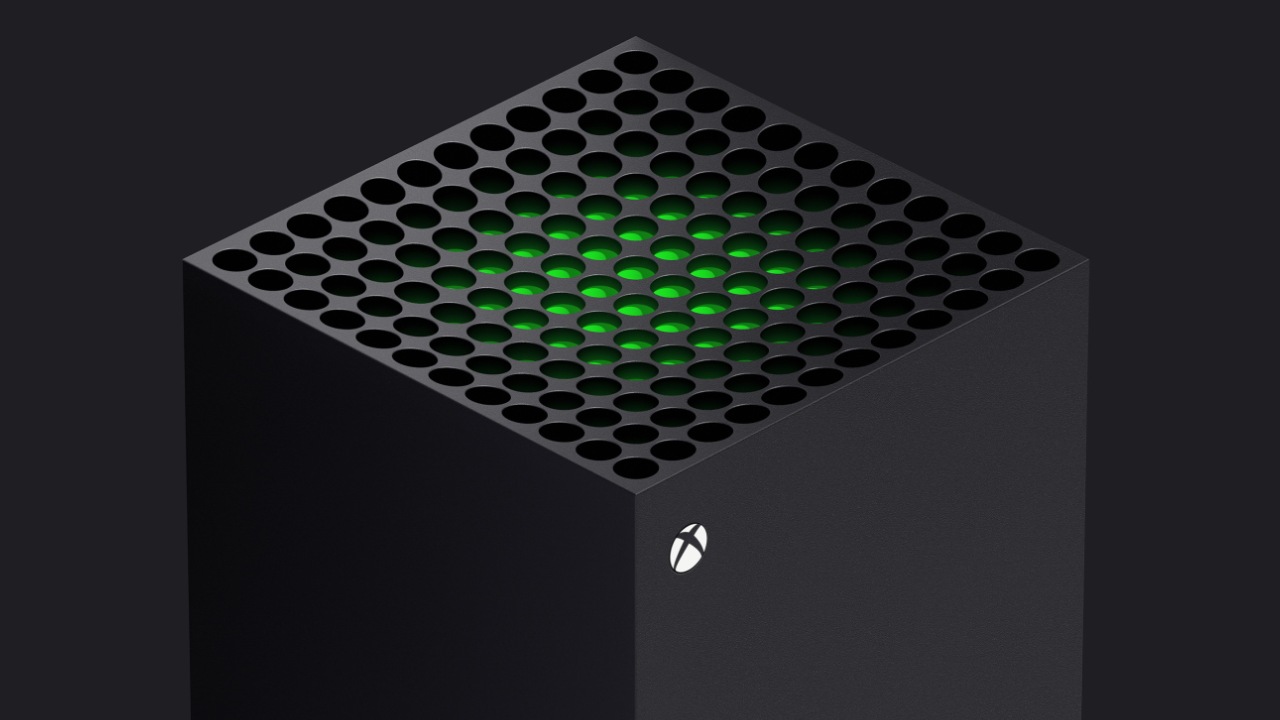
Steam's impact has gone beyond PC stores. More and more, big console makers are working with PC ecosystems. Xbox, in particular, has gone back to its original goal of bringing console and PC gaming together. PlayStation has also made its PC presence bigger by adding features like trophies and social interaction through its PC software. It may even have its own shop in the future.
This change shows that different strategies are at work, even though it aligns with broader market trends. Some platforms want to meet players where they are, while others want to change how they act by making them exclusive and controlling ecosystems. The second method has not worked very well on open platforms like PC.
Epic Games and the Problem of Competing with Steam
Epic Games has been trying to compete with Steam for years by making exclusive partnerships and arguing about how to share revenue. Epic used tactics more common in closed console ecosystems rather than focusing on the user experience. The end result has been little interest outside of Fortnite and occasional free game giveaways.
Public debates over how to raise money and run a platform have made this gap even clearer. People who want Steam to lower its income cut to match Epic's 12% don't think about the bigger picture of why Steam keeps its users. Pricing alone can't make up for two decades of improving the platform, adding features, and establishing confidence.
The Rise of SteamOS on Xbox, Windows
Microsoft's plan shows that there are bigger problems with the way things are set up. PC Game Pass has been growing steadily, and price adjustments have made it even more focused on PC players. At the same time, the end of support for Windows 10 and the hardware requirements for Windows 11 have caused problems for many players. Some people are looking for other options due to TPM and Secure Boot requirements, and because updates don't always work as expected.
SteamOS, which is based on Linux, has become a good choice for people who don't want to or can't upgrade their hardware. Linux has already grown significantly in business settings, and Valve is known for making safe, reliable software, which makes SteamOS a good choice for a gaming-focused operating system. Players care about price and stability, especially when operating systems start to feel like they are getting in the way or limiting what they can do.
Windows Usability and Player Anger
Recent Windows updates have shown that stability and user control remain problematic. Problems with mobile devices, such as limited power settings and security conflicts, have led people to believe that Windows struggles to deliver a focused gaming experience. Reliability is a must when people invest $1,000 on gear.
Many users skip Windows features altogether and go straight to Steam, which they use as their main interface. This behavior shows that Microsoft has big plans for its platform, but gamers just want systems that work.
Trust, Open Platforms, and Loyalty for a Long Time
Trust is now the most important thing for platform loyalty. Valve has built up a lot of trust over the years by sticking to open systems, giving users choices, and making small improvements. This is something competitors struggle with. People who value control and clarity are upset with Microsoft's push for AI integration and systems that rely heavily on telemetry. Epic's focus on exclusivity and market share has also ignored the importance of a high-quality, easy-to-use interface every day.
As more players move to PC-based environments that value flexibility, we can see this contradiction clearly. You can install more than one launcher, but stick with the one that feels stable, familiar, and respectful of your time.
The Storefront Overhaul and Market Reality of Epic
Epic has admitted that its launcher has had problems for a long time, such as poor load times and performance overhead. Plans to replace the storefront show that priorities are changing, but the timing is strange. Years of neglect have already changed how users see things, and now improvements have to address ingrained habits that are hard to break.
Epic leaders often talk about developers, revenue splits, and market share. Still, they don't often discuss interface expectations or the daily user experience. Exclusivity alone hasn't been enough to change people's devotion to PC, especially when free releases on one platform nevertheless boost sales on another.
Final Thoughts
As console technology becomes more like PCs, old ideas about consoles could spread into an open ecosystem that has always fought against them. Putting content behind stores on PC goes against the platform's openness. Some new users may be okay with these changes, but long-time PC gamers are less inclined to give up their old ways.
We are seeing many methods clash: operating systems competing with shops, hardware making it hard to tell the difference between consoles and PCs, and firms trying to buy significance rather than earn trust. You can acquire studios, developers, and IPs, but to keep them with you, you need to be consistent and show them respect. That fact still affects where players choose to spend their time.
Also, check our other PS5 Pro articles below:
- PS5 Pro vs. PS5 Slim: Frame‑Rate, Graphics & Performance
- PS5 Pro vs. Radeon RX 9060 XT vs RTX 5060 Ti: Ultimate $700 Gaming Showdown
- ASUS ROG Ally PS5 Remote Play | How to do Remote play on PS5 Using Sony's Official Remote Play App
- Stream PS5 Games on Steam Deck OLED: Step-by-Step Installation and Configuration
- AI Upscaling on PS5 Pro: Can PSSR Finally Match DLSS?
- PS5 Pro vs. PS5 Slim vs. PS5 — Design, Storage, Specs, and Gaming
- PS5 Pro vs. Xbox Series X: Specs, Price, Storage, Customization, and Gaming
- PS5 Pro vs. PC Gaming: Comparison of Graphics, Frame Rates, and Price
Editor, NoobFeed
Gaming Hardware Updates
No Data.