
XBOX Project Helix Could Get AMD Zen 6 and AI-Powered Graphics
AMD and Xbox combine Zen 6, AI processing, and advanced graphics technology for the next generation of Project Helix.
XBOX by Nahe Yan on Sep 09, 2026
AMD and Xbox are working together on a next-generation chip designed to power the Xbox Project Helix. The chipset is expected to combine CPU, GPU, and AI technology in a single design to improve rendering, resolution, frame rates, and how games handle large worlds. Project Helix is expected to cover multiple hardware types, including console, PC, and handheld devices.
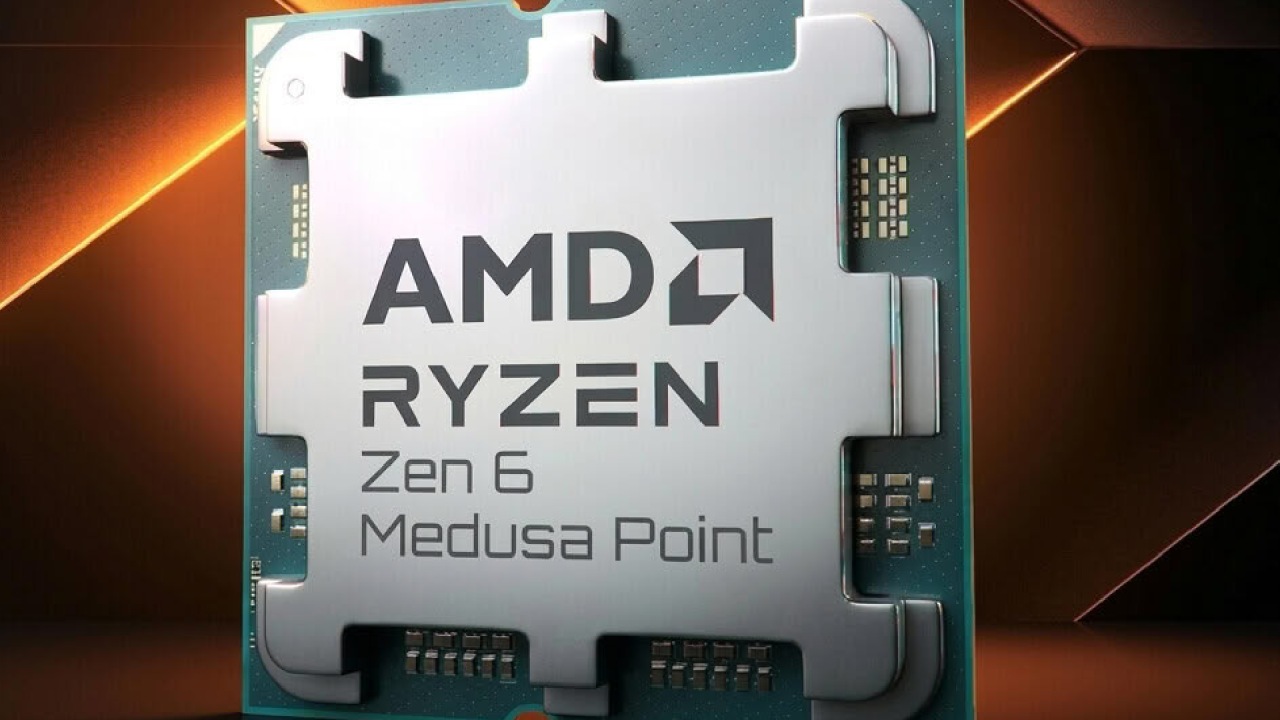
AMD has leaked its roadmap for Zen 6, which will lead technology and performance across desktop, PC, and console. Surprisingly for Xbox, AMD has worked with Xbox to build an APU, a system-on-chip meant to power the Project Helix family of devices across console, PC, and handheld. This chip, codenamed AMD Magnus, is part of the AMD Medusa family.
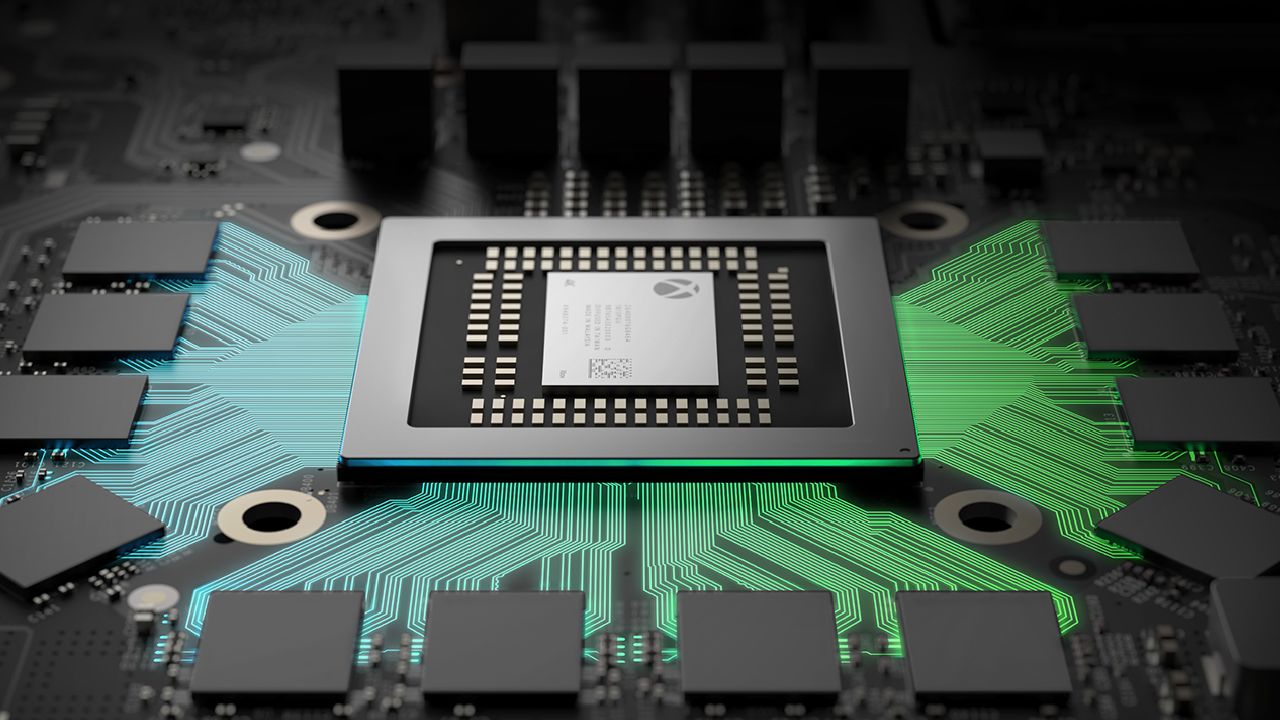
AMD and Xbox Project Helix Partnership
It includes rendering features that could change how Xbox games are presented. The Xbox Magnus chip could use the 10-core Medusa configuration, utilizing 3 Zen 6 cores to help bring large worlds to life through demanding game logic. Meanwhile, the rest could handle the operating system, frame-rate draw calls, and performance tasks.
Xbox Magnus chip for Helix has 3 Zen 6 cores and 8 Zen 6C cores, for a total of 11 cores that can be multithreaded to 22 threads. The CPU is built around 12MB of L3 cache, which is suited to a console memory pool. What makes the Xbox Magnus chip important is its use of hybrid cores, mixing Zen 6 and Zen 6C efficiency cores.
This could move Xbox toward multi-tiered hardware that balances power draw against performance output. The Xbox Magnus chip is also paired with a neural processing unit that will likely handle some of the work required to run games at higher resolutions and frame rates. The main part of the Xbox Magnus chip can handle rasterization, path tracing, and millions of detailed polygons.
Path Tracing and Real-Time Lighting
For the first time, a console could have a dedicated path-tracing pipeline for global illumination and lighting rendering. This represents a change in how games could handle lighting and environments. Some $2,000 to $3,000 GPUs will render games with DLSS 5 to simulate realistic lighting.
Xbox Magnus chip and Helix could render models with lighting, reflective surfaces, shadows, and ambient lighting that casts across spaces. Games rendered on the current Xbox Series X and PS5 Pro already deliver impressive visuals, but they use standard global illumination and a mix of simulated lighting techniques.
The new Medusa cores in the Magnus chip could reduce a bottleneck as the GPU renders open worlds in real time. Path tracing is expensive within a frame-time budget, and developers optimize their games around this limitation. On console, that compromise is often part of the development process.
AI Processing and Resolution Scaling
Xbox Magnus MPU is also built to run FSR Diamond. This is a new AMD software set based on FidelityFX Super Resolution, representing the next generation of AMD technology for new GPUs and purpose-built for Xbox Project Helix. This could let developers target 1080p or 1440p as a base resolution and use the MPU to boost the image to look like 4K, freeing up overhead for higher frame rates.
AMD Medusa and the Xbox Magnus chip introduce FP16, AMD's first major consumer-grade AI instruction set. The AI component in Xbox Helix is intended to give developers a way to push rendered pixels and their own game design directly to consumers, while allowing AI to enhance resolution and frame rate.
Pairing the Medusa CPU with the Xbox Magnus chip design could bring 3 major advances in console technology. First, a built-in MPU and AI-driven processor could natively boost resolution and frame rate. Second, the CPU core configuration could enable path tracing and lighting in major console games.
Project Helix could combine AMD’s next-generation CPU and GPU technology with AI features.
AMD is preparing a hardware platform, starting with Xbox Helix, which could appear as soon as spring 2027. A lot still needs to be answered, including frequencies, gigahertz, and other specific hardware details. Reports suggest Xbox thinks Helix could cost around $1,200, while the company is trying to bring the price down to $1,000.
With around 18 months to make that happen, we could see cuts or compromises in what the console includes. One possible compromise could be the lack of a disc drive. Project Helix is shaping up around an AMD-designed platform that combines Zen 6 CPU technology, Zen 6C cores, GPU rendering, AI processing, and FSR Diamond.
The combination could give developers more room to target higher resolutions and frame rates while handling larger game worlds. We are still waiting for details on clock speeds, final hardware specifications, pricing, and the console's complete design. If the reported $1,000 target becomes possible, Helix could offer a different approach to console hardwares
Editor, NoobFeed
Latest Articles
No Data.