
Xbox's Rough Quarter Raises Big Questions About the Platform's Future
Hardware slides, major games underperform, and you start wondering where Xbox goes from here.
XBOX by Mahi Araf on Jan 30, 2026
You just got a fresh look at how Xbox is really doing behind the scenes, and the latest quarterly numbers are not exactly comforting if you care about the platform. During the recent earnings call from Microsoft, you learned that Xbox hardware sales dropped by 32 percent year over year. That is not a small dip. That is a hard slide, and it sets the tone for everything else that follows.
When you look closer, it is not just the consoles that are struggling. You are seeing signals that the wider Xbox ecosystem is under pressure, too. Microsoft CFO Amy Hood said results came in below expectations, pointing to first-party content not delivering the lift the company hoped for across the platform. When leadership says that out loud, you know the concern is real.
If you have been following the brand, you probably are not shocked.
Over the past year, you've seen a lot of unpopular moves pile up. The price of Xbox Game Pass increased significantly, by about 50% in a short amount of time. The prices of consoles went up. Some new games, like The Outer Worlds 2, were briefly listed for $80 before being lowered to $70 after people complained. You've also heard retail stories, like how Costco no longer sells Xbox consoles in stores. These stories make it seem like momentum isn't what it used to be.
That makes you feel uneasy as a player. If you bought an Xbox and built up your library there, you don't want the platform to fail. You start to wonder what will happen next when the numbers go down. You wonder how that pressure affects which games get approved, which projects get canceled, and how aggressive monetization might get in the future.
Amy Hood also warned that hardware is expected to decline again next quarter, with hopes that subscription and service growth can offset some of that weakness. The tough part is that the reported quarter covered October through December, which is usually one of the biggest money-making periods of the year thanks to holiday sales. If performance is soft there, you feel it more.
Some of the titles mentioned as underperforming were not necessarily expected to be blockbusters, like Ninja Gaiden 4 and Keeper, but you would still expect them to generate some attention and steady sales. Bigger releases mattered more. The Outer Worlds 2 had extra spotlight after other projects, including Fable, faced delays. But the biggest drag in the conversation centers on one major shooter.
That shooter is Call of Duty Black Ops 7, published under Microsoft-owned Activision.
According to the discussion, even the developers issued an apology-style message acknowledging the game missed the mark. You rarely see that happen with a franchise this large. What really stands out is that for the first time in many years, Call of Duty was outsold in the US shooter market by a rival, specifically Battlefield 6 from Electronic Arts. That is something Battlefield had chased for years without success, and it finally happened here, largely because Black Ops 7 failed to connect.

On the financial side, you are also seeing that Xbox content and services revenue fell around 5 percent. That category includes Game Pass and related digital services. It is not catastrophic, but it is the wrong direction if subscriptions are supposed to be the safety net.
It is not all negative across Microsoft as a whole. Windows OEM and device revenue ticked up slightly. The company’s broader business is still growing, with strong year-over-year gains driven heavily by cloud and AI. Microsoft’s cloud platform, including Microsoft Azure, posted major growth. When you step back, you can see clearly that cloud and enterprise services are powering the company forward while Xbox is the one segment trending down.
That difference makes you think about what's most important. Microsoft spent billions of dollars buying big publishers like Activision and ZeniMax Bethesda, so it's not likely to stop making games. Companies often change their plans when returns are lower than expected. You start to see more projects that are based on safer bets and well-known names instead of new ideas that might not work.
That helps explain why people are paying more attention to older brands like Halo Combat Evolved.
It is easier to sell a new version with better graphics and more content than a brand-new experiment. It's easy to understand why: it's a well-known classic, and you know people will come. Still, if you want new and exciting Halo experiences instead of just updates, it can be disappointing. At least it's something and not nothing, though.
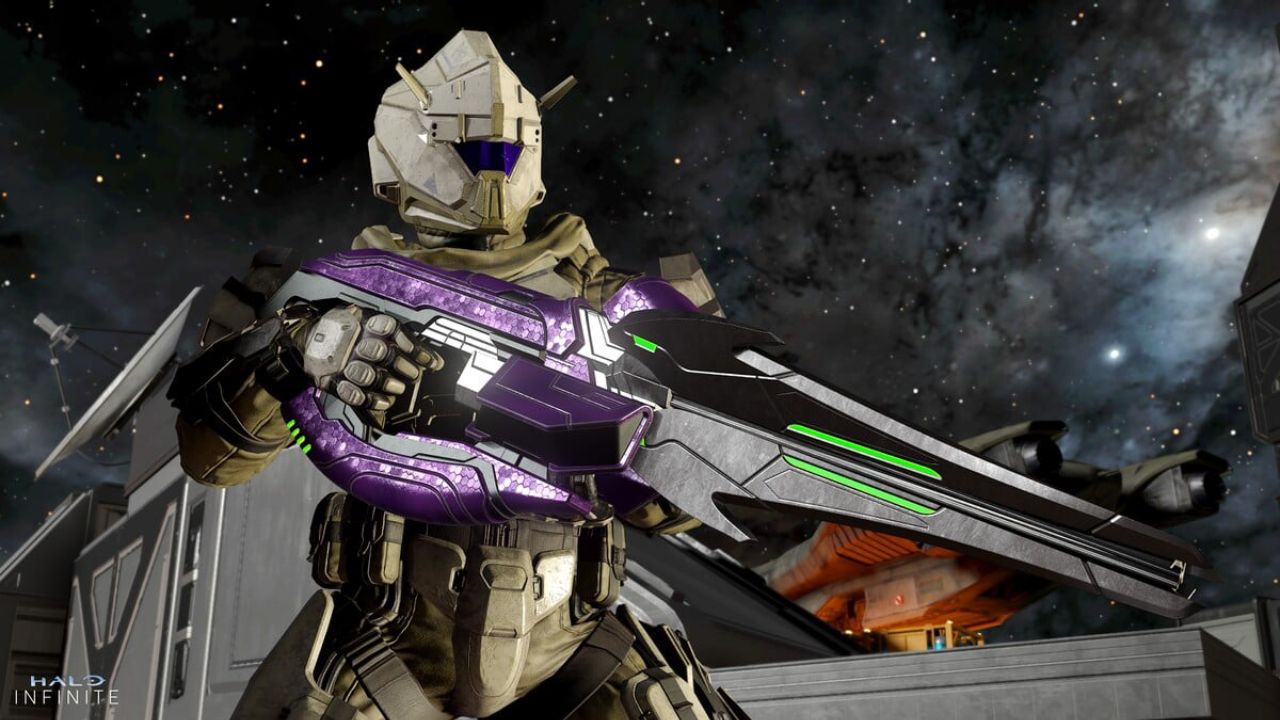
You can also expect monetization to stay front and center, especially in live service titles like Halo Infinite. Battle passes, cosmetics, and microtransactions are unlikely to disappear. With rising development costs, the push to keep players spending inside games will probably remain strong.
You can see some good things coming up in the software lineup. The recent Xbox showcase showed off games like Fable, Forza Horizon 6, Beast of Reincarnation, and Gears of War E-Day. There is a real reason to stay interested if you care about the ecosystem. There are things on the release calendar.
The timing, though, is tricky. You also know that Grand Theft Auto 6 is expected in November. When that game lands, it will dominate attention and player spending. If a Halo remake launches right around that window, you can guess which one most players will prioritize.
On the hardware side, you are hearing that the next Xbox console is planned to be very premium and high-end, according to Xbox president Sarah Bond. That suggests a more expensive box aimed at enthusiasts rather than the average buyer. Considering how tight budgets feel for many people, you wonder how wide that market really is.
Geographically, you also see that Xbox still depends heavily on the United States, which makes up a large share of its console sales.
The brand has had a harder time expanding in Europe and other regions. That helps explain the stronger push toward publishing games on more platforms, including PlayStation and PC, instead of keeping everything exclusive. Big-budget games cost the same to make no matter where they launch, and limiting platforms limits revenue.
You might also be hearing that this year's Call of Duty might be another Modern Warfare game from Infinity Ward. Franchise fatigue is a real worry, but you also know that players will still come if the game is good.
The picture is not clear from where you are. You can see that hardware sales are going down, software performance is getting worse, and people are relying more on nostalgia and services. You can also see big releases coming up, major franchises, and a company with a lot of money behind it. The main question you have to ask yourself is this: can Xbox stabilize the platform and get things moving again before these trends get worse?
Senior Editor, NoobFeed
Latest Articles
No Data.