
Why Microsoft’s Next Xbox Faces a Bigger Problem Than Specs Against the PS6
Growing frustration with Windows and forced AI features may influence how players feel about Microsoft’s next-generation Xbox.
News by Nami Tanaka on Jan 21, 2026
No longer is it the only thing people talk about when discussing next-generation platforms, teraflops, launch titles, and who has the most raw power. How people feel about the companies that make the tools is becoming a more important factor, but it's harder to measure.
This change is clear when people talk about the next Xbox and the PlayStation 6, not discussing specs but rather how frustrated they are with software platforms and operating systems and the trust they've placed in companies over the long term. It's not just a comparison of consoles; it's also a look at how everyday user experience can affect big buying choices years from now.
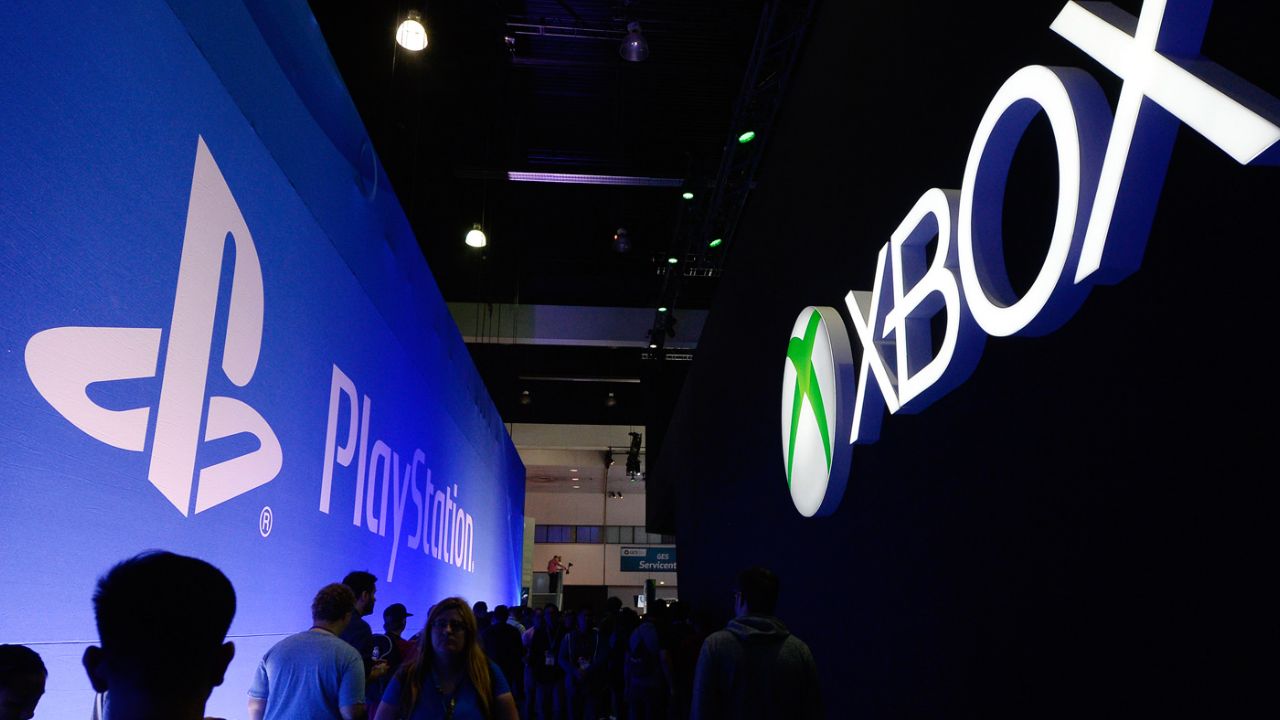
A lot of people don't use Windows as their main operating system anymore. It seems more like a place for commercials than for watching programming. The first thing you hear when you turn it on is noise, not speed, clarity, or control. This is how you can use Edge on a screen. You didn't want apps to show up on the Start screen. Outlook politely advises folks that they need more space.
As it says, COPIA is always there for you. Microsoft calls this "efficiency," although most of the time it looks more like paying attention. People talk about complaints, internal reports, and feedback volumes that set records. To understand the problem, you don't need to see private spreadsheets. Just using the method will make you feel it. There is tension all over.
Windows moves things along without asking. It thinks you'll do what it says if it presses on you long enough.
The process of upgrading is where that design theory really shines through. People who are still using Windows 10 are not kindly told to move on. Pushing them. A pop-up is like a system alert. Active work is stopped by full-screen prompts. If you aren't paying close attention, the language is just vague enough that you could click the wrong choice. This is how improvements happen by accident.
It's not because people are careless, but because the system is made to make choices quickly. A multi-gigabyte download starts in the background when you click a button labeled "Dismiss." After that, the restart. When the machine goes back online, the menus and defaults will be in different places, and you may need to look up known ways to do things. It is really stressful for people who don't live in tech areas every day. If only your house hadn't been moved while you were sleeping.
There is a sign that says, "This is better for you." There is almost never a clear way to show frustration, and changing something is almost never a choice. Worries about performance add another layer. People think their technology is broken as soon as they say their computers feel slower. The images show the same computers running Windows 10 and Windows 11 side by side.
The newer OS just feels heavier. Wearing boots takes more time. Apps are unsure. It seems like there is always something going on in the background. Taking a hike with a backpack full of things you forgot to bring is like being told that this is a more modern way to do it.
Microsoft provides reasons based on modern design and security layers, but the user's perspective remains unanswered. Why does the updated system feel worse when it's using the same electronics? That lack of trust leads to bigger problems, especially when it comes to privacy. Accounts and the cloud are big parts of Windows 11. For some people, that's fine.
.jpg)
For some, the issue is how hard it is to completely avoid participating. Data flow continues even when telemetry settings are set to low. It's always there, encrypted, and hard to see. The users can see that data is moving, but they can't see what it is. People who are asked use words like "minimal," "anonymized," and "necessary" to describe the answers. Those don't explain things. They're words of comfort.
When complaints come next, the answer is usually nice and businesslike
This lack of clarity is important for those responsible for private information. Users who are worried about security, journalists, and coders don't just want to be sure; they want to be sure. They need to be in charge or at least know what's going on. They are both pretty limited in Windows 11. Forced features make things even more frustrating. When you update, widgets come back.
Bing comes back in search. Edge quietly goes back to its original settings. OneDrive hooks stay out in the open. Copilot comes back even after it has been turned off. With settings, rules, and even the registry, you can turn these things off the right way. Things look good until the next update comes out and changes those decisions. At that point, many users realize their choices aren't being taken into account. For now, they are being put up with.
Microsoft calls it "security," yet things like Copilot, widgets, and search interaction are not security tools. They look like maintenance tools, but they're really control devices. This is when engineers reach their limit. They need places that don't change every few weeks and are stable. In Windows 11, customization is more of a suggestion than a choice.
This is why people don't depart in significant numbers. They just use Linux, macOS, or any other system that doesn't fight with its users as much. When you zoom out, the design is easy to see. The need to upgrade drives adoption. Accounts are what services depend on. Telemetry drives data. Forced features make people do things. Use that emotion on Xbox right now.
Microsoft sees Xbox as a different business with its own customers. People really consider brands as one connection. If Windows feels forceful, Office feels full of upsells, Teams feels large, and Copilot feels like it can't be avoided, that emotional context follows you around. A lot of people don't care when Microsoft talks about putting more AI in games. They're not sure.
When Microsoft talks about what it wants the next Xbox to be like, that doubt grows. According to reports on hardware, the next system, often called Magnus, might have more raw computing power than the PlayStation 6. That story has been told to us before. The Series X was much faster than the PS5 in raw computing power, but that difference rarely translated into real-world performance.
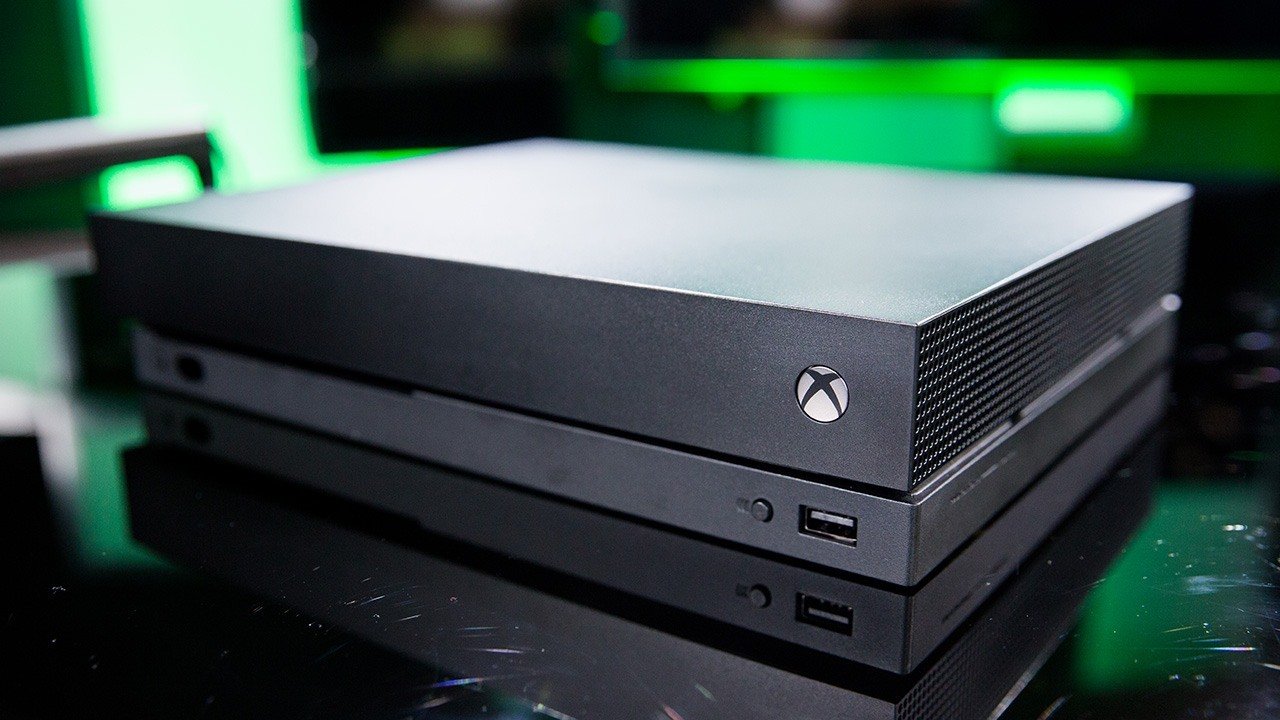
Games looked very similar, and Sony's hardware sometimes ran them more reliably. And now it's said that Magnus has a smaller edge, about 26%, but it could cost a lot more. That mix doesn't make you feel good about yourself. I think they are being too sure of themselves, especially since Sony is no longer using force.
Custom design will likely play a big role in the PlayStation 6
Computing units optimized for AI, ray-tracing blocks used only for that purpose, advanced compression systems, and hardware designed to work with a specific setup. Numbers are less important than how well they work. The previous generation already knew that. On the other hand, Magnus is said to be more like a PC-like combination design.
When you think about how Windows feels now, flexibility sounds good. Weight is added by abstraction levels, overhead, and bloat. The PS6 looks like it was made to be a racecar-style system. Because it wants to be everything at once, Magnus runs the risk of becoming a heavy, powerful machine. For Microsoft, this is where its larger mindset becomes clear. In all of its communications, the company always stresses AI-first, cloud-first, and platform-everywhere tactics.
AI is seen as a given. Integration must happen. Telemetry has to be used. The goal is to engage. That text message sends a clear message, even if it wasn't meant to. The strategy is more important than your knowledge. When people feel that, they start to lose trust. This way of thinking is what makes opt-out choices not really mean opt-out, and why features keep coming back after being turned off.
And that way of thinking doesn't end with the operating system. Many people don't feel excited when Microsoft says the next Xbox will be more deeply integrated into its ecosystem, rely more on the cloud, and feature more AI. PlayStation is different. You don't feel like it's asking you for something all the time. It stays out of the way most of the time after you turn it on and play. Teraflops are not as important as that difference.
It becomes clearer when you look at Windows fatigue, the next Xbox's iffy value positioning, and the fact that leadership is doubling down on AI-driven strategies. There is no worry that the hardware will not work well. Game Pass doesn't lose its value all of a sudden. Microsoft isn't even able to send games. Goodwill is what's important. People don’t want another product in their living room that makes them feel like they are part of the same community that makes them stressed at work.
It's hard to change an emotional connection once it's formed. It doesn't matter how powerful something is if it becomes associated with pain instead of pleasure. In silence, you pick something else. That quiet exit is the worst thing that could happen. It does not make people angry or make the news. Over time, it just loses its usefulness. In a market where trust is just as important as technology, that loss of trust may be more important than any spec edge when the next generation comes out.
Moderator, NoobFeed
Related News
No Data.