
AMD RX 9050 RDNA 4 Budget Graphics Cards Face Tough Value Questions
AMD's RX 9050 series delivers affordable RDNA 4 features but sacrifices memory bandwidth and compute performance to reach lower prices.
Hardware by Masaru Hoshino on Aug 01, 2026
The latest entry-level RDNA 4 graphics cards are intended to provide access to AMD's newest GPU technology for more people at lower prices. The price appears good on paper, but the system specs show major sacrifices that could hinder real-world gaming performance.
At a time when affordable graphics cards are becoming increasingly difficult to find, the RX 9050 series raises important questions about what budget gamers are actually getting for their money.
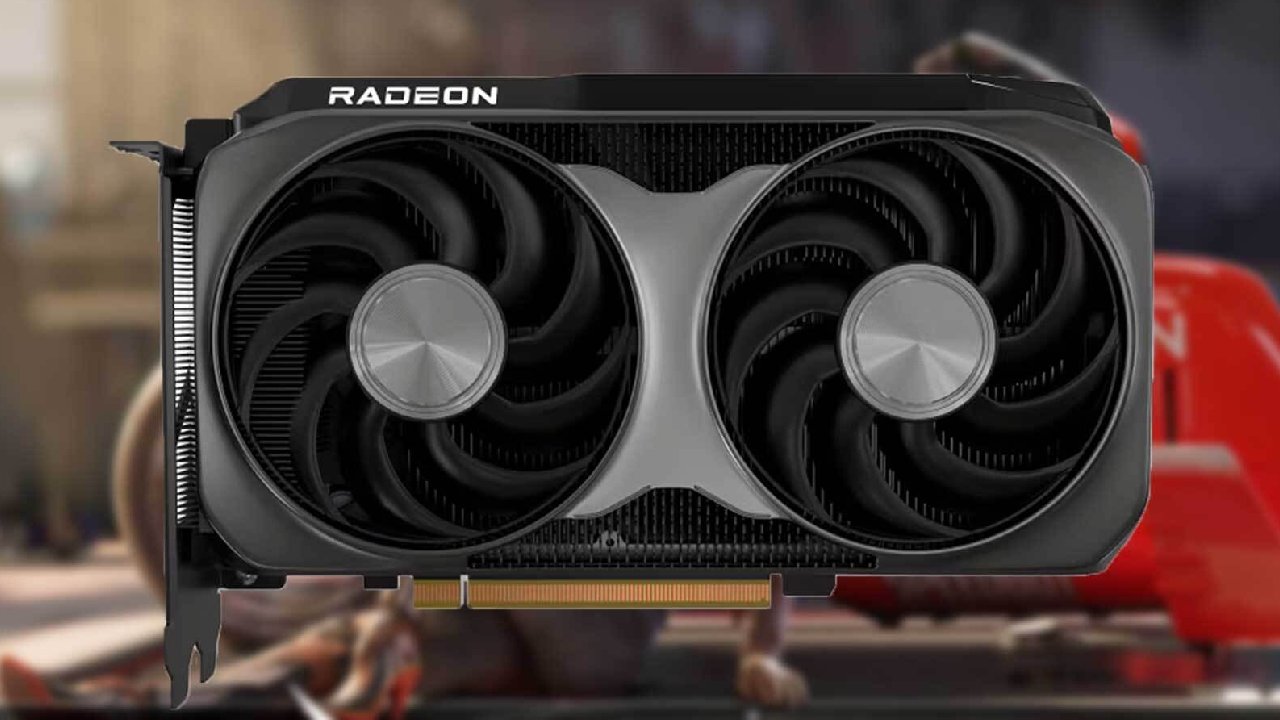
AMD Brings RDNA 4 to the Budget Segment
AMD has introduced the RX 9050 series with pricing starting at $250 for the 8GB model, while a 4GB variant is expected to arrive at $199. Although the lower prices make RDNA 4 more accessible, the specifications tell a very different story.
The $250 version comes equipped with 16 compute units and 8GB of memory, but the cheaper model cuts the hardware even further. Instead of simply reducing VRAM capacity, AMD also drops the memory interface from a 128-bit bus to just a 64-bit bus while limiting memory to only 4GB. Such specifications feel surprisingly outdated for a brand-new graphics card and immediately raise concerns about its ability to handle modern games.
AMD positions the RX 9050 as a 1080p Medium gaming solution, citing examples such as 407fps in Asphalt 9, 60fps in Cyberpunk 2077, and 131fps in Forza. While those numbers may look encouraging, they do not fully address the limitations created by the aggressive hardware cuts.
Navi 44 Receives Aggressive Reductions
Every RX 960 and RX 950 variant is built around AMD's Navi 44 GPU, which represents the smallest RDNA 4 die currently available. Unlike previous generations that offered multiple high-end configurations, RDNA 4 tops out with Navi 48, as AMD reportedly canceled plans for a significantly larger GPU long before production.
For the RX 9050 series, AMD appears to be using heavily cut-down Navi 44 silicon. The original 28 compute units have been reduced to just 16, making this one of the most aggressively trimmed RDNA 4 products released so far.
Clock frequencies also receive noticeable reductions. While higher-end RDNA 4 products such as the RX 9070 XT and RX 9060 series operate around the 3000MHz range, these budget cards run at considerably lower boost frequencies. Actual clock rates, of course, will depend on workloads and cooling, but the decreased specs underscore the entry-level posture.
Good news: the 8GB model looks to still include 32MB of Infinity Cache, and memory speeds have not altered. But the benefit is negated by the huge drop in memory bandwidth on the 4GB variant.
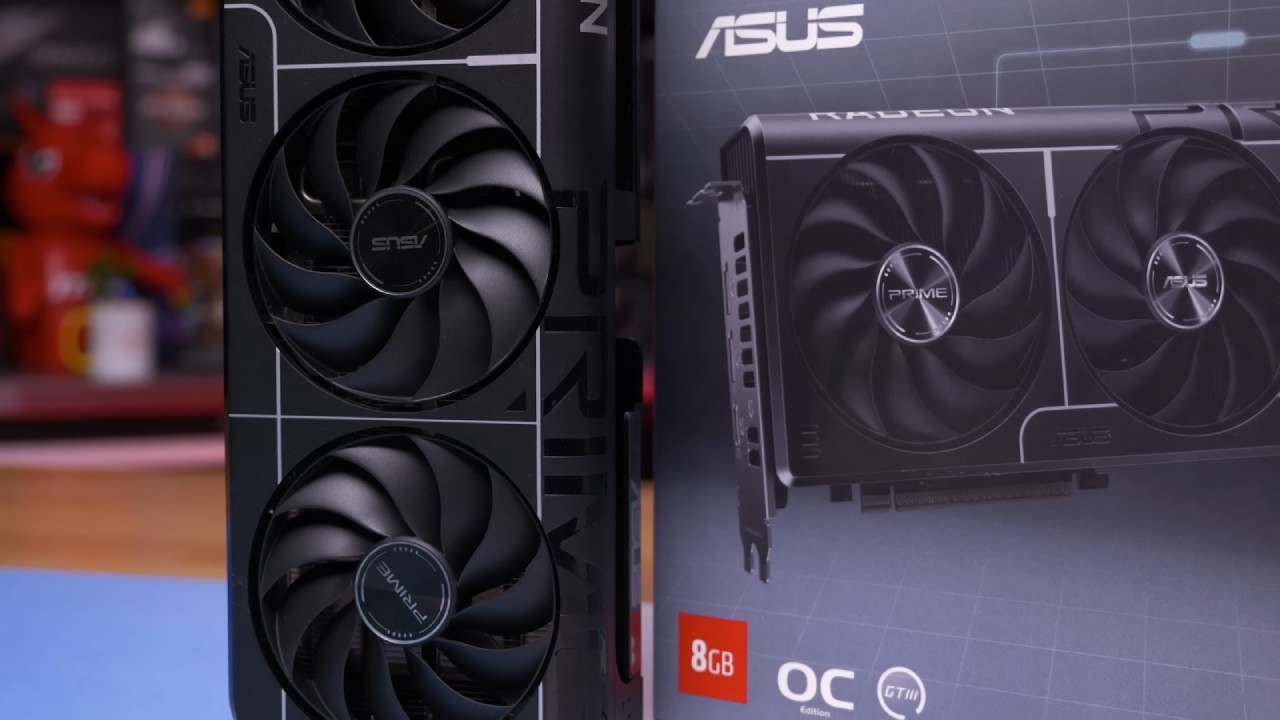
The 4GB Version is Difficult to Justify
The biggest concern surrounding the lower-priced RX 9050 is not simply its limited VRAM capacity but the combination of 4GB of memory with a 64-bit memory bus. Even if Infinity Cache helps improve effective bandwidth, cutting the bus width in half represents a significant reduction in available memory bandwidth. This can result in potential bottlenecks before VRAM restrictions come into play.
Modern games are rapidly requiring more and more RAM, and 4GB is increasingly limiting. Even if memory capacity is not the primary bottleneck, performance will likely be impacted by the thinner memory interface.
The product names also lead to unneeded misunderstanding. The RX 9050 designation on both gives the impression that the only difference is the quantity of memory, which is not true, as the lower-end card also gives up quite a bit of memory bandwidth. A different product name would have better reflected the significant architectural differences between the two models.
Looking Back at the RX 480
The current situation becomes even more noticeable when compared to AMD's own history. More than ten years back, the RX 480 arrived in both 4GB and 8GB variants, with the 4GB model launching for $250.
Inflation has affected price expectations since then, but the RX 480 was a great deal at the time. In games such as Rise of the Tomb Raider at 1080p, it performed remarkably close to NVIDIA's previous-generation flagship, the GTX 980. It also offered respectable overclocking potential, giving gamers additional performance without requiring premium hardware.
That comparison highlights how dramatically the value proposition has shifted. Today's entry-level GPUs arrive with considerably heavier compromises despite occupying a similar pricing tier.
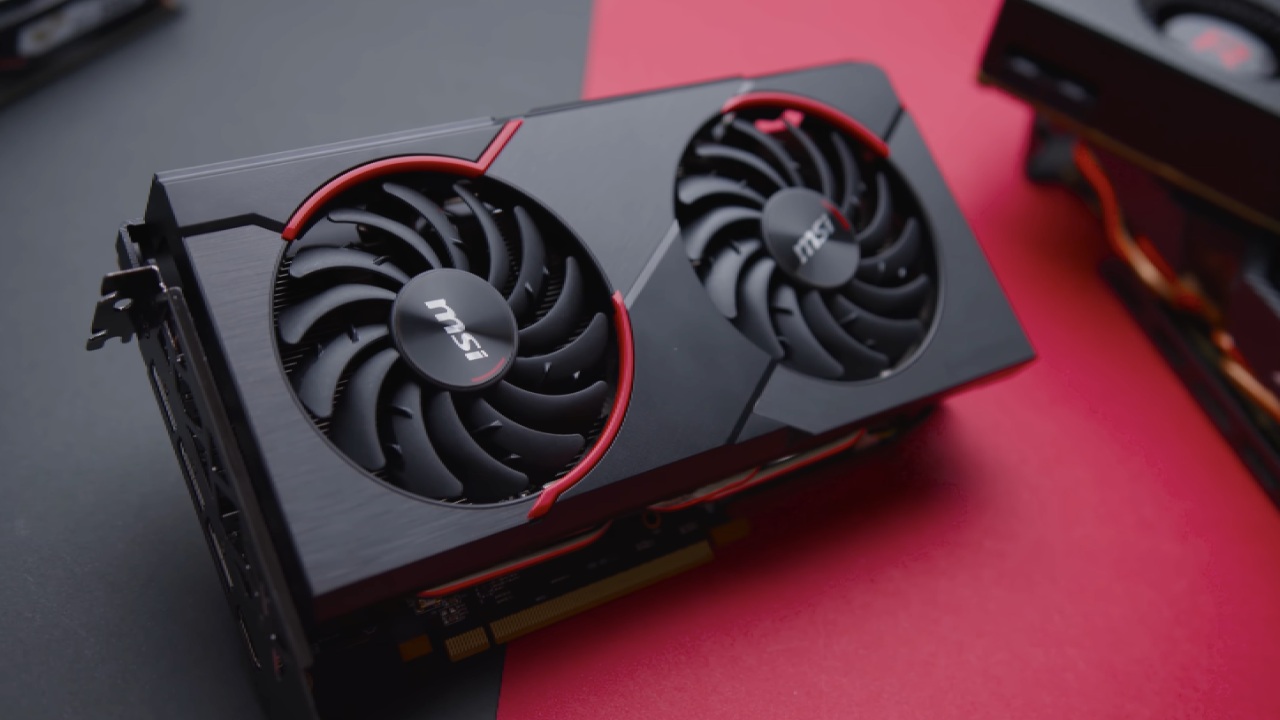
Budget Buyers May Find Better Value Elsewhere
For gamers shopping within the $200 to $250 range, these new cards may not represent the strongest value. Previous-generation graphics cards available through the used market often provide significantly better overall performance, particularly RTX 30 series and RTX 20 series models where pricing is reasonable.
Availability naturally varies by region, but the used market currently offers far more compelling options than many newly released entry-level GPUs. A 75W graphics card with 4GB of memory would still be useful as a bare-bones replacement for older systems, but the price makes it harder and harder to argue that point.
A Challenging Future for Budget Gaming
The RX 9050 series is proof of exactly how competitive the entry-level graphics card industry has gotten. RDNA 4 does come to cheaper pricing points, but that's done by chopping down CPU resources, memory capacity, and memory bandwidth significantly.
For gamers looking for the best bang for the buck, the specs imply that the older graphics cards can still provide a better price-performance ratio. AMD does a good job of getting RDNA 4 to a wider audience, but the restrictions inherent in these cheap models make them far less interesting than their initial price points might suggest.
Editor, NoobFeed
Gaming Hardware Updates
No Data.